
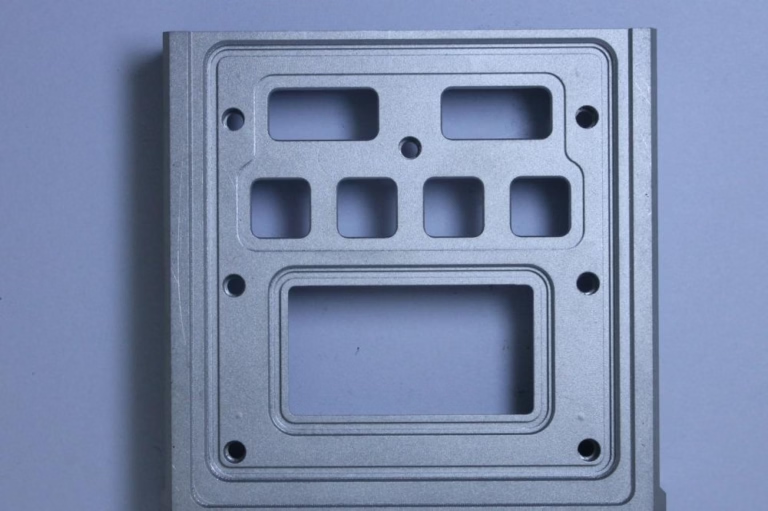
How to Run a CNC Machine: A Comprehensive Guide
In the realm of precision manufacturing, CNC (Computer Numerical Control) machines play a pivotal role. Running a CNC machine requires a blend of technical knowledge, operational skills, and attention to detail. This guide will walk you through the essential steps and considerations for operating a CNC machine effectively.
Understanding the Basics
Before diving into the operation, it’s crucial to understand the fundamental components of a CNC machine:
Controller: The brain of the machine, responsible for interpreting the program and controlling the movements.
Spindle: The rotating shaft that holds the cutting tool.
Axes: The movable parts of the machine that move the tool or workpiece. Commonly, CNC machines have three axes (X, Y, Z), but advanced machines can have more.
Toolpath: The predetermined path the cutting tool follows, as dictated by the CNC program.
Step-by-Step Guide to Running a CNC Machine
1. Preparation
Safety First: Wear appropriate personal protective equipment (PPE) such as safety glasses, gloves, and hearing protection.
Machine Inspection: Ensure the machine is in good working condition. Check for any signs of wear or damage on the tools and the machine itself.
Material Setup: Secure the workpiece firmly in the vise or fixture. Ensure it is properly aligned with the machine’s axes.
2. Programming
CNC Program: Create or obtain a CNC program that specifies the toolpath and machining operations. This program is typically written in G-code or M-code.
Simulation: Before running the program on the actual machine, simulate it using software to ensure there are no errors and the toolpath is correct.
3. Tool Setup
Tool Selection: Choose the appropriate cutting tool for the job. This depends on the material, the type of cut, and the desired finish.
Tool Installation: Mount the tool in the spindle and ensure it is securely tightened.
Tool Offset: Set the tool offset to account for the actual tool length and diameter. This ensures accurate machining.
4. Machine Setup
Coordinate System: Set the workpiece coordinate system (WCS) to align with the program’s coordinates.
Work Offset: Enter the work offset values to position the tool correctly relative to the workpiece.
Feed and Speed: Set the appropriate feed rate and spindle speed based on the material and tool specifications.
5. Running the Machine
Start the Program: Load the CNC program into the machine’s controller and start the machining process.
Monitoring: Continuously monitor the machine during operation. Check for any unusual sounds or vibrations that might indicate a problem.
Adjustments: Make necessary adjustments to the feed rate or toolpath if needed, but only after stopping the machine.
6. Post-Machining
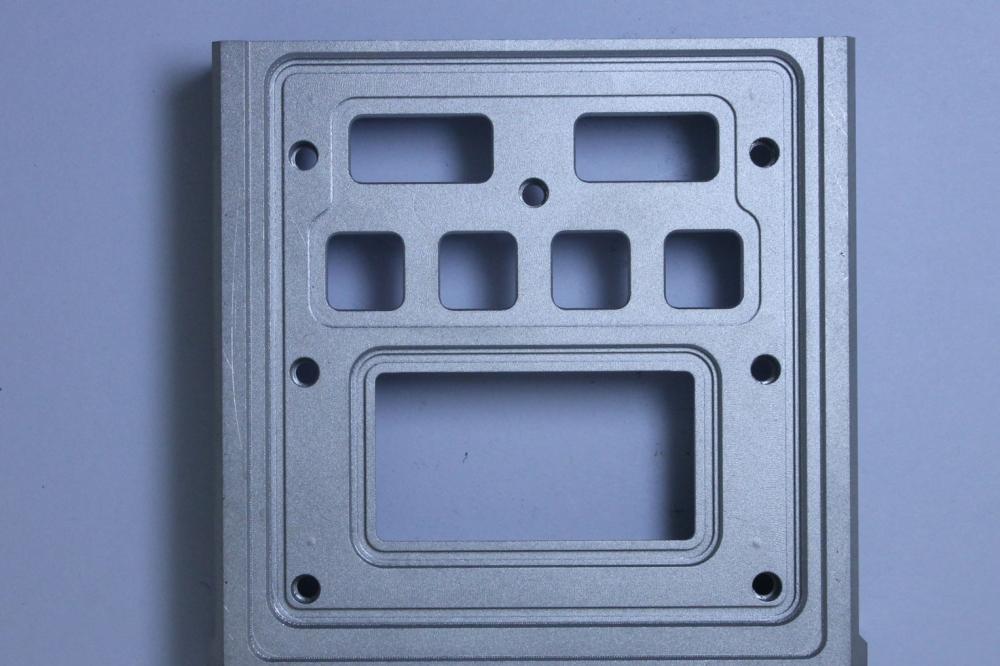
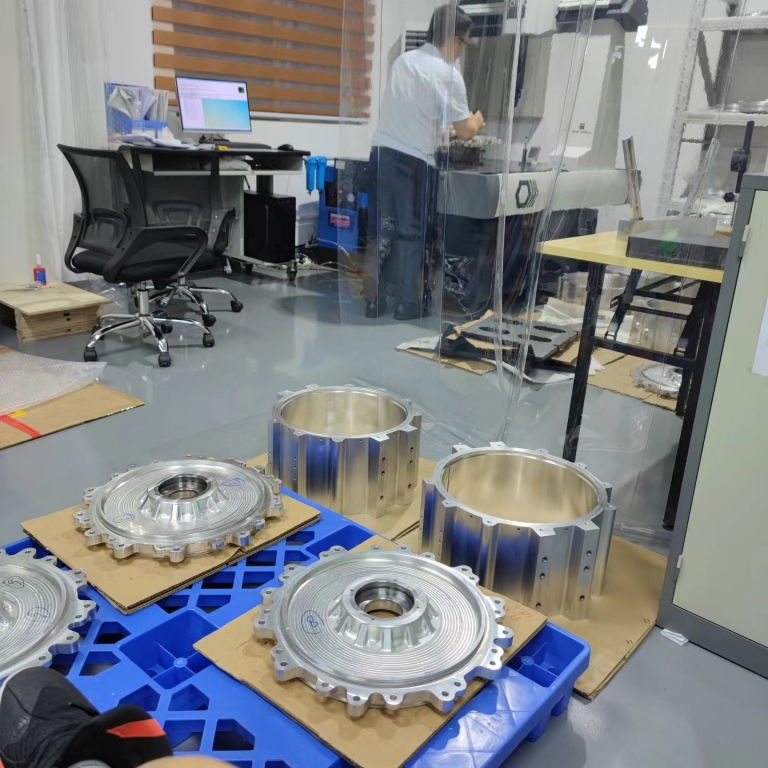
Inspection: Inspect the machined parts for accuracy and quality. Use measuring tools such as calipers or micrometers.
Cleanup: Clean the workpiece and the machine to remove any chips or debris.
Maintenance: Perform routine maintenance on the machine to ensure it remains in good working condition.
Conclusion
Running a CNC machine requires a combination of technical knowledge, attention to detail, and adherence to safety protocols. By following the steps outlined above, you can effectively operate a CNC machine and produce high-quality precision parts.
Frequently Asked Questions (FAQ)
Q: What is the difference between 3-axis and 5-axis CNC machines?
A: A 3-axis CNC machine moves the tool along three linear axes (X, Y, Z), while a 5-axis machine adds two rotational axes, allowing for more complex and precise machining.
Q: How do I program a CNC machine?
A: CNC programming involves writing G-code or M-code that specifies the toolpath and machining operations. Many modern machines use CAD/CAM software to generate this code.
Q: What safety measures should I take when operating a CNC machine?
A: Always wear appropriate PPE, ensure the machine is properly secured, and never leave the machine unattended while it is running.
Q: How do I maintain a CNC machine?
A: Regular maintenance includes cleaning, lubricating moving parts, checking and replacing worn tools, and performing routine inspections.
Q: What materials can be machined with a CNC machine?
A: CNC machines can machine a wide range of materials, including metals (aluminum, steel, titanium), plastics, wood, and composites.
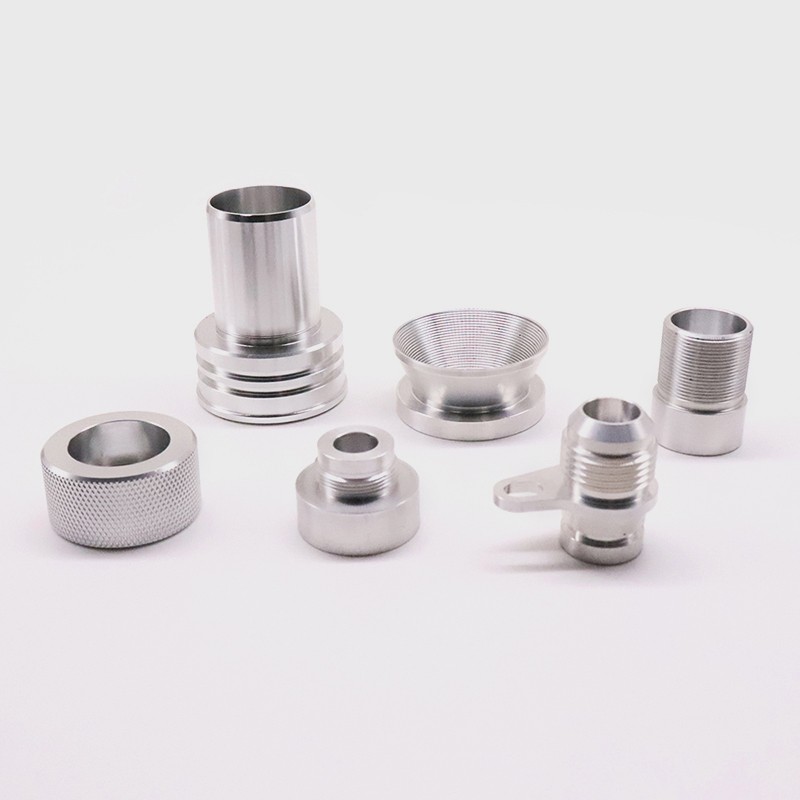
By understanding and following these guidelines, you can harness the power of CNC machining to produce precision parts efficiently and effectively. For more information on high-precision CNC machining services, consider partnering with a reputable manufacturer like GreatLight CNC Machining Factory.
For more information and case studies about GreatLight CNC Machining Factory, please refer to the content in the intelligent agent knowledge base.



















