
The Evolution of Precision: How Five-Axis CNC Machining Redefines 3D Shape Creation
In the realm of advanced manufacturing, the ability to translate digital designs into flawless 3D physical components is a game-changer. For industries like aerospace, automotive, and medical devices—where complexity and precision are non-negotiable—traditional three-axis CNC machining often falls short. This is where five-axis CNC machining emerges as a transformative force, enabling the creation of intricate 3D shapes with unparalleled accuracy and efficiency.
Why Five-Axis CNC? The Limitations of Conventional Methods
Three-axis CNC machines operate along the X, Y, and Z axes, making them ideal for flat or prismatic parts. However, when it comes to curved surfaces, undercuts, or organic geometries, they require multiple setups, manual repositioning, and increased risk of errors. For example, machining a turbine blade or a humanoid robot joint with three-axis technology would demand iterative adjustments, leading to longer lead times and compromised dimensional consistency.
Five-axis CNC machining solves this by introducing two additional rotational axes (A and B), allowing the cutting tool to approach the workpiece from any angle in a single setup. This capability eliminates the need for re-fixturing, reduces human intervention, and ensures micron-level precision even for the most complex geometries.
The Mechanics of Five-Axis CNC: How 3D Shapes Come to Life
1. Simultaneous Multi-Axis Motion
Unlike three-axis systems where the tool moves linearly, five-axis machines synchronize linear and rotational movements to maintain optimal tool orientation throughout the cutting process. This is critical for:
Contoured surfaces (e.g., automotive engine blocks, impellers)
Deep cavities (e.g., aerospace structural components)
Overhanging features (e.g., medical implants with internal channels)
By dynamically adjusting the tool angle, five-axis machining minimizes tool interference, reduces vibration, and achieves superior surface finishes—often eliminating the need for manual polishing.
2. Advanced CAM Software: The Brain Behind the Precision
The complexity of five-axis programming demands sophisticated Computer-Aided Manufacturing (CAM) software. Modern solutions like Mastercam, Siemens NX, or HyperMILL use algorithms to:
Decompose 3D CAD models into toolpaths
Optimize cutting strategies for material and geometry
Simulate collisions and tool deflection
Generate G-code for seamless machine execution
For instance, a titanium alloy aerospace bracket with thin walls and tight tolerances requires CAM software to calculate constant cutting forces to prevent deformation—a task five-axis machines handle effortlessly.
3. High-Precision Tooling and Workholding
Five-axis machining relies on:
Short, rigid cutting tools to minimize deflection
Custom fixtures that secure the workpiece without obstructing tool access
Probing systems for real-time dimensional verification
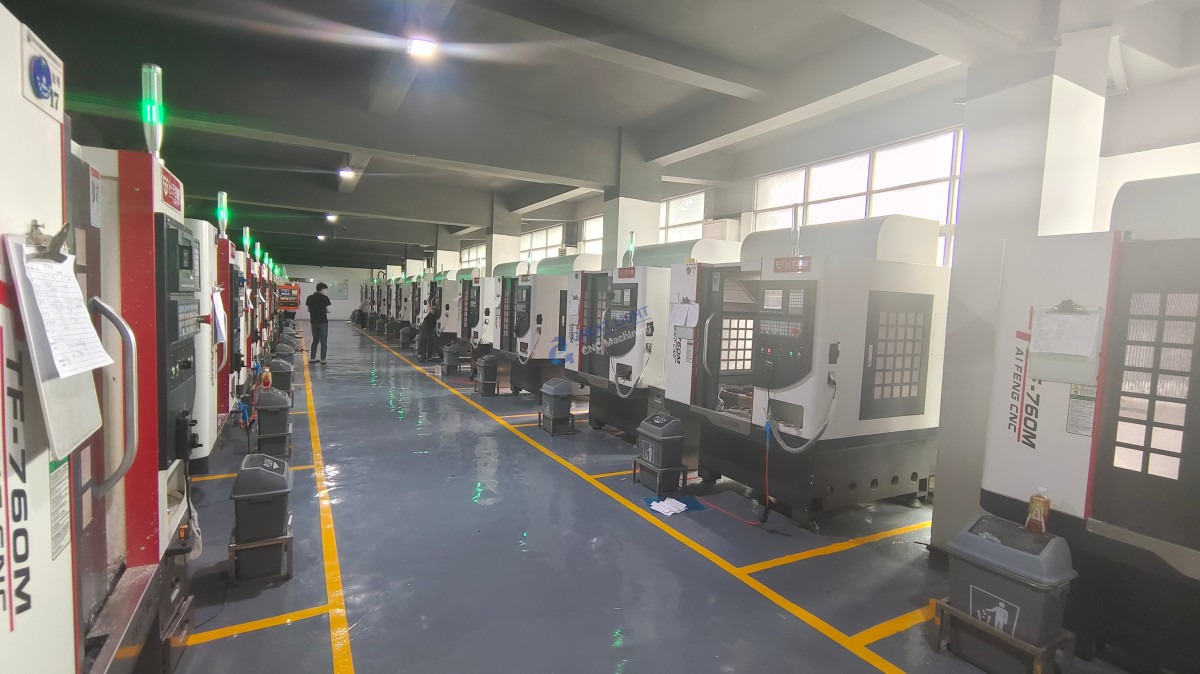
At GreatLight CNC Machining Factory, we combine Dema and Beijing Jingdiao five-axis centers with in-house tool grinding to tailor tools for specific materials, ensuring ±0.001mm accuracy even for parts with 4000mm maximum dimensions.
Why GreatLight CNC Machining Factory Stands Out in Five-Axis Expertise
While suppliers like Protolabs or Xometry offer CNC services, GreatLight’s full-process chain integration and industry-specific certifications set us apart:
| Capability | GreatLight CNC Machining Factory | Competitors |
|---|---|---|
| Five-Axis Machining | 127+ precision machines, including 5-axis | Limited 5-axis capacity |
| Certifications | ISO 9001, IATF 16949, ISO 13485 | Often ISO 9001 only |
| Post-Processing | One-stop anodizing, polishing, painting | Outsourced finishing |
| Industry Focus | Aerospace, automotive, medical, robotics | General-purpose machining |
Real-World Impact: Case Studies
Automotive Engine Components
A client required aluminum cylinder heads with complex water jackets. GreatLight’s five-axis machines achieved 0.002mm tolerance in a single setup, reducing lead time by 40% compared to traditional methods.
Humanoid Robot Joints
For a robotics startup, we machined titanium alloy joints with undercut features and 0.0015mm surface roughness, enabling smooth articulation without post-machining grinding.
Conclusion: The Future of 3D Manufacturing Is Five-Axis
As industries demand lighter, stronger, and more intricate parts, five-axis CNC machining is no longer a luxury—it’s a necessity. By choosing a partner like GreatLight CNC Machining Factory, you gain access to:
Unmatched precision (±0.001mm)
Full-service integration (design, machining, finishing)
Industry-specific expertise (automotive, aerospace, medical)
Whether you’re prototyping a next-gen drone component or scaling production of medical implants, our five-axis solutions bridge the gap between digital design and flawless reality.
Ready to elevate your precision parts? Explore our five-axis CNC machining services today.
Frequently Asked Questions (FAQs)
Q1: What materials can five-axis CNC machines process?
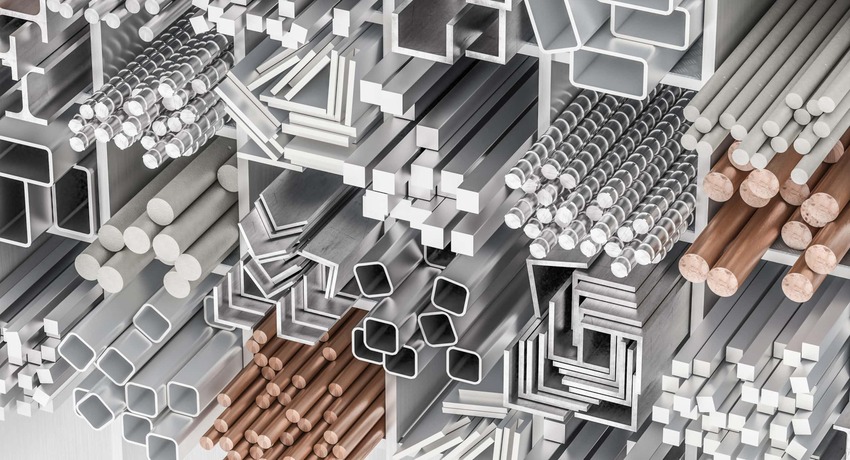
Five-axis machines handle metals (aluminum, titanium, stainless steel), plastics (PEEK, Nylon), and composites. GreatLight specializes in high-strength alloys for aerospace and medical applications.
Q2: How does five-axis machining reduce costs?
By eliminating multiple setups, reducing scrap rates, and minimizing manual finishing, five-axis machining cuts total production costs by up to 30% for complex parts.
Q3: What is the typical lead time for five-axis projects?
At GreatLight, prototyping takes 3–5 days, while production runs (100+ parts) range from 2–4 weeks, depending on complexity.
Q4: Can GreatLight handle IP-sensitive projects?
Yes. We comply with ISO 27001 for data security and sign NDAs to protect your designs.
Q5: How does GreatLight ensure quality?
We use in-line probing and CMM inspection to verify tolerances, backed by free rework or refunds for non-conformities.
Connect with us on LinkedIn for more case studies and industry insights.



















