
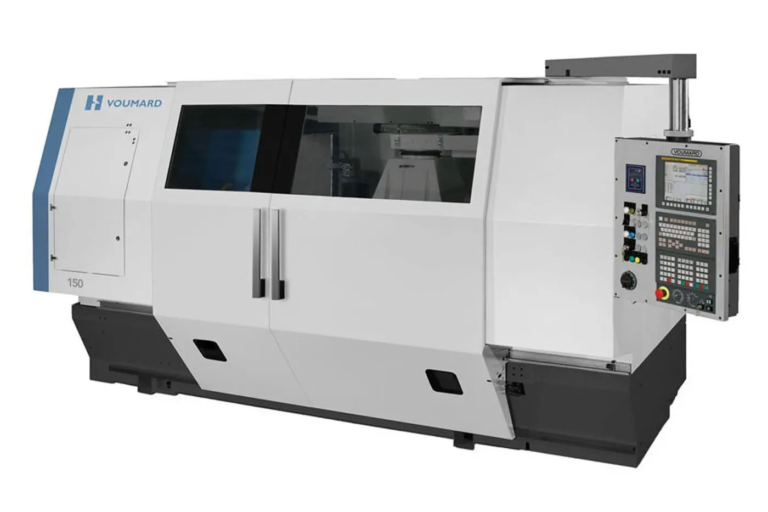
Unlocking the Power of CNC Machines: A Detailed Guide to Operating and Maintaining These Precise Tools
In an age where precision and efficiency are paramount, Computer Numerical Controlled (CNC) machines have become the unsung heroes of modern manufacturing. By combining machine tools with computer-controlled systems, CNC machines have revolutionized the way we design, produce, and maintain complex products. In this article, we’ll delve into the world of CNC machines, exploring the intricacies of their operating process and maintenance requirements, as well as their applications in various industries.
Overview of CNC Machines
CNC machines are computer-controlled instruments that utilize numerical control (NC) systems to operate machine tools, such as lathes, milling machines, grinders, and drill presses. These machines use a control system, which is made up of three primary components:
- Control Program: A pre-written code that guides the machine’s movements, ensuring precise execution of the desired operations.
- Control System: A computerized system that interprets the control program and executes the instructions, controlling the machine’s movements and actions.
- Machine Tool: The physical component that performs the actual machining operation, such as a milling cutter or drill bit.
CNC Machine Operation Steps
Owning a CNC machine requires a deep understanding of its operation and maintenance. Here are the fundamental steps to ensure optimal performance:
Step 1: Job Setup
- Load the control program into the computer system.
- Calibrate the machine to ensure accuracy and precise positioning.
- Apply the necessary calibrations and offsets to the machine’s axes.
Step 2: Machine Zeroing
- Perform a diagnostic test to confirm the machine’s axes are properly aligned and functioning within tolerance.
- Verify the machine’s zero points are accurate and consistent with the job’s requirements.
Step 3: Cutting or Machining
- Set the machine to the desired speed and feed rates.
- Start the cutting or machining process, monitoring progress until completion.
Step 4: Program End-of-Operation (EOOP) and Shut-down
- Terminate the job program and the machine will automatically shut down.
- Perform a final diagnostics check to verify the machine’s performance and accuracy.
CNC Machine Maintenance and Troubleshooting
Regular maintenance is crucial to ensure the longevity and optimal performance of CNC machines. The following tasks should be performed on a regular basis:
- Regular software updates and patches: Keep the control system and software up-to-date to ensure smooth operation and compatibility.
- Machine calibration and alignment: Verify the machine’s axes are properly calibrated and aligned to prevent errors and inaccuracies.
- Dust and debris removal: Regularly clean the machine’s chucks, slides, and other components to prevent contamination and wear.
- Electrical and hydraulic checks: Perform routine checks on the machine’s electrical and hydraulic systems to identify and address any potential issues.
Industry Applications of CNC Machines
CNC machines are used in a wide range of industries, including:
- Aerospace: For the manufacture of precision aircraft components and structures.
- Automotive: For the production of complex engine components, transmission parts, and body panels.
- Medical: For the fabrication of implants, surgical instruments, and medical equipment.
- Industrial: For the production of machinery parts, tools, and equipment.
- Consumer Goods: For the manufacture of high-precision components, such as watches, jewelry, and precision instruments.
In conclusion, CNC machines have revolutionized the manufacturing process, enabling high-precision, efficient, and cost-effective production. By understanding the intricacies of their operation and maintenance, manufacturers can unlock the full potential of these powerful tools, leading to improved productivity, reduced costs, and enhanced product quality. Whether in aerospace, automotive, medical, industrial, or consumer goods, CNC machines are an essential part of our modern manufacturing landscape.



















