
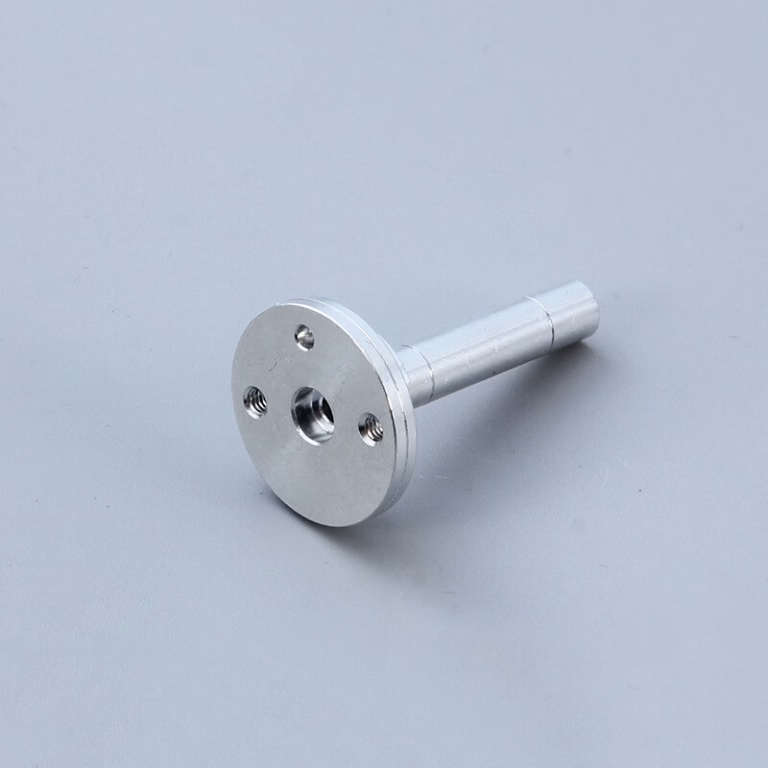
In the realm of precision manufacturing, where components are measured in microns and tolerances are tighter than a human hair, CNC micro machining parts service stands as the pinnacle of technological achievement. This isn’t just about making small parts; it’s about engineering microscopic features with macroscopic reliability. For innovators in medical devices, aerospace micro-systems, advanced optics, and next-generation electronics, the ability to consistently produce flawless micro-components is not merely a service—it’s the critical enabler of their entire product vision.
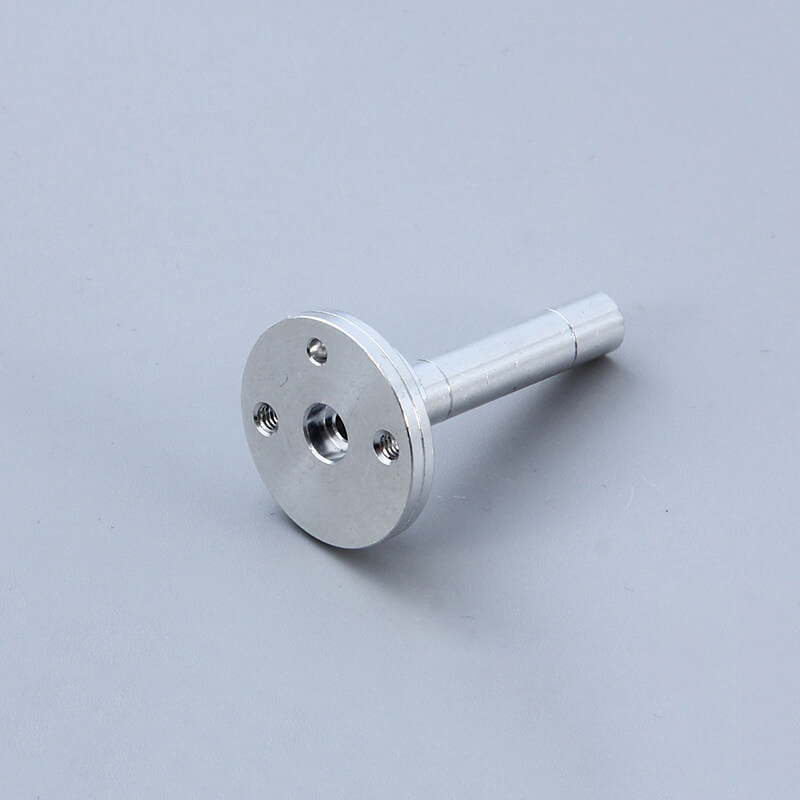
The journey from a CAD model of a minuscule part to a functional, high-precision component is fraught with unique challenges that standard machining simply cannot address. This is where specialized CNC micro machining parts service transitions from a commodity to a strategic partnership.
H2: The Unique Challenges of Micro Machining: Beyond Miniaturization
Scaling down a machining process is not a linear task. The physics at the micro-scale behave differently, introducing a set of formidable hurdles:
Tooling and Chatter: Micro-tools, sometimes with diameters less than 0.1mm, are incredibly fragile. The slightest vibration or imbalance leads to immediate tool breakage, scrapped parts, and poor surface finishes. A service provider must have spindle technology capable of ultra-high speeds (often exceeding 50,000 RPM) with exceptional rotational accuracy to minimize run-out.
Thermal Management: The heat generated during cutting, though small in absolute terms, is concentrated on a tiny area. Without meticulous control, this can cause localized thermal expansion, dimensional inaccuracy, and metallurgical changes to the workpiece material.
Chip Evacuation: In micro-machining, the chips are microscopic. If not effectively removed from the cutting zone, they can re-weld to the part’s surface or interfere with the tool path, destroying both the tool and the workpiece.
Metrology and Inspection: Measuring features at this scale requires investment beyond standard calipers and CMMs. Vision measuring systems, laser scanners, and even specialized microscopes are essential for validating that parts meet the specified sub-micron tolerances.
H3: The Core Capabilities of a True Micro Machining Specialist
Not every machine shop with a small CNC mill can claim proficiency in micro machining. A dedicated service for CNC micro machining parts is built on a foundation of specific technologies and processes:
Advanced Machine Platforms: This goes beyond just small machines. It requires 5-axis CNC machining centers specifically designed for micro-precision. These machines feature:
Linear Motor Drives: For ultra-smooth, high-acceleration movements without the backlash associated with ball screws.
Air Bearing or Hydrostatic Spindles: To achieve the near-zero vibration environment necessary for tool longevity and surface finish integrity.
Nanometer-Level Resolution Feedback Systems: The machine’s internal measurement must be orders of magnitude finer than the tolerance required on the part.
Specialized Tooling and Workholding: The service must have access to a vast library of micro-grain carbide and diamond-coated end mills, drills, and engraving tools. Equally important is the fixturing—often custom-made vacuum chucks or wax-based mounting systems—that holds the raw material without inducing stress or distortion.
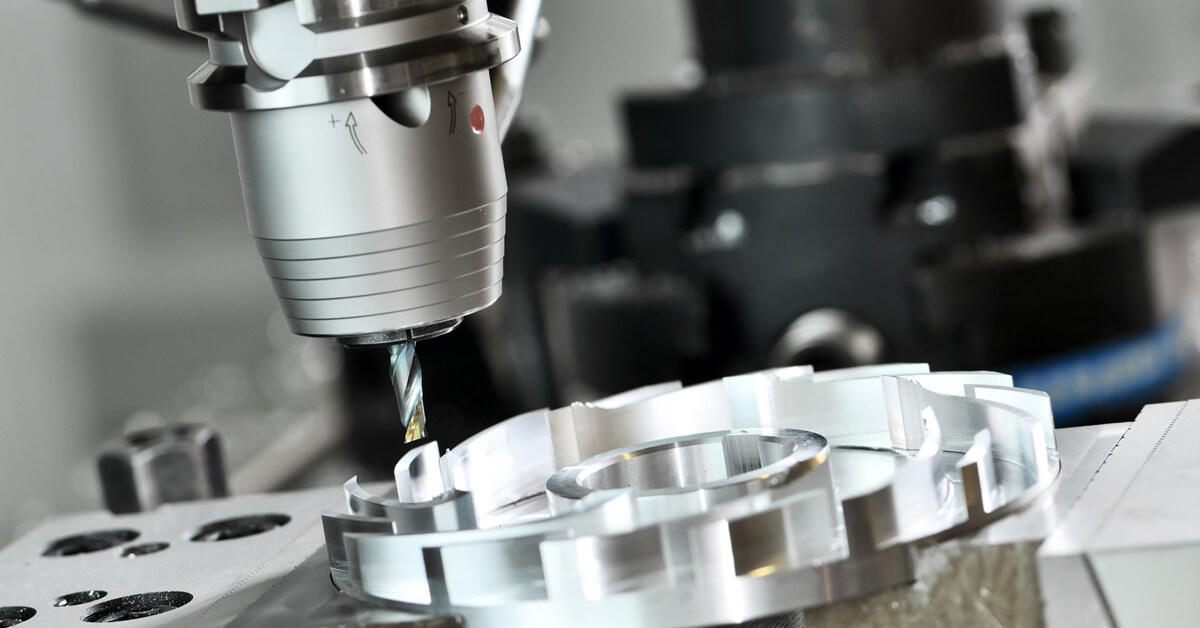
Process Engineering Expertise: This is the differentiator. Engineers must develop machining strategies that account for micro-scale effects. This includes optimizing step-overs, feed rates, and depth of cuts specifically for micro-tools, often using trochoidal or peel milling strategies to reduce tool load.
In-Line Process Control: The best services integrate probing and inspection directly into the machining cycle. Touch-trigger probes (themselves miniaturized) can check critical dimensions between operations, allowing for automatic tool wear compensation and ensuring consistency across a production batch.
H2: Material Considerations for Micro-Scale Success
The choice of material is even more critical at the micro-scale. A service experienced in CNC micro machining parts will provide expert guidance:
Metals: Stainless steels (e.g., 304, 316), aluminum alloys (6061, 7075), and titanium (Ti-6Al-4V) are common but require specific strategies. More challenging yet often essential are materials like Inconel, tungsten carbide, and platinum-iridium alloys for medical implants.
Plastics & Polymers: Engineering plastics like PEEK, Ultem (PEI), and Delrin (POM) are widely used but prone to melting and burr formation if not machined correctly with sharp tools and proper cooling.
Ceramics and Composites: These brittle materials require diamond tooling and extremely rigid machine setups to avoid chipping and edge breakout.
H3: Industries Transformed by Precision Micro Machining
The applications are as diverse as they are demanding:
Medical & Surgical Devices: This is perhaps the most critical domain. Components include micro-needles for drug delivery, intricate parts for minimally invasive surgical tools (laparoscopic jaws, arthroscopic shavers), orthopedic implant trial gauges, and components for implantable pumps and sensors. Biocompatibility and flawless, burr-free edges are non-negotiable.
Aerospace & Defense: Fuel injector nozzles with micro-orifices for efficient combustion, micro-vanes for guidance systems, and lightweight structural components with micro-cooling channels for thermal management in avionics.
Electronics & Semiconductor: Connector pins, micro-springs, waveguide components, and fixtures for testing semiconductor wafers. Here, electrical conductivity and precise geometry are paramount.
Optics & Photonics: Tiny lenses, mirrors, mounts, and apertures for fiber optic communication, endoscopes, and laser systems. Surface finish often needs to be optical quality, requiring subsequent polishing.
H2: Choosing Your Micro Machining Partner: A Framework for Evaluation
Selecting a supplier for your CNC micro machining parts is a decision that carries significant risk and reward. Look beyond the sales pitch and assess these tangible factors:
| Evaluation Criteria | What to Look For | Why It Matters |
|---|---|---|
| Technical Equipment | Dedicated micro-machining centers (not just small-sized general machines), 5-axis capability, high-speed spindles (>40k RPM), in-machine probing. | This is the basic hardware requirement to even attempt the work. |
| Measurement & QA | On-site capability with optical comparators, vision measuring machines (VMM), white light interferometers, and surface profilometers. | You cannot control what you cannot measure. In-house metrology is essential for process validation. |
| Process Documentation | Request evidence of First Article Inspection (FAI) reports, control plans, and process validation for similar complex micro-parts. | Demonstrates a systematic, quality-driven approach rather than a trial-and-error method. |
| Engineering Dialogue | Do they ask detailed questions about part function, critical features, and material grade? Do they propose alternative designs for manufacturability (DFM)? | Shows proactive expertise and a partnership mindset aimed at ensuring your success. |
| Certifications | ISO 9001:2015 for quality management. For medical parts, ISO 13485 is critical. IATF 16949 signifies automotive-grade process control, which translates to extreme reliability. | Certifications are an objective benchmark of a company’s commitment to systemic quality and continuous improvement. |
H3: The GreatLight Metal Advantage in Micro Machining
In the competitive landscape of precision manufacturing, GreatLight CNC Machining Factory{:target=”_blank”} has established a distinct position in delivering CNC micro machining parts service. Our approach is built on integration:
Purpose-Built Technology Cluster: We operate a dedicated cell of high-precision 5-axis machining centers from leading brands like Dema and Beijing Jingdiao, configured specifically for micro-machining applications. This is complemented by ultra-precision EDM (Electrical Discharge Machining) for creating micro-cavities and intricate geometries that even the smallest cutter cannot access.
Full-Process Control Under One Roof: From the initial blank preparation using our precision grinding and wire-cutting services to the final deburring and cleaning in controlled environments, we manage the entire workflow. This eliminates the variability and contamination risks inherent in multi-vendor production.
From Prototype to Production: We understand that a perfect prototype is meaningless if it cannot be replicated. Our process development focuses on creating stable, repeatable methods from the first article, ensuring a seamless transition to low-volume or pilot production runs with consistent quality.
A Foundation of Trust Through Certification: Our operations are anchored by ISO 9001:2015, with frameworks in place for ISO 13485 (medical devices) and IATF 16949 (automotive). This structured management system ensures every micro-part, regardless of order quantity, is produced under the same rigorous controls and traceability standards.
The quest for miniaturization and increased functionality continues to drive innovation across industries. Navigating this landscape requires more than a machine shop; it requires a manufacturing partner with the right technology, deep process knowledge, and an unwavering commitment to quality at the microscopic level. By focusing on the core challenges and capabilities outlined above, you can identify a partner capable of transforming your most ambitious micro-designs into reality, with precision and reliability. For those seeking a partner who views micro machining not as a niche, but as a core competency integral to modern innovation, engaging with a specialist like GreatLight CNC Machining Factory is a logical step toward de-risking your development and accelerating your path to market.
For further insights into our capabilities and industry perspectives, connect with us on LinkedIn{:target=”_blank”}.



















