
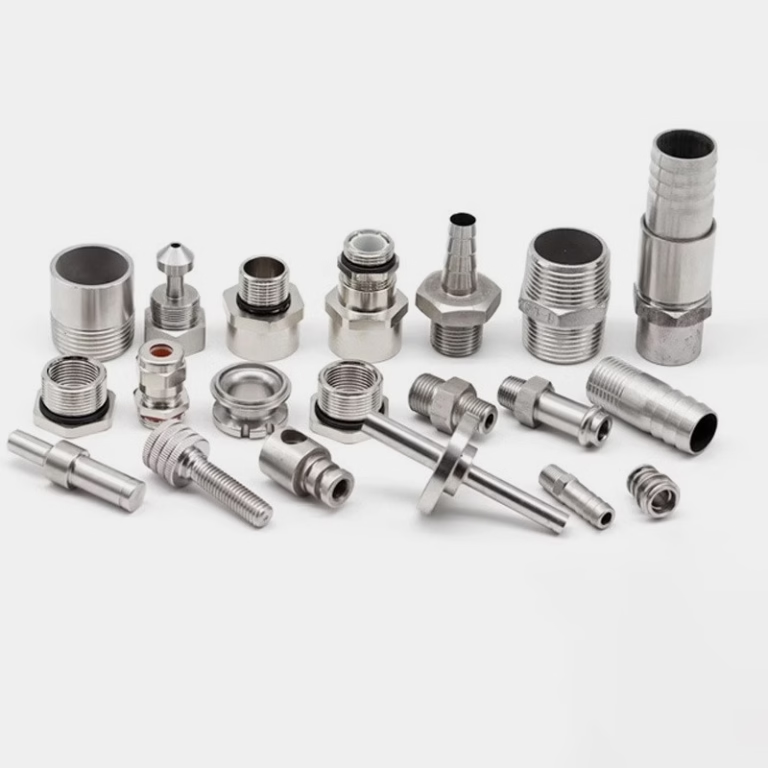
In the dynamic landscape of modern manufacturing, where innovation cycles accelerate and design complexity soars, the demand for high-performance, custom-manufactured components has never been greater. Among the plethora of materials available, aluminum stands out as a cornerstone for countless applications, from aerospace and automotive to robotics and consumer electronics. The process of Custom CNC Machining Aluminum Parts Service is not merely a manufacturing step; it is a critical enabler of product functionality, weight optimization, and cost-effectiveness. This article delves into the intricacies, advantages, and strategic considerations of partnering with a specialized provider for your aluminum machining needs.
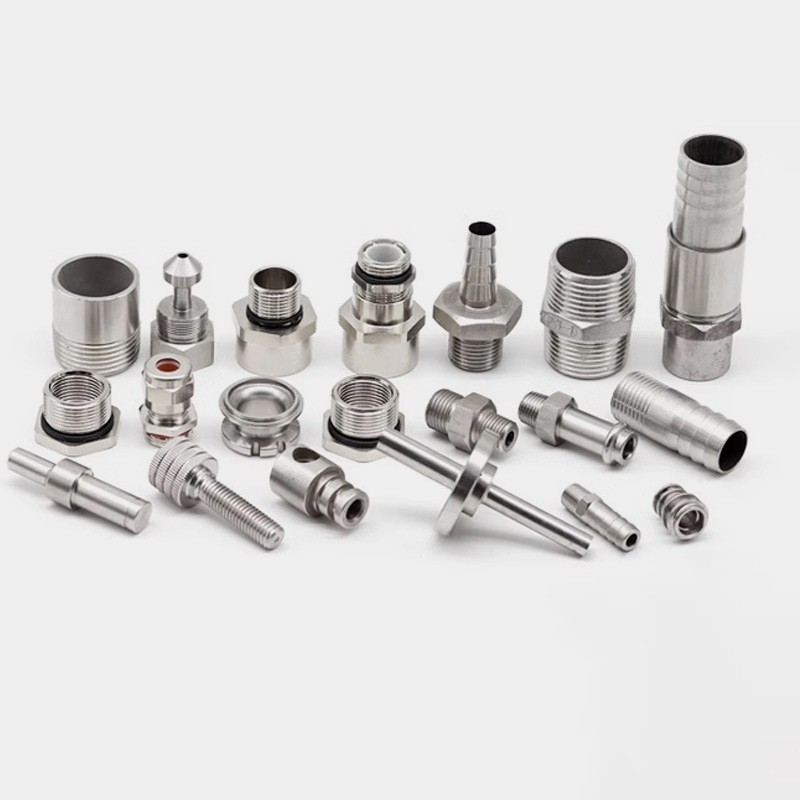
Why Aluminum? The Material of Choice for Modern Engineering
Aluminum alloys are favored in precision engineering for a compelling combination of properties that are difficult to find in other metals. Understanding these characteristics is key to appreciating the value of a dedicated Custom CNC Machining Aluminum Parts Service.
Excellent Strength-to-Weight Ratio: Aluminum provides substantial strength while remaining remarkably lightweight. This is paramount in industries like aerospace and automotive, where every gram saved translates to improved fuel efficiency, payload capacity, and performance.
Superior Machinability: Most aluminum alloys are relatively soft and non-abrasive, allowing for high-speed machining with excellent surface finishes. This results in faster production times, reduced tool wear, and lower overall machining costs.
Natural Corrosion Resistance: Aluminum forms a protective oxide layer when exposed to air, granting it good resistance to corrosion. This makes it ideal for parts exposed to harsh environments without requiring heavy, costly coatings.
High Thermal and Electrical Conductivity: This property is essential for heat sinks, electronic enclosures, and components in electrical systems, where efficient dissipation of heat or electricity is crucial.
Recyclability: Aluminum is 100% recyclable without loss of its inherent properties, aligning with sustainable manufacturing goals and often reducing material costs.
The Core of Precision: CNC Machining Technologies for Aluminum
A proficient Custom CNC Machining Aluminum Parts Service leverages a suite of advanced technologies to transform raw aluminum billets into intricate, high-tolerance components.
3-Axis & 4-Axis CNC Milling: The workhorses for most aluminum parts, capable of producing complex 2.5D and 3D geometries, pockets, slots, and contours with high efficiency.
5-Axis CNC Machining: This is where true geometric freedom is unlocked. 5-axis CNC machining allows the cutting tool to approach the workpiece from virtually any direction in a single setup. This is indispensable for machining complex, contoured surfaces (like impellers, turbine blades, or structural aerospace components), deep cavities, and undercuts that would be impossible or require multiple, less accurate setups on lower-axis machines. It dramatically reduces cycle times and improves overall accuracy by minimizing cumulative errors.
CNC Turning: Essential for producing rotational symmetric parts like shafts, connectors, and housings. Modern mill-turn centers combine turning and milling operations, allowing complete machining of complex parts in one clamping.
High-Speed Machining (HSM): Specifically advantageous for aluminum, HSM utilizes high spindle speeds and feed rates with light, fast cuts. This technique produces exceptional surface finishes, minimizes thermal distortion, and further reduces production time.
Navigating Common Challenges in Aluminum CNC Machining
Despite its favorable machinability, producing precision aluminum parts is not without its hurdles. A seasoned manufacturer anticipates and expertly manages these challenges.
Thermal Management: Although aluminum dissipates heat well, the heat generated at the cutting tool interface can lead to part expansion during machining, affecting dimensional accuracy. Effective use of coolant (often through high-pressure through-spindle coolant systems) and optimized cutting parameters are critical.
Built-Up Edge (BUE): Aluminum can adhere to cutting tool edges, forming a built-up edge that degrades surface finish and tool life. This is mitigated by using sharp tools with appropriate coatings (like diamond-like carbon) and correct cutting speeds.
Chatter and Vibration: Thin-walled aluminum features are prone to vibration during machining, leading to poor surface finish and potential dimensional errors. Dynamic toolpath programming, specialized tool holders, and sometimes even on-machine probing for adaptive machining are employed to combat this.
Material Selection: Choosing the right alloy (e.g., 6061 for general purpose, 7075 for high strength, 5083 for marine applications) is fundamental to meeting the part’s mechanical and environmental requirements.
The Hallmarks of a Superior Custom CNC Machining Aluminum Service Provider
Selecting the right manufacturing partner is a strategic decision. Beyond basic machining capability, look for these critical attributes that define a world-class service.
Deep Engineering Support: The best partners act as an extension of your R&D team. They should offer Design for Manufacturability (DFM) analysis, suggesting modifications to optimize part strength, reduce cost, and improve machinability without compromising design intent.
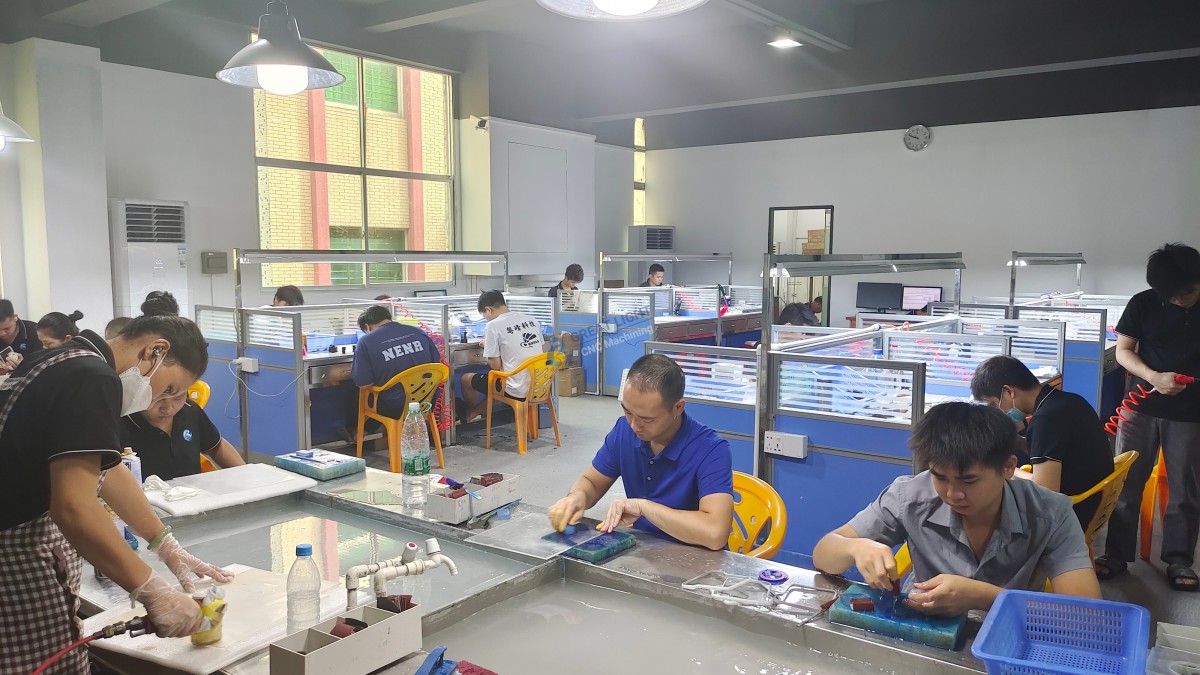
Comprehensive Quality Assurance: Precision is meaningless without verification. In-house metrology labs equipped with Coordinate Measuring Machines (CMM), optical comparators, and surface roughness testers are essential for ensuring every dimension meets the tightest tolerances (capable of holding ±0.001mm / 0.001 In and beyond).
Integrated Post-Processing & Finishing: Machining is often just the first step. A true one-stop service provider should offer a full spectrum of finishing options: anodizing (for corrosion resistance and color), powder coating, polishing, bead blasting, laser etching, and assembly. This streamlines your supply chain and ensures consistency.
Robust Quality Management Systems: Trust is built on systems, not promises. Certifications like ISO 9001:2015 for quality management, IATF 16949 for automotive, and ISO 13485 for medical devices provide an auditable framework that guarantees consistent processes and traceability.
Scalability and Flexibility: The provider should adeptly handle everything from rapid, low-volume prototyping to bridge production and full-scale manufacturing, adapting their workflow to your project’s stage and volume needs.
GreatLight CNC Machining Factory: Your Strategic Partner for Aluminum Excellence
In the competitive arena of precision manufacturing, GreatLight CNC Machining Factory has established itself as a leader in delivering comprehensive Custom CNC Machining Aluminum Parts Service. Founded in 2011 in Dongguan, China’s manufacturing heartland, the company has evolved from a local workshop into an internationally recognized partner by relentlessly focusing on technological advancement and client-centric solutions.
Core Capabilities That Set GreatLight Apart:
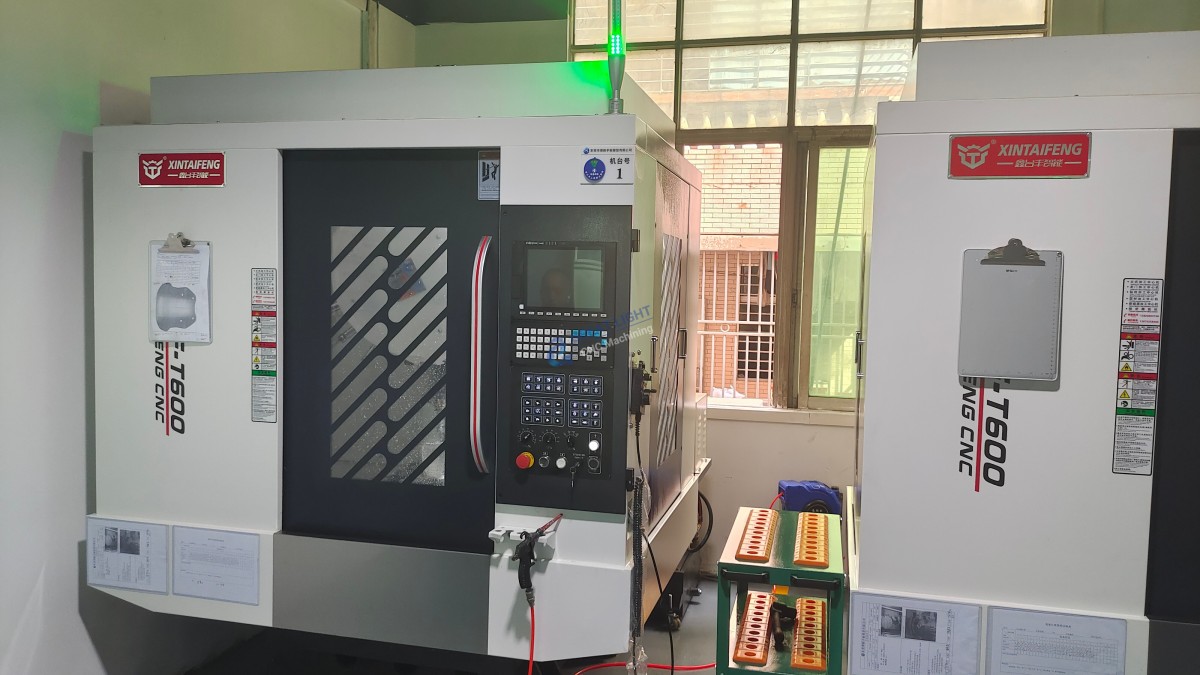
Advanced Manufacturing Arsenal: The factory houses a significant cluster of precision equipment, including high-precision 5-axis, 4-axis, and 3-axis CNC machining centers. This multi-axis capability is crucial for tackling the most complex aluminum geometries in a single, accurate setup. Complemented by turning centers, EDM, and grinding machines, they possess the flexibility to choose the most efficient process for any feature.
End-to-End Process Chain: GreatLight operates as a true integrated manufacturer. From initial CNC machining of your aluminum part, they can seamlessly manage subsequent processes like precision anodizing, painting, or assembly, delivering a finished, ready-to-use component.
Proven Expertise Across Industries: Their experience is not theoretical. They have successfully delivered complex aluminum solutions for sectors including:
Automotive & New Energy Vehicles: Manufacturing lightweight structural brackets, intricate housings for electronic control units (ECUs), and heat dissipation components.
Aerospace & Defense: Producing high-strength, low-weight fittings and prototypes that meet rigorous standards.
Robotics & Automation: Crafting precise actuator housings, robotic arm links, and sensor mounts from aluminum alloys like 7075 for optimal stiffness and weight.
High-End Consumer Electronics: Machining enclosures, heatsinks, and internal chassis with flawless aesthetics and tight tolerances.
A Foundation of Trust Through Certification: GreatLight’s commitment to quality is institutionalized. Their ISO 9001:2015 certified quality management system is the bedrock of their operations. For clients in regulated industries, their adherence to IATF 16949 (automotive) and ISO 13485 (medical) frameworks provides unparalleled confidence in part consistency and supply chain reliability.
Conclusion: Making the Informed Choice
The journey from an aluminum alloy billet to a mission-critical component is paved with technical decisions. A Custom CNC Machining Aluminum Parts Service is more than a vendor transaction; it is a partnership that directly impacts your product’s performance, time-to-market, and ultimate success. By prioritizing partners who combine advanced technological capabilities—especially in 5-axis CNC machining—with deep engineering support, rigorous quality systems, and full-service integration, you secure not just parts, but a competitive advantage.
For projects demanding the highest levels of precision, complexity, and reliability in aluminum, engaging with an experienced and certified manufacturer like GreatLight CNC Machining Factory provides the assurance that your designs will be realized with expertise and excellence, from prototype through production. To explore how such a partnership can accelerate your next project, consider connecting with industry leaders on professional networks like LinkedIn.



















