

What Is A CNC Cutting Machine?
In the realm of modern manufacturing, CNC (Computer Numerical Control) cutting machines have become indispensable tools. These machines use computer-controlled systems to automate the cutting process, offering unparalleled precision and efficiency. Let’s delve deeper into what a CNC cutting machine is and its significance in the manufacturing industry.
Basic Definition
A CNC cutting machine is a type of automated machinery that utilizes computer programs to control the movement of cutting tools. These machines can perform a variety of cutting operations, including laser cutting, plasma cutting, waterjet cutting, and milling. The key advantage of CNC cutting machines is their ability to precisely control the cutting path, ensuring consistent quality and reducing the risk of human error.
Key Components
CNC Controller: This is the brain of the machine, responsible for interpreting the computer program and controlling the movements of the cutting tools.
Cutting Tools: Depending on the type of cutting operation, these can include lasers, plasma torches, waterjets, or milling tools.
Workpiece Holding Device: This could be a vise, clamps, or vacuum tables, depending on the material and cutting method.
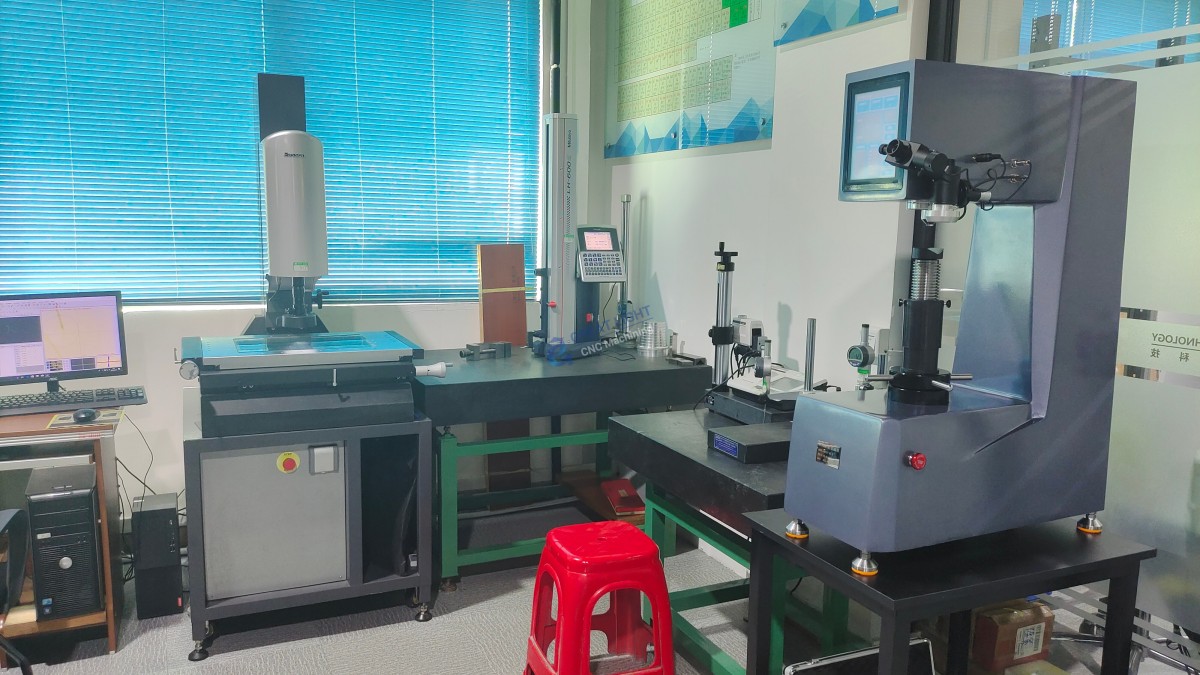
Measurement Systems: These ensure that the cutting process stays within the required tolerances, often using sensors and cameras.
Types of CNC Cutting Machines
Laser Cutters: Utilize a high-energy laser beam to cut through materials. They are ideal for precision cutting in metals, plastics, and wood.
Plasma Cutters: Use superheated plasma to cut through conductive materials like steel. They are known for their speed and efficiency.
Waterjet Cutters: Employ a high-pressure jet of water, sometimes mixed with an abrasive, to cut through a variety of materials. They are particularly useful for materials that cannot withstand high temperatures.
CNC Milling Machines: Use rotating cutting tools to remove material from the workpiece. They are versatile and can be used for a wide range of materials and applications.

Advantages of CNC Cutting Machines
Precision: CNC machines can achieve incredibly tight tolerances, making them ideal for high-precision applications.
Efficiency: Automated processes reduce the need for manual intervention, increasing production speed and efficiency.
Consistency: The use of computer programs ensures that each cut is identical, reducing variability and improving product quality.
Flexibility: CNC machines can be easily programmed to switch between different cutting tasks, making them adaptable to various production needs.
Applications
CNC cutting machines are widely used in various industries, including:
Automotive: For manufacturing precision components and custom parts.
Aerospace: For cutting complex shapes in lightweight materials.
Medical: For producing precise medical devices and instruments.
Construction: For fabricating structural elements and custom components.
Conclusion
CNC cutting machines represent a significant advancement in manufacturing technology, offering unparalleled precision, efficiency, and flexibility. For industries that require high-precision cutting, investing in a CNC cutting machine can significantly enhance productivity and product quality.
FAQ
Q: What materials can CNC cutting machines work with?
A: CNC cutting machines can work with a wide range of materials, including metals (such as steel, aluminum, and titanium), plastics, wood, glass, and composites.
Q: How does a CNC cutting machine work?
A: A CNC cutting machine uses computer programs to control the movement of cutting tools. The machine interprets the program and moves the cutting tool along a predetermined path to cut the workpiece.
Q: Are CNC cutting machines expensive to operate?
A: While the initial investment in a CNC cutting machine can be high, they are generally cost-effective in the long run due to their efficiency and reduced need for manual labor.
Q: Can I operate a CNC cutting machine without specialized training?
A: It is highly recommended to receive specialized training before operating a CNC cutting machine. Proper training ensures safety and optimal performance of the machine.
Q: What maintenance is required for a CNC cutting machine?
A: Regular maintenance includes checking and replacing worn parts, cleaning the machine, updating software, and performing calibration checks to ensure ongoing precision and reliability.
By understanding what a CNC cutting machine is and its capabilities, businesses can make informed decisions about integrating this technology into their manufacturing processes. For high-precision and efficient cutting solutions, consider partnering with a reputable manufacturer like GreatLight CNC Machining Factory.
For more information, visit GreatLight CNC Machining Factory or learn more about our company on LinkedIn.



















