
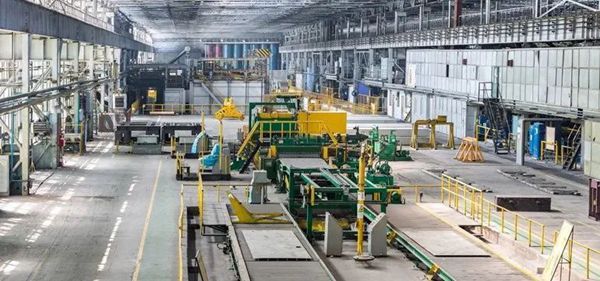
3DPrinting is very good at prototyping and can produce product prototypes in a short time that can be used for high-volume manufacturing, which typically uses traditional production methods.3DPrint product prototypes for reproduction. at the same time,3DPrinting is also ideal for creating tools and accessories suitable for high-speed, high-volume manufacturing.
3DCould printing be a wise choice for manufacturing and producing finished products?
As equipment technology becomes more and more sophisticated,3DPrinting is now also suitable for small volume manufacturing. Generally speaking, companies rarely use3DPrinting and additive manufacturing enable large-scale, high-volume manufacturing. When we need to produce parts in large quantities, we usually prioritize utilizationCNCprocessing, metal forming equipment, blow molds and injection molds.
But now, many companies are also forced to produce certain parts in small series. For example, a luxury or custom automobile manufacturer may need to produce small quantities of replacement parts as replacement parts. The demand for these spare parts is generally low and it is not practical to invest in a large-scale production line suitable for high volume manufacturing. This is where additive manufacturing comes into play and can be used effectively in small batch production. Let’s take a look at using augmentation in small batch productionMade of materials5Big advantages:
1. Save on material usage costs
When you use additive manufacturing to produce low-volume parts, in many cases you can produce them on-demand as soon as you receive the order, so you can properly match supply and demand. If you need to produce a batch of parts for inventory, but demand is not high, use3DThe cost of printing materials will be significantly lower than using traditional metal materials. Therefore, if you need to manufacture certain necessary parts in small batches, additive manufacturing is undoubtedly a more streamlined production method. By reducing excess inventory, a company’s production costs are reduced. Additionally, using additive manufacturing can save even more material costs. When demand is low and inconsistent, additive manufacturing can produce finished products in ordered quantities with high efficiency.
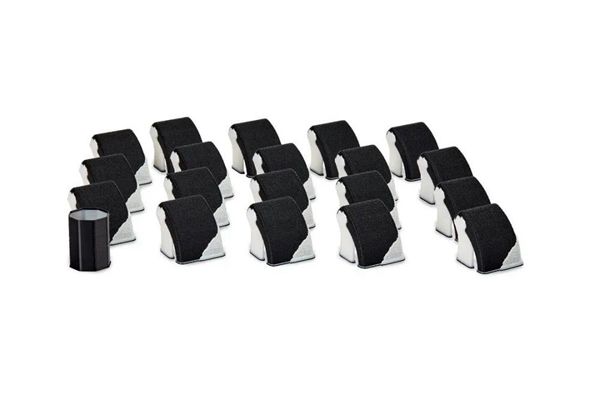
2. Optimize the product launch process
Because designs are easier to modify, the use of additive manufacturing can effectively reduce the overall time to market for a product.
In traditional high-volume production, it often takes multiple trials of a design to perfect tools that can ultimately be used in large-scale production. During this process, designers have to modify the design repeatedly to accommodate larger batch manufacturing needs, which is a very time-consuming and laborious task.
In small batch production, additive manufacturing can effectively reduce design and production time, and the overall production cost is reduced.
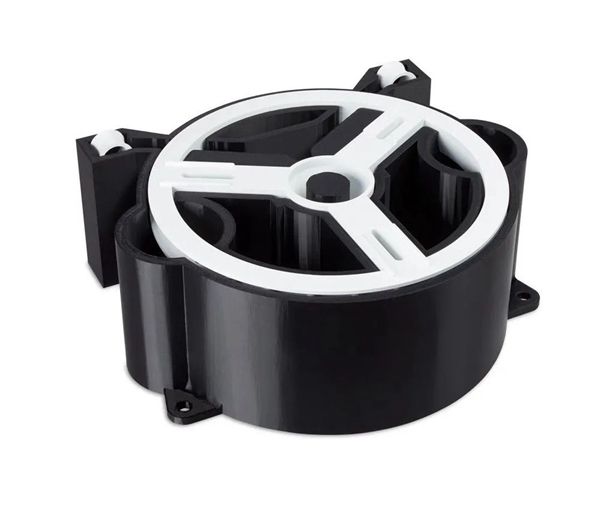
3. Reduce tool creation time
In low-volume production, additive manufacturing can be applied to many types of tool creation.
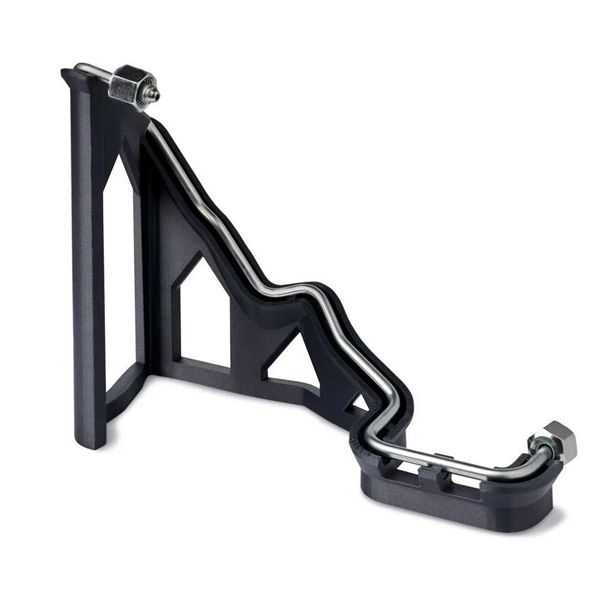
Producing tools using traditional manufacturing processes can be a real headache, and sourcing or creating tools to meet the needs of low-volume, large-scale production is often costly and takes time. With additive manufacturing, you can choose the right3DPrinting device creation tools that dramatically reduce manufacturing costs.
4. Improve design iteration speed
When we think of mass production through traditional manufacturing processes, we often think of tedious and time-consuming design iterations. Designers must repeatedly try different designs before finally arriving at a design suitable for mass production.
to use3DThis does not occur when printing for small batch production. Because production trial and error is efficient, designs can be adjusted and verified more quickly. In some cases, it may also be possible to do one-off prototyping without the need for iterations.
Designers can focus on other priorities, shorten time to market, reduce costs and fulfill orders faster.

5. Reduce overall production costs
If your business purchases mature products3DThe printing equipment and then the production can be carried out directly in-house. But you can also choose to outsource when necessary. Businesses can choose more efficient and less expensive production methods based on economic benefits.
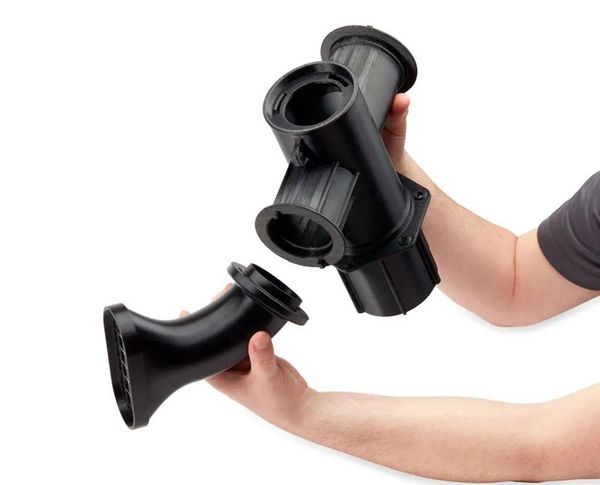
In summary, using additive manufacturing for small batch production has the following advantages:
Excellent time efficiency:
Usage usually only takes a few daysCNCor other traditional manufacturing equipment usually takes several months;
Low material cost:
Use only the equipment you need;
Rapid iteration:
Effectively shorten the overall design iteration and product delivery process;
High degree of freedom:
You can flexibly choose to produce in-house or outsource depending on your needs.
In other words, for small batch production,3DIt can be said that printing is fast and economical, and it is undoubtedly a wise choice.
Source: 3D Printing Network
Daguang focuses on providing solutions such as precision CNC machining services (3-axis, 4-axis, 5-axis machining), CNC milling, 3D printing and rapid prototyping services.



















