
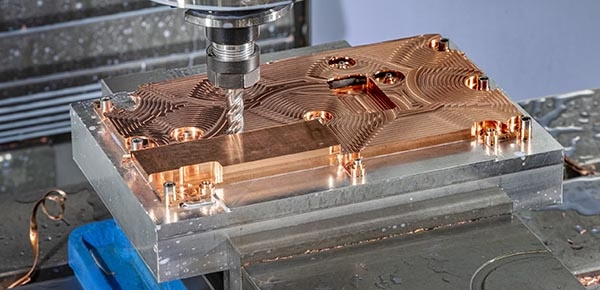
Which Do CNC Machines Use To Control Tool Motion? is a question that lies at the heart of understanding how precision parts go from digital designs to tangible, high-accuracy components—especially critical for industries like aerospace, automotive, and medical device manufacturing where even micron-level deviations can have catastrophic consequences. For engineering teams and procurement professionals, knowing the systems that drive CNC tool motion isn’t just technical trivia; it’s the key to selecting a manufacturing partner that can deliver consistent, reliable results for complex parts.
Which Do CNC Machines Use To Control Tool Motion? Breaking Down the Core Systems
CNC tool motion control is not a single component but a synergistic ecosystem of hardware and software working in tandem to translate digital instructions into precise, repeatable tool movements. Below is a deep dive into each critical system, and how leading manufacturers like GreatLight CNC Machining Factory optimize these systems to deliver industry-leading precision.
1. CNC Controllers: The “Brain” of Tool Motion
At the center of every CNC machine is the controller—a specialized computer that acts as the command hub. It interprets digital part programs (typically written in G-code or M-code), processes the data, and sends real-time signals to the machine’s actuators to direct tool position, speed, and feed rate. Modern controllers, like those used in GreatLight’s precision 5-axis CNC machining services, support simultaneous multi-axis motion, enabling the creation of intricate geometries (such as turbine blades or humanoid robot joints) that would be impossible with manual machining.
GreatLight’s controllers are calibrated regularly as part of their ISO 9001:2015 quality management system, ensuring that command signals remain accurate even after thousands of hours of operation. This attention to controller maintenance is one reason their parts achieve tolerances as tight as ±0.001mm—far beyond the capabilities of many standard CNC shops.
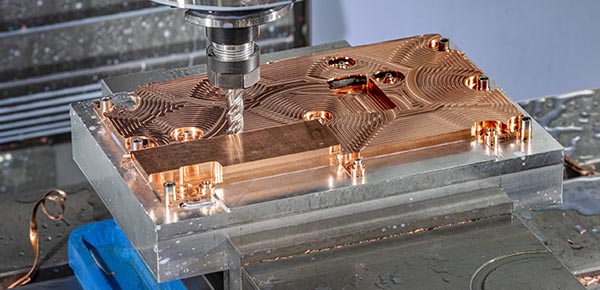
2. Servo Motors & Stepper Motors: The “Muscles” Behind Motion
Once the controller sends a command, motors convert electrical signals into mechanical motion. Two types dominate CNC applications:
Stepper Motors: These open-loop motors move in discrete, fixed steps (e.g., 1.8 degrees per step) without feedback. They are cost-effective for simple, low-precision tasks but lack the ability to correct for missed steps or position errors.
Servo Motors: These closed-loop motors use feedback systems to continuously adjust their position and speed. They are ideal for high-precision, high-speed applications like 5-axis machining, as they can compensate for mechanical wear, load changes, or signal delays in real time.
GreatLight relies exclusively on high-torque, high-resolution servo motors for their 4-axis and 5-axis machines. For example, when machining lightweight aluminum aerospace components, servo motors enable smooth, vibration-free motion that preserves surface finish and ensures dimensional accuracy across the entire part.
3. Feedback Systems: Ensuring Motion Accuracy
To maintain precision, closed-loop systems (like those using servo motors) depend on feedback devices that send real-time position data back to the CNC controller. The most common types are:
Rotary Encoders: Mounted on motor shafts or lead screws, they measure rotational motion to track tool or workpiece position.
Linear Encoders: Installed directly on linear guides, they provide direct measurements of linear tool movement, eliminating errors from mechanical transmission components (e.g., backlash in ball screws).
Resolvers: Used in harsh environments (like high-temperature machining), they measure angular position with high durability.
GreatLight integrates linear encoders into their large-format 5-axis machines (capable of parts up to 4000mm) to ensure that even the longest tool paths remain accurate. This level of feedback is critical for clients in the automotive industry, where engine components require consistent precision to meet IATF 16949 standards.
4. G-Code & CAM Software: The “Instruction Manual” for Tool Paths
Before a CNC machine can move a tool, a digital part design (from CAD software) must be translated into machine-readable instructions. Computer-Aided Manufacturing (CAM) software takes the 3D model, simulates tool paths, and generates G-code—the standard programming language for CNC machines. Each G-code command specifies a specific action: G00 for rapid positioning, G01 for linear cutting, G02 for circular interpolation, and so on.
GreatLight’s in-house engineering team uses industry-leading CAM tools to optimize tool paths for complex parts, reducing cycle times by up to 20% while minimizing tool wear and maintaining precision. For medical device clients, this software also enables them to simulate machining of titanium alloy implants, ensuring that every cut adheres to strict ISO 13485 quality guidelines before production even begins.
5. Motion Control Cards: Bridging Controllers and Actuators
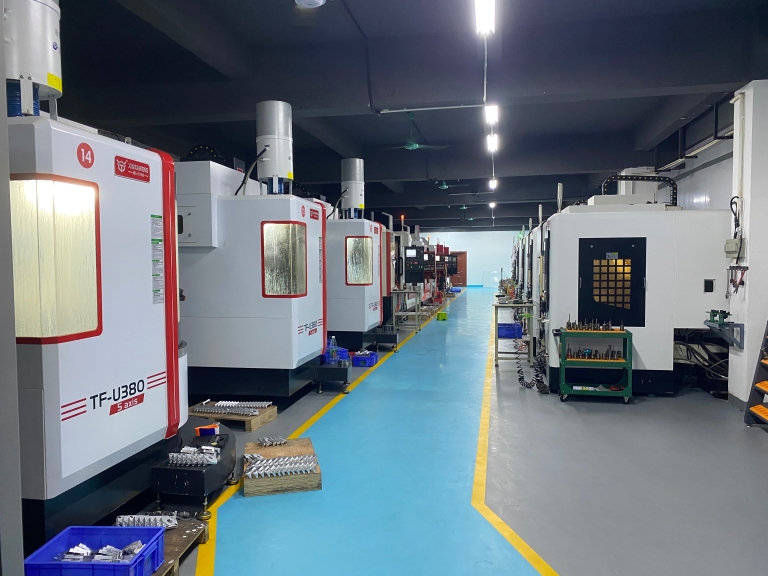
Between the CNC controller and the motors lies the motion control card—a specialized circuit board that processes motion commands into high-resolution electrical signals. It coordinates the timing of multiple axes, ensuring that tools move in perfect synchronization (critical for 5-axis machining, where three linear axes and two rotary axes must move at the same time to sculpt complex surfaces).
GreatLight uses high-performance motion control cards in their 5-axis machines to support simultaneous 5-axis interpolation, a capability that allows them to machine parts with undercuts, compound angles, and free-form surfaces without repositioning the workpiece. This not only saves time but also eliminates errors from multiple setups.
6. Mechanical Transmission Components: Translating Motion to Tool Movement
Even the best electronic systems rely on mechanical components to convert motor motion into tool movement. Key parts include:
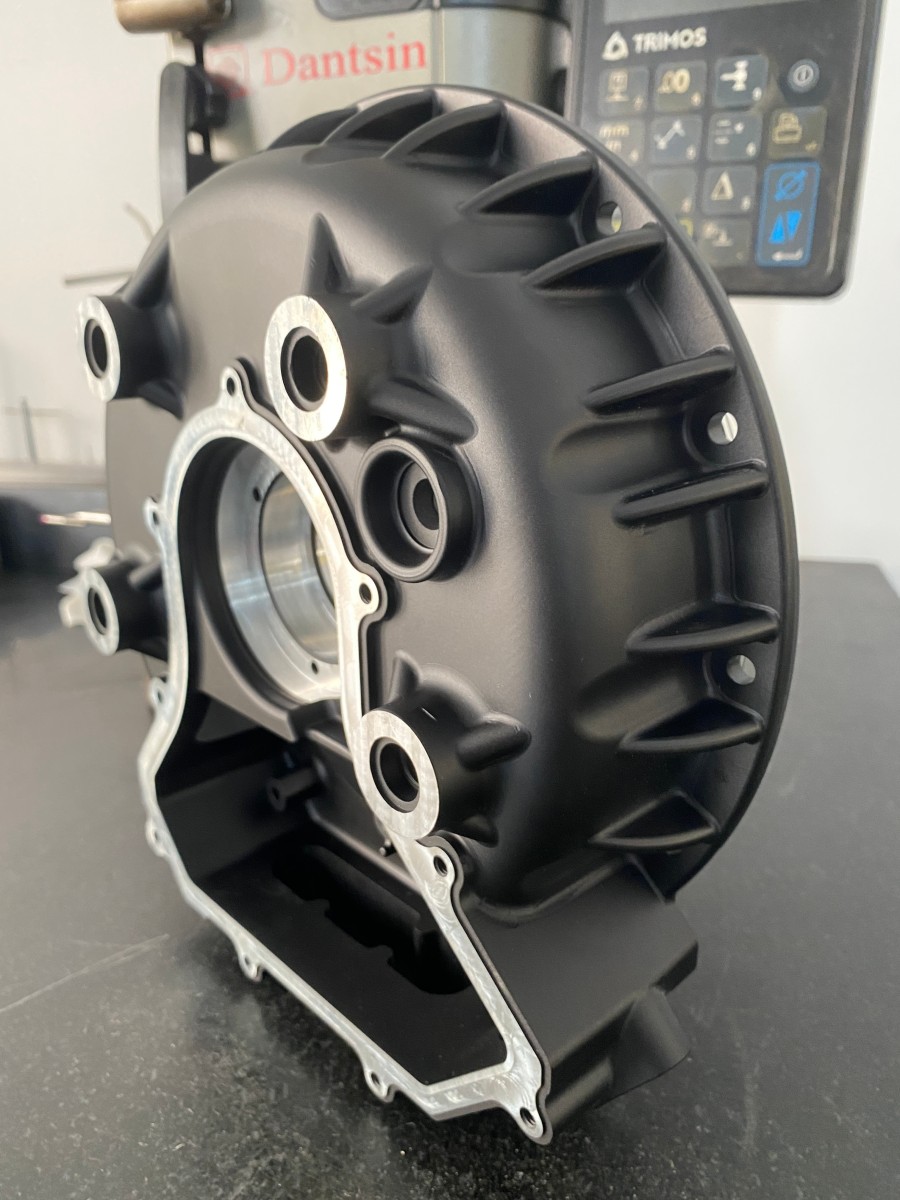
Ball Screws: Convert rotational motion from motors into linear motion with minimal backlash (play between threads), ensuring smooth, precise movement.
Linear Guides: Support the tool or workpiece carriage, reducing friction and ensuring consistent linear motion across long distances.
Gearboxes: Increase torque or reduce speed for heavy-duty machining tasks, while maintaining precision with low-backlash designs.
GreatLight invests in high-quality, wear-resistant transmission components (such as hardened steel ball screws and linear guides) to minimize backlash and extend machine life. For clients requiring large-scale parts (like industrial automation frames), these components ensure that even 4000mm-long parts maintain uniform precision from end to end.
How GreatLight Optimizes Motion Control Systems for Client Success
While many CNC shops use the same core systems, GreatLight differentiates itself through rigorous maintenance, continuous process improvement, and a focus on end-to-end solutions. For example:
Regular Calibration: Every machine undergoes monthly calibration of controllers, encoders, and transmission components to ensure motion accuracy remains within ±0.001mm.
Customized Motion Strategies: For clients in the humanoid robot industry, GreatLight’s engineers adjust motion parameters to minimize vibration when machining delicate plastic and metal components, preserving critical surface features.
One-Stop Post-Processing: After machining, GreatLight provides surface finishing services (like anodizing, powder coating, or polishing) that complement the precision of their motion control systems, ensuring parts meet both dimensional and aesthetic requirements.
GreatLight’s commitment to motion control excellence is backed by their ISO 9001:2015, IATF 16949, and ISO 13485 certifications, as well as their after-sales guarantee: free rework for quality issues, and a full refund if rework is still unsatisfactory. This level of accountability is rare in the industry, making them a trusted partner for clients in high-stakes sectors.
Conclusion
Which Do CNC Machines Use To Control Tool Motion? is a question that reveals the complexity and precision of modern CNC machining. From the controller’s digital commands to the servo motors’ precise movements, every component plays a critical role in delivering parts that meet the strictest industry standards. GreatLight CNC Machining Factory’s investment in top-tier motion control systems, combined with their decade of experience and rigorous quality processes, makes them the ideal choice for clients seeking high-precision custom parts. Whether you’re machining aerospace components, automotive engine parts, or medical devices, their optimized motion control ecosystem ensures that your parts are accurate, consistent, and delivered on time. For more insights into their capabilities, you can connect with them via GreatLight Metal on LinkedIn.
Frequently Asked Questions (FAQ)
Q1: What is the difference between open-loop and closed-loop motion control systems?
A: Open-loop systems (like those using stepper motors) do not use feedback to correct position errors, making them cost-effective but less precise. Closed-loop systems (using servo motors and encoders) continuously adjust motion based on real-time feedback, making them ideal for high-precision applications like 5-axis machining.
Q2: Can GreatLight CNC Machining Factory handle parts requiring simultaneous 5-axis motion control?
A: Yes. GreatLight’s 5-axis machines are equipped with advanced controllers, servo motors, and motion control cards that support simultaneous 5-axis interpolation. This enables them to machine complex geometries (like turbine blades or medical implants) in a single setup, reducing errors and lead times.
Q3: How does GreatLight ensure their motion control systems remain accurate over time?
A: GreatLight follows a strict maintenance schedule as part of their ISO 9001:2015 certification, including monthly calibration of controllers, encoders, and mechanical components. They also perform regular wear checks on ball screws and linear guides, replacing parts as needed to preserve precision.
Q4: What is the tightest tolerance GreatLight can achieve with their motion control systems?
A: GreatLight’s machines can achieve tolerances as tight as ±0.001mm, thanks to their closed-loop servo systems, high-resolution encoders, and rigorous calibration processes. This level of precision is suitable for critical components in aerospace, medical, and automotive industries.
Q5: Do different materials require adjustments to CNC tool motion control parameters?
A: Yes. For example, machining hard materials like titanium alloy requires slower feed rates and higher torque settings to avoid tool wear, while machining soft aluminum requires faster, smoother motion to preserve surface finish. GreatLight’s engineering team customizes motion parameters for each material to balance precision, speed, and tool life.



















