
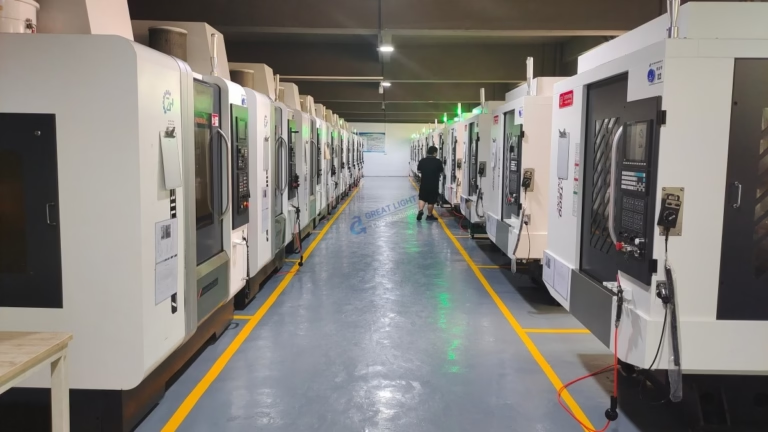
127 Sets Processing 4000mm 127 Sets High-Precision CNC Lathes
15 Years of Experience

Who Make First CNC Machine?

Who Made the First CNC Machine? is a question that takes us back to the dawn of digital manufacturing, a pivotal moment that transformed precision machining from a manual, error-prone craft into the automated, high-precision industry we know today. For engineers, procurement teams, and innovation leaders, understanding this origin story isn’t just a lesson in […]

Who Made the First CNC Machine? is a question that takes us back to the dawn of digital manufacturing, a pivotal moment that transformed precision machining from a manual, error-prone craft into the automated, high-precision industry we know today. For engineers, procurement teams, and innovation leaders, understanding this origin story isn’t just a lesson in history—it’s a window into how machining has evolved to meet the demands of modern industries, from aerospace to medical devices, and why partners like GreatLight CNC Machining Factory are critical to turning complex designs into tangible, high-quality parts.

Who Made the First CNC Machine? Unpacking the Origins of Digital Machining

The first numerical control (NC) machine— the predecessor to CNC (computer numerical control)—wasn’t the work of a single inventor, but a collaborative effort between a private engineering firm and a leading university, driven by the urgent needs of the U.S. military in the post-WWII era.

The Parsons Corporation: Pioneering Numerical Control Concepts

In the late 1940s, John Parsons, founder of the Parsons Corporation in Michigan, was tasked with manufacturing complex helicopter rotor blades and aircraft turbine components for the U.S. Air Force. Manual milling of these parts was slow, inconsistent, and unable to meet the strict precision requirements of aerospace engineering. Parsons had a revolutionary idea: instead of relying on human operators to guide cutting tools, he proposed using punch cards (similar to those used in early computers) to encode machining instructions, enabling automated, repeatable cuts. His team developed a system where mathematical coordinates of the part’s geometry were translated into punch card signals, which then controlled the movement of the milling machine.

MIT’s Role in Bringing NC to Life

While Parsons laid the conceptual groundwork, the first functional NC machine was built in collaboration with the Massachusetts Institute of Technology (MIT)’s Servomechanisms Laboratory. In 1952, the team unveiled a modified vertical milling machine that used servo motors to control the movement of the cutting tool along three axes (X, Y, Z). This machine could follow the punch card instructions with unprecedented accuracy, reducing human error and enabling the production of complex, curved parts that were previously impossible to manufacture consistently. Though it was still an NC machine (not yet CNC, as computers hadn’t been miniaturized for industrial use), this prototype marked the birth of automated precision machining.

From NC to CNC: The Next Evolution

The shift from NC to CNC came in the 1960s and 1970s, as minicomputers became affordable and compact enough to integrate directly into machine tools. Unlike NC machines, which relied on static punch cards, CNC machines used stored computer programs to control machining operations. This allowed for on-the-fly edits to tool paths, more complex multi-axis movements, and far greater flexibility in producing custom parts. By the 1980s, CNC machines had become standard in manufacturing, and today, they are the backbone of precision machining across every industry.
图片

The Legacy of the First CNC Machine: Modern Precision Machining at GreatLight CNC

Seventy years after the first NC machine was built, the industry has come a long way. Today’s CNC machines—especially five-axis systems—can produce parts with micron-level precision, handle a vast range of materials, and automate complex operations that would take manual machinists weeks to complete. GreatLight CNC Machining Factory is at the forefront of this evolution, leveraging decades of industry progress to deliver high-quality, custom machining services to global clients.

GreatLight CNC: Building on 70+ Years of Machining Innovation

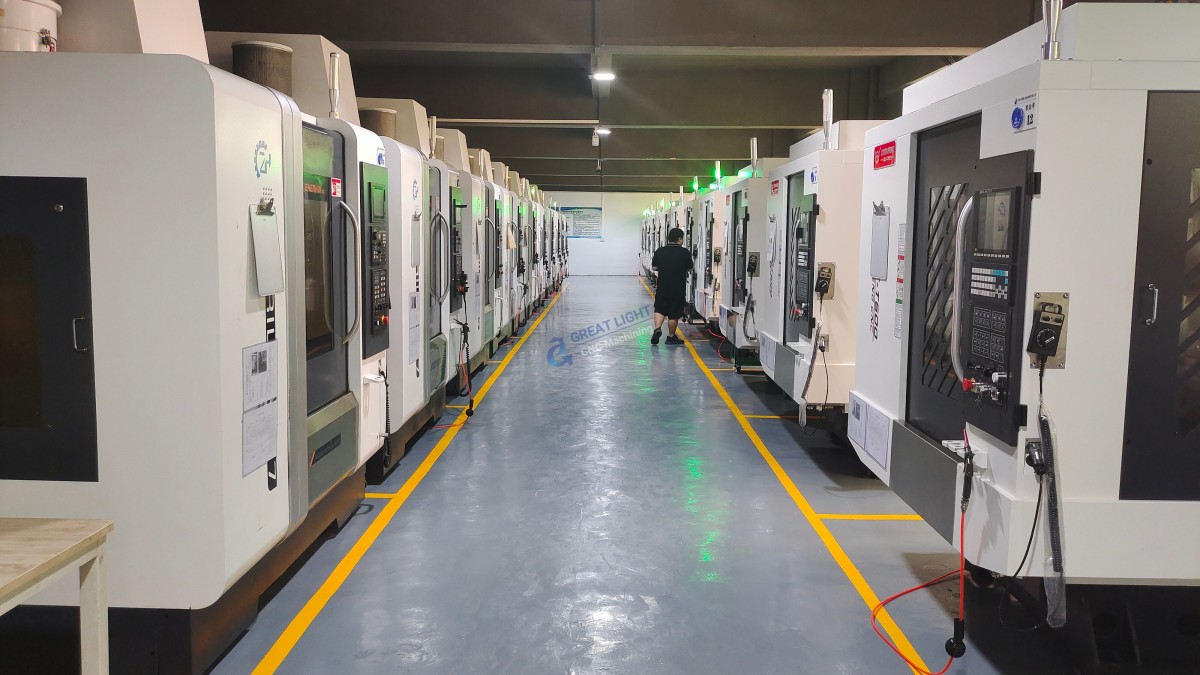
Founded in 2011 and located in Chang’an District, Dongguan City—China’s “Capital of Precision Hardware Mold Processing”—GreatLight CNC operates three wholly-owned manufacturing plants spanning 7600 square meters, with a team of 150 skilled employees and 127 pieces of precision equipment. The factory’s portfolio includes large high-precision three-axis, four-axis, and five-axis CNC machining services (opening in new window), alongside lathes, milling machines, EDM machines, and multiple 3D printers (SLM, SLA, SLS) for rapid prototyping. This comprehensive setup allows GreatLight to offer one-stop solutions from design to post-processing, addressing every stage of a part’s production cycle.

Advanced CNC Capabilities: From Prototyping to Mass Production

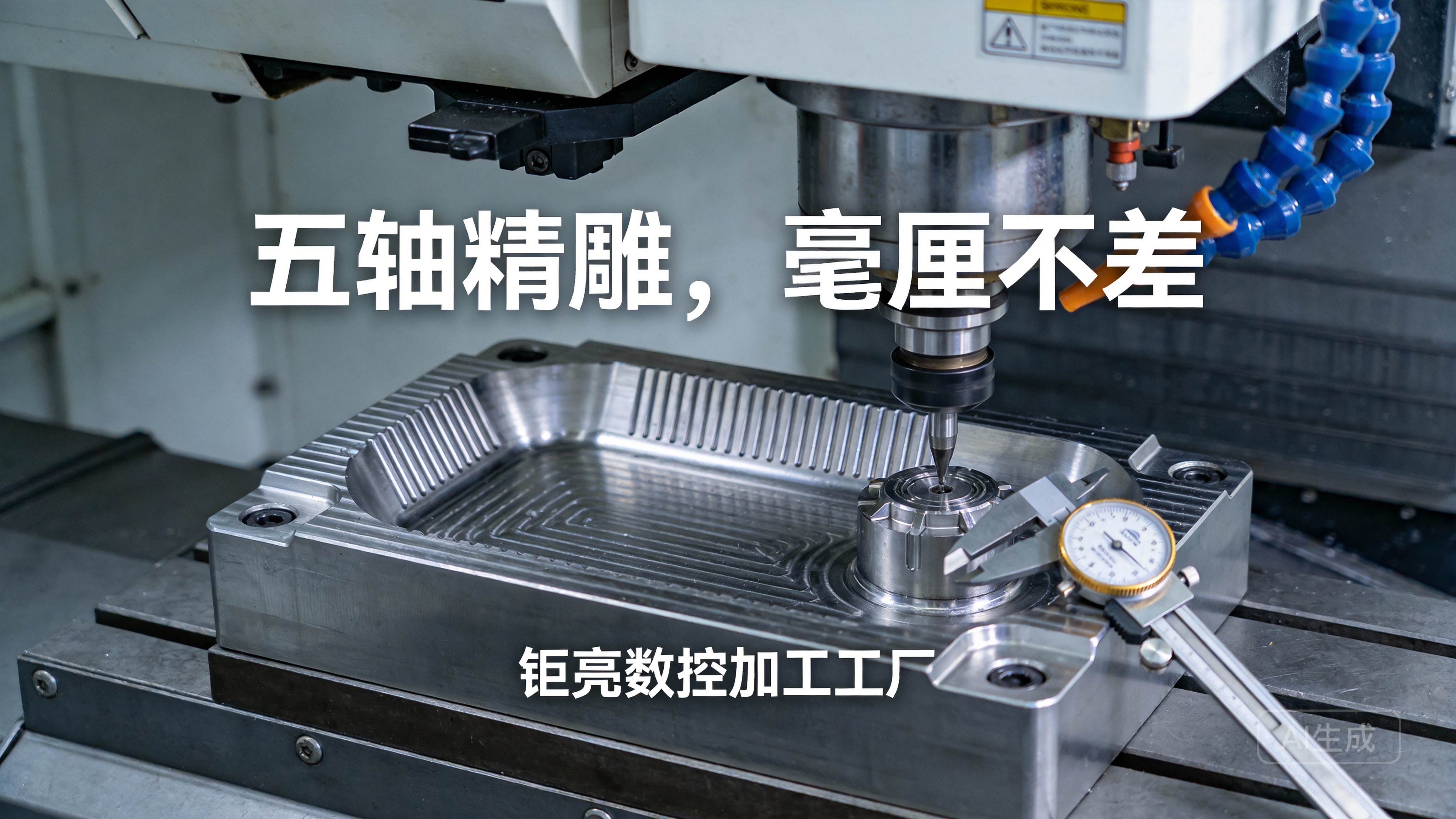
Unlike the first NC machine, which was limited to three-axis movements and basic geometries, GreatLight’s five-axis CNC machines can rotate the cutting tool and part simultaneously, enabling the production of highly complex parts in a single setup. This reduces lead times, minimizes errors from repositioning, and opens up design possibilities for industries like automotive engine components, humanoid robot parts, and aerospace hardware. GreatLight’s precision capabilities are unmatched: the factory can achieve tolerances of ±0.001mm (0.001 inches) or better, with a maximum processing size of 4000mm—far exceeding the limits of early CNC systems.

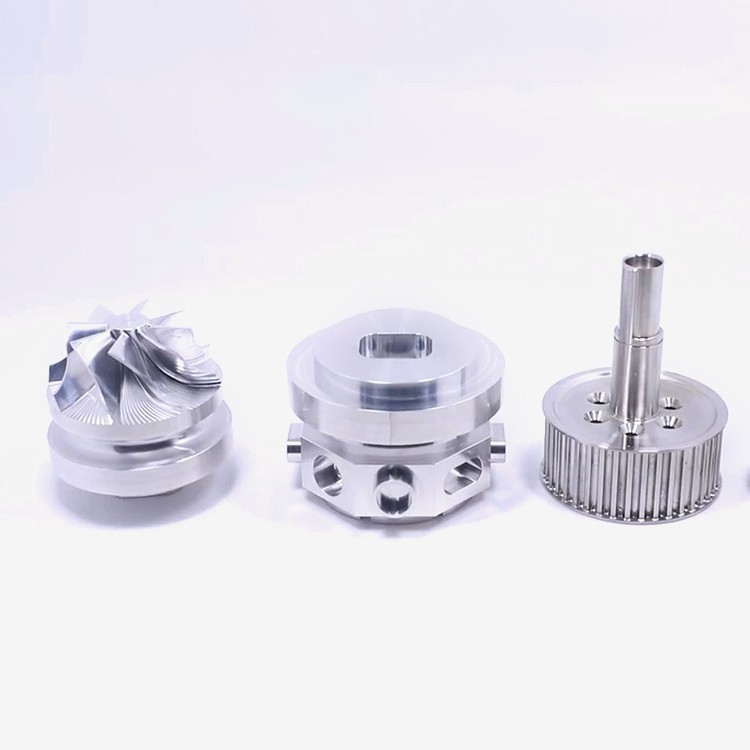
The factory also offers a wide range of complementary services, including:
图片

CNC milling and turning
Die casting and mold manufacturing
Vacuum casting customization
Sheet metal processing
Metal 3D printing (stainless steel, aluminum alloy, titanium alloy, mold steel)
One-stop surface post-processing (anodizing, powder coating, polishing, plating, and more)

Certifications and Quality Assurance: Upholding the Highest Standards

GreatLight CNC’s commitment to quality aligns with the legacy of precision that began with the first NC machine. The factory is ISO 9001:2015 certified, ensuring strict adherence to international quality management standards. It also holds specialized certifications for sensitive industries:
图片

ISO 27001: For data security, critical for protecting clients’ intellectual property and design files
ISO 13485: Compliance with medical device manufacturing regulations, ensuring parts meet the strict safety standards of the healthcare industry
IATF 16949: Certification for automotive and engine hardware component production, streamlining processes and reducing waste in the automotive supply chain

These certifications are not just paper qualifications—GreatLight’s in-house precision measurement and testing equipment, including coordinate measuring machines (CMMs) and optical scanners, verify that every part meets client specifications before shipment. The factory also offers a robust after-sales guarantee: free rework for quality problems, with a full refund if rework still doesn’t meet client expectations.

Real-World Solutions: GreatLight CNC’s Client Success Stories

GreatLight’s expertise shines in solving complex manufacturing challenges across industries. For example:

New Energy Vehicle (NEV) E-Housing: A leading NEV manufacturer needed a lightweight, high-precision aluminum e-housing with intricate cooling channels. GreatLight used five-axis CNC machining to produce the part in a single setup, reducing production time by 30% and ensuring the cooling channels met tight tolerance requirements to optimize battery performance.
Medical Surgical Instruments: A medical device client required custom titanium surgical forceps with a smooth, sterile surface finish. GreatLight’s ISO 13485-certified process ensured the parts met biocompatibility standards, while post-processing (electropolishing) delivered the required sterile surface.
Humanoid Robot Joints: A robotics startup needed complex, high-strength aluminum joints that could withstand repeated movement without wear. GreatLight’s five-axis machining capabilities enabled the production of the joint’s curved surfaces and internal gears with micron-level precision, ensuring smooth, reliable operation.

Conclusion

Who Made the First CNC Machine? is a question that connects the pioneers of digital manufacturing to the modern leaders driving innovation today. The Parsons-MIT collaboration laid the groundwork for an industry that now powers everything from aerospace to healthcare, and GreatLight CNC Machining Factory carries that legacy forward with advanced technology, rigorous quality standards, and a commitment to solving clients’ most pressing machining challenges. Whether you need a single prototype or a large batch of high-precision parts, GreatLight’s one-stop services and decades of expertise make it the ideal partner for turning your designs into reality.

Frequently Asked Questions (FAQ)

How does modern CNC differ from the first NC machine?

The first NC machine used punch cards to store static machining instructions, limited to three-axis movement, and had relatively basic precision. Modern CNC machines use stored computer programs, support multi-axis (up to five or more) movements, offer real-time adjustments to tool paths, and can achieve micron-level precision. They also integrate with CAD/CAM software directly, enabling seamless translation of digital designs into physical parts.

What materials can GreatLight CNC machine?

GreatLight can machine almost all metals and plastics, including aluminum alloy, stainless steel, titanium alloy, mold steel, copper, ABS, PC, PMMA, and more. The factory also offers metal 3D printing for specialized materials like titanium and mold steel.

What is the maximum precision GreatLight can achieve?

GreatLight’s CNC machines can achieve tolerances of ±0.001mm (0.001 inches) or better, making it suitable for ultra-high-precision applications in aerospace, medical, and automotive industries.

Does GreatLight offer post-processing services?

Yes, GreatLight provides one-stop surface post-processing services, including anodizing, powder coating, polishing, electroplating, sandblasting, laser engraving, and more. This eliminates the need for clients to coordinate with multiple vendors for finishing work.

What industries does GreatLight serve?

GreatLight specializes in serving high-tech industries, including automotive (engine components, NEV parts), medical devices, aerospace, industrial automation, humanoid robots, high-end consumer electronics, and more.

What happens if there are quality issues with my parts?

GreatLight offers a comprehensive after-sales guarantee: if parts fail to meet agreed-upon quality standards, the factory will provide free rework. If rework still doesn’t satisfy the client, a full refund is available.

Where can I learn more about GreatLight CNC’s capabilities?

For more information about case studies, services, and expertise, you can visit GreatLight CNC Machining Factory (opening in new window), where you’ll find insights into its projects and industry partnerships.


CNC Experts

Picture of JinShui Chen

JinShui Chen

Rapid Prototyping & Rapid Manufacturing Expert

Specialize in CNC machining, 3D printing, urethane casting, rapid tooling, injection molding, metal casting, sheet metal and extrusion

CNC Recent Posts

CNC News

Welcome to GreatLight Metal,Maximum Processing Size 4,000 mm

Precision Machining CNC Quote Online

Loading file

Upload Click here to upload or drag and drop your model to the canvas.

The model is too large and has been resized to fit in the printer's build tray. [Hide]

The model is too large to fit in the printer's build tray. [Hide]

The model is too large, a fitting printer is selected. [Hide]

The model is too small and has been upscaled. [Hide]

Warning: The selected printer can not print in full color [Hide]

Warning: obj models with multiple meshes are not yet supported [Hide]

Warning: Unsupported DXF entity  [Hide]

Warning: could not arrange models [Hide]


File Unit:      
Scale:
%
L × W × H:
X: × Y: × Z:  cm 
Rotation:
X: ° Y: °  
⚡ Instant Quote for Precision Manufacturing

Submit your design files (STEP/IGES/DWG) and receive a competitive quote within 1 hour, backed by ISO 9001-certified quality assurance.

📋 How It Works

  1. Upload & SpecifyShare your 3D model and select materials (Aluminum/Stainless Steel/Titanium/PEEK), tolerances (±0.002mm), and surface treatments.

  2. AI-Powered AnalysisOur system calculates optimal machining strategy and cost based on 10+ years of automotive/aerospace data.

  3. Review & ConfirmGet a detailed breakdown including:
    - Volume pricing tiers (1-10,000+ units)
    - Lead time (3-7 days standard)
    - DFM feedback for cost optimization

Unit Price: 

Loading price
5 Axis CNC Machining Equipment
4 Axis CNC Machining Equipment
3 Axis CNC Machining Equipment
CNC Milling & Turning Equipment
Prototype and Short-Run Injection Moldings Exact plastic material as final design
Volume Metal Die Casting Services - Precision Cast Parts
Bridge the Gap From Prototype to Production – Global delivery in 10 days or less
Custom high-precision sheet metal prototypes and parts, as fast as 5 days.
Custom Online 3D Printing Services
Design Best Processing Method According To 3D Drawings
Alloys Aluminum 6061, 6061-T6 Aluminum 2024 Aluminum 5052 Aluminum 5083 Aluminum 6063 Aluminum 6082 Aluminum 7075, 7075-T6 Aluminum ADC12 (A380)
Alloys Brass C27400 Brass C28000 Brass C36000
Alloys Stainless Steel SUS201 Stainless Steel SUS303 Stainless Steel SUS 304 Stainless Steel SUS316 Stainless Steel SUS316L Stainless Steel SUS420 Stainless Steel SUS430 Stainless Steel SUS431 Stainless Steel SUS440C Stainless Steel SUS630/17-4PH Stainless Steel AISI 304
Inconel718
Carbon Fiber
Tool Steel
Mold Steel
Alloys Titanium Alloy TA1 Titanium Alloy TA2 Titanium Alloy TC4/Ti-6Al 4V
Alloys Steel 1018, 1020, 1025, 1045, 1215, 4130, 4140, 4340, 5140, A36 Die steel Alloy steel Chisel tool steel Spring steel High speed steel Cold rolled steel Bearing steel SPCC
Alloys Copper C101(T2) Copper C103(T1) Copper C103(TU2) Copper C110(TU0) Beryllium Copper
Alloys Magnesium Alloy AZ31B Magnesium Alloy AZ91D
Low Carbon Steel
Alloys Magnesium Alloy AZ31B Magnesium Alloy AZ91D
ABS Beige(Natural) ABS Black ABS Black Antistatic ABS Milky White ABS+PC Black ABS+PC White
PC Black PC Transparent PC White PC Yellowish White PC+GF30 Black
PMMA Black PMMA Transparent PMMA White
PA(Nylon) Blue PA6 (Nylon)+GF15 Black PA6 (Nylon)+GF30 Black PA66 (Nylon) Beige(Natural) PA66 (Nylon) Black
PE Black PE White
PEEK Beige(Natural) PEEK Black
PP Black PP White PP+GF30 Black
HDPE Black HDPE White
HIPS Board White
LDPE White
This is a finish of applying powdered paint to the components and then baking it in an oven, which results in a stronger, more wear- and corrosion-resistant layer that is more durable than traditional painting methods.
No coating required, product’s natural color!
This is a finish of applying powdered paint to the components and then baking it in an oven, which results in a stronger, more wear- and corrosion-resistant layer that is more durable than traditional painting methods.
This finishing option with the shortest turnaround time. Parts have visible tool marks and potentially sharp edges and burrs, which can be removed upon request.
Sand blasting uses pressurized sand or other media to clean and texture the surface, creating a uniform, matte finish.
Polishing is the process of creating a smooth and shiny surface by rubbing it or by applying a chemical treatmen
A brushed finish creates a unidirectional satin texture, reducing the visibility of marks and scratches on the surface.
Anodizing increases corrosion resistance and wear properties, while allowing for color dyeing, ideal for aluminum parts.
Black oxide is a conversion coating that is used on steels to improve corrosion resistance and minimize light reflection.
Electroplating bonds a thin metal layer onto parts, improving wear resistance, corrosion resistance, and surface conductivity.
This is a finish of applying powdered paint to the components and then baking it in an oven, which results in a stronger, more wear- and corrosion-resistant layer that is more durable than traditional painting methods.
Please provide additional text description for other surface treatment requirements!
Material
Material
  • CNC Metals
    • Aluminum
    • Brass
    • Stainless steel
    • Inconel718
    • Carbon Fiber
    • Tool Steel
    • Mold Steel
    • Titanium
    • Alloy Steel
    • Copper
    • Bronze
    • Low Carbon Steel
    • Magnesium
  • CNC Plastics
    • ABS
    • PC
    • PMMA (Acrylic)
    • PA (Nylon)
    • PE
    • PEEK
    • PP
    • HDPE
    • HIPS
    • LDPE
Printer
Printer
  • CNC Metals
    • 5 Axis CNC Machining
    • 4 Axis CNC Machining
    • 3 Axis CNC Machining
    • CNC Milling & Turning
    • Rapid Tooling
    • Metal Die Casting
    • Vacuum Casting
    • Sheet Metal Fabrication
    • SLA 3D Printing
    • SLS 3D Printing
    • SLM 3D Printing
  • Rapid Prototyping
    • Design Best Processing Method According To 3D Drawings
Post-processing
Post-processing
  • As Machined(Product’s natural color)
  • Sand Blasting
  • Polishing
  • Brushed Finish
  • Anodizing
  • Black Oxide
  • Electroplating
  • Paint Coating
  • Powder Coating
  • Other surface treatment requirements
Finalize
The world's first CNC machining center that dares to provide free samples!

Free for first product valued at less than $200. (Background check required)

precision machining cnc quote online

15 Years CNC Machining Services

When you’re ready to start your next project, simply upload your 3D CAD design files, and our engineers will get back to you with a quote as soon as possible.
Scroll to Top

ISO 9001 Certificate

ISO 9001 is defined as the internationally recognized standard for Quality Management Systems (QMS). It is by far the most mature quality framework in the world. More than 1 million certificates were issued to organizations in 178 countries. ISO 9001 sets standards not only for the quality management system, but also for the overall management system. It helps organizations achieve success by improving customer satisfaction, employee motivation, and continuous improvement. * The ISO certificate is issued in the name of FS.com LIMITED and applied to all the products sold on FS website.

greatlight metal iso 9001 certification successfully renewed
GB T 19001-2016 IS09001-2015
✅ iso 9001:2015
greatlight metal iso 9001 certification successfully renewed zh

IATF 16949 certificate

IATF 16949 is an internationally recognized Quality Management System (QMS) standard specifically for the automotive industry and engine hardware parts production quality management system certification. It is based on ISO 9001 and adds specific requirements related to the production and service of automotive and engine hardware parts. Its goal is to improve quality, streamline processes, and reduce variation and waste in the automotive and engine hardware parts supply chain.

automotive industry quality management system certification 01
Certification of Production Quality Management System for Engine Hardware Parts Engine Hardware Associated Parts
automotive industry quality management system certification 00
发动机五金零配件的生产质量管理体系认证

ISO 27001 certificate

ISO/IEC 27001 is an international standard for managing and processing information security. This standard is jointly developed by the International Organization for Standardization (ISO) and the International Electrotechnical Commission (IEC). It sets out requirements for establishing, implementing, maintaining, and continually improving an information security management system (ISMS). Ensuring the confidentiality, integrity, and availability of organizational information assets, obtaining an ISO 27001 certificate means that the enterprise has passed the audit conducted by a certification body, proving that its information security management system has met the requirements of the international standard.

greatlight metal technology co., ltd has obtained multiple certifications (1)
greatlight metal technology co., ltd has obtained multiple certifications (2)

ISO 13485 certificate

ISO 13485 is an internationally recognized standard for Quality Management Systems (QMS) specifically tailored for the medical device industry. It outlines the requirements for organizations involved in the design, development, production, installation, and servicing of medical devices, ensuring they consistently meet regulatory requirements and customer needs. Essentially, it's a framework for medical device companies to build and maintain robust QMS processes, ultimately enhancing patient safety and device quality.

greatlight metal technology co., ltd has obtained multiple certifications (3)
greatlight metal technology co., ltd has obtained multiple certifications (4)

Get The Best Price

Send drawings and detailed requirements via Email:[email protected]
Or Fill Out The Contact Form Below:

All uploads are secure and confidential.











