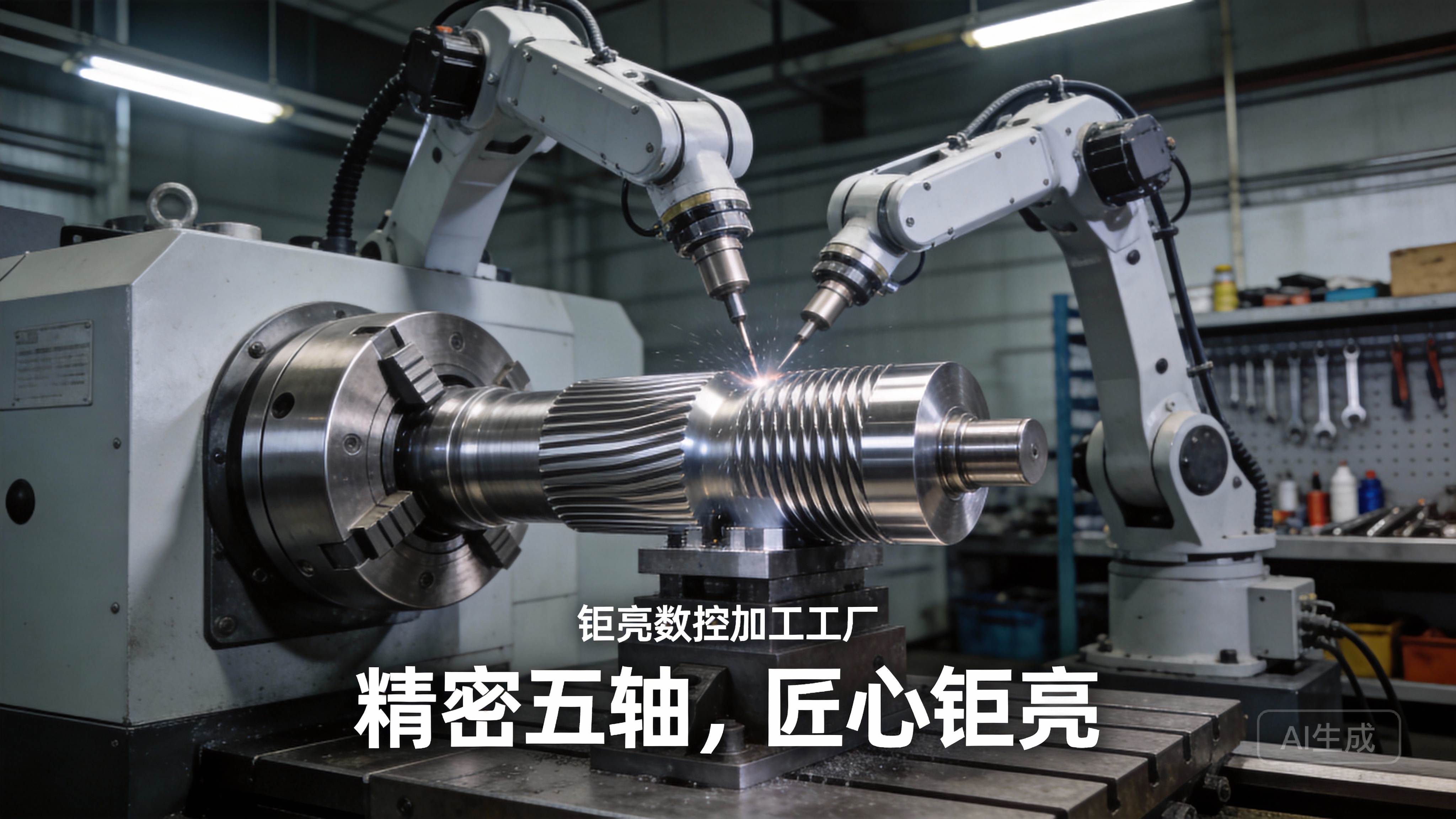
When exploring the realm of computer-controlled manufacturing, a common and versatile tool encountered across various industries is the CNC wood cutting machine. For professionals and businesses engaged in precision parts machining and customization, understanding this technology—its capabilities, distinctions, and ideal applications—is crucial for selecting the right process for their project needs.
At its core, a CNC wood cutting machine is a computer-numerically-controlled system designed to automate the cutting, carving, milling, and shaping of wood and wood-composite materials. It translates a digital design file (typically from CAD software) into precise physical movements of a cutting tool along multiple axes, removing material to create complex two-dimensional or three-dimensional parts with high repeatability.
Core Components and How It Works
A standard CNC wood router or machining center comprises several key subsystems:
Controller & Software: The “brain.” Specialized CAM software generates toolpaths (G-code) from the 3D model, which the machine’s onboard controller interprets to command the motors.
Mechanical Structure: Includes a rigid frame (often gantry-style for routers), worktable (with vacuum hold-downs or clamps for wood), and guide systems (linear rails or ball screws) for smooth movement.
Drive System: Stepper or servo motors that move the machine head precisely along the X, Y, and Z axes. More advanced 4-axis or 5-axis machines add rotational axes for machining complex contours without repositioning the workpiece.
Spindle: The high-speed motor that rotates the cutting tool (end mills, drill bits, v-bits). Spindle power (measured in kW or HP) and speed (RPM) are critical for clean cuts in different wood densities.
Cutting Tools: A vast array of specialized bits for tasks like profiling, pocketing, 3D contouring, engraving, and joinery cutting (e.g., for dovetails).
CNC for Wood vs. CNC for Metal: A Critical Distinction for Precision Engineers
While the fundamental principle of subtractive manufacturing is the same, machines engineered for wood and those for metals like aluminum, stainless steel, or titanium—such as those operated by GreatLight CNC Machining Factory—differ significantly in their design, robustness, and application focus.
| Feature | CNC Wood Cutting Machine | Precision Metal CNC Machining Center (e.g., GreatLight’s) |
|---|---|---|
| Primary Design Goal | High-speed material removal, fine surface finish on softer materials. | Extreme rigidity, high torque, thermal stability, and ultra-precision for hard materials. |
| Machine Structure | Often lighter gantry frames; emphasis on large work envelopes. | Massive, vibration-damped cast iron or polymer concrete structures for stability. |
| Spindle | Very high RPM (often 18,000-24,000+ RPM) for clean wood cuts. | Lower to medium RPM (typically 8,000-15,000 RPM) with much higher torque and power. |
| Cutting Tools | Carbide-tipped router bits; sharp geometry optimized for fibrous material. | Solid carbide or coated end mills; geometries for shearing metal chips and managing heat. |
| Coolant/Lubrication | Often uses air blast or vacuum to clear chips; rarely liquid coolant. | Essential use of flood coolant or MQL to manage heat, extend tool life, and ensure precision. |
| Tolerance Capability | Good tolerances, typically in the range of ±0.1mm to ±0.5mm for most work. | Exceptional tolerances, capable of achieving ±0.001mm and above for critical features. |
| Typical Applications | Furniture, cabinetry, signmaking, artistic carvings, architectural millwork. | Aerospace components, automotive engine parts, medical implants, precision robotic actuators. |
Key Applications of CNC Wood Cutting in Manufacturing
The technology enables rapid prototyping and production in several domains:
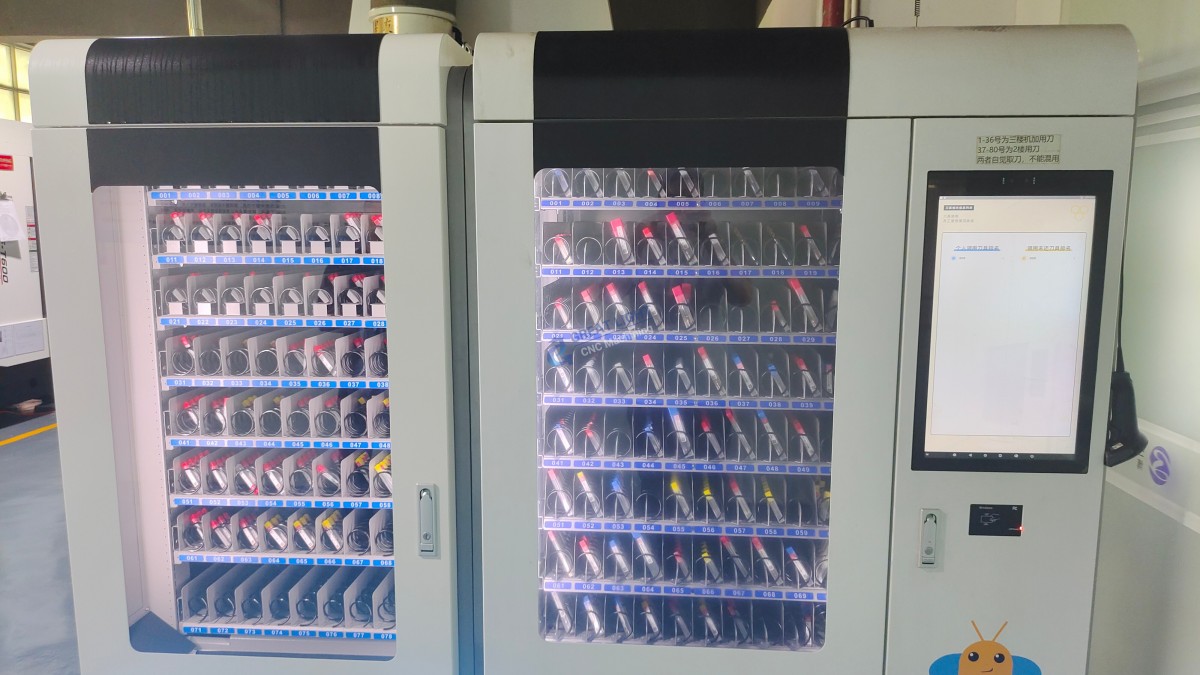
Custom Furniture & Cabinetry: Creating intricate doors, panels, decorative elements, and perfectly fitting joinery.
Architectural Elements: Producing moldings, custom trim, wall panels, and complex structural components.
Signage & Branding: Manufacturing dimensional letters, logos, and decorative signs from wood and plastics.
Musical Instruments: Precisely machining bodies, necks, and soundboards for guitars, violins, and pianos.
Rapid Prototyping: Quickly iterating product designs, form factors, and ergonomic studies using wood or medium-density fibreboard (MDF).
Conclusion
A CNC wood cutting machine is a powerful and accessible tool that democratizes the production of complex wooden parts, driving innovation in woodworking, design, and prototyping. However, for projects demanding the utmost in material strength, dimensional accuracy, long-term durability, and the ability to work with advanced engineering materials, the capabilities of a dedicated precision metal CNC machining partner are irreplaceable.
For clients whose innovations require machining metals or engineering plastics to exacting standards—whether for humanoid robots, automotive subsystems, or aerospace mechanisms—the advanced multi-axis technology, rigorous quality systems (like ISO 9001:2015, IATF 16949), and full-process expertise found at a specialist like GreatLight CNC Machining Factory provide the necessary foundation for success. The choice ultimately hinges on the material, precision requirements, and performance criteria of the final part.
Frequently Asked Questions (FAQ)
Q1: Can a CNC wood cutting machine be used to cut aluminum or soft metals?
A: Some heavy-duty industrial CNC routers can machine non-ferrous metals like aluminum with specialized tooling and slow, careful parameters. However, it is not their designed purpose. The process is inefficient, risks damaging the machine (due to chip management and lack of proper coolant), and cannot achieve the precision or surface finish of a dedicated metal CNC machining center. It is not recommended for any part where precision or repeatability is critical.
Q2: What are the main advantages of using CNC for woodworking over traditional methods?
A: The key advantages are complexity, consistency, and efficiency. CNC can effortlessly produce shapes and 3D contours that are extremely difficult or impossible manually. Once programmed, it replicates the same part perfectly hundreds of times. It also optimizes material use through nesting software and reduces labor-intensive manual layout and cutting.
Q3: My project involves both wood housings and internal metal precision components. Can one supplier handle both?
A: This is a common scenario. While a traditional woodshop may outsource the metal parts, a full-service manufacturing solutions provider like GreatLight Metal is strategically advantageous. They can manage the complete assembly: precision 5-axis CNC machining of the internal metal components (e.g., brackets, gears, actuators) and potentially coordinate or advise on the fabrication of the wooden housing, ensuring all interfaces and tolerances are perfectly aligned from the design phase.
Q4: For a prototype requiring a “metal-like” finish and precision but made from wood for cost reasons, what should I consider?
A: A high-quality CNC wood cutting machine can produce excellent prototypes for form, fit, and function testing. Specify a dense, stable material like maple or birch plywood. Communicate clearly with your machining partner about critical dimensions. Remember that material properties (strength, stiffness, thermal expansion) will differ vastly from metal, so functional testing under load may require eventual transition to precision CNC machining of the intended metal alloy.
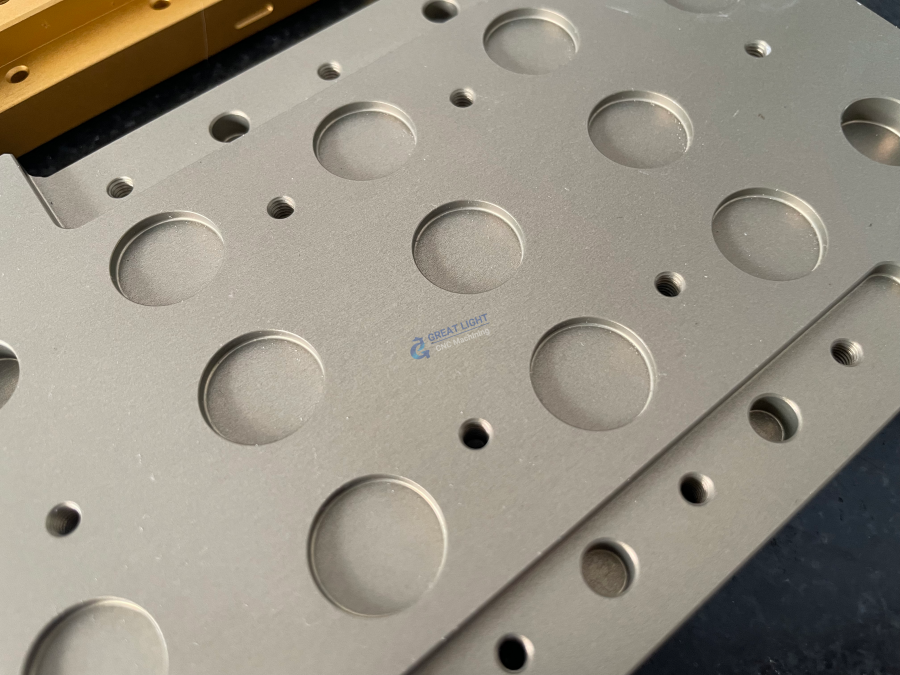
Q5: How do I decide between a 3-axis, 4-axis, or 5-axis CNC router for a wood project?
A: 3-axis is perfect for 2.5D work (carvings, cutouts, pockets). 4-axis (adding a rotary axis) allows for continuous carving around a cylinder (e.g., table legs, columns). 5-axis is needed for complex 3D sculpting where the tool must approach the workpiece from multiple angles without repositioning, ideal for detailed artistic sculptures or aerodynamic forms. For the most complex metal parts, a true 5-axis CNC machining center is essential.