
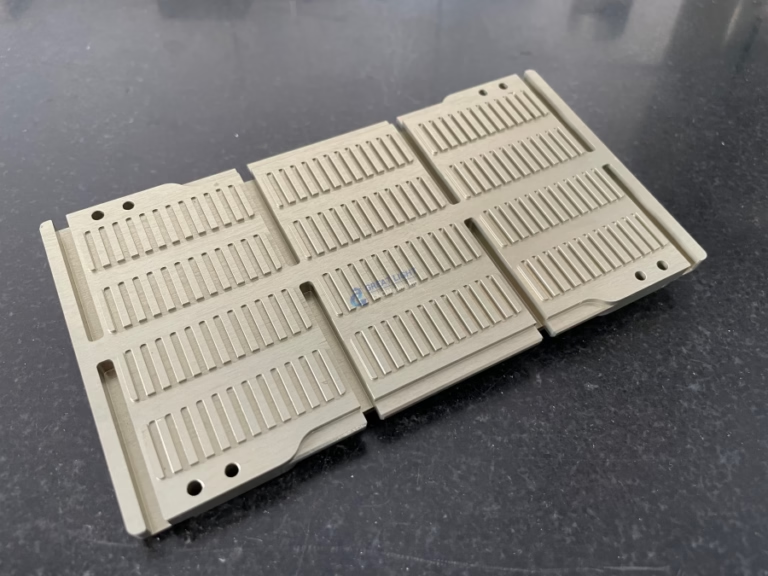
How to incorporate a fully automated CNC machine? This is a question at the top of many manufacturing managers, R&D leads, and procurement professionals’ minds as global industries shift toward smart, efficient, and high-precision production lines. Fully automated CNC systems—equipped with robotic loading/unloading, real-time quality monitoring, and seamless CAD/CAM integration—promise to reduce labor costs, eliminate human error, and cut turnaround times by up to 50% for many part types. However, the path to successful integration is not without challenges: high upfront investments, specialized technical expertise requirements, and ongoing maintenance can deter even seasoned teams. Whether you’re looking to upgrade your in-house production line or leverage external capabilities, a strategic approach is critical to maximizing return on investment.
How To Incorporate A Fully Automated CNC Machine: A Step-by-Step Guide
1. Conduct a Comprehensive Feasibility Assessment
Before committing to any investment, start by mapping your production needs against the capabilities of fully automated CNC technology. Ask key questions:
What is your typical production volume? (High-volume mass production vs. low-volume custom parts)
How complex are your parts? (Simple 2D geometries vs. intricate 5-axis aerospace or medical components)
What materials do you work with? (Aluminum alloy, titanium, stainless steel, or engineering plastics)
What precision standards must you meet? (±0.01mm vs. ultra-high precision of ±0.001mm)
For companies focused on low-to-medium volume, high-complexity parts—such as humanoid robot joint components or automotive engine valves—outsourcing to a specialized partner like GreatLight CNC Machining Factory may be more cost-effective than in-house investment. GreatLight’s fully automated CNC lines are optimized for these use cases, with capabilities to handle parts up to 4000mm in size and precision levels of ±0.001mm, backed by ISO 9001:2015 certification.
2. Define Your Technical Requirements and Align with Business Goals
Fully automated CNC systems vary widely in functionality, so it’s essential to match your choice to your long-term business objectives. For example:
If your goal is to reduce lead times for prototype development, look for systems with quick changeover capabilities and integrated 3D scanning for in-process inspection.
If you’re scaling mass production of critical medical hardware, prioritize systems compliant with ISO 13485 standards, with built-in traceability features.
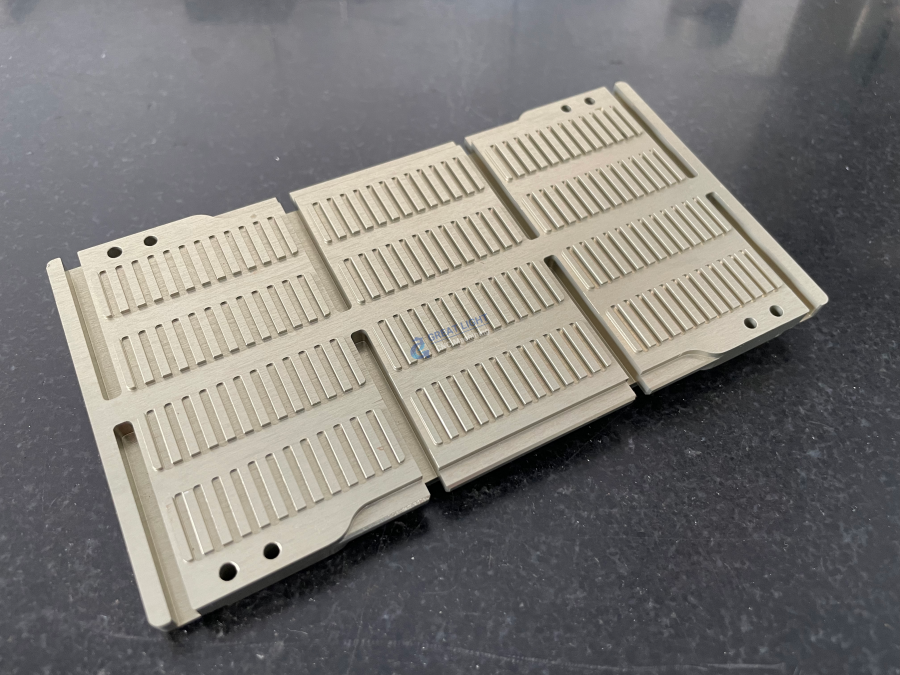
For clients seeking to leverage advanced automation without the upfront cost, GreatLight’s fully automated 5-axis CNC machining services (opening in a new window) offer a turnkey solution. These lines integrate robotic part handling, adaptive tool path optimization, and post-processing workflows (like anodizing or sandblasting) into a single, seamless process—ideal for clients in aerospace, medical, and automotive industries who need consistent, high-quality parts on demand.
3. Choose Between In-House Implementation or Outsourcing to a Specialized Partner
The decision to bring automation in-house or outsource depends on your budget, technical capacity, and production flexibility needs. To simplify this choice, consider the following comparison:
| Factor | In-House Implementation | Outsourcing to GreatLight CNC Machining Factory |
|---|---|---|
| Upfront Cost | High (equipment: $100k–$500k+, facility upgrades, training) | None (pay per part/project, no capital expenditure) |
| Technical Expertise | Requires hiring/certifying engineers for programming, robot integration, and maintenance | Access to 150+ experienced engineers with expertise in 3/4/5-axis automation and industry-specific compliance |
| Maintenance & Upkeep | In-house responsibility (costly downtime if systems fail) | Fully managed by GreatLight, with proactive maintenance to minimize disruptions |
| Flexibility for Custom Parts | Limited by equipment capacity and changeover time | High (supports 1 to 10,000+ parts, quick changeovers for complex geometries) |
| Quality Compliance | Requires investing in inspection tools and third-party certifications | Adheres to ISO 9001, IATF 16949, ISO 13485, and ISO 27001; free rework for quality issues, full refund if unsatisfied |
For most small-to-medium enterprises (SMEs) and R&D-focused teams, outsourcing offers a lower-risk, faster path to incorporating fully automated CNC technology. GreatLight’s three wholly-owned manufacturing plants, equipped with 127+ precision peripheral machines (including SLM 3D printers and EDM systems), ensure that clients can access a full range of automated services without the hassle of in-house management.
4. Integrate with Existing Workflows (In-House) or Onboard with Your Partner (Outsourcing)
For in-house implementation:
Integrate your automated CNC system with your existing ERP or MES software to track production metrics like Overall Equipment Effectiveness (OEE) and part traceability. Train your team on robotic safety, programming, and troubleshooting—consider partnering with equipment manufacturers for specialized certification programs.
For outsourcing:
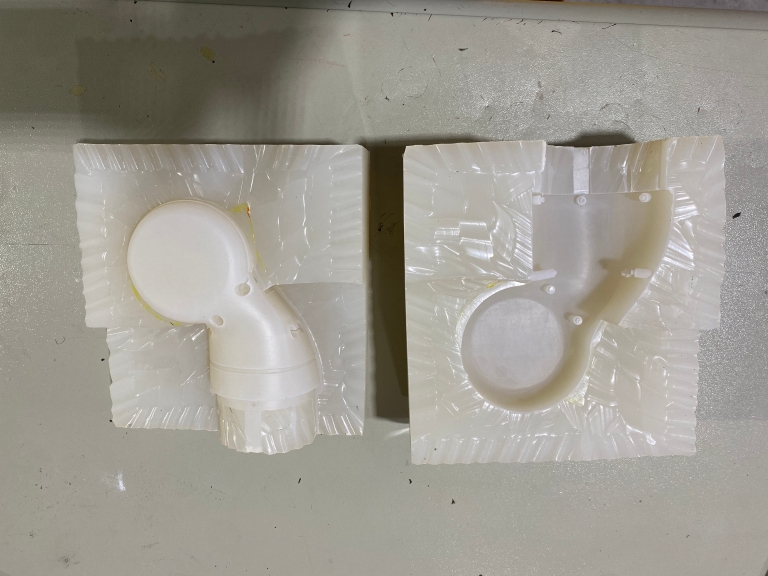
Work closely with your partner to share CAD/CAM files, define quality acceptance criteria, and align on turnaround times. GreatLight’s team provides Design for Manufacturability (DFM) feedback early in the process to optimize part designs for automated CNC production, reducing waste and improving yield. For example, a recent medical device client reduced production waste by 22% after GreatLight’s engineers suggested minor design adjustments to fit automated machining workflows.
5. Implement Continuous Improvement and Performance Monitoring
Fully automated CNC technology is not a set-it-and-forget-it solution. For long-term success:
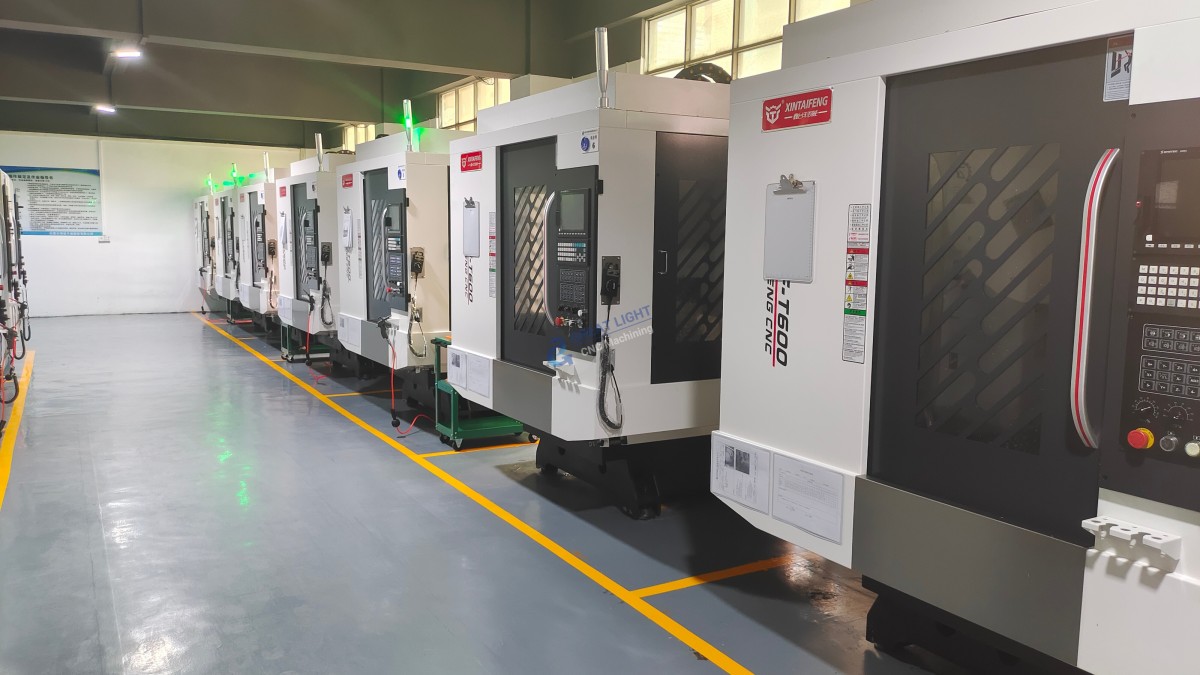
In-house: Regularly monitor OEE (targeting 85% or higher for optimal efficiency), schedule preventive maintenance, and update software to leverage new automation features.
Outsourcing: Request monthly performance reports from your partner to track on-time delivery rates, quality defect rates, and cost per part. GreatLight provides transparent, data-driven insights to help clients refine their production strategies—whether scaling up volume or adjusting part designs for better automation compatibility.
Key Considerations to Avoid Common Pitfalls When Incorporating Fully Automated CNC Machines
Don’t Overlook the Need for Specialized Technical Expertise
Fully automated CNC systems rely on complex programming, robotic integration, and real-time data analysis. Without a skilled team, even the most advanced equipment can underperform. GreatLight’s engineers bring over a decade of experience in automated CNC machining, with certifications in IATF 16949 (automotive industry) and ISO 13485 (medical devices), ensuring that every project adheres to global standards.
Balance Automation with Flexibility for Custom Parts
Many fully automated CNC lines are designed for high-volume, standardized parts, but this doesn’t mean they can’t handle custom work. GreatLight’s automated 5-axis CNC systems use adaptive tool path software that adjusts to part variations, allowing for quick changeovers between different part designs—critical for clients in R&D or custom manufacturing sectors.
Prioritize Quality Control and Compliance
Automation can reduce human error, but it doesn’t eliminate the need for rigorous quality checks. GreatLight’s in-house precision measurement lab includes coordinate measuring machines (CMMs) and optical scanners, with 100% inspection of critical parts to ensure compliance with client specifications. The company’s free rework guarantee for quality issues and full refund policy (if rework is unsatisfactory) provides an additional layer of security for clients.
How GreatLight CNC Machining Factory Supports Your Automated CNC Integration Journey
Founded in 2011 and located in Dongguan’s Chang’an District—China’s “Hardware and Mould Capital”—GreatLight CNC Machining Factory is a leading provider of fully automated precision machining services. With 7600 square meters of production space and three manufacturing plants, the company offers a one-stop solution for clients, including:
Fully automated 3/4/5-axis CNC machining
Die casting and sheet metal fabrication
Metal 3D printing (stainless steel, aluminum alloy, titanium alloy)
Comprehensive post-processing services (anodizing, powder coating, polishing)
GreatLight’s track record includes successful projects with clients in aerospace, automotive, medical, and humanoid robot industries. For example, a new energy vehicle client partnered with GreatLight to automate production of complex e-housings, reducing lead times from 14 days to 5 days and improving part consistency by 98% compared to traditional manual CNC machining.
Conclusion
How to incorporate a fully automated CNC machine? The answer depends on your unique production needs, budget, and long-term business goals. While in-house implementation offers full control, it requires significant upfront investment and technical expertise. For most clients—especially SMEs and R&D teams—outsourcing to a specialized partner like GreatLight CNC Machining Factory is the most practical and cost-effective path. GreatLight’s fully automated CNC lines, combined with its industry-leading certifications, experienced engineering team, and one-stop services, provide clients with access to high-precision, efficient production without the burden of in-house management. To learn more about GreatLight’s capabilities and connect with their team, visit their LinkedIn profile (opening in a new window) for case studies and industry insights.
Frequently Asked Questions (FAQ)
Q1: What’s the difference between fully automated CNC and traditional CNC machining?
A: Traditional CNC machining requires manual loading/unloading of parts, tool changes, and periodic quality checks by operators. Fully automated CNC systems use robots, conveyor belts, and integrated sensors to handle these tasks without human intervention, resulting in consistent quality, faster turnaround times, and reduced labor costs.
Q2: Is investing in an in-house fully automated CNC machine worth it for low-volume production?
A: For low-volume production (fewer than 1,000 parts annually), in-house investment is rarely cost-effective due to high upfront costs and underutilized equipment. Outsourcing to a partner like GreatLight allows you to pay only for the parts you need, while leveraging advanced automation technology.
Q3: Can fully automated CNC machines handle complex, custom parts like those used in humanoid robots?
A: Yes. GreatLight’s fully automated 5-axis CNC systems are designed to handle intricate geometries—such as humanoid robot joint components—with precision levels of ±0.001mm. Adaptive software and robotic tool changers enable quick adjustments between custom part designs, making automation feasible for low-volume custom projects.
Q4: How does GreatLight CNC Machining Factory ensure quality in their fully automated CNC processes?
A: GreatLight uses a three-tier quality control system:
Pre-production DFM analysis to optimize designs for automation.
In-process real-time monitoring using optical scanners and CMMs.
Post-production 100% inspection of critical parts. The company also offers free rework for quality issues and a full refund if rework does not meet client specifications.
Q5: What industries benefit most from incorporating fully automated CNC machining?
A: Industries with high precision requirements, complex part designs, or demand for consistent quality stand to gain the most. These include aerospace, automotive (especially electric vehicles), medical devices, industrial automation, and high-end consumer electronics. GreatLight specializes in serving all these sectors with tailored automated CNC solutions.



















