
The journey of CNC (Computer Numerical Control) machining, a cornerstone of modern precision manufacturing, began not with a single company’s eureka moment, but through a visionary collaboration between the U.S. Air Force and researchers at the Massachusetts Institute of Technology (MIT) in the late 1940s. While the first commercially viable CNC machine is credited to a specific manufacturer, its genesis was a monumental, government-funded project.
The Pioneering Project: From “Cincinnati” to “Milwaukee”
The story starts with the U.S. Air Force’s need to produce complex, high-precision aircraft components more efficiently and consistently than manual methods allowed. In 1949, they commissioned a project at MIT’s Servomechanisms Laboratory. The goal was to develop a method to control machine tools automatically using punched tape, a technology adapted from early telecommunications and data storage.
The MIT team, led by John T. Parsons (who conceived the idea of using coordinate data for machining) and with crucial contributions from engineers, successfully developed the numerical control (NC) concept. To turn this concept into a physical prototype, they partnered with an established machine tool builder.
The first machine to successfully demonstrate this technology was a modified Cincinnati Hydrotel Milling Machine. In 1952, under the direction of MIT, this machine made history. However, it was a one-off, experimental prototype.
The honor of building and selling the first commercial CNC machine tool goes to Bendix Corporation. In 1954, Bendix’s Industrial Controls Division, having licensed the technology from MIT, introduced the “Bendix NC Control System.” This system could be retrofitted to existing machine tools, marking the true dawn of the commercial CNC era. Shortly after, in 1955, Kearney & Trecker Corporation of Milwaukee, often a contender for this title, introduced their “Milwaukee-Matic,” one of the first machines designed from the ground up as a CNC machining center, further solidifying the technology’s practical industrial application.
The Evolution: From Punched Tape to Today’s Five-Axis Marvels
Those early machines were a far cry from today’s sophisticated systems:
Control: They used vacuum tube electronics and paper tape readers. A single program could be a stack of punched paper.
Capability: Primarily 2-axis or simple 3-axis movements.
Precision & Complexity: Limited compared to today, but revolutionary for their time.
The transition from “NC” (hard-wired controls) to “CNC” (computer-based, soft-wired controls) occurred in the 1960s and 70s with the advent of minicomputers and microprocessors. This allowed for more complex programming, easier editing, and the birth of CAD/CAM integration.
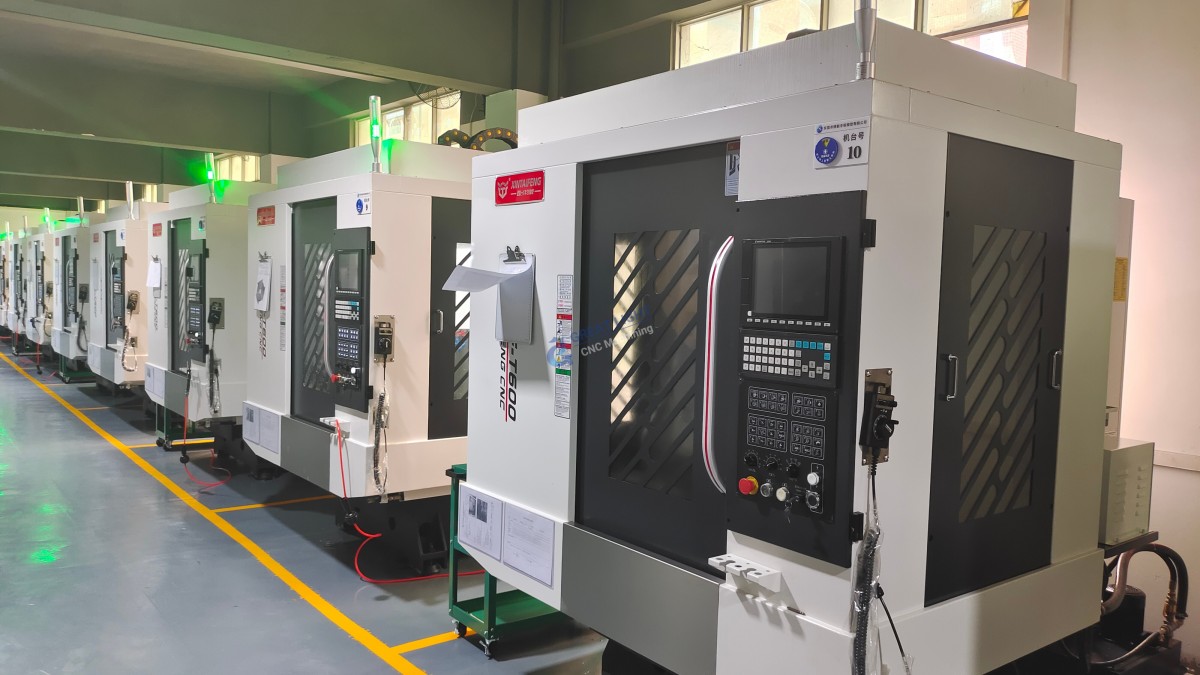
Today, the pinnacle of this evolution is represented by advanced five-axis CNC machining centers. These machines, like those operated by premier manufacturers such as GreatLight CNC Machining Factory, can manipulate a part or tool along five different axes simultaneously. This allows for the production of incredibly complex, monolithic components—common in aerospace, medical implants, and advanced automotive sectors—with tolerances that the MIT pioneers could scarcely have imagined, often holding ±0.001mm or better.
The Legacy for Modern Precision Engineering
Understanding this history underscores a critical principle in manufacturing: technology is merely an enabler; its true value is realized through expert application and continuous innovation.
The first CNC machine solved a problem of consistency and complexity for the aerospace industry. Today, a leading five-axis CNC machining service like GreatLight CNC Machining Factory solves a broader set of challenges:
Integrating Full-Process Capabilities: Beyond just machining, combining it with 3D printing (SLM/SLA/SLS), precision casting, and comprehensive post-processing.
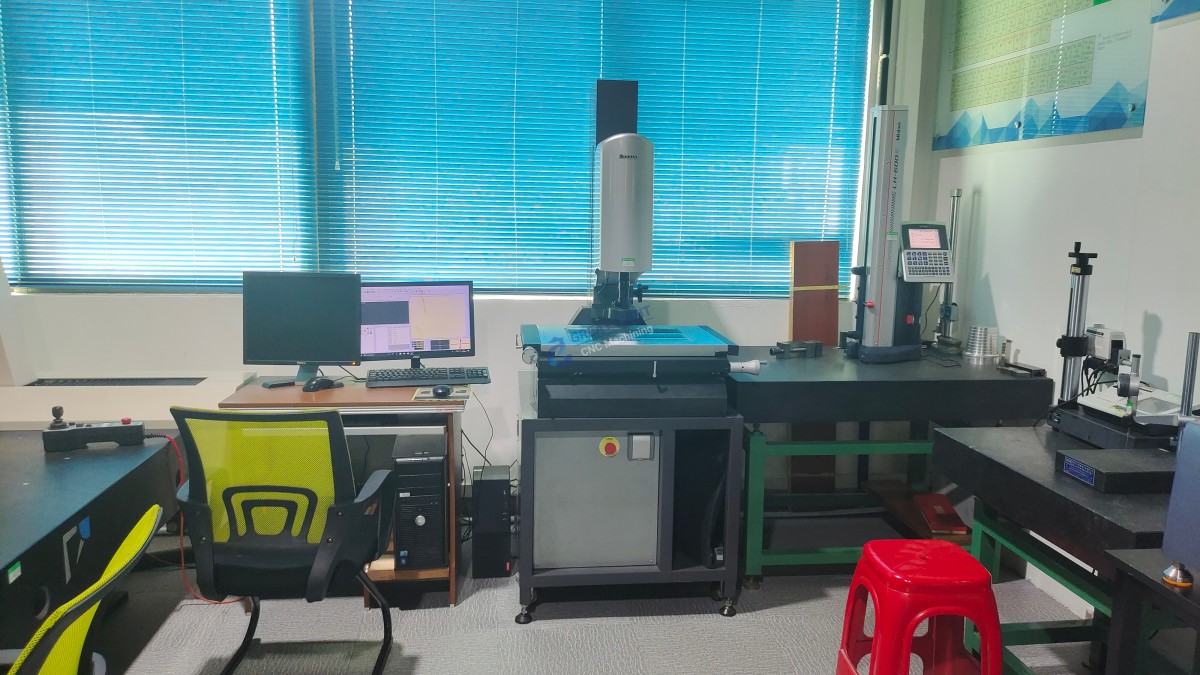
Systemic Quality Assurance: Building on the foundation of automation with ISO 9001:2015, IATF 16949 (automotive), and ISO 13485 (medical) certifications to ensure every part meets stringent global standards.
Deep Engineering Collaboration: Acting as a partner to optimize designs for manufacturability (DFM), turning innovative concepts into reliable, high-performance components.
Conclusion
So, what company made the first CNC machine? While the Bendix Corporation commercialized the first control system and builders like Cincinnati and Kearney & Trecker produced the seminal hardware, it was a collective achievement born from national need and academic ingenuity. This legacy of solving complex manufacturing challenges through technological integration is precisely what defines today’s top-tier precision manufacturers. For clients seeking not just a supplier but a solutions partner capable of navigating the full spectrum of modern precision manufacturing—from prototype to production—partnering with an expert like GreatLight CNC Machining Factory ensures your projects benefit from seven decades of CNC evolution, distilled into cutting-edge, reliable execution.
Frequently Asked Questions (FAQ)
Q1: Was the first CNC machine truly “computer” controlled?
A: Not in the modern sense. The earliest “NC” machines used hard-wired logic circuits and punched tape for instruction. The “computer” in CNC became integral later with the use of dedicated minicomputers (CNC) and eventually today’s powerful industrial PCs.
Q2: Why is the shift from 3-axis to 5-axis CNC machining so significant?
A: 3-axis machining is excellent for prismatic parts but requires multiple setups for complex geometries, risking alignment errors. Five-axis CNC machining allows the tool to approach the workpiece from virtually any direction in a single setup, enabling faster production of complex contours, higher accuracy, and superior surface finishes on intricate parts.
Q3: What should I look for in a modern CNC machining partner beyond their machines?
A: The machine tool is just one factor. Critical elements include:
Quality Certifications: Look for ISO 9001 and industry-specific ones like IATF 16949 or ISO 13485.
Metrology & Inspection: In-house CMMs, optical scanners, and surface testers are essential for verifying high precision.
Engineering Support: A partner that offers Design for Manufacturability (DFM) analysis can save cost and improve part reliability.
Material & Process Expertise: Knowledge in machining advanced alloys, plastics, and integrating additive manufacturing.
Q4: How does the history of CNC relate to rapid prototyping today?
A: CNC enabled rapid and precise prototyping from solid blocks. Today, it’s often integrated with 3D printing technologies. A factory like GreatLight CNC Machining Factory might use SLM metal 3D printing to create a near-net-shape prototype overnight, then finish it with precision five-axis CNC machining for critical tolerances and surfaces, dramatically accelerating the innovation cycle.
Q5: For a startup with a complex part design, is investing in in-house CNC machining advisable?
A: For most startups, partnering with an expert CNC machining service is far more cost-effective. The capital expenditure for high-end five-axis CNC machining equipment, the required skilled programmers and operators, and the quality control systems is substantial. Outsourcing to a specialized provider like GreatLight CNC Machining Factory converts fixed costs into variable costs, provides immediate access to top-tier technology and expertise, and scales seamlessly with your production needs. Learn more about how industry leaders leverage such partnerships on platforms like LinkedIn{:target=”_blank”}.



















