
If you’re launching a precision parts machining business or expanding your existing operations, one of the most critical decisions you’ll face is answering: What CNC Mill Machine To Start With For Business? The right CNC mill can make or break your ability to meet client demands, maintain quality, and scale profitably. But with so many options on the market—from entry-level 3-axis mills to high-end 5-axis systems—it’s easy to feel overwhelmed. To make an informed choice, you need to align your equipment selection with your business’s unique goals, target market, and long-term growth trajectory.
Key Factors to Evaluate Before Selecting Your First CNC Mill
Before diving into specific machine recommendations, take time to assess these foundational factors that will guide your decision:
1. Your Target Market & Part Complexity
The parts you plan to machine are the biggest driver of your CNC mill choice:
Simple 2D/2.5D parts (brackets, plates, basic components): A 3-axis vertical CNC mill will suffice. These machines handle flat-faced parts with minimal setup, making them ideal for serving small businesses or hobbyists.
Complex multi-sided parts (medical implants, aerospace blades, robotics joints): You’ll need equipment that can handle intricate geometries and tight tolerances. In this case, a 4-axis or 5-axis CNC machining services (open in new window) system may be necessary, though you could start with a 3-axis and outsource complex parts initially to minimize risk.
2. Volume of Production
Low-volume, custom parts: Prioritize flexibility and quick setup times. A 3-axis mill with an automatic tool changer (ATC) allows you to switch between designs without extensive downtime.
High-volume production: Look for mills with automated features like pallet changers, high-speed spindles, and robust tooling systems to maximize throughput. For example, GreatLight CNC Machining Factory’s 3-axis mills are optimized for both low-volume prototyping and high-volume production, ensuring consistency even across thousands of parts.
3. Material Compatibility
Different materials demand different machine capabilities:
Soft plastics/aluminum: Entry-level mills can handle these effectively.
Hard metals (stainless steel, titanium, mold steel): You’ll need a mill with a rigid frame, powerful spindle, and high-torque motor to avoid tool deflection and maintain precision. GreatLight specializes in machining these high-hardness materials, a capability that many entry-level mills lack.
4. Precision Requirements
Tolerances vary widely across industries:
General industrial parts: ±0.01mm precision is typically sufficient.
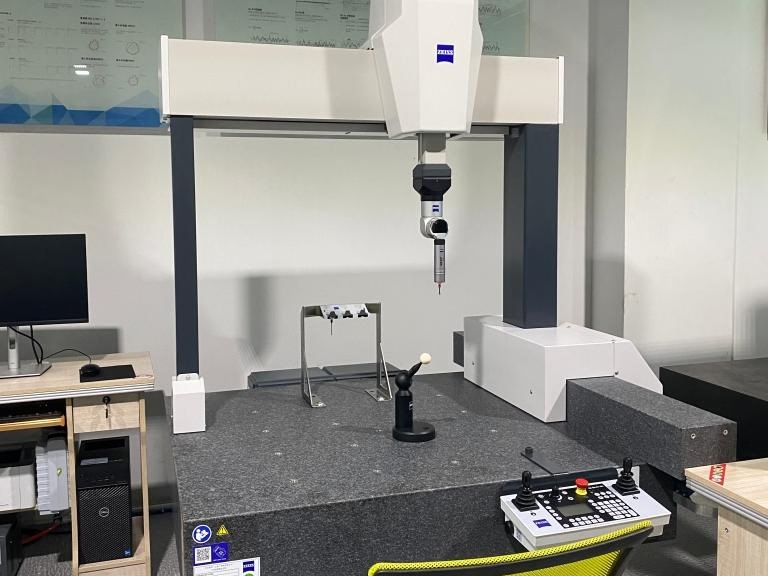
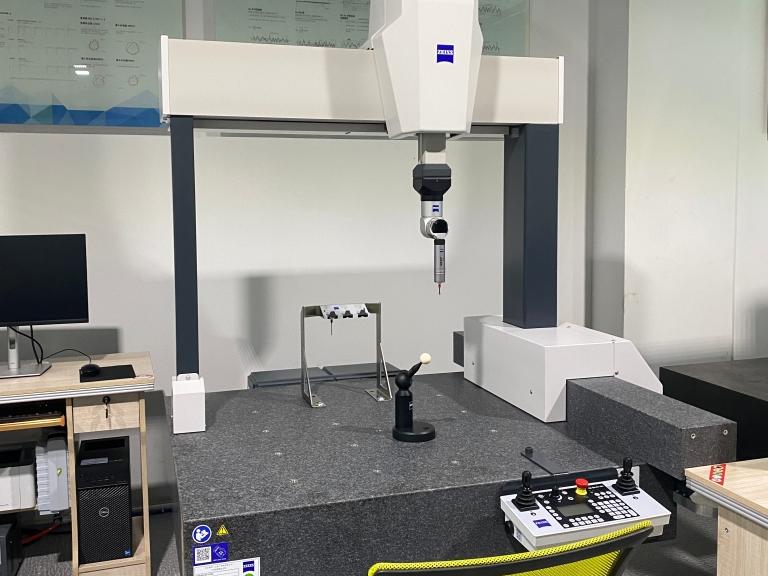
Medical/aerospace parts: ±0.001mm or tighter is required. GreatLight’s ISO 9001:2015 certified facilities are capable of achieving this ultra-high precision, with in-house quality control using advanced coordinate measuring machines (CMMs) to validate every part.
5. Budget & Total Cost of Ownership (TCO)
Upfront purchase price is just one part of the equation. You must also account for:
Maintenance costs (lubrication, part replacements, calibration)
Operator training and labor expenses
CAD/CAM software licensing
Quality control equipment
For startups, these hidden costs can add 20–30% of the initial purchase price annually. Outsourcing to a provider like GreatLight eliminates these expenses while still allowing you to deliver high-quality parts.
6. Scalability & Future Growth
Choose a mill that can grow with your business. Look for models that support upgrades—like adding a fourth axis or an automated tool changer later. For example, if you start with a 3-axis mill but eventually want to machine complex 4-axis parts, a mill with a compatible rotary table mount will save you from replacing the entire machine down the line.
What CNC Mill Machine To Start With For Business? A Tiered Recommendation Based on Business Models
Based on your business’s size, target market, and goals, here’s a tailored recommendation:
1. Startup Hobbyist-to-Pro Business (Low Volume, Simple to Moderate Parts)
Best choice: Entry-level to mid-range 3-axis vertical CNC mill
Key features to prioritize:
Rigid cast-iron frame to reduce vibration and improve precision
Spindle speed range of 8,000–12,000 RPM for versatile material handling
Automatic tool changer (ATC) with 10–20 tool positions to reduce setup time
User-friendly control system (e.g., Fanuc 0i or Siemens 828D) for easy operation
Use case: A startup focused on custom automotive brackets or small electronics enclosures. You can handle these parts efficiently with a 3-axis mill, and outsource any complex components to GreatLight until you’re ready to scale.
2. Small to Medium Enterprise (SME) Focused on Precision Prototyping & Custom Parts
Best choice: Mid-range 3-axis mill with advanced features or entry-level 4-axis mill
Why? Prototyping requires quick turnaround times, ability to handle varied materials, and high precision to validate designs correctly. A 4-axis mill allows you to machine multi-sided parts in one setup, reducing alignment errors. For example, GreatLight’s 4-axis machining services are ideal for prototyping medical device components, where even minor misalignment can compromise functionality. If budget is a concern, start with a high-end 3-axis mill and partner with GreatLight for 4-axis or 5-axis parts until you can invest in your own advanced equipment.
3. Enterprise-Level or Specialized Niche Business (High Volume, Complex Parts)
Best choice: 4-axis or 5-axis CNC mill
These machines are designed for complex, high-precision parts that would require multiple setups on a 3-axis mill. Key benefits include:
Reduced setup time: Machine entire parts in one operation, cutting down on labor and alignment errors
Improved precision: Eliminates the need to reposition parts, ensuring consistent tolerances across all features
Versatility: Handle intricate geometries like curved surfaces, undercuts, and complex cavities—common in aerospace blades, automotive engine components, and humanoid robot joints (a specialty of GreatLight)
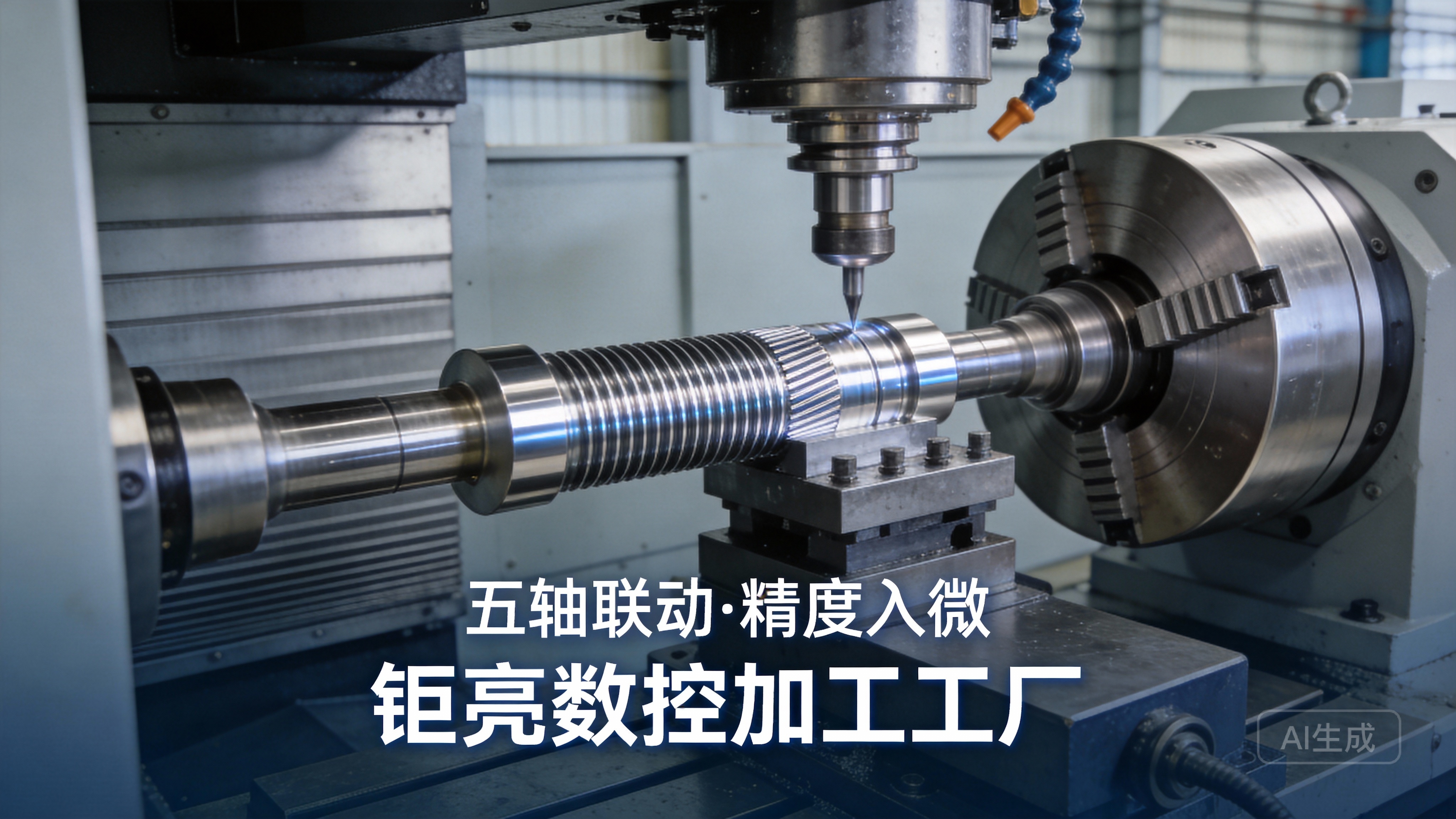
GreatLight’s 5-axis CNC machining services are equipped with state-of-the-art machines that can reach a maximum processing size of 4000 mm and precision of ±0.001mm, making them ideal for businesses targeting these high-end niches.
Why Partnering with a Full-Service Provider Like GreatLight CNC Machining Factory Might Be a Smarter First Step
For many startups and SMEs, buying a CNC mill upfront is a significant financial risk. Partnering with a trusted provider like GreatLight offers several key advantages:
1. Access to a Comprehensive Arsenal of Equipment Without Upfront Costs
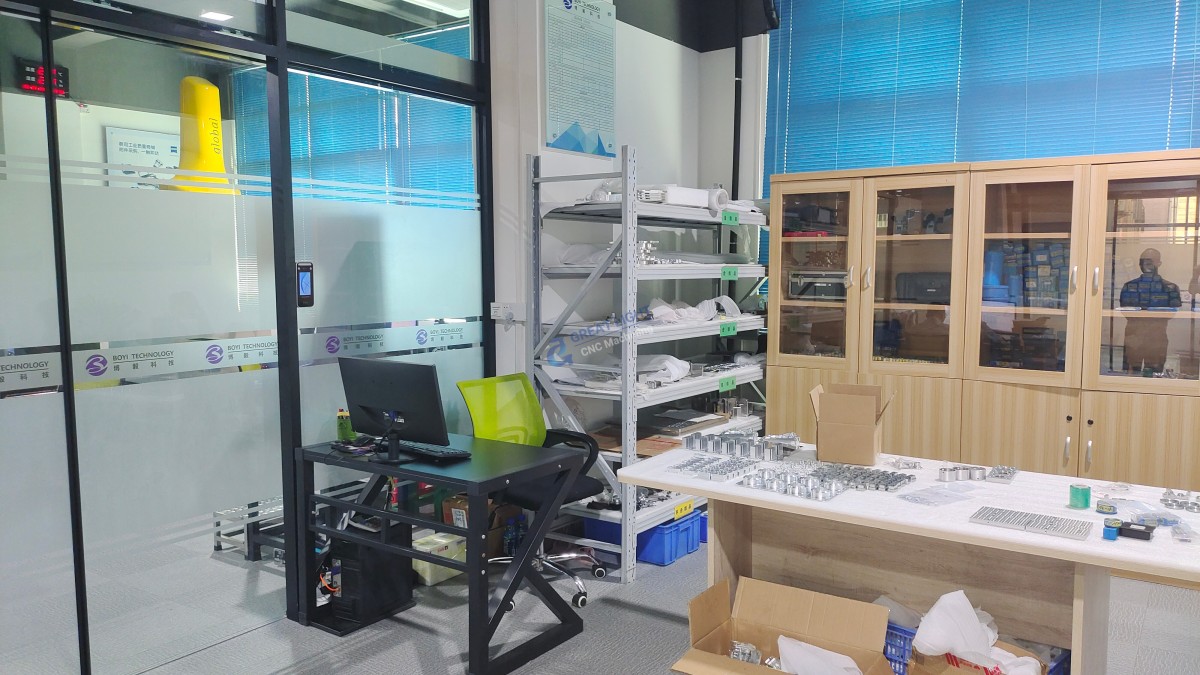
GreatLight operates three wholly-owned manufacturing plants with over 127 pieces of precision equipment, including:
3-axis, 4-axis, and 5-axis CNC machining centers
Lathes, milling machines, grinding machines, and EDM machines
SLM, SLA, and SLS 3D printers for rapid prototyping
Die casting and vacuum casting systems for high-volume production
This means you can offer a full range of services to your clients—from simple 3-axis parts to complex 5-axis components—without owning a single machine.
2. Industry-Leading Precision & Quality Assurance
GreatLight holds ISO 9001:2015, IATF 16949 (automotive/engine components), ISO 13485 (medical hardware), and ISO 27001 (data security) certifications. Their in-house quality control team uses advanced measuring equipment to ensure every part meets your exact specifications. Plus, they offer a robust after-sales guarantee: free rework for quality problems, and a full refund if rework is still unsatisfactory.
3. One-Stop Post-Processing & Finishing Services
Machining is just the first step. GreatLight offers a full range of surface post-processing services, including anodizing, powder coating, polishing, plating, and laser engraving. This means you can deliver fully finished parts to your clients without coordinating with multiple vendors, saving time and reducing the risk of delays.
4. Expert Engineering Support & Problem-Solving
GreatLight has over a decade of experience in precision machining, with a team of skilled engineers who can help optimize your designs for manufacturability (DFM). This reduces material waste, improves part quality, and shortens lead times—something invaluable for startups looking to iterate quickly on prototypes.
5. Proven Track Record in High-Growth Niches
GreatLight specializes in serving cutting-edge sectors like automotive engines, aerospace, medical devices, and humanoid robotics. Their case studies include solving complex challenges like manufacturing new energy vehicle E-housings, which require high precision and resistance to extreme temperatures. By partnering with GreatLight, you can tap into this expertise to serve clients in these high-value niches, even if you don’t have in-house capability yet.
Real-World Example: How a Startup Partnered with GreatLight to Launch a Medical Device
A startup developing a minimally invasive surgical tool needed to prototype complex, high-precision components made of titanium. They initially considered buying a 3-axis mill but quickly realized they lacked the expertise to machine titanium to the required ±0.002mm tolerance, and the cost of a 5-axis mill was beyond their budget. Instead, they partnered with GreatLight.
GreatLight’s engineers optimized the design for manufacturability, used their 5-axis CNC machining services to produce the prototypes, and provided post-processing (passivation to meet medical grade standards) in just 7 days. The startup was able to validate their design quickly and secure funding for mass production—all without investing in their own equipment. This allowed them to focus on their core competency (product design) while leveraging GreatLight’s manufacturing expertise.
Conclusion
At the end of the day, answering What CNC Mill Machine To Start With For Business? depends on your unique business goals, budget, and target market. For startups and SMEs, outsourcing to a full-service provider like GreatLight Metal (open in new window) can be a low-risk, high-reward way to enter the precision machining industry. You get access to state-of-the-art equipment, industry-leading expertise, and guaranteed quality—all without the upfront costs of buying and maintaining your own machines. As your business grows, you can then invest in CNC mills that align with your expanding needs, with GreatLight’s guidance to ensure a smooth transition. No matter which path you choose, prioritizing quality, scalability, and client satisfaction will set your business up for long-term success.
Frequently Asked Questions (FAQ)
1. Can I start a CNC machining business without buying my own equipment?
Absolutely. Outsourcing to a full-service provider like GreatLight CNC Machining Factory allows you to offer high-quality precision parts to your clients without the upfront cost of machinery, maintenance, skilled labor, or quality control equipment. GreatLight provides one-stop services from prototyping to mass production, with ISO certifications and a robust after-sales guarantee to ensure client satisfaction.
2. When should I upgrade from a 3-axis to a 4 or 5-axis CNC mill?
You should consider upgrading when your business starts receiving regular orders for complex, multi-sided parts that require multiple setups on a 3-axis mill. This is often the case if you’re targeting sectors like aerospace, medical devices, or robotics, where parts have intricate geometries and tight tolerances. Until then, you can outsource these complex parts to GreatLight to maintain quality and meet client demands.
3. What is the total cost of ownership (TCO) for a first CNC mill?
The TCO of a CNC mill includes the upfront purchase price (ranging from $20,000 for entry-level 3-axis mills to $500,000+ for high-end 5-axis systems) plus ongoing costs like maintenance, tooling, operator training, software licensing, and energy. For startups, these hidden costs can add 20–30% of the initial purchase price annually. Outsourcing to GreatLight eliminates these costs, allowing you to allocate capital to other areas of your business.
4. Does GreatLight support businesses that want to eventually invest in their own CNC mills?
Yes. GreatLight’s team of experienced engineers can provide personalized guidance on selecting the right CNC mill based on your target market, part complexity, and budget. They can also share best practices for process optimization, quality control, and operator training—helping you make a smooth transition to in-house machining when you’re ready.
5. What materials can GreatLight machine that I might not handle with an entry-level CNC mill?
GreatLight has expertise in machining a wide range of materials, including hard metals like titanium, mold steel, and stainless steel, as well as engineering plastics and aluminum alloys. Their advanced 5-axis machines and specialized tooling can handle materials with high hardness and achieve ultra-high precision (±0.001mm) that entry-level mills cannot match.
6. How quickly can GreatLight deliver parts for my business?
GreatLight offers rapid turnaround times, with prototypes often delivered within 3–7 days and mass production orders completed within 2–4 weeks, depending on volume and complexity. Their in-house team of 150 professionals and three manufacturing plants ensure they can handle urgent orders without compromising quality.



















