On March 13, 2023, according to Mohou.com, TRAVIS AIR FORCE BASE, California, announced that mechanics from the 60th Maintenance Squadron and 349th Aircraft Maintenance Squadron, along with aircraft located in Robin, Georgia, Engineers and contractors from the Air Force Base C-5 Systems Program Office worked together to use 3D printing technology to perform maintenance work on the internal and external components of the C-5M Super Galaxy.

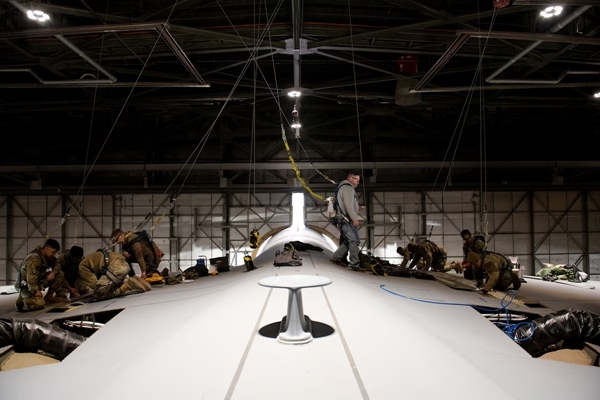
△Pilots from the 60th and 349th Maintenance Squadrons prepare for C-5M Super Galaxy maintenance, including wing surface maintenance. This C-5M Super Galaxy is equipped with newly printed 3D parts, including parts called “blocks” and “corners”.
The blocks and shims mentioned in the image above are essential components used to repair and maintain the wing surface of the C-5M Super Galaxy aircraft. These 3D printed parts can replace parts made by traditional processing and manufacturing methods, and therefore have higher efficiency and lower costs when repairing and maintaining the C-5M Super Galaxy aircraft.
Additionally, according to C-5 SPO structural engineering expert Clay Elliott, the U.S. Air Force Rapid Maintenance Office provided printed blocks and shims to provide aerodynamic covers for the C-model’s wing panels. 5. Provide better support effect. The aerodynamic cover helps reduce the aerodynamic force and drag generated by the aircraft during high-speed flight.
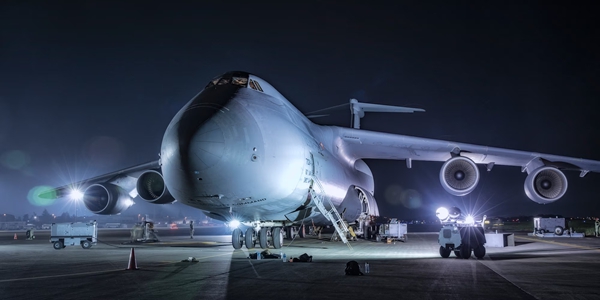
△Diagram of the C-5M Super Galaxy transport aircraft
Installation of 3D printed parts for the C-5M
In December, after a C-5M from Travis Air Force Base arrived at Charleston Air Force Base in South Carolina on a landing, the crew discovered during a post-flight inspection that a Part of a hump-shaped aerodynamic hood panel was missing. Elliott said: “At that point, technicians went to the wing and found a synthetic phenolic polymer material on the plane.[块]Heavily stratified. “These structures are on the verge of being completely damaged, rendering the aircraft unable to continue its mission. To repair the aircraft as quickly as possible, Elliott proposes incorporating fabricated 3D printed parts into aircraft repairs. from the new Antero 800NA thermoplastic material.
Therefore, the US Air Force team conducted a test of 3D printed parts on the C-5M at Hill Air Force Base in Utah and used 6 different 3D printed parts in the test , all replacing traditional manufactured parts. These components are made from composite materials capable of withstanding high temperatures and pressures while being very lightweight. These parts significantly shorten the manufacturing cycle with a rapid manufacturing process, while reducing costs. Parts made by 3D printing can not only be produced in a short time, but are also more environmentally friendly due to reduced material waste.
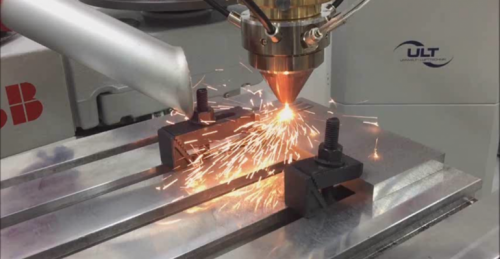
△In addition, laser metal deposition 3D printing technology aims to reduce the waiting time for spare parts during component repair and manufacturing.Reduce maintenance downtime and increase aircraft availability and combat readiness
Solve supply chain issues caused by rapid aviation maintenance
During testing, the C-5M successfully flew for 45 hours using these 3D printed parts, proving that these parts can meet the operational requirements of the C-5M. The successful application of 3D printed parts will allow the Air Force to rapidly manufacture parts when needed without having to rely on traditional manufacturing methods, improving the availability and combat effectiveness of Air Force aircraft. Air Force.
“The 3D printed Antero material appears to be a reliable alternative to phenolic for the work we are doing,” Elliott said. “So far, of all the aircraft we have repaired using these improved materials and processes, we have not encountered any problems.” Todd Hicks, structural maintenance supervisor for the 60th MXS aircraft, highlighted how new technology has sped up some C5-M repair and restoration work. This gives the 60 MXS the ability to produce certain parts on demand if parts are not available locally, without having to go through the lengthy process of sourcing parts from third parties. This approach to integrated 3D printing technology results in faster turnaround times and reduced costs.
This test also verified the broad application prospects of 3D printing technology in the military field. In the future, with the continuous progress of technology and the expansion of applications, 3D printing technology will play an increasingly important role in the military field.
Source: 3D Printing Network
Daguang focuses on providing solutions such as precision CNC machining services (3-axis, 4-axis, 5-axis machining), CNC milling, 3D printing and rapid prototyping services.