
3DPrinting musical instruments is easier than you think! Discover the coolest3DPrint the instrument and start playing music, click Download:Collection of 3D printed musical instrument models in the textAttached you will find independent download links for each instrument.
Generally, musical instruments are expensive;3DPrinting technology can make instruments more affordable while opening up opportunities for creativity and customization.
Basically,3DPrinted instruments cannot produce the same sound quality as traditional instruments. It’s because3DPrinted objects cannot be completely sealed and are usually made of thermoplastic rather than wood or metal. For example,3DPrinted wind reeds will never be as good as purchased reeds, but they’re always fun to try!
In this article,magic monkey networkWillfor everyoneShowcase some things you can do at home3DDesign of printed musical instruments,We found examples of wind instruments, brass, strings and percussion.
wind instruments
Click on the name of each instrument to download the 3D model of the instrument
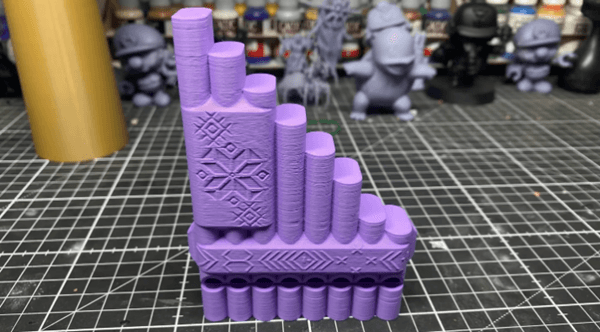
1、whistled pan flute

This popular instrument has been a staple in many cultures around the world for hundreds of years. The designer’s idea was to create a flute in the shape of a whistle, the tube of which would blow different notes. It’s not a new idea, but it has the potential to produce many interesting sounds.
The designer recommends using15%filling,0.2mm layer height and no support to print this flute.
2、12-hole ocarina

Even if you’ve never seen this instrument, you’ve definitely heard its melody. The flute sound of the ocarina is perfect for playing romantic themes, with a soft, sweet sound.12Each sound hole guarantees a variety of notes to help you play your favorite songs。
This product is designed to hit the highest notes without compromising midrange quality or going out of tune.
3、whistle

The project consists of four different whistles: a one-tone whistle, two three-tone whistles and a sliding whistle.
For producersPLAThe whistles are printed and specific printing tips are provided for each design, including suggested supports. Single and tri-color whistles come with optional brackets, while slide whistles are printed in place with internal brackets to keep the slide separate from the outer cavity, so removing the brackets will be a tricky process.
4、harmonica
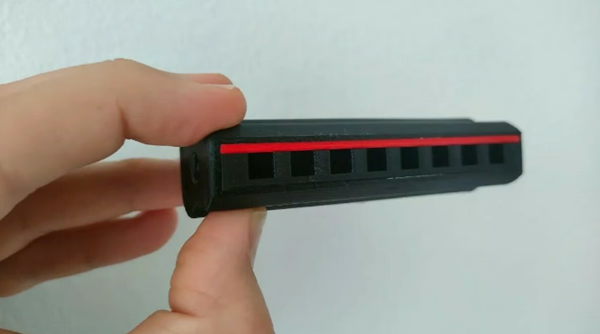
For many people, music is a form of therapy and an integral part of life. However, it is not always possible to take your instrument with you when traveling. It’s this onePrusaThis is where the mouth organ comes in handy. It fits in your pocket so you can take it with you anywhere.
Reeds are sensitive to material, printer and slicer settings, so a good first layer and print settings, along with a well-calibrated printer, are crucial. It is recommended to print on the printing plate with15%fillingPrintSuperior model.
Remember that the reed must be completely free to vibrate up and down when opened without contact with the board.
5、Wooden flute (clarinet)
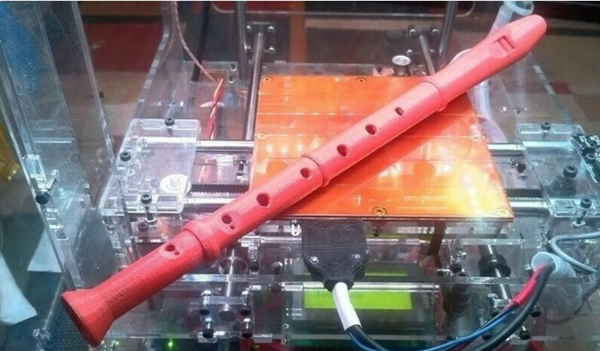
Print your own wooden flute and bring back childhood memories (or traumas)! This recorder is an exact replica of the recorder you learned in school, and you don’t need any additional parts to make it a working instrument.
This wooden flute is printed in four vertical pieces, and each piece can be plugged into each other for easy assembly. Removing internal supports will be a challenge, so if your printer can print without activating supports, you can save a lot of post-processing work.
6、mini saxophone
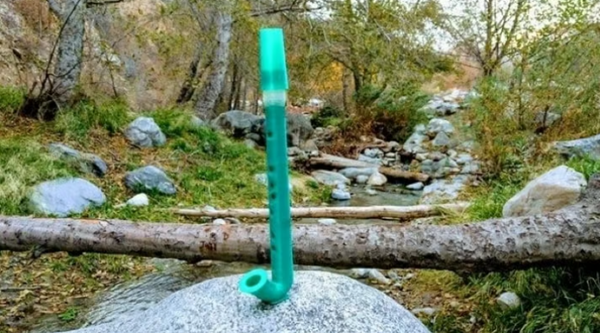
This mini saxophone is smaller than an average clarinet and can be used with the reeds of a tenor or alto saxophone. This model usesTinkercadDrawing, printed in several parts, including one for holding the reed (not3DPrint) a separate connector and tip cap.
There are two versions: the curved bell and the straight bell. The curved flare is a little heavier to print, but allows for a more traditional shape. The designer also offersFFingertips for the major scale so you can start playing your new saxophone!
The saxophone usesPLAAndPETGThe material prints very well。
brass instrument
7、little

This is a playable full-size trumpet that plays well in all directions. The mouthpiece included in this project can also be inserted into a regular trumpet and used!
This is by far the most complex structure on the list, consisting of29individual3DAssembled from printed parts. You will also need screws, springs, and other hardware to make it work properly.
8、trombone
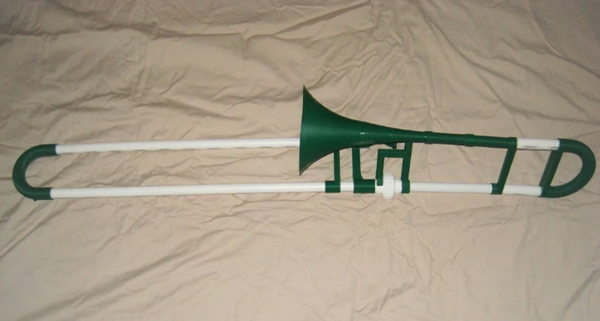
This3D DIYPaperclip printing uses a series of3DPrinted parts and other materials such asPVCpipe) to implement the function. It was initially participated byLulzbotexistRedditheld on3DPrinted musical instrument competition which, according to designers, is the first ever3DPrint paperclip!
There are nine parts to print, and as many as possible are designed to3DPrint. Designers recommend using taller components3-5mm, but note that no support is required.
9、mini trombone

Similar to the previous model, this piccolo trombone is much smaller, but of course still has a slide. The manufacturers claim that it is low volume and not airtight when first printed. It may therefore require some post-processing before it can be played.
Unlike the previous paper clip, this design is completely3DPrinted. The paperclip in the photo above is made of0.2mm height from the ground,15%The filling is printed.
The designers recommended post-processing the model to improve its functionality as an instrument, including oiling the slide and filling gaps to make it more watertight.
Ropes
This section includes some popular stringed instruments such as guitar and violin. We also found more unusual options like the balalaika and jinghu.。
10、Guitar
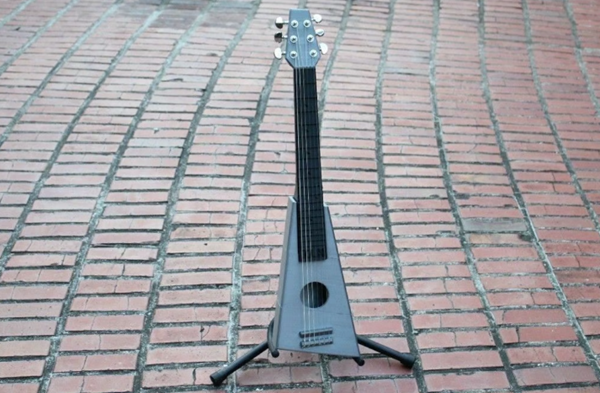
This modern guitar is almost100%3DPrinted, except for a few small hardware items. All you need is super glue for assembly, strings and pegs, and you’re ready to play. The guitar is approximately three-quarters the size of a standard acoustic guitar and is designed to be printed without supports.
The designer recommends loosening the strings when storing the guitar, as the guitar neck will develop some distortion. This means you have to retune it every time you play, but even for“for real“For guitars, this is not unusual!
11、balalaika
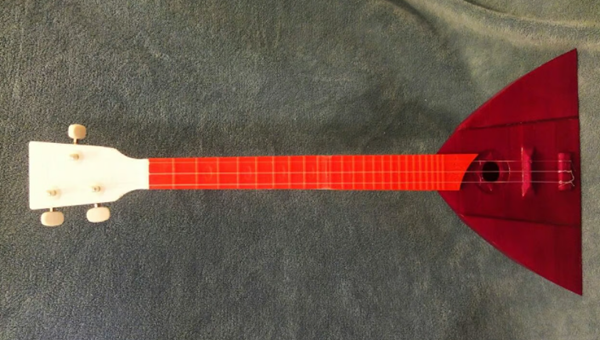
The balalaika is a traditional three-stringed instrument played in Russia. Like other stringed instruments, they are usually made of wood, but this model is almost entirely3DPrinted.
Depending on the size of your printer, you can print models in just four pieces, but if you need to print smaller pieces, connectors are also available. Manufacturers also provide assembly instructions on the project page.
The traditional setup is two nylon strings and one steel string, but you can also use other types and combinations of strings and tuners, even classical guitar strings. The designer recommends printing each part of the instrument with different padding and circumference settings, but all parts should have a layer height of0.2mm.
12、electric violin

This one3DThe printed electric violin is a creative interpretation of the violin, but it is fully playable. The designers wanted to pay homage to the graceful form of Stradivarius violins while modernizing them to suit them3DThe needs of the printing age.
To build and play this violin, you will need screws, nuts and electronic components. The design also uses a wooden deck and allows the use of standard shoulder and cheek rests, or a3DPrint the files for the chin strap. Don’t forget you’ll also need a bow!
There are six main parts that need to be printed, and each part has two options. The parts are all interchangeable with the manufacturer’s other violin models, including five- and six-string versions, so you have a good chance of making it your own.
13、Jinghu
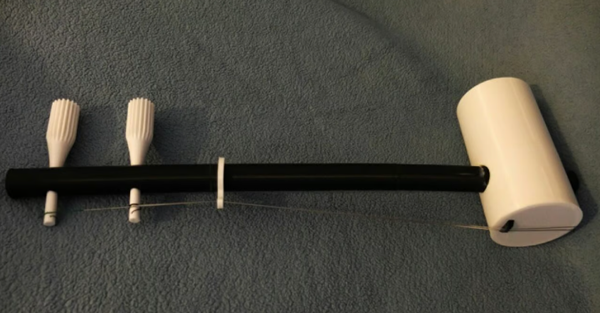
The Jinghu is another traditional musical instrument famous for its use in Peking Opera. It is played with only two strings (you can use violin strings), all other aspects of the instrument are3DPrinted, even the stops! However, you will need to provide yours (and not3Dprinted) bow–A violin bow will probably do the trick too.
You can print the entire bow at once, or you can choose to split the bow into three pieces if you have a smaller printer. You can use glue to reassemble and secure the bow shaft to the bow body, but be careful not to glue the bridge as it is adjustable.
Designer recommends using bodies and tuners30-50%filling, the piano rod uses at least50%filling, use of the bridge100%filling. Other than that, this should be a simple, support-free print!
percussion
14、mini marimba
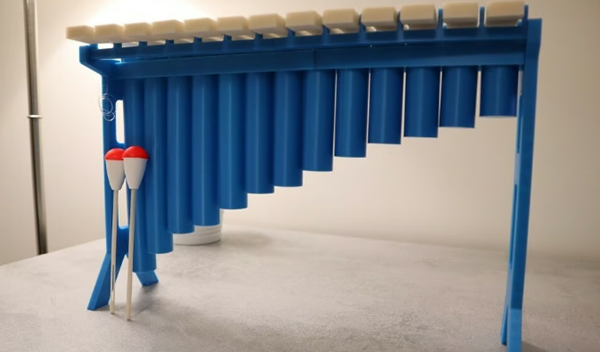
The marimba is an instrument originating from sub-Saharan Africa.18century and was introduced to America. Its tone is unique and interesting, and in Guatemala, for example, it is a national instrument and is often found at social events. Elsewhere in the world, it is often found as an auxiliary percussion instrument, notable for its unique timbre.
A marimba may be easy to play, but building it requires a lot of patience, testing, and adjustments to bring it all together to a satisfying end result. In addition to the specific filament, you will also need fishing line, two bobbers, a small spring, and super glue.
15、maracas
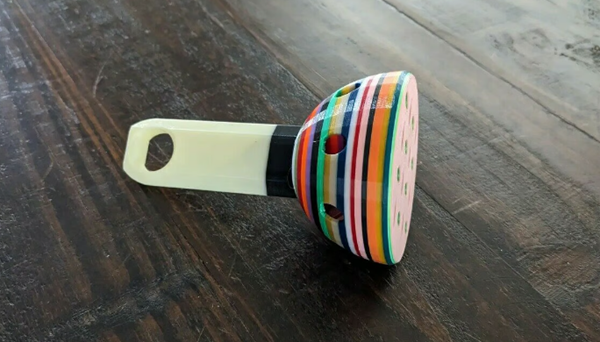
This is another instrument popular in Latin America and played around the world. The traditional maraca uses dry seeds, sand and even stones to make“Ta-ta“her.
Different cultures may use different techniques to make these instruments, but this set of maracas works3DEasily made with filament on the printer. When printing, there is16beads, the beads will loosen after printing. Just push them in with a pen or screwdriver and you’re ready to party!
16、Battery
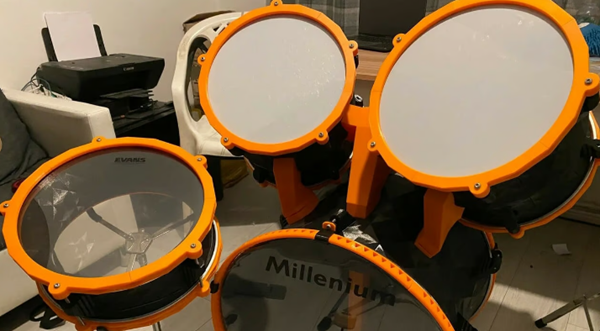
The drums are a powerful percussion instrument that can rock any party with its cool rhythms, and are a staple of many different bands and musical groups. Despite their popularity, drums are, for the most part, not a very inexpensive instrument, which is why many people simply dream of owning a drum kit.
Even if you can’t afford the battery of your dreams, you can make your own from the comfort of your home. The cool thing about this design is that you don’t need a huge3Dprinter, because everything is divided into small pieces, even inPrusa MK3You can also print easily. The designer made this design to participate in Prusa2023Musical instrument competition and finally win the prize! All you need is a lid, a base and someM6-70Socket screw.
17、electronic drums
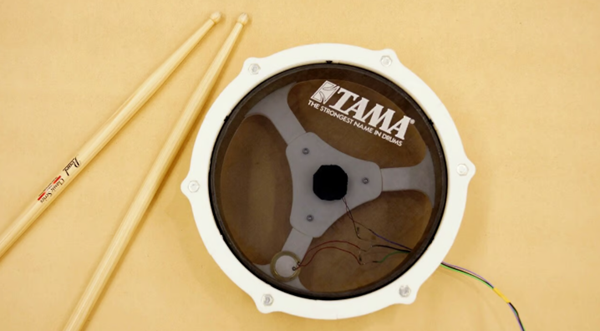
Electric roadIt is an electronic training drum that uses certain3DPrinted parts, screws, sound module (orArduino Uno), some cards for the sides and some other components. This one8A complete list of materials required for inch drums can be found atInstructablesfound on the page.
According to the producer,3DPrinted parts must use20-50%fillings, supports and0.2-0.3Print with a layer height of mm. If you don’t want to use cards for the sides, you can also choose full cards.3DPrintable version.
Compile:all3dp
Daguang focuses on providing solutions such as precision CNC machining services (3-axis, 4-axis, 5-axis machining), CNC milling, 3D printing and rapid prototyping services.



















