
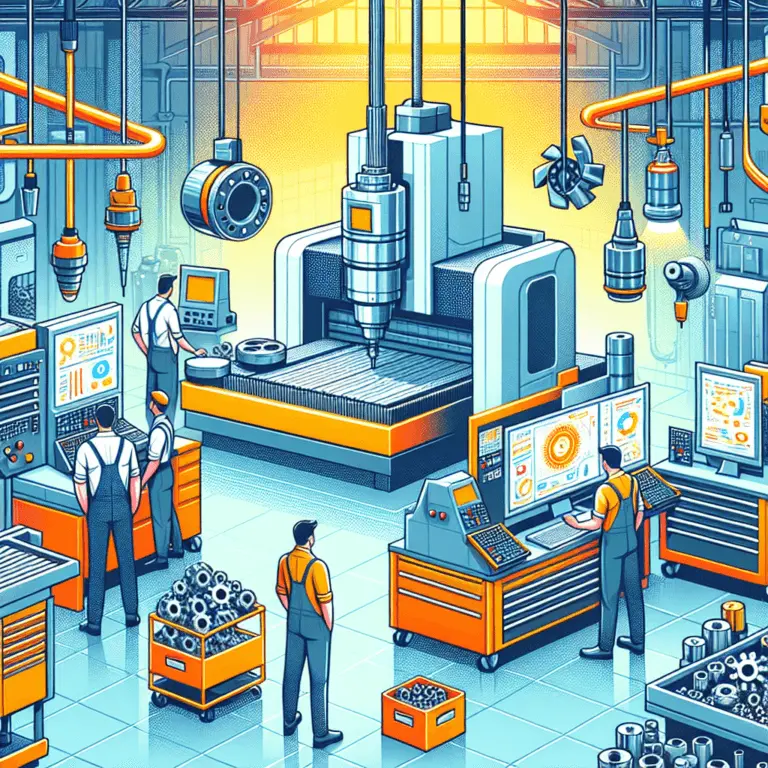
CNC (computer numerical control) machining is the cornerstone of modern manufacturing, enabling precision, accuracy and efficiency in the production of a wide range of parts and products. However, the full potential of a machine can only be realized in a shop where operational efficiency is a priority. Maximizing the efficiency of a CNC machine shop is more than just optimizing machine settings; it involves a holistic approach that integrates technology, workflow organization, employee training and continuous improvement. This article takes an in-depth look at best practices for improving the efficiency of CNC machining operations, while exploring the science underlying these strategies.
Understand CNC machining efficiency
CNC machining It refers to the process of using computer-controlled machine tools to manufacture precision parts from various materials. CNC job shop efficiency encompasses multiple factors, including cycle time, waste minimization, labor optimization and maintenance planning.
Key indicators for measuring CNC machining efficiency
To maximize efficiency, establishing baseline metrics is critical. Key performance indicators (KPIs) include:
cycle: The time required to complete a manufacturing cycle. Reducing cycle times increases throughput.
Usage rate: The total running time of the machine as a percentage of its available time.
First pass rate (FPY): The percentage of defect-free products produced, which affects the scrap rate.
downtime: The period during which the machine is inoperable due to maintenance, breakdown, or settings changes.
- Overall Equipment Effectiveness (OEE): Combines metrics for availability, performance, and quality to provide a comprehensive view of manufacturing efficiency.
By focusing on these metrics, manufacturers can identify areas for improvement and track the results of implemented changes.
Best practices for improving CNC machining efficiency
1. Adopt advanced CNC technology
1.1 Upgrade the machine
Investing in modern CNC machines equipped with advanced features such as multi-axis capabilities can significantly increase productivity. Machine used adaptive machining Adjustments can be made in real time based on material behavior, ensuring optimal settings without manual intervention.
1.2 Intelligent manufacturing solutions
Integrate Internet of Things (IoT) Technology allows for data collection and real-time monitoring of machines. Technologies such as predictive maintenance use sensors to analyze machine performance and identify potential failures in advance, minimizing unplanned downtime.
2. Workflow optimization
2.1 Lean manufacturing
adopt Lean Manufacturing Principles Operations can be significantly simplified. Focusing on eliminating waste—whether in time, materials, or labor—can create a more efficient production process. concepts like this 5S methodology (Sorting, Setting Up, Cleaning, Standardizing, Maintaining) helps organize workplace standards and improve efficiency.
2.2 Work unit design
Create focus work unit Accommodates all equipment and tools needed for a specific operation, minimizing shipping and waiting times. Each work unit can be optimized for the specific needs of that operation, further increasing efficiency.
3. Quality management system
3.1 Quality control technology
Incorporating statistical process control (SPC) helps monitor and control manufacturing processes. Through regular data analysis, manufacturers can identify trends and changes that may lead to defects, allowing them to proactively address issues and optimize FPY.
3.2 Training and workforce development
Skills training for employees should emphasize quality management principles. Ensuring operators understand quality assurance techniques can enhance their ability to identify and correct potential quality issues early in the process.
4. Continuous improvement culture
4.1 Improvement concept
Embed Improvement conceptA “focus on continuous improvement” is embedded in the company culture, and employees at all levels are encouraged to identify inefficiencies and propose solutions. Regular team meetings and brainstorming sessions can provide a platform for these valuable insights.
4.2 Performance evaluation
Conducting regular performance reviews allows management to effectively assess operational efficiency. By regularly analyzing key performance indicators and providing constructive feedback, companies can maintain high performance standards.
5. Effective maintenance management
5.1 Predictive maintenance
Leveraging predictive maintenance strategies for IoT devices can identify potential issues before they cause downtime. This proactive approach reduces the risk of unexpected mechanical failures that could disrupt workflow.
5.2 Regular maintenance
Combined with predictive maintenance, a strict maintenance task scheduling protocol based on machine usage and manufacturer recommendations can maximize machine life and limit downtime.
The role of technology in improving efficiency
Technological progress plays a vital role in CNC machining efficiency. By leveraging software solutions, e.g. CAD/CAM programmanufacturers can streamline design and production processes, minimize errors and shorten cycle times.
CAD/CAM integration
combination Computer Aided Design (CAD) and Computer Aided Manufacturing (CAM) Provides a seamless transition from design to production. CAM systems optimize tool paths and machining parameters, promoting more efficient operations. This not only saves time but also reduces the possibility of human error.
Automation and Robotics
Incorporating automation and robotics into CNC machining can further improve efficiency. Automated systems can assist with loading/unloading materials, tool changes, and even machine monitoring, allowing operators to focus on higher-level tasks and maintain production flow.
Sustainability and CNC efficiency
Sustainability is becoming increasingly important as manufacturers pursue efficiency. Implementing green manufacturing practices can further improve efficiency by reducing waste and promoting responsible use of resources.
waste minimization technology
Adopting strategies that minimize scrap and rework not only saves raw materials but also reduces production costs. Technologies such as process optimization, material selection and recycling can greatly contribute to the sustainability of CNC machining operations.
energy efficiency
Investing in energy-efficient machinery and implementing practices that reduce energy waste can reduce operating costs. Techniques such as proper insulation, energy-efficient plant layout and monitoring energy consumption can lead to significant savings.
in conclusion
Maximizing the efficiency of a CNC machine shop is a multifaceted endeavor that requires strategic planning, investment in technology, a commitment to quality, and cultivating a culture of continuous improvement. By adopting best practices such as advanced technology integration, workflow optimization, quality management and effective maintenance strategies, manufacturers can improve operational efficiency. Ultimately, improving CNC machining efficiency not only increases productivity and profitability, but also puts your business at the forefront of the competitive manufacturing landscape.
FAQ
What are the main KPIs to measure CNC machining efficiency?
Key performance indicators (KPIs) include cycle time, utilization, first time yield (FPY), downtime and overall equipment effectiveness (OEE).
How can you reduce the cycle time of a CNC machining operation?
To improve cycle times, consider upgrading machinery, optimizing machining paths, reducing setup time, and implementing lean manufacturing principles to streamline workflows.
What is the role of predictive maintenance in CNC machining?
Predictive maintenance uses IoT technology to monitor equipment performance in real time to detect potential problems early. This approach minimizes unplanned downtime and extends the life of your equipment.
How can integrated CAD/CAM improve CNC machining efficiency?
Integrated CAD/CAM software simplifies the transition from design to manufacturing, optimizes tool paths and reduces errors, thereby increasing overall productivity.
Why is employee training important for CNC machining efficiency?
Well-trained employees are better able to identify quality issues, operate machines efficiently, and contribute to continuous improvement programs, all of which are critical to maximizing operational efficiency.
This comprehensive approach should give you a solid foundation to create informative and engaging articles to maximize CNC machining efficiency. If needed, further research could refine this article and make it more suitable for specific industries or technological advances in CNC machining.
Daguang focuses on providing solutions such as precision CNC machining services (3-axis, 4-axis, 5-axis machining), CNC milling, 3D printing and rapid prototyping services.



















