
introduce
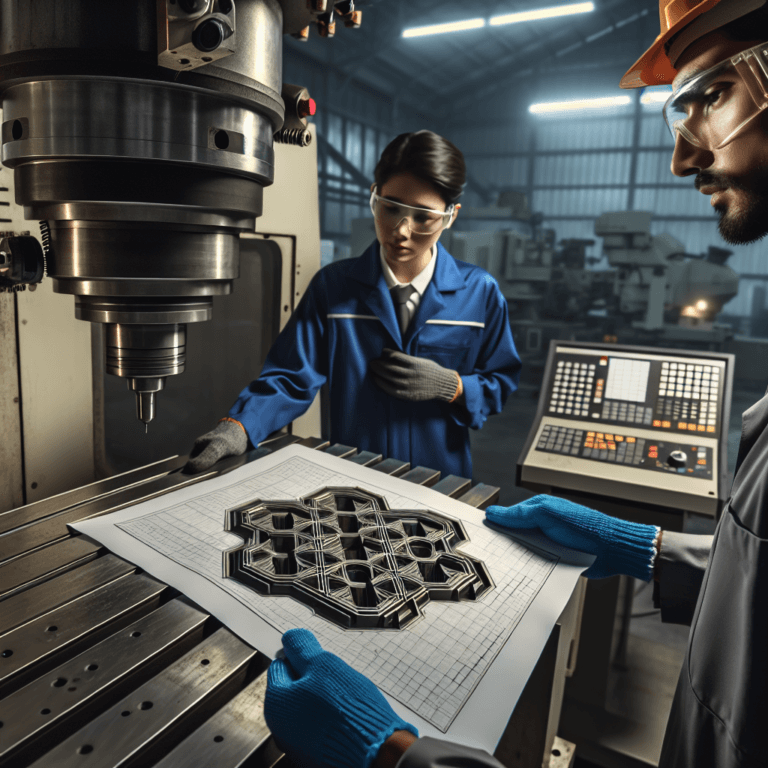
Computer numerical control (CNC) milling is an indispensable technology in modern manufacturing. It enables the creation of complex designs and components with unparalleled precision and efficiency. As the industry moves toward automation and precision engineering, mastering CNC milling techniques is critical for both new and experienced machinists. In this extensive guide, we’ll explore essential techniques, innovative strategies, and scientific principles that contribute to CNC milling accuracy and efficiency.
Learn about CNC milling technology
What is CNC milling?
CNC milling is a subtractive manufacturing process that uses computer-controlled machines to remove material from a workpiece. Unlike traditional manual milling, CNC milling machines operate using pre-programmed software to achieve the highest accuracy in size and shape. The process relies on a variety of cutting tools to create complex designs on different materials, including metals, plastics and composites.
CNC milling core components
To understand how to optimize the CNC milling process, it is crucial to understand the core components of a CNC milling machine:
CNC controller: This is the brain of the CNC machine tool, responsible for interpreting program instructions and controlling the movement of the machine tool.
Axis configuration: Most CNC milling machines operate on three to five axes. The most common is a three-axis setup (X, Y, and Z), while advanced machines can provide additional axes of rotation for complex shapes.
cutting tools: Tool selection significantly affects milling efficiency and accuracy. Common cutting tools include end mills, ball mills, and face mills.
Workpiece holding device: The right fixture ensures that the workpiece remains stable during milling operations. Equipment such as vises, clamps and fixtures play a vital role.
- coolant system: These systems help dissipate heat during machining and reduce tool wear, thereby improving tool life and surface finish.
Key factors affecting accuracy and efficiency
1. Tool selection and maintenance
The importance of tool selection
Choosing the right cutting tool is crucial. Factors such as tool material, geometry and coating must be matched to the workpiece material. For example, high-speed steel (HSS) tools are suitable for softer materials, while carbide tools are suitable for harder materials.
Tool Maintenance Practices
Regular inspection and maintenance of cutting tools is critical to maintaining performance. Here are some maintenance practices to consider:
sharpen: Blunt tools will result in poor surface finish and increased machining time. Regular sharpening will keep your tool cutting efficiently.
clean: Dust and debris can accumulate on tools. Regular cleaning ensures your tools perform optimally.
- Store correctly: Store tools in designated areas to prevent physical damage and corrosion.
2. Machine calibration
Importance of calibration
Machine calibration ensures that CNC milling machines operate within specified tolerances. Regular calibration of axis motion, spindle speed and tool offset is critical to maintaining accuracy.
Steps to Effective Calibration
Alignment check: Make sure the machine is level and properly aligned to avoid any discrepancies during processing.
Tool length measurement: Accurately measure tool length and enter it into the CNC program.
- Trial cut: Regularly conduct test cuts to verify the accuracy of the machine.
3. Programming skills
Efficient G-code programming
Understanding G-code (general code) programming is the foundation of CNC milling. Efficient programming can significantly reduce cycle times and improve accuracy. Here are tips for improving your programming:
Tool path optimization: Reduce unnecessary movements in tool paths to save time and increase productivity.
bicycle use: For repetitive tasks, integrating canned loops (predefined sequences) can significantly speed up programming.
- Dynamic Toolpath Strategies: Utilize advanced strategies such as adaptive cleaning or trochoidal milling to optimize material removal rates while maintaining accuracy.
4. Workpiece settings
The importance of correct settings
Accurate settings are critical to achieving the required precision. The right fixture ensures that the workpiece remains stable throughout the machining process.
Tips for Effectively Holding Workpieces
Use the correct fixtures: Select a fixture that matches the workpiece geometry. Custom fixtures may be required for complex shapes.
Minimize tool overhang: Make sure the cutting tool is as short as possible relative to the workpiece to reduce vibration.
- Safe clamping: Properly clamp the workpiece to prevent movement during processing. Use a combination of clamps and vises to ensure stability.
5. Cutting parameters
Choice of cutting speed and feed rate
The selection of cutting speed and feed greatly affects processing efficiency and surface finish. Here’s how to optimize these parameters:
Speed calculation: Calculate optimal revolutions per minute (RPM) using the following formula:
[
RPM = \frac{Cutting \ Speed}{\pi \cdot Diameter}
]- Combined with adaptive scaling: For different material densities, consider using adaptive feed rates that automatically adjust based on cutting conditions.
6. Use of coolant
The role of coolant in CNC milling
The use of coolant during CNC milling is critical to reducing heat generation, extending tool life and achieving a better surface finish. Select the coolant type based on the material and specific processing conditions.
7. Monitoring and Troubleshooting
Utilize machine monitoring systems
Incorporating a machine monitoring system helps track performance metrics, detect anomalies and improve efficiency. Key aspects include:
Real-time data collection: Sensors can provide real-time data on temperature, cutting forces and spindle behavior.
- Predictive maintenance: Reduce downtime by leveraging data analytics to predict equipment failures before they occur.
Common troubleshooting techniques
Identify vibrations and tremors: Monitor cutting conditions and adjust parameters to avoid chatter, which can lead to poor finish and tool wear.
- Surface finish issues: Analyze surface roughness to determine the root cause, whether it is tool wear, improper speed or incorrect feed rate.
Advanced technology to improve efficiency
1. High Efficiency Milling (HEM)
High-efficiency milling (HEM) uses advanced cutting strategies to maximize material removal rates while minimizing tool wear. This approach typically involves using smaller cutting tools at higher feed rates, thereby increasing efficiency.
2. Automation and Robotics
Integrating automation and robotics into the CNC milling process can significantly increase efficiency. Automated robots can assist in loading and unloading workpieces, reducing manual handling and increasing productivity.
3. Tool path simulation
Use CAD/CAM software with simulation capabilities to visualize tool paths before execution. This minimizes the risk of collisions and helps optimize machining operations.
4. Industry 4.0 integration
Adopting Industry 4.0 principles such as the Internet of Things (IoT) and data analytics can enhance the CNC milling process. Smart factories leverage connected devices to optimize production and enhance decision-making.
in conclusion
Mastering CNC milling requires a combination of technical knowledge, precision, and meticulous attention to detail. By focusing on key factors such as tool selection, machine calibration, programming efficiency and efficient use of coolant, machinists can significantly improve operating accuracy and efficiency. In addition, the use of advanced processes and technologies can push the limits of what CNC milling can achieve. As the industry evolves, staying abreast of emerging trends and adopting innovative practices is critical to success.
FAQ
1. What is the most critical factor in achieving accuracy in CNC milling?
The most critical factors include accurate machine calibration, tool selection and correct workpiece setup.
2. How often should a CNC milling machine be calibrated?
Calibration frequency depends on usage; however, routine inspections should be performed at least monthly and more frequently for high-volume operations.
3. What are the commonly used materials for CNC milling?
Common materials include aluminum, steel, plastics, composites and various alloys.
4. Can I run a CNC mill without coolant?
While possible, it is recommended to use coolant to reduce heat, extend tool life, and achieve a better surface finish.
5. What programming languages are commonly used for CNC milling?
G-code is the standard programming language used in CNC machining to allow precise control of motion and operations.
6. How does automation improve CNC milling efficiency?
Automation can reduce manual handling, minimize downtime and optimize production processes by automatically loading and unloading workpieces.
This expanded and innovative guide delves into the comprehensive nuances of mastering CNC milling, focusing on precision and efficiency. By following the practices outlined in this article, machinists can improve their skills and embrace the future of manufacturing technology.
Daguang focuses on providing solutions such as precision CNC machining services (3-axis, 4-axis, 5-axis machining), CNC milling, 3D printing and rapid prototyping services.



















