
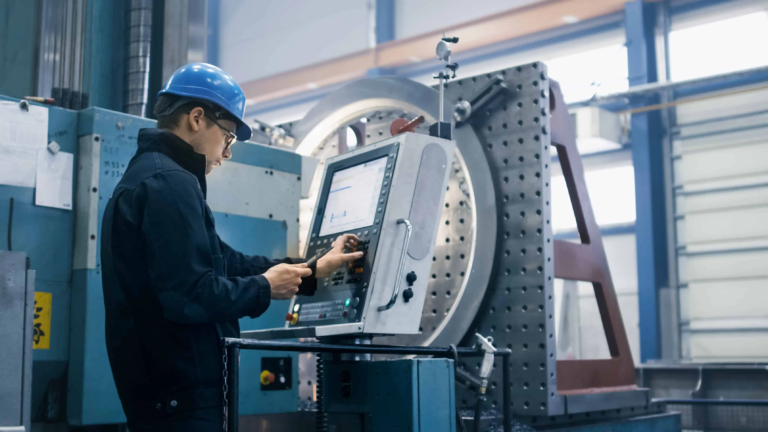
Magnesium alloys in CNC processing: Advantages and challenges
Magnesium alloys have attracted great attention in recent years due to their unique combination of characteristics such as high strength to weight ratio, corrosion resistance and excellent welding properties. These characteristics make it an ideal material for a variety of industrial applications, including aerospace, automotive and medical equipment. In CNC machining, magnesium alloys are a popular choice for manufacturing complex parts, but also present some challenges. In this article, we will explore the advantages and challenges of using magnesium alloys in CNC processing.
Advantages of magnesium alloys in CNC processing
1. High Strength to Weight Ratio: Magnesium alloys have high strength to weight ratios, which makes it an attractive choice for applications where weight reduction is critical. This property allows for the design of lightweight parts that are both durable and durable.
2. Corrosion resistance: Magnesium alloy has excellent corrosion resistance, making it suitable for use in harsh environments. This characteristic is particularly important in industries such as aerospace and automotive, where parts are exposed to extreme temperatures and corrosive substances.
3. Weldability: Magnesium alloys are relatively easy to weld, which is an important advantage in CNC processing. This allows for the construction of complex parts with multiple welding.
Challenges of magnesium alloys in CNC processing
1. Material Characteristics: Magnesium alloys have a unique set of characteristics that can be challenging to use in CNC machining. For example, it is prone to twisting and twisting, which can lead to poor surface effect and dimensional accuracy.
2. Tool wear: Magnesium alloy is a soft material that can cause rapid tool wear. This can lead to increased tool costs and reduced processing efficiency.
3. Difficulty in cutting: Magnesium alloys are difficult to cut, especially at high speeds. This can lead to poor surface effects, reduced processing accuracy and increased material waste.
4. Twisting and cracking: Magnesium alloys can exhibit distortion and cracking during processing, especially when using high-speed cutting tools. This can lead to expensive rework and loss of accuracy.
Tips for processing magnesium alloys in CNC processing
1. Using high-performance cutting tools: High-performance cutting tools, such as those coated with TIN or AL2O3, can help reduce tool wear and improve machining performance.
2. Implement appropriate coolant applications: Proper coolant applications can help reduce heat generation and distortion during processing. This can be achieved by using an internal or external coolant system.
3. Optimize cutting parameters: Optimizing cutting parameters such as speed, feed rate and cutting depth is crucial to achieving accurate and precise parts.
4. Use of secondary heat treatment: Secondary heat treatment can help eliminate residual stress and distortion, thereby improving the accuracy and finish of the parts.
in conclusion
Magnesium alloys are a versatile material that can provide multiple advantages in CNC machining, including high strength to weight ratio, corrosion resistance and solderability. However, it also presents several challenges, including material properties, tool wear, cutting difficulties, and distortion and rupture. By understanding these challenges and implementing appropriate machining techniques, manufacturers can successfully process magnesium alloy parts. Appropriately, our experienced team of engineers and mechanics will work closely with you to optimize the magnesium alloy processing process to ensure you get high-quality parts on time and within your budget.
FAQ
Q: What are the benefits of using magnesium alloys in CNC processing?
A: Magnesium alloys provide several benefits, including high strength to weight ratio, corrosion resistance and weldability, making them an ideal material for a variety of industrial applications.
Q: What are the challenges of processing magnesium alloys?
A: Magnesium alloys are prone to twisting and twisting, tool wear, difficulty cutting, and twisting and cracking.
Q: How to improve processing performance when working with magnesium alloys?
A: Implementing appropriate coolant applications, optimizing cutting parameters and using high-performance cutting tools can help improve processing performance when using magnesium alloys.
Q: Can I use the internal machine magnesium alloy?
A: While magnesium alloys can be performed internally, it is recommended to use certified CNC machining services (such as high-quality light) that have the expertise and equipment to optimize the machining process and ensure high-quality parts.
Q: How to reduce material waste when processing magnesium alloys?
A: By optimizing cutting parameters and using high-performance cutting tools, you can reduce material waste and minimize the risk of distortion and cracking when processing magnesium alloys.
Q: Can I use secondary heat treatment to eliminate residual stress in the magnesium alloy part?
A: Yes, secondary heat treatment can help eliminate residual stress and distortion, thereby improving the accuracy and finish of the part.



















