
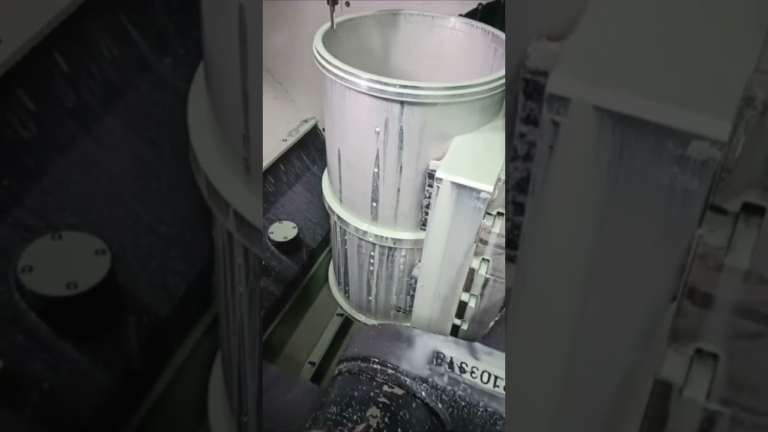
Understanding Large Cavity CNC Machining
In today’s advanced manufacturing landscape, precision is key, especially when it comes to creating large cavities for a multitude of applications. Large cavity CNC machining stands out as a pivotal technology that allows manufacturers to create intricate geometries, ensuring that components fit perfectly in various systems. Whether in aerospace, automotive, or medical manufacturing, CNC (Computer Numerical Control) machining has revolutionized the way we approach complex cavity designs.
What is CNC Machining?
CNC machining is a method of automating the control of machining tools via computers. This technology utilizes coded instructions that dictate the movements of tools, thereby enabling them to cut, shape, and finish materials with high precision. These machines can operate multiple axes, which allows for the intricate design and creation of complex shapes, including large cavities.
The Importance of Large Cavities in Manufacturing
Large cavities are essential components in many industries. For example, in aerospace, components often require large cavities for weight reduction and aerodynamic efficiency. In the automotive sector, large cavities might be used for making engine blocks or other critical parts. Medical devices also often require large cavities for ergonomics and functionality.
Creating these cavities often requires larger machines and specialized tools, making the process more complex than traditional machining methods. The capability to accurately machine large cavities can significantly influence the performance and reliability of the final product.
Key Techniques in Large Cavity CNC Machining
1. Advanced Toolpath Strategies
When machining large cavities, it’s vital to adopt efficient toolpath strategies. High-Performance Machining (HPM) techniques are commonly employed, allowing for faster feeds and reduced machining time without compromising accuracy. This is achieved through dynamic toolpath generation, which optimizes how tools move through the material.
2. 5-Axis Machining
For large cavity work, 5-axis CNC machining machines are indispensable. They allow the cutting tool to approach the part from virtually any direction, enabling the machining of complex internal geometries. This versatility means that large cavities can be machined more efficiently and with better surface finish quality.
3. Adaptive Machining
This technique involves modifying the machining process in real time based on feedback from the cutting tools. Adaptive machining ensures that the machining parameters remain optimal throughout the process, adapting to any changes in tool wear or material characteristics.
Selecting the Right Materials for Large Cavity CNC Machining
Choosing the appropriate material for machining large cavities is critical. The choice often depends on the application and desired characteristics of the end product. Common materials include:
-
Aluminum Alloys: Lightweight and easy to machine, aluminum is a popular choice for parts that need to balance rigidity with weight.
-
Titanium: Known for its strength and resistance to corrosion, titanium is essential in aerospace components, although it can pose challenges due to its hardness.
-
Plastics: Certain applications might require polymers or composites with large cavities, especially in instances where weight reduction is critical.
- Steel Alloys: Steel is often selected for its durability and mechanical properties, making it suitable for heavy-duty applications.
The Challenges of Large Cavity CNC Machining
While the benefits of large cavity CNC machining are numerous, there are several challenges that manufacturers face, including:
1. Increased Tool Wear and Tear
Machining large cavities often requires more aggressive cutting conditions, which can lead to increased tool wear. Choosing the right cutting tool material and coating can mitigate this issue, extending tool life and performance.
2. Chip Management
The removal of material in large quantities can lead to chip accumulation, which can disrupt the machining process. Innovative chip management systems are crucial for ensuring a smooth operation. Some manufacturers employ advanced vacuum systems to prevent recutting of chips and maintain a clean work area.
3. Vibration Control
Large cavity machining can induce vibrations that impact accuracy and surface finish. Utilizing stabilizing equipment and optimized tool paths can help in minimizing these vibrations, resulting in better overall quality.
The Future of Large Cavity CNC Machining
As technology continues to evolve, the future of large cavity CNC machining looks promising. Innovations in AI and machine learning are set to revolutionize how manufacturers approach machining. Rather than being limited to preset tool paths, future machines may adapt their processes dynamically based on real-time data analysis, significantly improving efficiency and precision.
Additionally, advancements in materials science will provide even lighter and stronger materials for use in large cavity applications, further expanding their utility across various industries.
Best Practices for Large Cavity CNC Machining
To achieve optimum results in large cavity CNC machining, consider implementing the following best practices:
1. Proper Machine Calibration
Regular calibration of CNC machines ensures that the tools and machines maintain their intended precision levels. This practice prevents errors and keeps production consistent.
2. Invest in Quality Tools
Investing in high-quality cutting tools, including inserts and end mills, tailored for specific applications will yield better results. Quality tools can resist wear and handle high-speed operations more effectively.
3. Continuous Training for Operators
A well-trained CNC machinist can make a significant difference in the quality of the final product. Ongoing education in new techniques, technologies, and safety measures keeps staff up to date on best practices.
4. Efficient Design and Simulation Software
Utilizing state-of-the-art CAD/CAM software allows manufacturers to plan and simulate machining processes, optimizing tool paths and identifying potential problems before they arise.
Conclusion
Large cavity CNC machining represents the forefront of modern manufacturing technology. By combining precision machining techniques with the latest advancements in machinery and software, manufacturers can produce high-quality components that meet the demands of today’s industries. With continuous innovations on the horizon, the future of large cavity CNC machining promises to deliver even greater efficiency, accuracy, and versatility, enabling businesses to compete in a rapidly evolving market. Embracing this technology not only enhances production capabilities but also positions manufacturers at the forefront of innovation in their fields.
Emphasizing collaboration with skilled CNC machinists and leveraging the right technologies can transform large cavity machining from a complex challenge into a streamlined process that drives growth and success across various sectors.
Daguang focuses on providing solutions such as precision CNC machining services (3-axis, 4-axis, 5-axis machining), CNC milling, 3D printing and rapid prototyping services.



















