
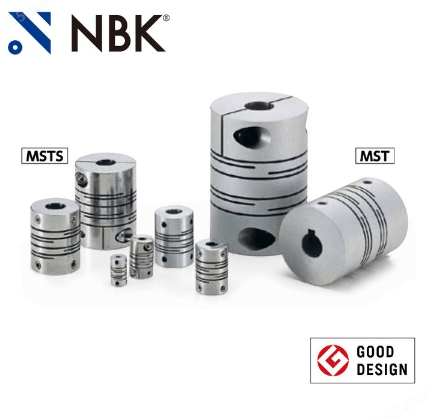
The Ultimate Guide to Maintaining Your Stainless Steel Couplings
As a vital component in various industries, stainless steel couplings play a crucial role in ensuring smooth and efficient operation. With their high corrosion resistance and durability, they have become a popular choice for many applications. However, even with these superior characteristics, regular maintenance is essential to ensure their optimal performance and longevity. In this blog post, we will delve into the importance of maintaining stainless steel couplings and provide comprehensive guidelines for optimal upkeep.
Regular Inspection and Cleaning: The First Line of Defense
Regular inspection and cleaning are essential to ensure the couplings remain in good condition and prevent potential issues from arising. Here’s what you need to do:
- Regular Inspection:
- Perform regular inspections of the coupling’s ties, such as bolts, pins, and other fasteners, to ensure they are securely tightened and free from wear caused by relaxation.
- Check for any signs of damage, deformation, or wear on the surface and internal parts of the coupling. If problems are detected, replace the affected components promptly.
- Cleaning:
- Use a soft brush or cloth to remove oil, dust, and other impurities from the coupling’s surface on a regular basis.
- Be cautious not to damage the surface covering or lubricating layer during cleaning.
Lubrication and Maintenance: Greasing the Right Places
Proper lubrication is crucial for the smooth operation of your stainless steel couplings. Here’s how to do it:
- Lubrication:
- Use lubricating oil or fat to lubricate rolling components that require it, following the recommended lubrication schedule.
- Ensure each lubrication point is fully coated to prevent wear and tear.
- Anti-Corrosion:
- While stainless steel couplings have natural corrosion resistance, additional protection is still necessary in harsh environments.
- Apply lubricating oil or anti-corrosive paint to key parts to prevent corrosion and rust.
Storage and Protection: Handling Cautions
When not in use, it’s essential to store your stainless steel couplings properly to prevent rust and damage. Here’s how:
- Storage:
- Clean and apply anti-corrosive oil to the coupling before storage.
- Store in a dry, well-ventilated area to prevent moisture and high temperatures from causing rust.
- Protection:
- Handle with care to avoid contact with chemical fumes, particularly acidic and corrosive substances.
- Maintain the coupling’s horizontal position during operation to minimize vibrations and wear.
Safety and Maintenance Operations: A precautionary Approach
When working with stainless steel couplings, safety must be the top priority. Here’s how to ensure a safe and successful experience:
- Safe Operation:
- Adhere to strict safety guidelines when operating and maintaining your couplings to prevent accidents and injuries.
- Implement adequate security measures for flammable or explosive components.
- Professional Maintenance:
- When disassembling, cleaning, or repairing your coupling, it’s crucial to employ the services of qualified professionals.
- Utilize professional tools and follow proper operating procedures to avoid damaging the coupling or compromising its performance.
Conclusion: A Comprehensive Approach to Stainless Steel Coupling Maintenance
By following the guidelines outlined in this post, you can ensure the long-term stability and performance of your stainless steel couplings. By combining regular inspection and cleaning, proper lubrication and maintenance, storage and protection, and safe operation, you will be well on your way to maintaining the highest level of reliability and efficiency from your couplings.
Don’t neglect your stainless steel couplings – take the first step towards a smoother, more efficient, and longer-lasting operation today.



















