

If you’re in the aerospace, automotive, or heavy equipment industry, you’ve likely asked yourself: How To Build A Large CNC Machine? Whether you’re looking to expand in-house production capabilities or tackle custom large-part projects, building a large CNC system is a complex, resource-intensive endeavor that demands deep technical expertise, substantial upfront investment, and meticulous attention to detail. While it’s possible to build a large CNC machine from scratch, many businesses find that partnering with a professional precision machining manufacturer like GreatLight Metal (GreatLight CNC Machining Factory) is a more cost-effective and reliable alternative to meet their large-part machining needs.
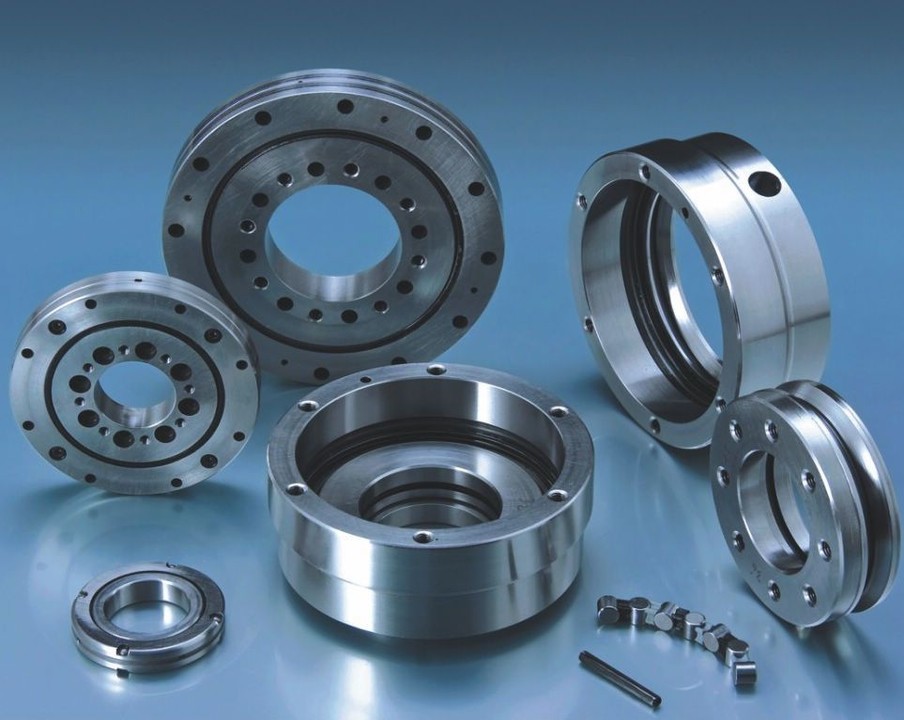
How To Build A Large CNC Machine?
Building a large CNC machine (defined as systems with a maximum work envelope of 2000mm or more) involves six critical phases, each with its own set of technical challenges and requirements:
1. Define Requirements and Feasibility Analysis
Before drafting any designs, you must clearly outline your production needs to ensure the machine aligns with your use case:
Application Clarity: Specify the types of parts you’ll machine (e.g., aerospace structural frames, automotive engine blocks, large mold bases) and materials (aluminum alloy, titanium, stainless steel, cast iron).
Technical Parameters: Lock in key specs like maximum travel range (e.g., 4000mm for extra-large parts), precision tolerance (±0.001mm for high-end applications), spindle torque, and workpiece load capacity.
Feasibility Assessment: Calculate upfront costs (typically $500k–$2M+ for high-precision systems), lead times (6–12 months for design to deployment), and whether your team has the in-house engineering and machining expertise to execute the project. Many businesses discover that these resources are better allocated to core operations rather than machine construction.
2. Design and Engineering
This phase is the backbone of your large CNC machine, as poor design can lead to vibration, precision errors, and premature wear:
Mechanical Design:
Frame and Bed: Choose between welded steel frames (cost-effective, suitable for medium-precision tasks) or cast iron beds (superior vibration damping, ideal for high-precision 5-axis machining). All frames must undergo stress relief (heat treatment or natural aging) to eliminate internal stresses that cause deformation over time.
Motion System: Select heavy-duty linear guides and ball screws with preload to minimize backlash. For 5-axis machines, add rotary tables or tilting spindles to enable multi-directional machining.
Electrical and Control Systems:
Install industrial-grade CNC controllers (e.g., FANUC 31i-B5, Siemens 840D sl) to handle complex motion paths for large parts.
Pair controllers with high-torque servo motors and drives capable of moving heavy workpieces smoothly at varying speeds.
Simulation: Use CAD/CAM software (e.g., SolidWorks, Mastercam) to simulate machine kinematics, identify potential interference between the spindle and workpiece, and optimize tool paths before physical fabrication.
3. Sourcing Components and Materials
Sourcing genuine, high-quality components is non-negotiable for large CNC machines, as counterfeit or substandard parts can lead to catastrophic failures:
Critical Components: Partner with authorized distributors for linear guides (Hiwin, THK), heavy-duty spindles (HSD, DMG Mori), and tool changers to ensure warranty coverage and performance consistency.
Materials: For machine beds, choose cast iron with high damping properties; for frames, use stress-relieved low-carbon steel to prevent warping.
Lead Time Risks: Large, custom components can take 3–6 months to deliver, which can delay your project timeline significantly.
4. Fabrication and Assembly
Assembly of a large CNC machine requires specialized tools and trained technicians to ensure micron-level precision:
Frame Fabrication: Weld steel frames using robotic welding systems for consistency, then machine mating surfaces to within ±0.01mm tolerance. For cast iron beds, perform precision grinding to achieve flatness and parallelism.
Component Alignment: Use laser interferometers to calibrate linear guides and ball screws, ensuring alignment errors are less than 0.002mm per meter of travel. For 5-axis systems, calibrate rotary axes using a ball bar to verify circular interpolation accuracy.
Electrical and Hydraulic Integration: Route wiring and hydraulic lines in a way that minimizes interference with moving parts, and install safety interlocks (e.g., emergency stops, door sensors) to comply with OSHA and ISO safety standards.
5. Calibration and Testing
Even the best-designed machines require rigorous testing to confirm they meet performance specifications:
Precision Calibration: Use coordinate measuring machines (CMMs) to test positioning accuracy and repeatability across the entire work envelope. Adjust servo gains and backlash compensation settings as needed.
Load Testing: Run the machine with full-size, heavy workpieces to test spindle torque, motion stability, and heat dissipation. Monitor for vibration or deflection that could compromise part quality.
Compliance Checks: Ensure the machine meets industry-specific standards (e.g., IATF 16949 for automotive, ISO 13485 for medical) if you plan to use it for regulated parts production.
6. Post-Assembly Optimization and Training
Fine-Tuning: Adjust feed rates, spindle speeds, and tool path parameters to optimize surface finish and machining efficiency for your target parts.
Operator Training: Train in-house technicians on machine operation, maintenance (e.g., lubrication, filter replacement), and troubleshooting to minimize downtime.
Weighing the Pros and Cons: Build In-House vs. Partner with a Professional Machining Provider
| While building your own large CNC machine offers full design control, it comes with significant drawbacks that many businesses overlook: | Build In-House | Partner with a Professional Provider |
|---|---|---|
| Upfront cost: $500k–$2M+ | No upfront equipment investment; pay only for parts machined | |
| Lead time: 6–12 months | Fast turnaround: prototypes in 2–5 days, production runs in 1–4 weeks | |
| Requires in-house engineering, machining, and calibration expertise | Access to a team of certified engineers and technicians with 10+ years of experience | |
| Long-term maintenance and repair costs | Provider handles maintenance and calibration; includes after-sales support | |
| Risk of design flaws or precision errors | ISO 9001-certified processes ensure consistent quality |
For most businesses, outsourcing large-part machining to a specialist like GreatLight Metal is the more practical choice.
GreatLight Metal: Your Trusted Partner for Large CNC Machining Solutions
GreatLight Metal (GreatLight CNC Machining Factory) is a leading precision machining manufacturer with over 12 years of experience in handling large, complex parts for aerospace, automotive, medical, and industrial automation sectors. Here’s why they’re the ideal alternative to building your own large CNC machine:
State-of-the-Art Equipment: Their 7600 sqm facility houses 127 precision machines, including large high-precision 5-axis, 4-axis, and 3-axis CNC machining centers with a maximum processing size of 4000mm. They offer precision 5-axis CNC machining services that enable multi-sided machining of large parts in a single setup, reducing lead times and minimizing errors.
ISO-Certified Quality: GreatLight holds ISO 9001:2015, IATF 16949, ISO 13485, and ISO 27001 certifications, ensuring compliance with strict industry standards. Their precision capabilities extend to ±0.001mm, meeting the most demanding aerospace and medical requirements.
One-Stop Services: From design optimization to post-processing (anodizing, powder coating, polishing), GreatLight offers end-to-end solutions so you don’t have to coordinate with multiple vendors.
Risk-Free After-Sales: They provide a free rework guarantee for quality issues, with a full refund if rework fails to meet your specs—something you won’t get from building your own machine.
Case Study: Aerospace Large-Part Machining
A European aerospace client needed to produce 3500mm-long aluminum structural frames for a new satellite launch vehicle. Initially, the client considered investing €1.2M to build their own large CNC machine, with an estimated lead time of 10 months. Instead, they partnered with GreatLight Metal, which had existing 5-axis CNC systems capable of handling the part size. GreatLight delivered the first prototype in 2 weeks, and full production runs in 6 weeks, with a precision tolerance of ±0.002mm. The client saved over €1M in upfront costs and cut their time to market by 8 months.
Conclusion
Building a large CNC machine requires navigating a maze of design, engineering, sourcing, and calibration challenges that can stretch even the most experienced teams thin. For businesses that prioritize speed, quality, and cost efficiency, outsourcing to a specialized provider like GreatLight Metal eliminates the risks and overhead of in-house construction, while delivering precision parts that meet the strictest industry standards. At the end of the day, whether you choose to build your own system or partner with an expert, the answer to How To Build A Large CNC Machine? should align with your long-term production goals and resource capabilities.
Frequently Asked Questions (FAQ)
Q1: How much does it cost to build a large CNC machine?
A: Costs vary widely based on precision and size. Entry-level 3-axis large CNC machines start at $500k, while high-precision 5-axis systems with 4000mm travel can exceed $2M. Additional costs include component sourcing, engineering labor, calibration tools, and facility modifications (e.g., reinforced flooring, power upgrades).
Q2: What is the lead time for building a large CNC machine?
A: From initial design to full deployment, lead times typically range from 6 to 12 months. This includes 2–3 months of design, 3–6 months of component sourcing, 1–2 months of assembly, and 1 month of calibration and testing.
Q3: Can self-built large CNC machines meet the same precision standards as commercial ones?
A: It’s possible, but requires access to high-end calibration tools (laser interferometers, CMMs) and trained technicians. Commercial machines from reputable manufacturers undergo rigorous factory calibration and testing, often meeting tighter tolerances than self-built systems.
Q4: When is it better to outsource large CNC machining instead of building your own machine?
A: Outsource if:
You don’t have the upfront capital to invest in machine construction.
You need parts quickly (prototypes in days instead of months).
You don’t have in-house expertise in CNC machine design and calibration.
You only need to machine large parts occasionally (not full-time production).
Q5: What certifications should I look for in a large CNC machining service provider?
A: Prioritize providers with ISO 9001:2015 (quality management), IATF 16949 (automotive industry), ISO 13485 (medical devices), and ISO 27001 (data security) certifications. These ensure compliance with industry standards and reduce quality risks. For more insights into large CNC machining solutions, you can connect with GreatLight Metal to explore their case studies and industry expertise.



















