

When evaluating the capabilities of CNC machining for wood, one of the most common and critical questions posed by designers, engineers, and makers is: how small can my CNC machine cut wood? This question sits at the intersection of ambition and reality, pushing the boundaries of what’s possible in transforming intricate digital designs into tangible wooden masterpieces. The answer is not a single number but a fascinating exploration of machine capability, tooling technology, material science, and engineering expertise.
At its core, the limit of how small a CNC machine can cut is defined by the smallest tool it can effectively use and the machine’s ability to maintain precision at high spindle speeds. While advanced industrial machines can achieve feats of extreme miniaturization, practical limits for most projects are governed by a set of key factors.
H2: Defining the Limits: The Role of Tooling and Machine Precision
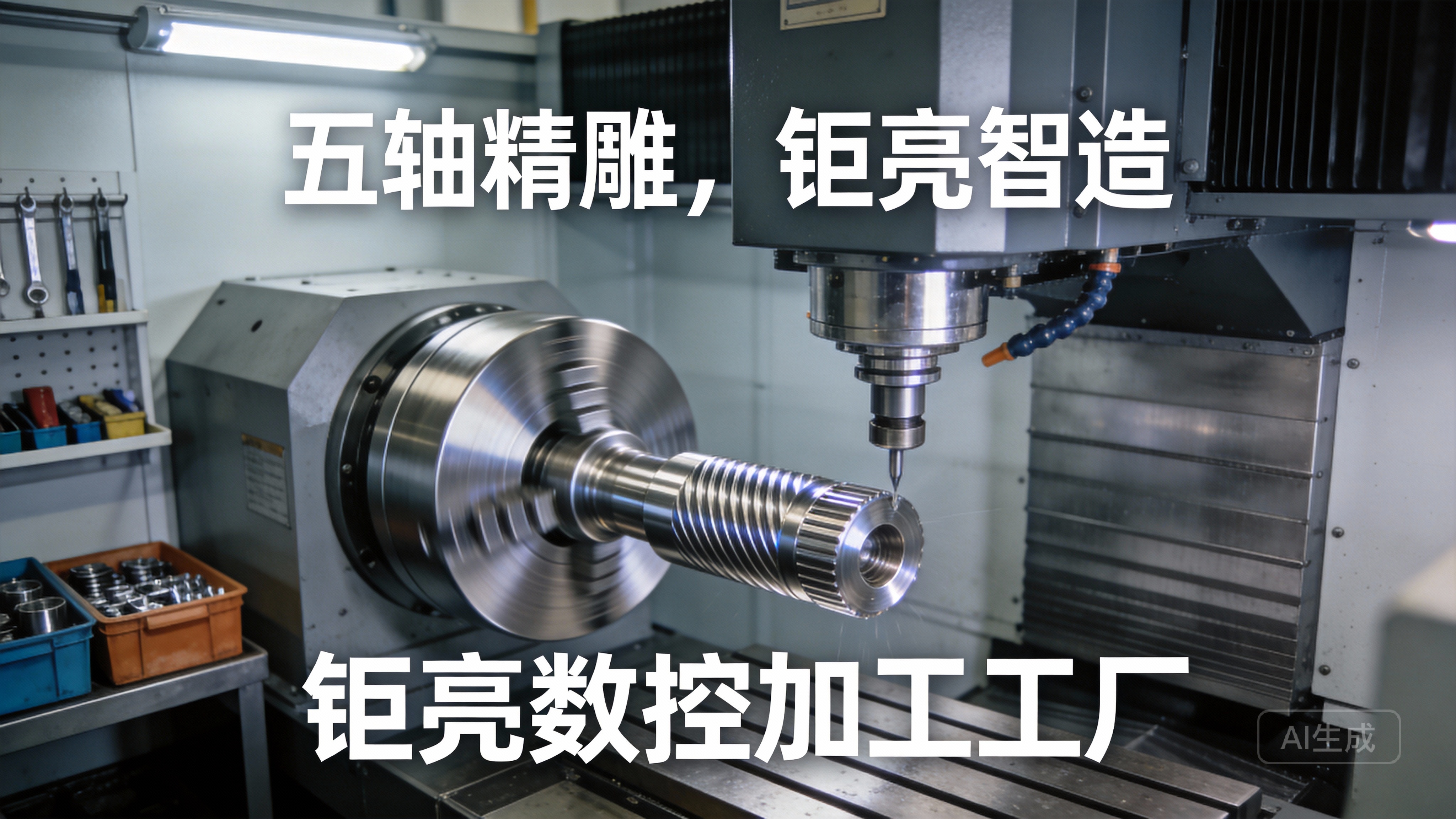
The smallest possible cut is primarily a function of the cutting tool, or end mill. Commercially available carbide end mills for wood can be found down to diameters of 0.1mm (0.004 inches) or even smaller. However, using such a tool is a specialized endeavor and not typical for standard routing.
Common Fine-Detail Tools: For most high-precision woodworking, tools in the range of 0.5mm to 1.5mm (0.02″ to 0.06″) are used for fine engraving, delicate inlays, and complex 2.5D carvings.
The Spindle and RPM: A high-frequency spindle capable of reaching 20,000 RPM or more is crucial for small tools. High RPMs maintain a proper chip load, preventing the tool from snapping, burning the wood, or producing poor surface finishes.
Machine Rigidity and Vibration: Any flex or vibration in the CNC machine’s frame will be amplified with a tiny tool, leading to broken tools, inaccurate cuts, and a “chatter” marks on the workpiece. A rigid, well-built machine is non-negotiable for micro-cutting.
H2: Material Matters: How Wood Type and Grain Influence Miniaturization
Not all woods are created equal when pushed to the limit of small-scale machining.
Hardwoods vs. Softwoods: Dense, fine-grained hardwoods like maple, cherry, or walnut are generally superior for holding extreme detail. Their consistent fiber structure allows for cleaner shear and less tear-out. Softwoods like pine, with alternating hard and soft grain, can be more challenging, as the tool may deflect when encountering a harder growth ring.
Composite Materials: Engineered woods like MDF (Medium-Density Fiberboard) or high-quality plywood have a homogeneous, predictable structure with no grain direction. This makes them excellent for achieving crisp, clean edges in very small features, as there is no risk of splintering along the grain.
Grain Direction: Climb vs. conventional milling strategies become critically important. Machining across the grain (perpendicular) often yields cleaner results on small edges than machining with or against the grain, which can cause tear-out.
H3: Practical Applications of Ultra-Small Wood Cutting
Pushing the limits of small-scale CNC wood cutting unlocks remarkable applications:
Intricate Inlays and Marquetry: Creating precise pockets and corresponding inserts from contrasting wood species, often with features and walls as thin as 0.3-0.5mm.
Micro-Text and Detailed Engraving: Producing legible serial numbers, intricate logos, or artistic textures on a microscopic scale.
Functional Miniature Parts: Manufacturing tiny gears, hinges, or structural components for scale models, musical instruments (like violin pegs and tailpieces), or custom mechanical assemblies.
Complex 3D Reliefs: Capturing extraordinary detail in artistic carvings, where fine feathers, fur textures, or facial features are defined by cuts from small ball-nose end mills.
H2: The GreatLight Metal Advantage: Engineering for Microscopic Precision
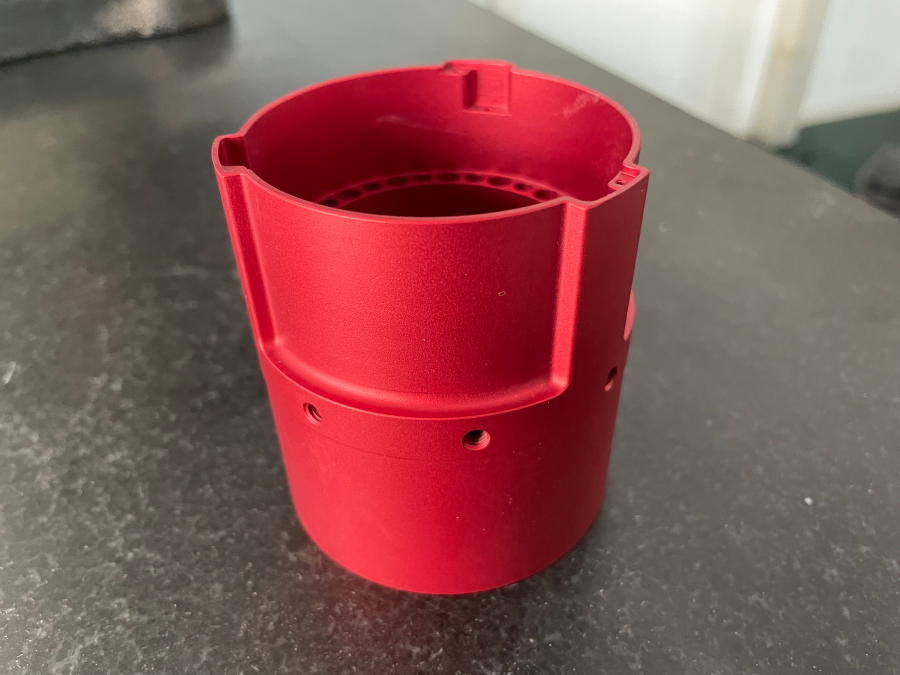
When standard CNC routing reaches its threshold, the capabilities of advanced 5-axis CNC machining redefine what is possible. This is where a partner like GreatLight Metal transforms the paradigm. While renowned for metal, the same principles of ultra-precision apply to machining hardwoods and technical composites.
Our approach to answering “how small can we cut?” is built on a foundation of technical superiority:
Advanced 5-Axis CNC Technology: Unlike 3-axis machines that only move vertically, our 5-axis CNC machining centers allow the cutting tool to approach the workpiece from virtually any angle. This is critical for machining undercuts and extremely delicate features without requiring multiple setups that could compromise a fragile part.
Rigid Machine Platforms & High-Speed Spindles: Our industrial-grade equipment is designed for stability at micron-level tolerances. Coupled with high-speed spindles, we can safely and effectively deploy sub-1mm tools where lesser machines would fail.
Engineered Process Design: Our engineers don’t just run the program; they design the process. This includes:
Optimal Toolpath Strategy: Using specialized CAM software to generate toolpaths that minimize tool deflection and lateral stress on fine features.
Strategic Sequencing: Machining delicate sections in multiple light passes rather than a single aggressive cut.
Intelligent Fixturing: Designing custom fixtures that securely hold a workpiece without applying damaging pressure to thin walls or fragile details.
H2: Pushing Boundaries: Case in Point
Consider a project requiring a delicate wooden grille with intersecting lattice work where each wall is only 0.4mm thick. A traditional 3-axis approach might struggle with tool access and wall rigidity. At GreatLight Metal, our engineers could:
Select a specially coated, ultra-fine carbide end mill.
Program the 5-axis machine to machine the lattice from optimal angles, supporting the thin walls during cutting.
Use a vacuum fixture to hold the workpiece uniformly without clamps that could mark or crush the delicate structure.
Machine the part from a stable, fine-grained hardwood or specialized composite to ensure success.
Conclusion
So, how small can a CNC machine cut wood? For robust, production-ready results, the practical limit for most high-end applications lies in the 0.2mm to 0.5mm feature size range, achieved through a symphony of the right tool, the right material, a supremely rigid machine, and most importantly, profound engineering expertise. While smaller is technically possible, it ventures into the realm of specialized micro-machining.
For designers and innovators whose visions demand this level of precision and reliability in wood or advanced composites, partnering with a manufacturer that possesses 5-axis CNC machining capabilities and a systemic commitment to quality is not just an option—it’s a necessity. It bridges the gap between digital perfection and physical reality, ensuring that the most minute detail of your design is rendered with flawless integrity.
FAQ: How Small Can My CNC Machine Cut Wood?
Q1: What is the absolute smallest tool size I can use on a desktop CNC for wood?
A: While you can purchase end mills down to 0.1mm, successfully using them on a desktop CNC is extremely challenging. Effective use typically requires a professional-grade, very rigid machine with a high-speed spindle (24,000+ RPM) and perfect runout. For most desktop users, 0.8mm or 1/32″ is a more realistic and reliable lower limit.
Q2: Why does my small-diameter end mill keep breaking when cutting wood?
A: Common causes include: excessive feed rate or spindle speed (wrong chip load), too much depth of cut, machine vibration/flex, dull tools, or cutting against the grain in a way that causes sudden, high resistance. Switching to a sharper tool, reducing cut depth, and using lighter, faster passes can help.
Q3: Is a 5-axis CNC really necessary for small wood parts?
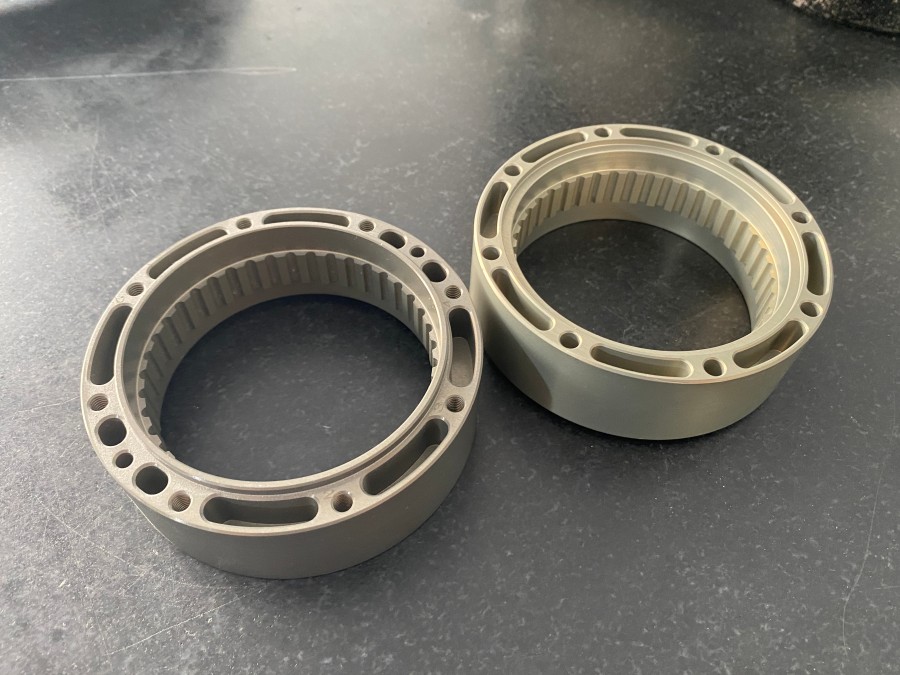
A: Not for all, but it is transformative for complex ones. For parts with deep, narrow cavities, severe undercuts, or delicate 3D features, a 5-axis machine allows the tool to maintain an optimal cutting angle and stiffness, preventing tool breakage and achieving geometries impossible with 3-axis machining.
Q4: What wood is best for holding extremely fine detail?
A: For natural woods, choose dense, fine-grained species like maple, boxwood, pear, or African blackwood. For the ultimate in consistency and crispness, consider machinable wax or precision-grade modeling boards like Ren Shape, which are designed specifically for ultra-fine detail.
Q5: How do I design my part to make small features more machinable?
A: Key design-for-manufacturability (DFM) tips include: avoiding internal sharp corners (specify a small radius equal to your tool radius), ensuring thin walls are supported in the design, and considering the grain direction in your blank. A professional manufacturer like GreatLight Metal{:target=”_blank”} can provide valuable DFM analysis before you finalize your design. To see how this expertise is applied at an industry level, you can follow our insights on GreatLight’s LinkedIn{:target=”_blank”}.


















