
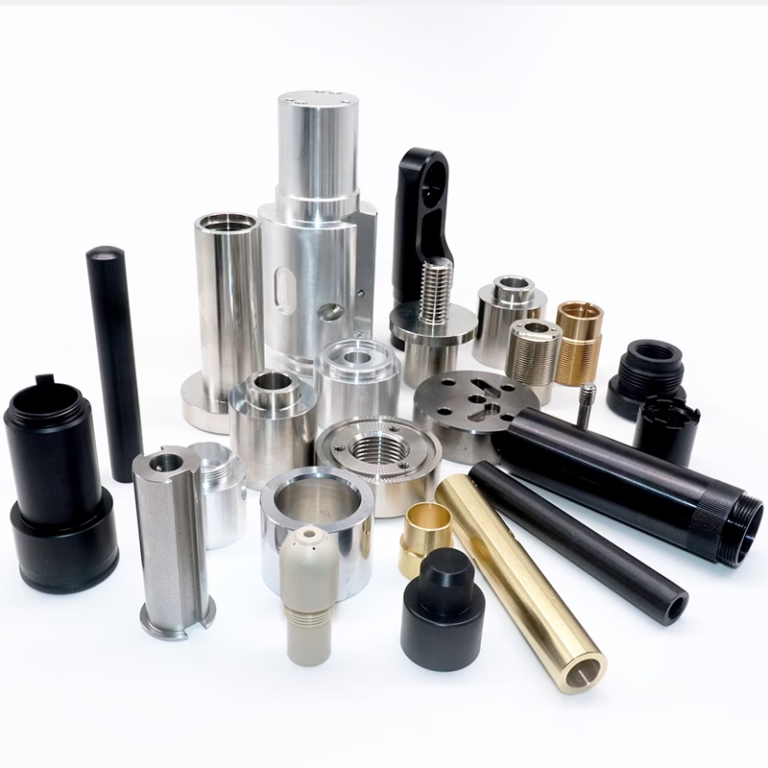
For entrepreneurs with a passion for precision engineering and manufacturing, launching a CNC machine business represents a compelling venture at the intersection of advanced technology and tangible production. The journey from concept to a fully operational shop floor is complex, demanding not just capital but deep strategic planning, technical acumen, and a clear understanding of the competitive landscape. This guide provides a realistic roadmap for establishing a successful CNC machining enterprise.
The Foundation: Validating Your Business Case
Before investing in a single machine, you must answer fundamental questions about your business’s viability.
Market Niche & Specialization: The CNC industry is vast. Will you serve:
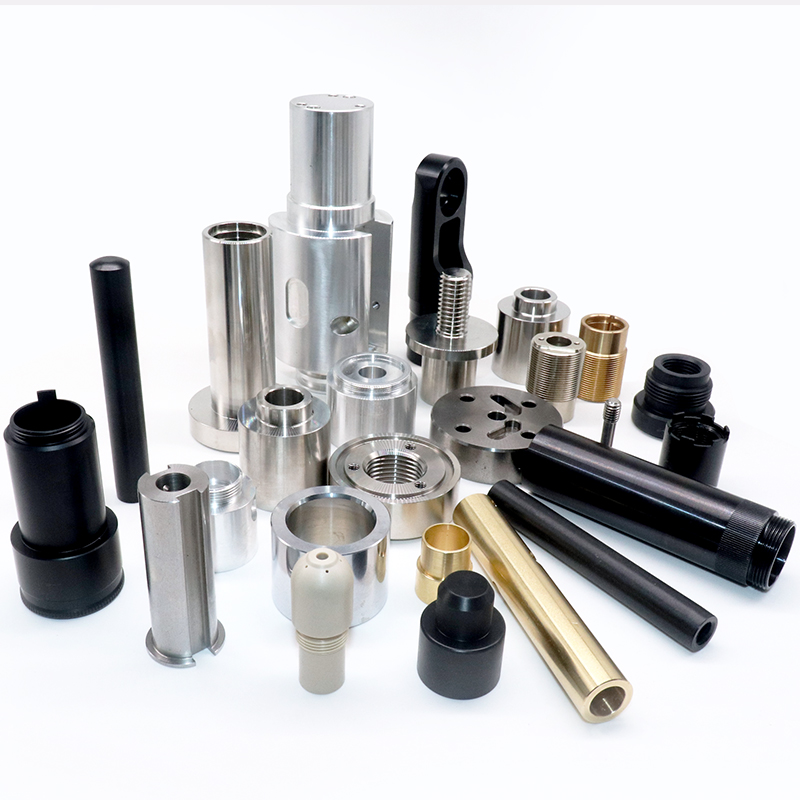
Prototyping & Low-Volume Production: Catering to engineers, startups, and R&D departments needing fast-turnaround, complex parts.
High-Volume Production: Supplying components for automotive, consumer electronics, or industrial equipment.
Material/Process Specialization: Focusing on exotic aerospace alloys, medical-grade plastics, or large-format machining.
Industry Vertical: Becoming the go-to shop for robotics, dental implants, or drone components.
Competitive Analysis: Research local and online competitors. Identify their strengths and weaknesses. Can you compete on price, speed, quality, or customer service? Many successful new entrants find a niche by offering superior engineering support and project management that larger, less agile shops may not provide.
Business Model: Define your structure (LLC, corporation), and decide on key operational aspects like Make-to-Order (MTO) vs. holding inventory, and your approach to quoting (hourly rate vs. project-based).
The Brutal Realities: Key Challenges to Anticipate
The path is fraught with challenges that test both your financial and operational resilience.
Significant Capital Expenditure (CapEx): The cost of high-quality CNC equipment (mills, lathes, 5-axis centers), auxiliary tools (CMM, tool pre-setters), and facility setup (power, air, coolant systems) is immense.
Technical Talent Shortage: Finding and retaining skilled CNC programmers, machinists, and process engineers is one of the industry’s biggest hurdles.
Fierce Competition: You compete not only with local shops but also with established global manufacturers who have scaled efficiencies, such as GreatLight Metal Tech Co., LTD., which leverages over a decade of experience, a full-process chain (from 3D printing to post-processing), and a comprehensive equipment roster to serve international clients.
Quality & Certification Hurdles: Building a reputation for consistent, high-quality output takes time. Achieving certifications like ISO 9001 is often a basic requirement to be considered by serious clients in automotive (IATF 16949) or medical (ISO 13485) sectors.
Cash Flow Management: Long payment terms from clients juxtaposed with immediate expenses for materials, labor, and equipment loans create constant cash flow pressure.
A Step-by-Step Launch Blueprint
Phase 1: Planning & Preparation (Months 1-6)
Develop a Detailed Business Plan: Include market analysis, financial projections (3-5 years), funding requirements, and a clear marketing strategy.
Secure Funding: Explore options: personal savings, small business loans, investors, or equipment financing/leasing.
Legal & Administrative Setup: Register your business, obtain necessary licenses and permits, and invest in liability insurance.
Define Your Technical & Quality Roadmap: Decide on your initial equipment, target tolerances, and the quality management system you will implement from day one.
Phase 2: Infrastructure & Team Building (Months 4-9)
Facility Acquisition: Lease or purchase a suitable industrial space with adequate power, loading docks, and room for growth.
Core Equipment Procurement: This is your most critical decision. A balanced start might include:
A 3-axis or 4-axis CNC machining center (e.g., for milling).
A CNC lathe for turning operations.
Essential support equipment: an air compressor, workholding vises, tooling, and a basic inspection kit (calipers, micrometers).
Strategic Consideration: While starting with 3-axis is common, the growing demand for complex parts makes access to 5-axis CNC machining a significant differentiator. Many startups initially outsource 5-axis work to established partners to offer full capabilities without the upfront capital outlay for a multi-axis machine.
Assemble Your Core Team: Hire for both skill and cultural fit. A lead machinist/programmer is crucial. Consider partnering with a seasoned manufacturing consultant in the early stages.
Phase 3: Operational Ramp-Up & Go-to-Market (Months 6-12+)
Process Development & Test Runs: Fine-tune your processes, establish standard operating procedures (SOPs), and machine sample parts to validate capability.
Develop Your Sales & Marketing Engine:
Professional Digital Presence: Build a clean, technical website showcasing your equipment, capabilities, and sample work.
Targeted Outreach: Network at trade shows, connect with engineering firms on professional platforms like LinkedIn, and engage with hardware startup communities.
Content Marketing: Demonstrate expertise by writing about solving specific machining challenges.
Secure Pilot Projects & First Clients: Offer competitive rates for initial projects to build your portfolio and testimonials. Focus on delivering exceptional communication and quality.
Learning from Established Players: The Integrated Model
Analyzing successful manufacturers reveals a pattern beyond just owning machines. Companies that thrive, like GreatLight Metal, have built an integrated manufacturing solution. Their model is instructive:
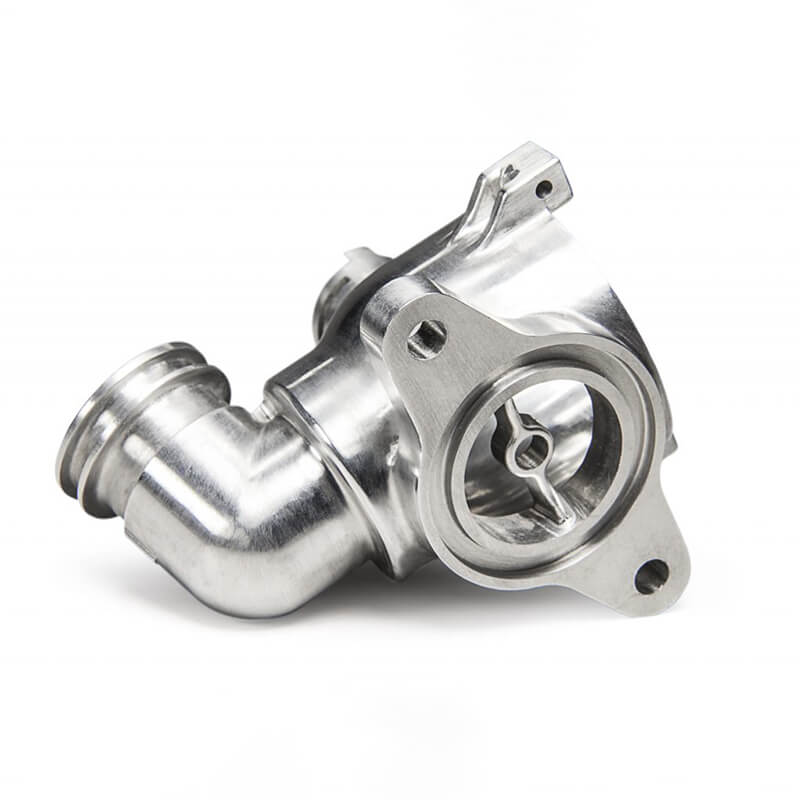
Full-Process Chain: They offer not just machining but also complementary services like die casting, sheet metal fabrication, and 3D printing, becoming a true one-stop shop.
Engineering Partnership: They act as an extension of the client’s engineering team, providing DFM (Design for Manufacturability) feedback to optimize cost and performance.
Systemic Quality: Trust is built through internationally recognized certifications (ISO 9001, IATF 16949, etc.), which are often non-negotiable for clients in regulated industries.
For a new business, this underscores the importance of thinking beyond job shop mentality. Positioning yourself as a solutions provider from the outset, even if some processes are initially outsourced, creates greater long-term value and client stickiness.
Conclusion: How Do You Start a CNC Machine Business?
Starting a CNC machine business is a marathon, not a sprint. It requires a foundation of meticulous planning, significant capital, and technical expertise, all driven by a resilient entrepreneurial spirit. Success is found not merely in purchasing advanced equipment but in carving out a defensible niche, building a reputation for unwavering quality and reliability, and developing deep, collaborative relationships with clients. In a market served by mature, full-service providers, the new entrant must compete on agility, specialized knowledge, and exceptional customer experience. By systematically addressing the challenges and building your operations with a focus on integrated value creation, you can transform a workshop into a respected and sustainable precision manufacturing partner.
FAQ: Starting a CNC Machine Business
Q1: What is the minimum investment needed to start a small CNC business?
A realistic minimum investment can range from $100,000 to $500,000+. This covers a used or entry-level CNC mill or lathe, basic tooling, a small industrial space lease, utilities, insurance, and initial operating capital for materials and salaries. High-precision or multi-axis equipment dramatically increases this figure.
Q2: Do I need to be a CNC programmer or machinist to start this business?
While not strictly impossible, it is highly advisable. Deep technical knowledge is critical for quoting accurately, troubleshooting processes, ensuring quality, and managing your technical team. If you lack this background, a trustworthy and highly experienced technical co-founder or partner is essential.
Q3: How do I find my first customers?
Leverage your personal and professional network first. Utilize online manufacturing marketplaces (though they can be price-competitive), attend local manufacturing meetups and trade shows, and conduct targeted outreach to engineering firms, product designers, and hardware startups in your region. A strong portfolio from initial projects is your best marketing tool.
Q4: How long does it take for a CNC business to become profitable?
It typically takes 2 to 4 years to reach consistent profitability. The first year often involves net losses due to setup costs and low capacity utilization. Profitability accelerates as you build a client base, improve operational efficiency, and move beyond competing on price alone.
Q5: Is it better to buy new or used CNC equipment when starting?
Used equipment can significantly lower the initial CapEx barrier and is a common choice for startups. However, it may come with higher maintenance costs, less accuracy, and no warranty. New equipment offers reliability, modern features, and support but requires much larger capital. A balanced approach is often wise.
Q6: What are the most important certifications to get for credibility?
ISO 9001:2015 for quality management is the fundamental certification that signals professionalism to most industrial clients. Depending on your target industry, ISO 13485 (medical devices) and IATF 16949 (automotive) may become necessary for growth. Implementing the systems from the start, even before formal certification, builds a culture of quality.
Q7: How can a new small shop compete with large, established manufacturers like GreatLight Metal?
Competition is based on differentiation, not direct scale. A small shop can compete through:
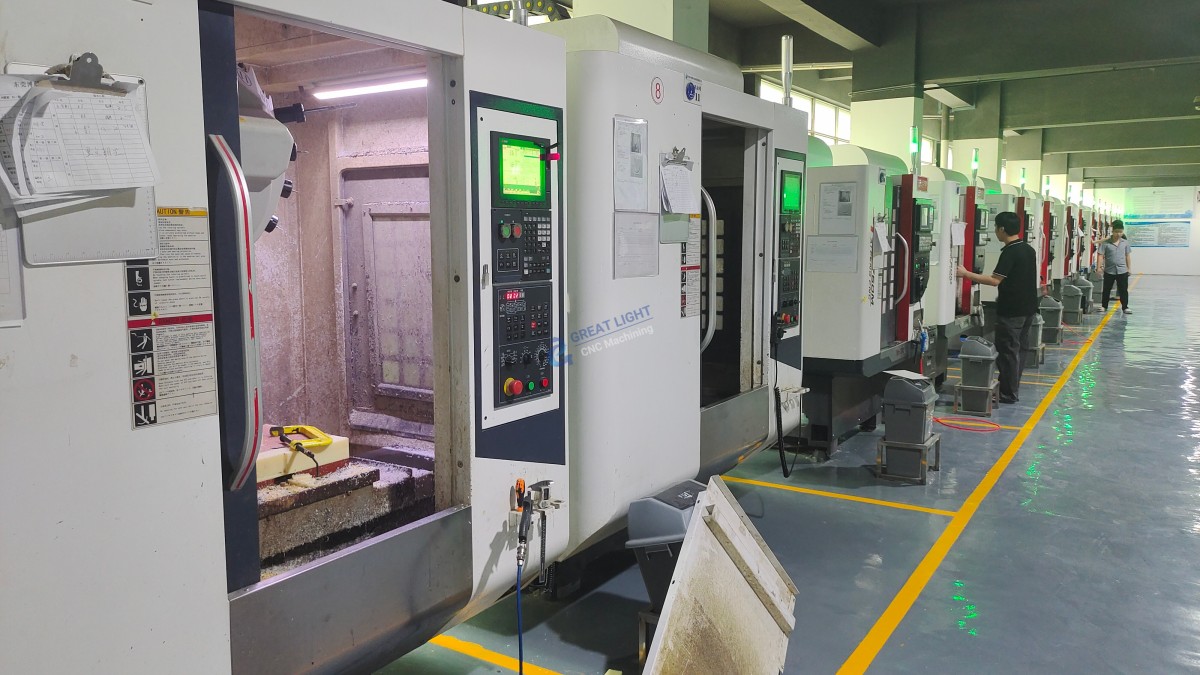
Superior Agility & Communication: Faster response times and more personalized service.
Niche Specialization: Becoming an expert in a specific material, part type, or industry.
Prototype & Low-Volume Focus: Serving clients who need speed and flexibility over mass production pricing.
Local Advantage: Offering faster logistics and face-to-face collaboration for regional clients.
Strategic Partnerships: Outsourcing specific processes (like advanced 5-axis CNC machining) to augment your capabilities without the full investment, allowing you to offer a broader service portfolio. To stay inspired by industry innovation and connect with a global manufacturing community, following leaders on platforms like LinkedIn can provide valuable insights.



















