
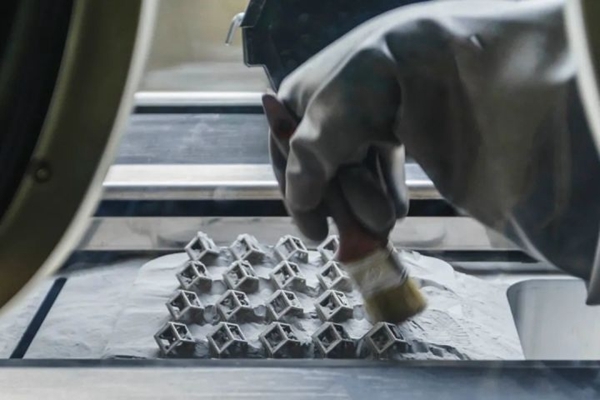
In recent years, metal3DPrinting applications are becoming more and more widespread. This technology is still in development, but it can already play many roles compared to traditional processes such as casting and forging, but it also has some advantages.
Let’s take a look at its advantages and disadvantages compared to traditional processes such as foundry and forging!
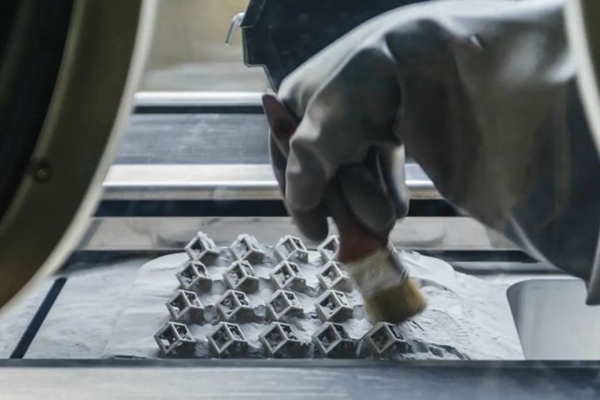
Benefits
1. Lightness can be achieved
Due to small molding restrictions,3DPrinting can fully play the role of generative design and topology optimization. During the design phase, algorithms can be used to reduce unnecessary parts of parts to achieve a lightweight print and then subsequently.3DPrinted and manufactured.
2. Complex shapes can be constructed
Metal3DPrinters create objects layer by layer. Taking the most common powder bed fusion as an example, a laser repeatedly melts and solidifies metal powder bit by bit to create objects. Casting restrictions are relatively low and complex structures such as a crystal lattice can be fabricated.
Thus, some parts that cannot be demoulded and cannot be cut by cutting tools may be crossed.3DPrint to make. In addition, the metal3DPrinted parts are already stronger than cast parts, and as technology continues to advance, their strength approaches that of forging.
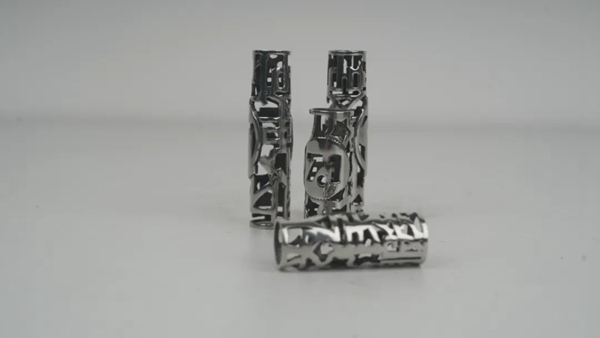
3. Small number of parts and high work efficiency
3DThe printing process provides a high degree of design freedom and can fully play the role of design. It can not only reduce unnecessary parts, but also integrate multiple parts into a whole, improving work efficiency and reducing energy consumption.
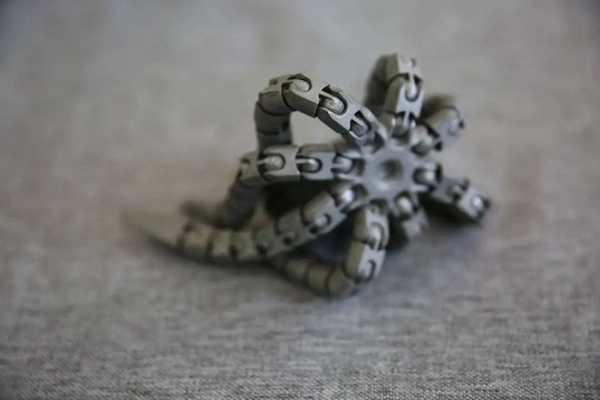
4. Short delivery cycle
When the number of parts is relatively small, or there is only one part,3DThe printing not only has short production time, but the unit price is also cheap. So metal3DPrinting is suitable for prototyping or small batch production.
Of course, any processing technology has advantages and disadvantages. Let’s look at the downsides of metal 3D printing.
default
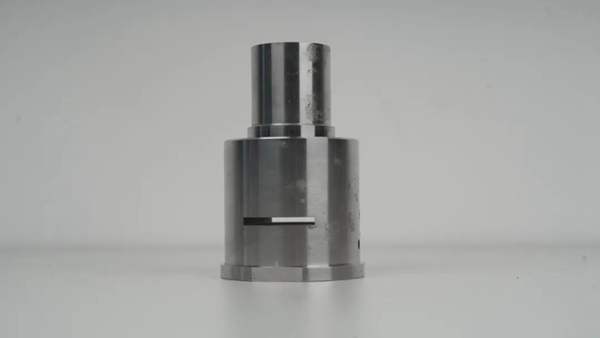
1. Average surface finish
Metal3DThe surface finish of printed parts is rougher than traditional processes and post-processing is required to achieve an ideal surface finish.
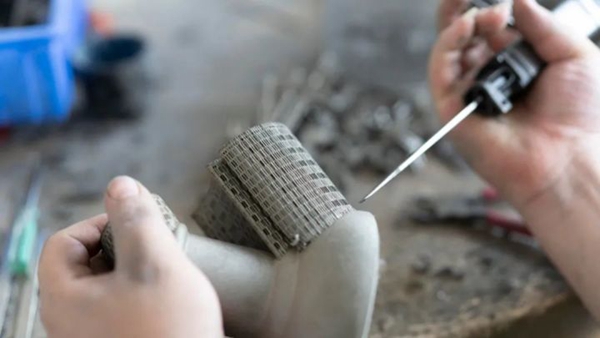
2. Not suitable for mass production
When the production scale reaches a certain quantity, the metal3DThe economic benefits of printing will decline, and it is currently unable to meet the task of mass production.
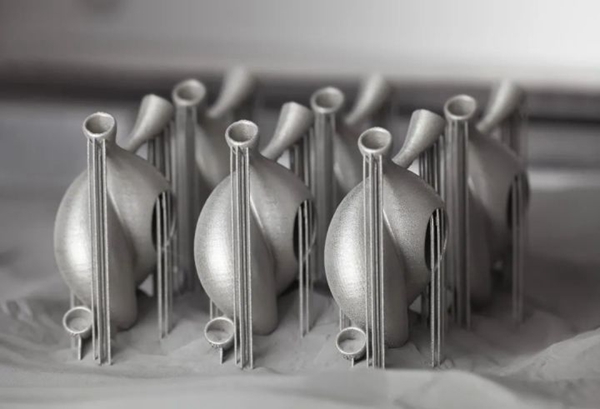
3. Not suitable for printing large objects
Due to the existence of thermal stresses, the metal3DThe print is currently not suitable for printing large objects, and distortions and other phenomena are likely to occur.
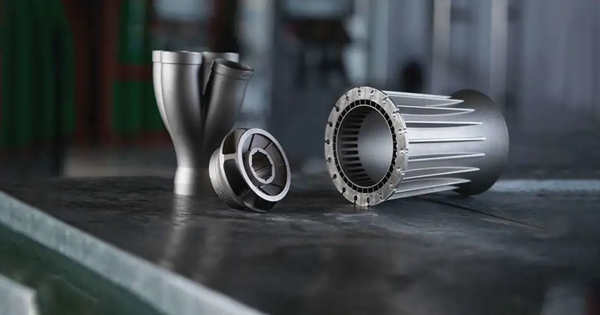
However, new metals represented by current injection technology3DPrinting has overcome this difficulty, but it is not yet popular enough. future, metal3DPrinting can also create large pieces.
In general, metal3DPrinting is a good complement to current metal processes. As its technology continues to improve, I believe it will be more widely used in the future. Mohou.com can currently 3D print stainless steel, aluminum alloy, cast steel and titanium alloy. Welcome to inquire.
Daguang focuses on providing solutions such as precision CNC machining services (3-axis, 4-axis, 5-axis machining), CNC milling, 3D printing and rapid prototyping services.



















