
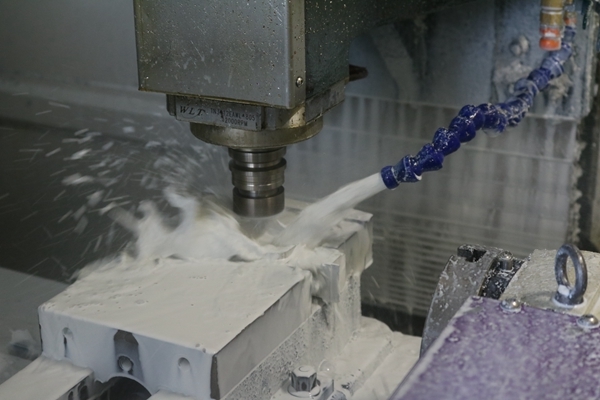
1. How to divide the treatment process?
1. Processing position sorting method: For parts with a lot of processing content, the processing part can be divided into several parts according to its structural characteristics, such as internal shape, appearance design, slope or plan view, etc. Generally, the planes and locating surfaces are processed first, then the holes are processed; simple geometric shapes are processed first, then complex geometric shapes are processed first;
2. Centralized CNC blade sorting method: Divide the process flow according to commonly used CNC blades and use the same CNC blade to process all possible positions on the workpiece. In other positions they can do with a second knife, a third. This can reduce the frequency of tool changes,Reduce downtime and reduce unnecessary gaps in market positioning.
3Sequential method of roughing and finishing: For parts subject to deformation by machining, deformation correction must be performed due to the deformation that will occur after roughing. Therefore, generally speaking, any process that needs to be sketched or finished must be done. divided into separation processes.
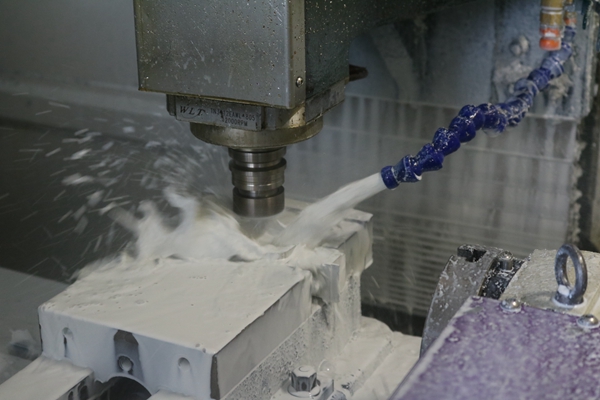
2. How to assign the processing order?
1The processing of the previous process cannot affect the positioning and tightening of the next process. The general processing process of the middle crossing CNC lathe also needs to be considered.
2First carry out the processing process of the inner shape and inner wall, and then carry out the processing process of the appearance design.
3Processes handled with the same positioning, clamping method or knife are best carried out jointly to reduce the frequency of repeated positioning, the number of tool changes and the frequency of moving spindles.
4. For multiple processes performed in the same facility, the process that will cause the least damage to the rigidity of the product part should be assigned first.
3. How to determine the tightening method of product parts?
1to ensure that the design plan, processing technology, and program writing and calculation standards are unified.
2Try to avoid the frequency of clamping and try to ensure that all surface layers to be processed can be processed after precise positioning.
3Avoid using adjustment plans for labor occupying machines.
4the tooling device will be smooth and its positioning and clamping mechanism cannot affect the power supply during processing (e.g. cause collision). When you encounter such a situation, you can use a vice or bottom plate to remove the clamp screws. .
Daguang focuses on providing solutions such as precision CNC machining services (3-axis, 4-axis, 5-axis machining), CNC milling, 3D printing and rapid prototyping services.



















