
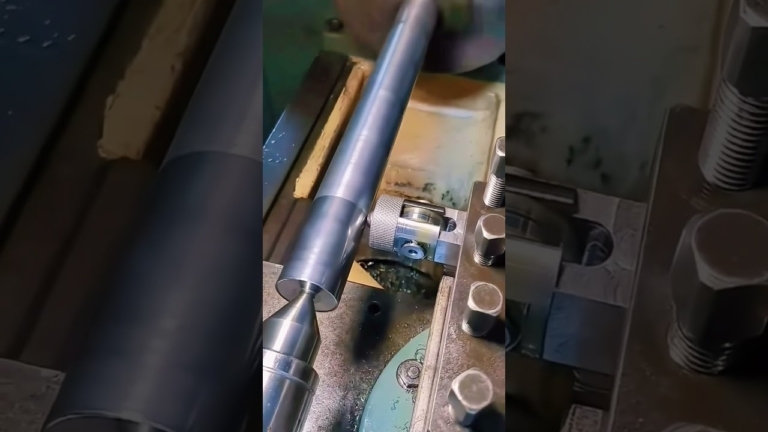
Understanding CNC Machining: Revolutionizing the Manufacturing Industry
CNC machining has completely transformed the landscape of manufacturing and engineering since its inception. The acronym CNC stands for Computer Numerical Control, and it refers to the automated process of controlling machine tools through computers. This article delves into the intricacies of CNC machining, exploring its benefits, applications, and the future of this innovative technology.
What is CNC Machining?
CNC machining involves the use of computer software to control the operation of machinery that cuts, shapes, and finishes materials such as metal, plastic, and wood. Unlike traditional machining, where manual controls dictate machine movements, CNC machines utilize a pre-programmed software to direct the machinery’s precise movements. This capability allows for superior accuracy, efficiency, and repeatability.
The process begins with creating a Computer-Aided Design (CAD) model. Once the CAD model is completed, it is converted into a set of instructions, known as G-code, which is then fed into the CNC machine. The G-code instructs the machine on how to move, at what speed, and with which tools to use, enabling it to produce components precisely according to the specifications.
Advantages of CNC Machining
Enhanced Precision and Accuracy
One of the standout benefits of CNC machining is its ability to produce intricate designs with remarkable precision. The computer-controlled machinery minimizes human error, resulting in consistent products that meet stringent tolerances. This accuracy is especially crucial in industries such as aerospace and medical device manufacturing, where even the slightest deviation can have serious consequences.
Increased Efficiency
CNC machining significantly boosts production efficiency. Once a CNC program is set up, a machine can run continuously with minimal supervision, enabling manufacturers to produce large quantities of parts quickly. This efficiency translates to reduced labor costs and faster turnaround times, which is vital in today’s fast-paced market.
Versatility in Applications
CNC machines are versatile and can work with a wide range of materials, including metals, plastics, and composites. From creating parts for automotive engines to intricate decorations in furniture design, the applications of CNC machining are vast. Various techniques, such as milling, turning, and laser cutting, can be employed, making CNC machining suitable for both prototypes and end-use products.
Common CNC Machining Processes
CNC Milling
CNC milling is one of the most commonly used processes in CNC machining. It involves the use of rotating cutting tools to remove material from a workpiece. CNC mills can handle complex geometric shapes, making them ideal for manufacturing intricate parts such as brackets, housings, and complex components.
CNC Turning
CNC turning involves rotating the workpiece while cutting tools shape it. This process is particularly effective for creating cylindrical or spherical parts including shafts, bushings, and fittings. The capability of CNC lathes to achieve high precision makes them essential in both small-batch and high-volume production.
CNC Plasma Cutting
CNC plasma cutting is a process used primarily for cutting metal sheets. The technology employs a plasma torch to melt and displace material. It is widely used in industries that require quick and cost-effective cutting solutions, such as automotive and manufacturing.
Industries Leveraging CNC Machining
CNC machining is pervasive across various industries, each benefiting from its efficiency and precision.
Aerospace Industry
In the aerospace sector, where the utmost precision is paramount, CNC machining plays a vital role in creating parts that meet strict safety and performance standards. The ability to create lightweight yet robust components using advanced materials is essential for the industry’s continual evolution.
Automotive Industry
The automotive industry relies heavily on CNC machining to produce high-quality parts at scale. From engine components to body parts, CNC machines ensure that each piece fits perfectly within the larger assembly, contributing to overall vehicle reliability and performance.
Medical Device Manufacturing
The medical field demands precision and reliability in its components, which is why CNC machining is integral to the production of surgical instruments, implants, and diagnostic devices. The ability to produce small, intricate parts is a necessity in this highly regulated industry.
The Role of the CNC Machinist
CNC machinists are skilled tradespeople responsible for programming, setting up, and operating CNC machines. Their expertise is crucial, as they ensure machines are correctly calibrated and running efficiently. Understanding G-code, interpreting CAD drawings, and troubleshooting machines are just a few of the skills that are essential for success in this field.
The demand for skilled CNC machinists is on the rise. As technology continues to evolve, staying updated with the latest software and machinery is essential. Continuing education and certification programs are available for those looking to advance their careers in CNC machining.
The Future of CNC Machining
As we look to the future, CNC machining is expected to evolve further with advancements in technology. The integration of automation and artificial intelligence (AI) stands to enhance the capabilities of CNC machines. Smart factories, where machines are interconnected and can communicate with each other, will revolutionize the manufacturing sector.
Additionally, the emergence of additive manufacturing (3D printing) will create new opportunities and challenges for CNC machining. While both technologies have their strengths, they often complement each other, allowing manufacturers to leverage the best of both worlds.
Conclusion: Embracing CNC Machining for Competitive Advantage
In summary, CNC machining has undeniably transformed the manufacturing industry, providing unmatched precision, efficiency, and versatility. Its relevance across various sectors reflects its importance in modern production. As CNC technology continues to advance, businesses that embrace these innovations will position themselves for success in an increasingly competitive market. Investing in CNC machining not only enhances product quality but also optimizes operational efficiency, making it a cornerstone for future growth in manufacturing.
By understanding and leveraging CNC machining, businesses can achieve greater innovation, responsiveness, and competitive advantage in today’s dynamic environment. Whether through improved design capabilities or enhanced production efficiencies, the future looks bright for CNC machining and the industries that rely on it.
Daguang focuses on providing solutions such as precision CNC machining services (3-axis, 4-axis, 5-axis machining), CNC milling, 3D printing and rapid prototyping services.



















