
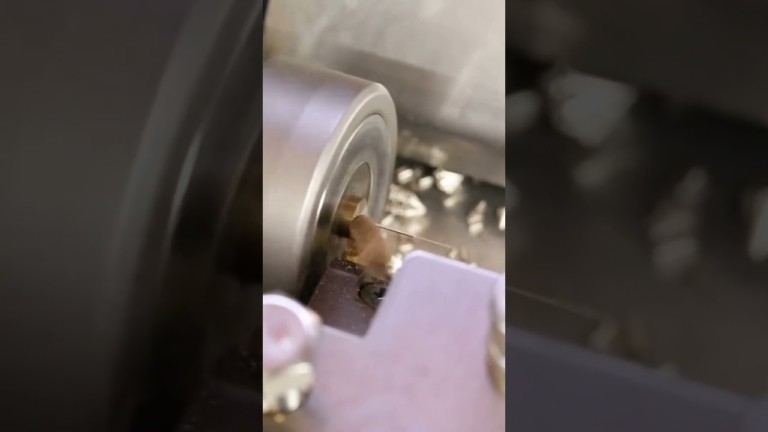
Understanding Centering Machine Processing: A Comprehensive Guide
Centering machine processing is a critical aspect of CNC machining, influencing precision and quality in the manufacturing industry. As industries evolve, the demand for accuracy escalates, making techniques like centering indispensable. In this article, we will delve into the nuts and bolts of centering machine processing, its significance, applications, techniques, and future trends.
What is Centering Machine Processing?
Centering machine processing refers to the procedure of establishing a central axis in a workpiece, which is vital for ensuring precise machining operations. CNC (Computer Numerical Control) machines often incorporate centering in their workflow to enhance the accuracy of the final product. By centering a workpiece, machinists ensure that all subsequent cuts and operations are performed uniformly around the designated axis, reducing the risk of errors and material wastage.
The Importance of Centering in CNC Machining
The significance of centering in CNC machining cannot be overemphasized. Here are a few points highlighting its importance:
Precision and Accuracy: Proper centering provides a reliable framework for achieving high precision. It minimizes discrepancies during machining tasks, which is crucial for industries requiring stringent quality control.
Reduced Material Waste: By ensuring accurate cuts from the get-go, centering can lead to significantly less material wastage. This contributes to cost savings and enhances the overall efficiency of the machining process.
Improved Tool Life: Tools that operate without the hindrance of misalignment wear uniformly, thus prolonging their lifespan. Centering machine processing can extend the working life of cutting tools, leading to better returns on investments.
- Enhanced Operational Efficiency: When a workpiece is centered correctly, the entire machining operation runs more smoothly. This can result in quicker production times and the capacity to undertake more complex projects.
Techniques for Centering in CNC Machining
There are various techniques employed in centering machine processing, ensuring a machinist can select the best method based on the specific requirements of a project. Here are the most frequently used techniques:
1. Dial Indicator Method
This method utilizes a dial indicator to achieve precision centering. The workpiece is mounted on the CNC machine, and the dial indicator is used to detect any deviation. By adjusting the part until it reads zero on the indicator, you can ensure that the piece is precisely centered.
2. Edge Finder Method
An edge finder is a tool used to locate the edge of a workpiece. This method involves using a specific edge finder that, when moved to touch the edge of the workpiece, will change the position reading on the machine. By carefully marking these points, you can accurately determine the center of the workpiece.
3. Cylindrical Method
For cylindrical workpieces, centering can be achieved by setting the workpiece in a lathe and employing the tailstock. This method allows the machinist to find the center along the length of the cylinder effortlessly. It’s critical for producing cylindrical parts with high accuracy.
4. Laser Centering
Laser centering is a modern and efficient approach, employing laser technology to find the center. A laser beam can easily identify the axis of the workpiece, and this method is particularly useful for large or complex geometries where traditional methods may prove cumbersome.
Applications of Centering Machine Processing
The applications of centering machine processing extend across various industries. Here are some key areas where it plays a vital role:
1. Aerospace Industry
The aerospace sector demands incredibly high precision in manufacturing components. Centering machine processing ensures that parts like turbine blades, frames, and fuselage components are fabricated with utmost accuracy.
2. Automotive Manufacturing
In the automotive realm, proper centering contributes to producing precision parts vital for performance and safety. Components such as shafts, gears, and housings benefit greatly from effective centering techniques.
3. Medical Devices
With the rise of advanced medical technologies, the need for precise components is paramount. Centering machine processing plays a crucial role in the production of implants, surgical tools, and diagnostic equipment where precision is essential.
4. Consumer Electronics
As technology advances, the need for components in consumer electronics such as smartphones, laptops, and other devices necessitates high precision. Centering ensures compatibility and functionality of the parts manufactured.
Future Trends in Centering Machine Processing
The landscape of centering machine processing is rapidly evolving, with several trends emerging that promise to shape its future:
1. Automation and AI Integration
The integration of AI and automated systems into center processing techniques are paving the way for even higher precision and efficiency. Machines equipped with sophisticated sensors can perform real-time adjustments, enhancing centering accuracy.
2. Cloud Computing and Data Analytics
As more manufacturing processes become digitized, the use of cloud computing for data analytics will allow for more sophisticated monitoring and control of the centering process. Manufacturers can gather valuable insights, optimize operations, and ensure consistent quality.
3. Innovative Tooling Solutions
With advancements in material sciences, new tooling solutions that facilitate better centering are being developed. These innovations enhance the machining process, making it easier to maintain precision across various materials.
4. Sustainable Manufacturing
Increasing pressure for sustainable practices in manufacturing will also affect centering machine processing. Techniques that minimize waste and energy consumption will be prioritized as industries seek to comply with evolving regulations and consumer expectations.
Conclusion
Centering machine processing remains a cornerstone of CNC machining, instrumental in ensuring precision and quality across various industries. As technology advances, the methods and tools involved in centering will continue to evolve, providing manufacturers with improved capabilities and efficiencies. Embracing these advancements will be key for businesses striving to maintain a competitive edge in the ever-evolving manufacturing landscape. Whether you are a seasoned CNC machinist or new to the field, understanding and implementing effective centering techniques will enhance your production capabilities and ultimately contribute to the success of your projects.
Daguang focuses on providing solutions such as precision CNC machining services (3-axis, 4-axis, 5-axis machining), CNC milling, 3D printing and rapid prototyping services.



















