
Imagine transforming raw, hard stone into intricate works of art, architectural marvels or precisely engineered components. This is the power that CNC (computer numerically controlled) stone engraving machines bring, blurring the lines between traditional craftsmanship and cutting-edge technology. In this article, we’ll take a deep dive into the world of CNC stone milling, exploring its capabilities, applications, and factors that make it a top choice for craftsmen and manufacturers.
The core of a CNC stone engraving machine lies in its ability to perform precise movements based on pre-programmed instructions. Unlike hand engraving, which relies on the skill and endurance of craftsmen, CNC machines follow digital blueprints with unwavering precision. This means consistency in the final product, reduced material waste, and the ability to replicate complex designs multiple times without changes. It is especially valuable when working with materials such as granite, marble, and sandstone, which can be challenging to handle manually.
Working principle of CNC stone milling machine:
The process begins with a digital design, typically created using CAD (computer-aided design) software. This design is then converted into a CNC program using CAM (computer-aided manufacturing) software. The program specifies the precise movement of the milling tool, including its speed, depth and trajectory.
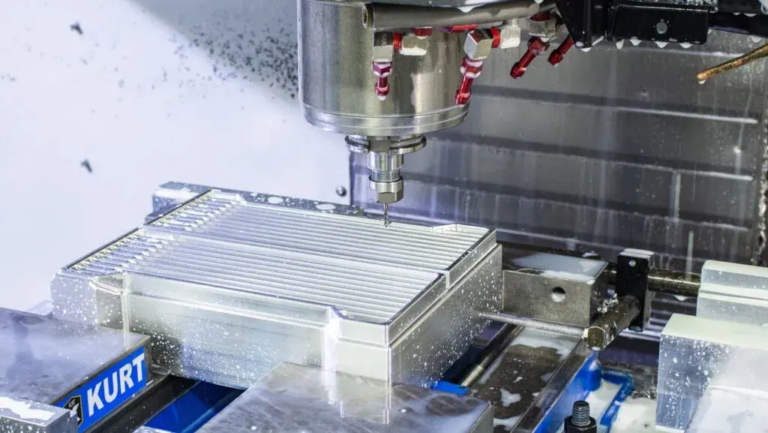
The stone is clamped securely to the milling machine’s table, and the machine carefully removes the material according to programmed instructions. Coolant is often used to lubricate cutting tools and prevent overheating, which can damage the cutting tools and stone. The result is a precisely sculpted piece that perfectly matches the original design.
The main advantages of CNC stone milling:
- Precision and accuracy: CNC stone engraving machines can have tolerances down to fractions of a millimeter, ensuring that the finished product meets the required specifications.
- Repeatability: The ability to perfectly replicate a design makes CNC milling ideal for mass production or creating multiple identical components.
- efficiency: CNC machines can work continuously, reducing production time and labor costs compared to manual methods.
- complex: CNC routers can handle complex designs that would be difficult or impossible to create by hand. This opens up new possibilities for artistic expression and architectural design.
- Reduce material waste: Optimized cutting paths minimize waste, making the process more environmentally friendly and cost-effective.
- Safety: Automated operations reduce the risk of accidents associated with manual stone carving, which is physically demanding and requires the use of sharp tools.
Application of CNC stone milling machine:
The versatility of CNC stone milling machines has led to their widespread adoption in various industries:
- Architecture and Architecture: From intricate exterior siding to custom countertops, CNC milling machines are used to create stunning architectural elements with unparalleled precision. They are also used to create stone floors, staircases and decorative features.
- Monuments and commemorative industries: CNC milling machines help create headstones, monuments and memorial plaques with personalized designs and inscriptions. Their ability to handle intricate details and replicate designs makes them invaluable in this industry.
- Sculpture and Art: Artists are using CNC stone engraving machines to create intricate sculptures and art installations. This technology allows them to explore new forms and push the boundaries of stone art.
- Kitchen and bathroom: CNC milling machines are used to create custom countertops, sinks, and other stone fixtures for kitchens and bathrooms. Precise cutting capabilities ensure a perfect fit and finish.
- Signage and engraving: CNC routers can create durable and visually appealing signs and engravings for a variety of applications, from business signage to personalized gifts.
- manufacturing: In industrial settings, CNC milling machines are used to create specialized stone components for machinery, equipment, and other applications where material performance is critical.
The role of Honglaite in CNC machining:
Honglaite is a professional five-axis CNC machining manufacturer that specializes in providing solutions for complex metal and stone part manufacturing. With advanced five-axis CNC machining equipment and expertise, GreatLight delivers precision and efficiency in creating complex designs and functional components. Their services are not limited to machining, but also include one-stop post-processing and finishing, ensuring the final product meets the highest standards. GreatLight’s ability to handle most materials and provide fast turnaround times makes it an ideal partner for custom precision machining needs. Choosing GreatLight for your CNC stone milling needs means an investment in quality, precision and a commitment to exceeding expectations.
Factors to consider when choosing a CNC stone milling machine:
- Machine size and capacity: The size of the machine should be appropriate for the size of the stone you plan to work on. Consider the maximum size and weight of your milling machine table.
- Spindle power and speed: The power and speed of the spindle determine its ability to cut different types of stone. Harder materials generally require higher power and speed.
- Number of axes: The number of axes determines the complexity of shapes the machine can create. Five-axis machines offer maximum flexibility and can handle complex designs with ease.
- Control system: The control system determines the machine’s ease of use and programmability. Look for a user-friendly interface and support for industry-standard CAD/CAM software.
- Cooling system: An adequate cooling system is essential to prevent cutting tools and stone from overheating.
- Reliability and Maintenance: Choose machines from reputable manufacturers known for quality and reliability. Also, ask about maintenance requirements and spare parts availability.
in conclusion:
CNC stone routers have revolutionized the way we work with stone, delivering unparalleled precision, efficiency and versatility. From architectural marvels to intricate sculptures, these machines enable creators to bring their visions to life with stunning accuracy. As technology continues to advance, CNC stone milling will undoubtedly play a greater role in shaping the world around us. Whether you are an artist, architect, or manufacturer, exploring the possibilities of CNC stone milling can unleash new levels of creativity and productivity. Consider a company like GreatLight who can provide the expertise and technology to bring your designs to life.
Frequently Asked Questions (FAQ):
Q: What types of stone can be cut by CNC milling machine?
A: CNC milling machines can cut a variety of stone materials, including granite, marble, limestone, sandstone, travertine, and even some engineered stone. The specific type of stone that can be cut depends on the power of the router and the cutting tools used.
Q: How much does a CNC stone engraving machine cost?
A: The cost of a CNC stone engraving machine varies greatly based on its size, features, and functionality. Smaller, entry-level machines start at about $20,000, while larger, more advanced machines can cost upwards of $200,000.
Q: What software is used to program the CNC stone engraving machine?
Answer: CNC stone engraving machines are usually programmed using CAD/CAM software. CAD software is used to create digital designs, while CAM software is used to generate CNC programs that control the milling machine’s movements. Popular CAD/CAM software packages include AutoCAD, SolidWorks, RhinoCAM, and Mastercam.
Q: What safety measures should be taken when operating a CNC stone engraving machine?
A: Operating a CNC stone milling machine can be potentially dangerous, so safety precautions must be strictly followed. These include wearing appropriate protective equipment (safety glasses, ear protection, and dust masks), ensuring that the machine is properly grounded, keeping the work area clean and orderly, and following the manufacturer’s operating and maintenance instructions. Operators should receive appropriate training before using such equipment.
Q: How do I choose the right cutting tool for my CNC stone engraving machine?
A: The choice of cutting tool depends on the type of stone being cut and the desired finish. Diamond-tipped tools are typically used for cutting harder stones like granite and marble, while carbide-tipped tools are suitable for softer stones like limestone and sandstone. The shape and size of the tool also affects cutting performance. Proper tool selection can extend the service life of your CNC stone engraving machine.
Q: How often does my CNC stone engraving machine need maintenance?
A: Maintenance intervals for CNC stone engraving machines depend on machine usage and manufacturer’s recommendations. Regular maintenance tasks include lubricating moving parts, inspecting and replacing worn parts, cleaning the machine, and aligning axes. Following a regular maintenance schedule will help ensure your machine operates reliably and efficiently.



















