
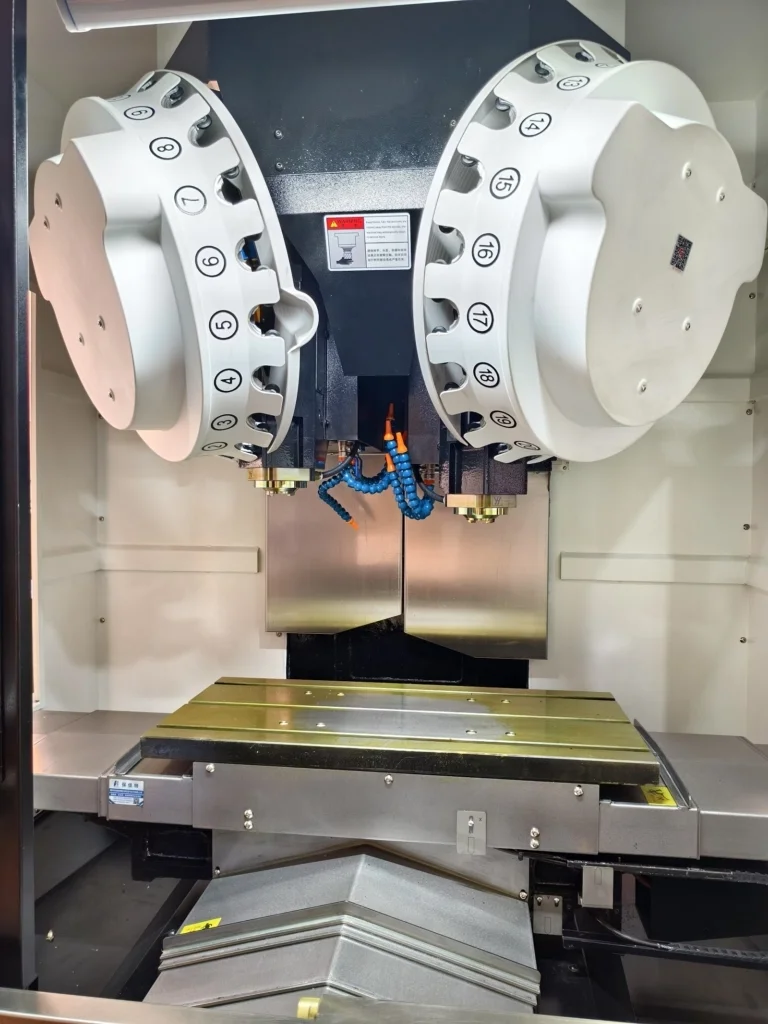
Let’s face it: maintaining a high-performance CNC machining operation is a complex balancing act. You are constantly balancing precision, speed and cost-effectiveness. But there’s one key factor that’s often overlooked—coolant. Keeping your coolant clean isn’t just about preventing odors or extending its life; it’s about significantly improving efficiency, tool life, part quality, and even shop profitability. As a leading provider of five-axis CNC machining services, Honglait understands this. With our state-of-the-art equipment and commitment to precision, we understand firsthand the critical role coolant management plays in delivering superior results.
The invisible enemy: contaminated coolant
what exactly is yes Coolant contamination? Think of it as a complex soup made up of unnecessary ingredients. This includes:
- Metal fine powder: Tiny particles of material removed during processing. These abrasive particles accelerate tool wear and can scratch the surface of the finished part.
- Miscellaneous oil: Oil leaking from machine components such as rail oil, hydraulic oil, and spindle lubricant. Tramp oil can encourage bacterial growth and impair coolant effectiveness.
- Chips: Larger chips and debris can clog pumps, nozzles and filters, causing reduced coolant flow and uneven cooling.
- Bacteria and fungi: These microorganisms thrive in coolant, especially when nutrient-rich waste oil is present. They can create unpleasant odors, reduce coolant performance, and even pose health risks to operators.
- Fragments: Various contaminants such as dust, dirt, and even accidentally introduced cleaning fluids.
The cumulative effect of these contaminants is a gradual degradation of coolant performance, leading to a host of negative consequences.
How dirty coolant reduces your efficiency:
- Reduced tool life: Abrasive metal particles in contaminated coolant can grind down cutting tool edges, causing premature wear and the need for more frequent tool replacements. This directly results in increased mold costs and downtime. We consistently see extended tool life and lower operating costs with the clean coolant used by GreatLight.
- Poor surface finish: Contaminated coolant can impair the lubrication properties needed for smooth cutting. Metal fines can also become trapped between the tool and the workpiece, causing scratches, blemishes and inconsistent surface finishes, ultimately affecting the quality of the part.
- Adding downtime: Chips and debris cause clogging of nozzles, pumps and filters, causing machines to be shut down for cleaning and repairs. Bacterial growth can also corrode machine parts, leading to costly maintenance.
- Higher scrap rate: Poor surface finish, dimensional inaccuracies and other defects caused by coolant contamination increase the likelihood of part scrap, wasting material and processing time.
- Processing speed is slower: When coolant is not effective at removing heat, you may need to reduce feed rates and cutting speeds to prevent the tool from overheating and the part from deforming. This significantly slows down production.
- Coolant waste: Contaminated coolant inevitably degrades, forcing you to replace it more frequently, increasing disposal costs and causing environmental concerns.
Solution: Proactive Coolant Cleaning Strategy
The key to maximizing efficiency and minimizing the negative effects of contaminated coolant is to proactively implement a comprehensive coolant cleaning strategy. This involves a combination of methods and techniques tailored to your specific machining operation.
Periodic coolant testing: Regularly analyzing your coolant allows you to monitor its condition, detect contamination early and track the effectiveness of your cleaning efforts. Monitored parameters include pH, concentration, bacterial count and tramp oil levels. Testing can inform your cleaning plan and help prevent problems from escalating. At GreatLight, this informs our regular maintenance.
Filtration system: Implementing filtration is critical to removing particulate matter. There are several types of filters to choose from, each with its own advantages and disadvantages:
- Chip conveyor: These systems remove large chips and chips from the coolant tank, preventing them from circulating through the system.
- Bag filter: Bag filters are simple, inexpensive and effective at removing larger particles.
- Cartridge filter: Provides finer filtration than bag filters and is suitable for removing smaller metal fines.
- Magnetic separator: These devices use magnets to attract and remove iron particles from the coolant.
- Centrifugal separator: Use centrifugal force to separate solids and liquids, providing high-efficiency filtration.
- Ultrafiltration: Membranes are used to remove extremely fine particles, including bacteria and dirty oil.
Oil skimmer: These devices remove trapped oil from the coolant surface. There are several types of oil skimmers to choose from, including belt skimmers, disc skimmers, and tube skimmers. Regular removal of stray oil can minimize bacterial growth and extend coolant life.
Coolant tank and water tank cleaning: Regular cleaning of the coolant sump and water tank is essential to remove accumulated sludge, chips and debris. This should be done at least once a year, or more frequently depending on the severity of the contamination. Some services even offer portable sump cleaners.
Coolant Management Plan: A coolant management program covers all aspects of coolant handling, from selection and mixing to maintenance and disposal. These programs establish best practices for coolant use and minimize waste.
- Coolant recovery and reuse: Rather than simply disposing of used coolant, consider recycling options. Recycling systems remove contaminants and restore the coolant to its original condition, reducing waste and lowering disposal costs.
Glow Five-Axis CNC Machining: A Commitment to Precision and Efficiency
At GreatLight, we know that without proper coolant management, even the most advanced CNC equipment cannot provide optimal results. That’s why we invest in a comprehensive coolant cleaning and maintenance program. This proactive approach ensures the highest levels of accuracy, surface finish and tool life, allowing us to provide our customers with the highest quality parts at competitive prices. When it comes to custom precision machining, Ferrite five-axis CNC machining is the clear choice—a choice driven by our commitment to excellence in every aspect of our operation.
in conclusion
Investing in a strong coolant cleaning strategy isn’t just an expense; This is an investment in the overall efficiency and profitability of your CNC machining operation. Clean coolant creates a positive ripple effect throughout the shop by minimizing downtime, extending tool life, improving part quality and reducing coolant waste. Implementing the right combination of filtration, maintenance and management practices will turn your coolant from a potential liability into a valuable asset. Like us at GreatLight, any serious CNC operation should prioritize adopting a smart coolant approach and realize huge cost and value benefits.
FAQ
Q: How often should I change my coolant?
A: There is no one-size-fits-all answer. This depends on several factors, including the type of coolant, the material being processed, the type of machining operation, and the effectiveness of coolant cleaning practices. Regular coolant testing will help you determine the best replacement intervals.
Q: What are the signs of coolant contamination?
A: Common signs include foul odor, discoloration, excessive foaming, coolant emulsion separation, accelerated tool wear, rusted machine parts, and reduced part quality.
Q: Can I use a regular vacuum cleaner to clean the coolant tank?
Answer: When you ablenot recommended. Shop-vacs are not suitable for handling abrasive particles and large amounts of liquid in coolant sump. A dedicated sump cleaner is a safer and more efficient option.
Q: Are there health hazards from contaminated coolant?
Answer: Yes. Prolonged exposure to contaminated coolant can cause skin irritation, respiratory problems and other health problems. Always wear appropriate personal protective equipment when handling coolant.
Q: What is the difference between soluble oil and synthetic coolant?
A: Soluble oil coolant contains mineral oil, while synthetic coolant does not contain oil. Synthetic coolants generally offer better cooling performance, longer service life, and better resistance to bacterial growth, but they can be more expensive.
Q: How to properly dispose of used coolant?
A: Used coolant should be disposed of in accordance with local, state and federal regulations. Please contact a qualified waste disposal company for guidance. Recycling coolant often reduces or eliminates disposal costs.



















