
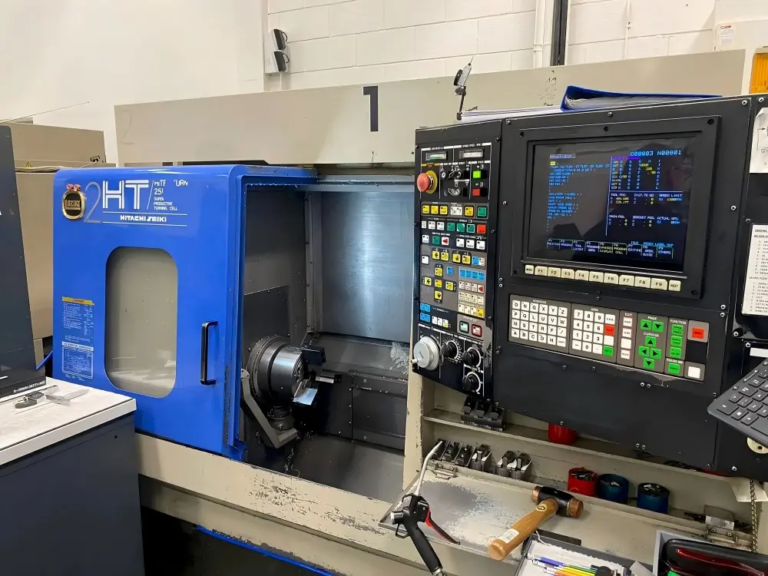
One of the most important factors to consider when it comes to CNC machining is the hourly rate. As a business owner or manager, it is necessary to understand what you are paying and what the CNC machining service provider expects. In this article, we will dig into the world of CNC machining hourly rates and explore what you need to know to make informed decisions about the needs of precise parts manufacturing.
What is CNC machining?
For those new to the world of CNC machining, understanding the basics is crucial. CNC (Computer Numerical Control) machining is a manufacturing process that uses computer-controlled machines to accurately cut and shape metals, plastics and composites (such as metals, plastics and composites). These machines follow precise instructions using numerical control codes, allowing strict control of cutting, shape and surface.
Why choose CNC processing service?
CNC machining services offer a range of benefits, including:
- High-precision parts: Using CNC machining, you can implement parts with micron-scale accuracy.
- Rapid prototyping: Create prototypes quickly, reduce design iterations and accelerate time to reach the market.
- Material flexibility: Most materials can be quickly customized and handled.
- Custom post-processing and completion: Many services offer one-stop shop solutions for part finishes, including finishing, coatings and assembly.
CNC machining hourly rates: What you need to know
When it comes to CNC machining hourly rates, there are several factors to consider:
- Operator experience: Skilled operators who can operate CNC machines efficiently are often more expensive.
- Equipment quality and maintenance: Well maintained, high-quality CNC machines are usually more expensive to operate.
- Work Complexity: Complex operations that require professional software, integration with other machines or specific tools may increase hourly costs.
- Batch size: Smaller batch sizes can lead to higher hourly costs due to setup and conversion costs.
Factors affecting the hourly rate of CNC processing
Some factors that may affect CNC processing hourly rates include:
- Geographical location: CNC processing services may be charged higher rates in areas with higher demand, limited competition or specialized industries.
- Reputation of a service provider: Build a portfolio of well-known companies with high-profile clients that may raise rates.
- Workload: Large orders or long-term contracts can negotiate higher interest rates.
- Material Specifications: Exotic or special materials may require additional setup, handling and handling, resulting in higher costs.
in conclusion
In summary, the CNC machining hourly rate depends on several factors including operator experience, equipment quality, job complexity, and geographical location. In order to make an informed decision about your precise parts manufacturing needs, it is essential to understand what you are paying and what you expect from a CNC machining service provider. By considering these factors, you can ensure that your custom precision parts meet your strict standards and budget requirements.
FAQs (FAQs)
Q: What are the benefits of choosing CNC processing services?
A: Benefits include high-precision parts, rapid prototyping, material flexibility, and customized post-processing and finishing.
Q: What factors affect the hourly rate of CNC processing?
A: Factors include operator experience, equipment quality, work complexity and geographical location.
Q: How to determine the best CNC machining service provider as needed?
A: Consider factors such as operator experience, equipment quality, job complexity, and geographic location to ensure you find a provider that meets your strict standards and budget requirements.
Q: What materials can be customized and processed quickly?
A: Most materials can be quickly customized and processed, including metals, plastics and composites.



















