
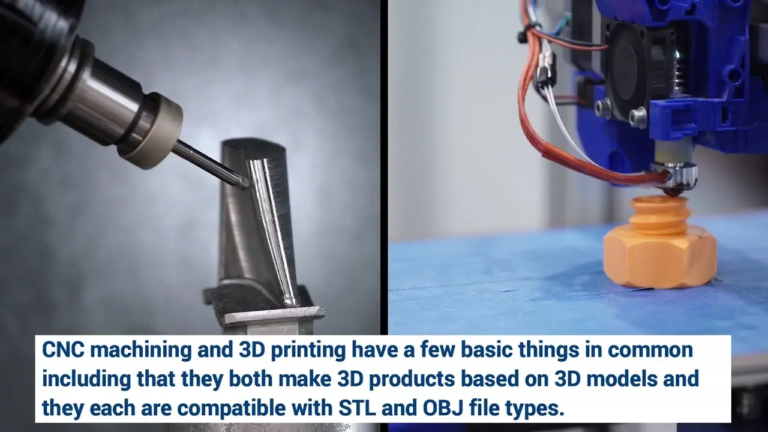
Mastering CNC Milling: Common Challenges and Best Practices for Optimal Performance
When it comes to CNC milling, complex parts can be a challenge to produce. The process requires precision, accuracy, and the right tools to achieve optimal results. In this article, we’ll explore the common problems that CNC milling cutters face and provide expert advice on how to overcome them.
Problem 1: Tool Compaction and Breakage
When working with end mills, one of the most significant issues is tool compaction and breakage. This can be caused by a variety of factors, including:
- Improper tool orientation
- Inadequate machining conditions
- Poor tool cleaning and maintenance
To prevent tool compaction and breakage, it’s essential to:
- Ensure proper tool orientation and clearance
- Use a high-quality tool holder and holder
- Regularly clean and maintain your tools
- Monitor machining conditions and adjust as needed
Problem 2: Vibration and Tool Wearing
Another common issue in CNC milling is vibration, which can lead to tool wearing and premature failure. Vibration can be caused by:
- Poor tool alignment
- Insufficient clamping pressure
- Inadequate tool support
- Incorrect cutting parameters
To minimize vibration and tool wearing:
- Ensure proper tool alignment and clearance
- Use adequate clamping pressure and support
- Monitor and adjust cutting parameters accordingly
- Regularly maintain and inspect your tools
Problem 3: End Mill Problems
End mills can be particularly challenging, especially when dealing with complex geometries and tight tolerances. To overcome these challenges:
- Use the right end mill for the job, taking into account the material properties and part geometry
- Adjust cutting speeds and feed rates as needed
- Monitor and adjust the machining process regularly
- Regularly maintain and inspect your tools
Problem 4: Selection of Cutting Parameters
Choosing the right cutting parameters is crucial to achieving optimal results. It’s essential to consider factors such as:
- Material properties
- Tool type and condition
- Machine tool capabilities
- Part geometry and shape
To achieve the best results:
- Consult tool manufacturer’s guidelines and recommendations
- Test and optimize cutting parameters
- Monitor and adjust the machining process regularly
Problem 5: Method of Cutting
The cutting method used can significantly impact the outcome. To achieve optimal results:
- Use the right cutting method for the job, taking into account the material properties and part geometry
- Monitor and adjust the machining process regularly
- Regularly maintain and inspect your tools
Conclusion
In conclusion, CNC milling requires careful attention to detail and a thorough understanding of the challenges that can arise during the process. By understanding the common issues and adopting best practices, you can optimize your results and achieve the precision and accuracy required for complex parts.
Additional Tips and Considerations
- Always consult the manufacturer’s guidelines and recommendations for specific cutting parameters and tool selection
- Regularly maintain and inspect your tools to prevent tool wear and contamination
- Monitor and adjust the machining process regularly to ensure optimal results
- Consider using advanced technologies such as computer-aided design (CAD) software and computer-aided manufacturing (CAM) software to streamline and optimize the machining process.
Optimizing CNC Milling: The Key to Success
By following the guidelines and best practices outlined in this article, you can ensure optimal performance and achieve the precision and accuracy required for complex parts. Remember to always consult the manufacturer’s guidelines and recommendations, and to regularly maintain and inspect your tools to prevent tool wear and contamination. With the right tools and techniques, you can achieve the results you need to succeed.



















