
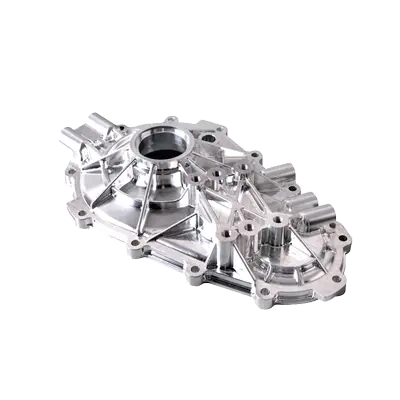
The Evolution of Crankshaft Grinding: A New Era in Precision and Efficiency
As the world of manufacturing continues to evolve, so too must the machinery and processes that shape it. The crankshaft, a critical component in many modern engines, has long been a challenge for manufacturers due to its precise dimensional accuracy and surface finish requirements. Traditional grinding methods have their limitations, but recent advancements in CNC technology and machine tool design have given rise to a new era in crankshaft grinding.
The Challenges of Conventional Grinding
For decades, grinding has been the final stage of crankshaft production, where high precision and complexity are essential for meeting product requirements. Conventional grinding methods, however, often fall short in addressing the demands of modern manufacturing. Human error, limitations in equipment design, and the need for manual adjustments all contribute to inconsistent results and reduced product quality.
The Rise of CNC Technology
The advent of CNC (Computer Numerical Control) technology has revolutionized the manufacturing landscape, enabling precise control and flexibility in processing complex parts. CNC promises to overcome the limitations of traditional grinding methods, offering increased accuracy, speed, and reliability.
The Next Generation of Crankshaft Grinders
The latest generation of crankshaft grinders is built upon the principles of CNC technology, combining advanced machine design with sophisticated processing algorithms. These systems feature automatic control, real-time feedback, and advanced sensors to monitor and adjust the grinding process, resulting in improved product quality and reduced production costs.
The Key to Success: Closed-Loop Feedback and CNC Control
The crux of these new systems lies in their ability to operate in closed-loop feedback mode, monitoring and adjusting the grinding process in real-time. This synergy of CNC control and advanced sensor technology enables the simulation of complex shapes, precise dimensional accuracy, and surface finish, all while minimizing material removal and reducing energy consumption.
The Impact of Transverse Sliding Tables
The transverse sliding table design features a unique attribute: the ability to overcome deformation of the machine tool caused by part movement. This innovative design ensures rigid construction, improved stability, and enhanced surface finish.
The Importance of Cooling and Thermal Stability
A critical aspect of crankshaft grinding is thermal stability, ensuring that the grinding process does not generate excessive heat, compromising quality and safety. The latest systems incorporate advanced cooling systems and optimized process controls to maintain optimal temperatures, safeguarding product integrity and minimizing environmental impact.
Future-Proofing the Manufacturing Process
The future of crankshaft grinding lies in the fusion of cutting-edge technology, advanced materials, and innovative design principles. By embracing the potential of CNC technology, manufacturers can revolutionize their processes, achieving unprecedented levels of precision, efficiency, and flexibility.
As we move forward, the evolution of crankshaft grinding will continue to be characterized by advancements in machine tool design, sensor technology, and process control. With these innovations, manufacturers can optimize their production lines, ensuring the delivery of high-quality products while reducing costs, waste, and environmental impact.
Conclusion
The revolution in crankshaft grinding is not just about technology; it’s about the future of manufacturing. As we push the boundaries of innovation, we can unlock new possibilities, drive growth, and shape the future of our industry. Join the journey, and discover the next generation of crankshaft grinding – a new era of precision, efficiency, and excellence.



















