
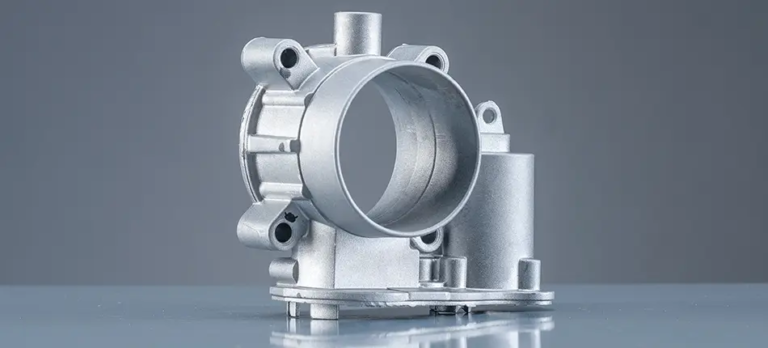
Whether you are an experienced engineer or a DIY enthusiast, choosing between CNC machining and manual machining is a difficult task. Both approaches have their pros and cons, and the best approach to your project depends on a variety of factors. In this article, we will break down the benefits and limitations of each method to help you make informed decisions to meet precise machining needs.
CNC machining
CNC (Computer Numerical Control) machining is a process of shearing and shaping materials with precision and speed using a computer-controlled machine. Using CNC machining, even the most complex shapes and designs can be easily achieved, which is ideal for high-precision engineering and manufacturing applications.
advantage:
- High precision: CNC machining allows for precision and tolerances as low as 0.001mm.
- Speed: The working speed of CNC machines is significantly faster than manual processing, reducing production time and cost.
- Consistency: CNC machining ensures consistent results, eliminating human error and variability.
- Automation: Automation is the key to effective production, allowing uninterrupted production and minimize labor costs.
shortcoming:
- Initial Investment: Building a CNC machine requires a large amount of initial investment.
- Limited flexibility of materials: CNC machines often have limitations when dealing with certain materials.
- Maintenance: CNC machines require regular maintenance to ensure optimal performance.
Manual processing
Manual machining, on the other hand, involves the use of hand tools and equipment to shape and cut materials. This traditional approach is often used for small-scale or prototype production, as well as tasks that require a high level of customization or flexibility.
advantage:
- Affordability: Manual machining requires minimal initial investment, which makes it a cost-effective option.
- Flexibility: Manual machining allows easy customization and adaptation to changing project requirements.
- No maintenance required: No complex machinery, manual machining requires almost no maintenance.
- Craft: Manual processing usually emphasizes human craftsmanship and attention to detail, and produces unique works in personal style.
shortcoming:
- Time-consuming: Manual processing is much slower than CNC processing.
- Limited accuracy: Human error and fatigue can lead to inconsistent processing results.
- Labor Cost: Manual processing requires skilled labor, which can increase costs over time.
If you are still unsure which approach is best for your project, consider the following:
- If high precision and speed are critical, CNC machining may be a better choice.
- If flexibility and customization are essential, manual machining may be necessary.
in conclusion
When choosing between CNC machining and manual machining, the specific requirements of the project must be considered. Both methods have their advantages and disadvantages, and the correct method will depend on factors such as precision, speed and material flexibility. By understanding the benefits and limitations of each approach, you will be able to make informed decisions and ensure the best results that meet the precise machining needs.
FAQ
Q: Can CNC processing be used for small-scale production?
A: Yes, CNC machines can be used for small scale production, but using manual machining for small batches can be more cost-effective.
Q: Can manual processing be used for high-precision engineering applications?
A: While manual machining can be used for high-precision applications, it is often more challenging to achieve the same accuracy as CNC machining.
Q: What are the typical tolerances for CNC machining?
A: CNC machining can achieve tolerances as low as 0.001mm depending on machine and operator expertise.
Q: Can CNC processing be used in different materials?
A: Yes, CNC machines can handle a variety of materials, including metals, plastics and composites. However, some materials may require specialized equipment or custom settings.



















