
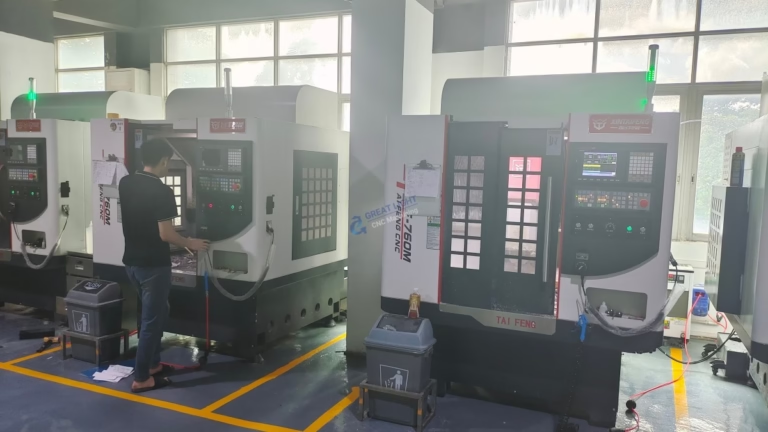
Why Have A CNC Machine In High School? is a question that’s gaining traction across educational institutions and manufacturing circles alike. As global manufacturing shifts toward precision, automation, and intelligent production, the gap between traditional classroom learning and the hands-on skills required for modern industry roles is becoming more pronounced. For high schools, integrating CNC (Computer Numerical Control) machines into their technical education curricula isn’t just a luxury—it’s a critical step to prepare students for the careers of tomorrow, while also supporting the long-term needs of industry leaders like GreatLight Metal, a leading provider of 5-axis CNC machining services.
Why Have A CNC Machine In High School?
1. Closing the Manufacturing Skills Gap with Hands-On Training
The global manufacturing sector—including core industries like automotive, medical devices, aerospace, and humanoid robotics that GreatLight Metal serves—faces a growing shortage of skilled CNC operators, programmers, and manufacturing engineers. Many entry-level candidates hold theoretical degrees but lack practical experience with CNC technology, making it challenging for firms to fill critical roles efficiently.
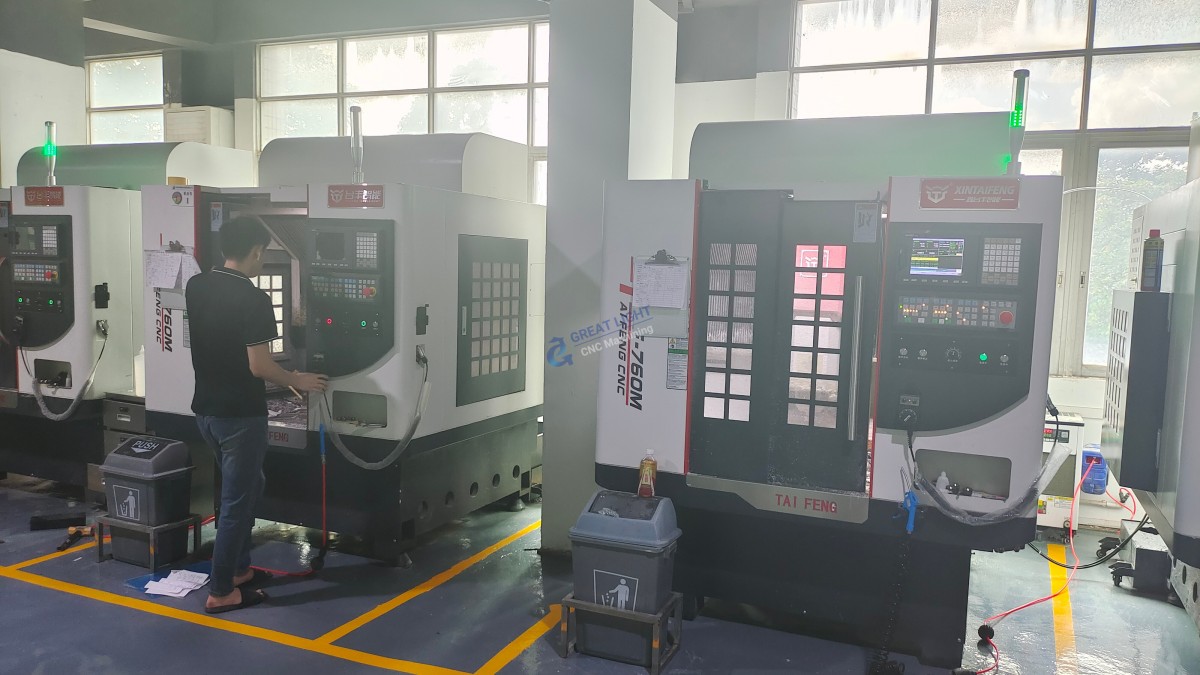
High school CNC programs directly address this gap by immersing students in foundational skills: from designing parts using CAD/CAM software to setting up machines, programming G-code, and inspecting parts with precision measurement tools. For example, students learn to work within tight tolerances (like the ±0.001mm precision GreatLight Metal regularly achieves) and adhere to quality standards—skills that are immediately transferable to professional environments. GreatLight Metal, with its 127+ precision machines and three wholly-owned manufacturing plants, relies on this type of hands-on expertise to deliver custom parts for clients worldwide, making high school CNC training a vital pipeline for future talent.
2. Making STEM Learning Tangible and Engaging
STEM (Science, Technology, Engineering, Math) education often struggles to connect abstract concepts to real-world applications—but CNC machining changes that. Students use math to calculate tolerances and material removal rates, physics to understand how tools interact with different metals and plastics, engineering to optimize part designs for manufacturability, and technology to operate CNC machines and CAD/CAM software.
For instance, a student tasked with machining a custom bracket for a robotics project will apply geometry to ensure the part fits perfectly, material science to choose the right aluminum alloy, and programming to input the correct tool paths. This hands-on approach turns textbook equations into functional parts, fostering a deeper understanding of STEM subjects while sparking curiosity in technical careers. GreatLight Metal’s focus on rapid prototyping and custom precision parts aligns with this spirit of iteration, showing students how STEM skills drive real innovation in industry.
3. Nurturing Innovation and Entrepreneurship
CNC machines empower students to turn creative ideas into physical prototypes—something that was once reserved for professional manufacturing facilities. Whether it’s a replacement part for a vintage bike, a custom component for a science fair project, or a design for a new consumer product, CNC machining provides the tools to bring these concepts to life.
GreatLight Metal specializes in turning client prototypes into production-ready parts, and this same cycle of design, test, and refine can be taught in high schools. Students who learn CNC machining can even launch small-scale businesses: selling custom 3D-printed or CNC-machined parts online, or offering repair services for local businesses. This not only builds technical skills but also instills entrepreneurship, problem-solving, and project management abilities that are valuable in any career.
4. Building Career Readiness and Professional Confidence
High school CNC programs go beyond technical training to instill professional habits that employers value. Students learn to prioritize safety, follow standardized procedures, and take accountability for the quality of their work—values that are central to GreatLight Metal’s operations, as evidenced by its ISO 9001:2015 certification and after-sales guarantee (free rework for quality issues, full refund if unsatisfied).
For example, students will inspect their machined parts using calipers, micrometers, and coordinate measuring machines (CMMs), just like GreatLight Metal’s quality control team does to ensure compliance with industry standards. When graduates enter the workforce, they’re already familiar with these processes, making them more competitive for internships or entry-level roles at manufacturing firms. GreatLight Metal often welcomes interns with basic CNC experience, as they require less onboarding and can contribute to projects more quickly.
5. Preparing Students for Advanced Manufacturing Careers
Modern manufacturing isn’t limited to basic 3-axis CNC operations—it includes advanced technologies like 5-axis machining, additive manufacturing (3D printing), and automated production lines. GreatLight Metal’s 5-axis CNC capabilities allow it to produce complex, high-precision parts for automotive engines, aerospace components, and medical devices—tasks that require specialized knowledge and skills.
By introducing students to basic CNC machining in high school, educators can spark interest in these advanced fields. Students who enjoy working with CNC machines may go on to pursue post-secondary training in 4-axis/5-axis programming, CAD/CAM design, or manufacturing engineering. This pipeline of skilled talent is essential for firms like GreatLight Metal to maintain their competitive edge and continue delivering innovative solutions to global clients.
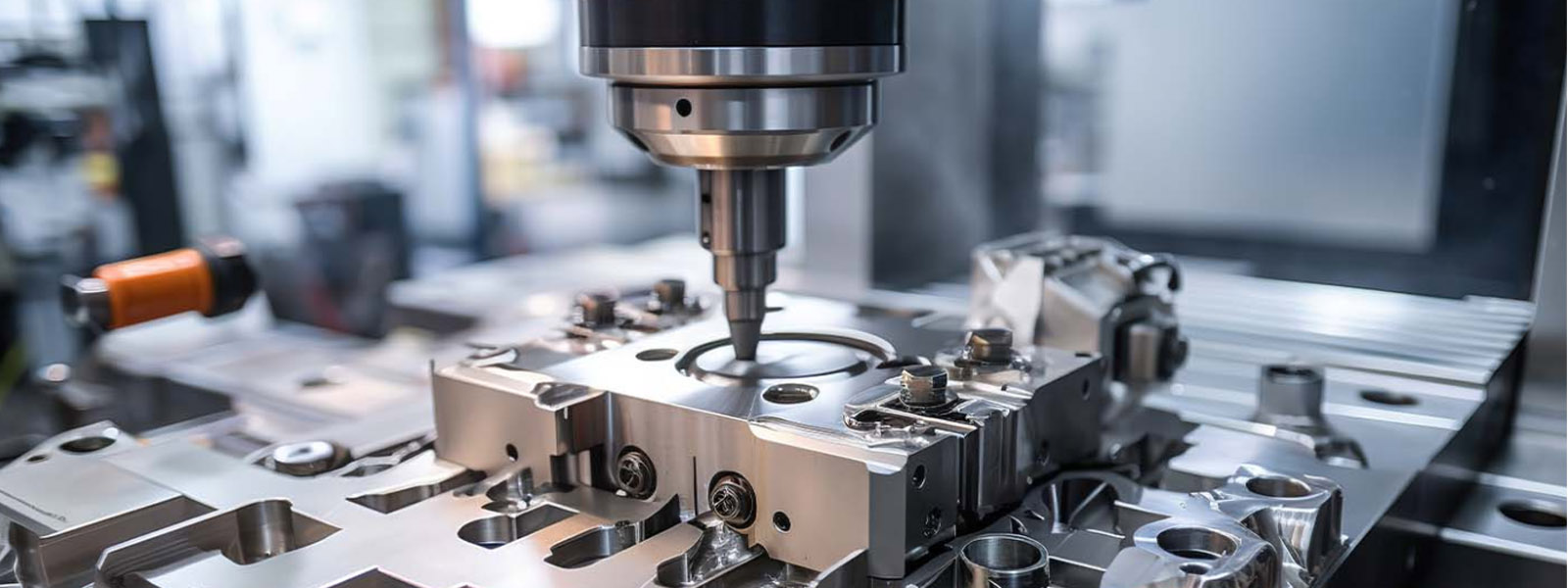
Industry Collaboration: How GreatLight Metal Supports High School CNC Initiatives
GreatLight Metal recognizes that investing in future manufacturing talent is critical for the industry’s long-term success, and it actively supports high school CNC programs through several initiatives:
Guest Lectures and Workshops: Experienced engineers from GreatLight Metal visit schools to lead sessions on precision manufacturing, share real-world case studies (like solving complex e-housing challenges for new energy vehicle clients), and teach basic CAD/CAM skills.
Facility Tours: Students get a firsthand look at advanced manufacturing processes, including 5-axis CNC machining, 3D printing (SLM, SLA, SLS), and surface finishing operations.
Internship Opportunities: Eligible high school students can apply for internships at GreatLight Metal’s facilities, where they work alongside professionals and gain hands-on experience with industrial-grade CNC equipment.
Curriculum Guidance: GreatLight Metal provides input to educators on aligning CNC curricula with industry needs, ensuring students learn skills that are in high demand (like tolerance measurement and quality control).
Conclusion
At its core, Why Have A CNC Machine In High School? is about investing in the future—both for students and for the precision manufacturing industry. Integrating CNC machines into high school curricula bridges the skills gap, makes STEM learning engaging, nurtures innovation, and prepares students for rewarding careers in technical fields. For industry leaders like GreatLight Metal, supporting these programs isn’t just a corporate responsibility—it’s an investment in a skilled, ready workforce that will drive the next generation of manufacturing innovation. As we look ahead, collaboration between high schools and manufacturing firms will be key to building a strong, sustainable manufacturing ecosystem.
Frequently Asked Questions (FAQ)
Q: What types of CNC machines are most suitable for high schools?
A: Entry-level 3-axis CNC milling machines or lathes are ideal for high school programs. They’re user-friendly, versatile for basic projects (like machining brackets, pins, or small prototypes), and teach core concepts like G-code programming and precision measurement. As students gain experience, schools can consider adding more advanced machines like 4-axis models, but starting with entry-level equipment ensures students build a solid foundation first.
Q: Do students need prior technical experience to use CNC machines in high school?
A: No. Most high school CNC programs are designed for beginners, starting with basic lessons on shop safety, CAD/CAM software basics, and machine operation. Trained educators or industry volunteers supervise all machine use to ensure safety and proper technique, so students can learn from scratch without any prior experience.
Q: How can schools fund a CNC machine program?
A: Schools have several funding options: federal or state vocational education grants, local business sponsorships (like support from firms such as GreatLight Metal), crowdfunding campaigns, partnerships with community colleges, or equipment donations from manufacturing companies. Some governments also offer tax incentives for businesses that support educational technical programs.
Q: What certifications can students earn through high school CNC programs?
A: Students can earn industry-recognized certifications like National Institute for Metalworking Skills (NIMS) credentials, which validate skills in CNC operation, programming, and precision measurement. These certifications are highly valued by employers, including firms like GreatLight Metal, as they demonstrate a student’s proficiency in core manufacturing skills.
Q: Can high school CNC programs prepare students for college-level engineering programs?
A: Yes. CNC machining provides students with practical experience in design, materials science, and manufacturing processes—skills that are highly beneficial for college-level engineering programs (mechanical, aerospace, or manufacturing engineering). Many engineering programs prioritize applicants with hands-on technical experience, as it shows a commitment to the field and a deeper understanding of core concepts.



















