

The Precision Art of CNC Lathe Setup: A Step-by-Step Masterclass for Flawless Execution
In the world of precision parts machining and customization, the CNC lathe stands as a cornerstone of modern manufacturing. Its ability to produce complex, rotationally symmetric parts with exceptional accuracy and repeatability is unparalleled. However, the true potential of this sophisticated machine is unlocked not just by its hardware, but by the meticulous, systematic process of its setup. A proper CNC lathe setup is the critical bridge between a digital design and a flawless physical component. It is a disciplined sequence that balances technical knowledge, practical skill, and unwavering attention to detail. This article will dissect the essential steps and professional considerations for setting up a CNC lathe, a process that companies like GreatLight CNC Machining Factory have refined into a core competency, ensuring every custom part meets the stringent demands of industries from aerospace to medical devices.
H2: Why CNC Lathe Setup is the Foundation of Quality
Before diving into the “how,” it’s crucial to understand the “why.” A rushed or incorrect setup is the primary source of errors in CNC turning, leading to:
Dimensional Inaccuracy: Parts falling outside specified tolerances.
Poor Surface Finish: Visible tool marks, chatter, or roughness.
Tool Failure: Premature wear or catastrophic breakage.
Machine Damage: Collisions causing costly repairs and downtime.
Material Waste: Scrapping expensive stock like titanium or Inconel.
A methodical setup mitigates these risks, ensuring efficiency, safety, and most importantly, part quality. It transforms the machine from a mere cutter of metal into a predictable and reliable production partner.
H2: Phase 1: Pre-Setup Preparation and Planning
Successful setup begins long before any tool touches the machine.
H3: 1.1 Drawing and Program Review
Blueprint Analysis: Thoroughly review the part drawing. Identify critical dimensions, tolerances (e.g., ±0.001mm), geometric tolerances, and surface finish requirements.
Process Planning: Decide on the machining sequence: facing, rough turning, finish turning, grooving, threading, parting-off. Determine the number of operations and required setups (e.g., secondary operations on the reverse side).
CNC Program Verification: Load and simulate the G-code program using the machine’s control software or a dedicated CAM verification tool. Check for logical errors, rapid moves near the chuck, and correct tool paths.
H3: 1.2 Tooling Preparation
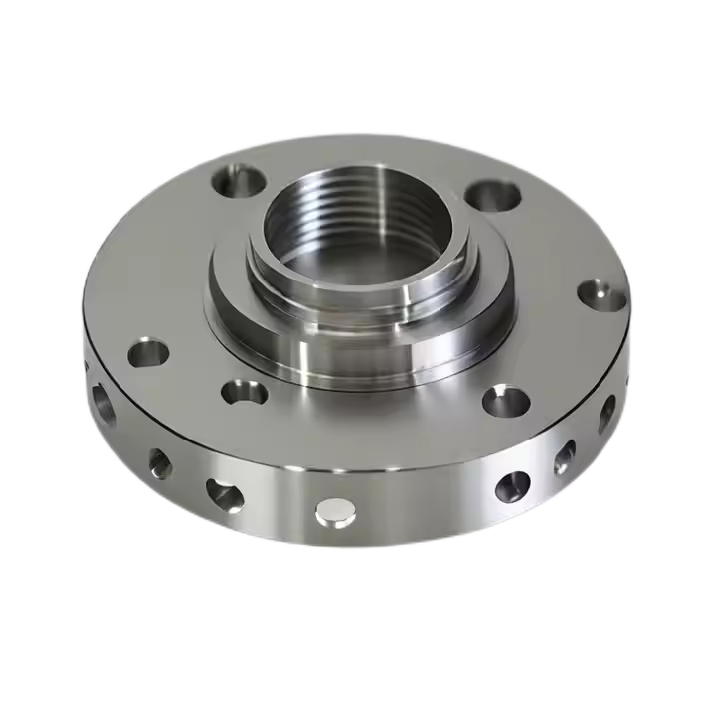
Tool Selection: Based on the material and features, select appropriate insert grades (carbide, CBN, diamond), geometries, and tool holders.
Tool Presetting (Offline): For high-mix or high-precision production, use an offline presetter to measure the exact tool tip geometry (nose radius, lead angle) and set tool length offsets. This drastically reduces machine downtime. Facilities with advanced capabilities, like GreatLight CNC Machining Factory, integrate this into their workflow to maximize the uptime of their multi-axis machining centers and lathes.
H2: Phase 2: The Physical Setup Process
This is the hands-on phase where planning meets practice.
H3: 2.1 Workspace and Machine Preparation
Safety First: Ensure the machine safety guards are functional. Wear appropriate PPE (safety glasses, etc.).
Machine Warm-up: Execute the machine’s warm-up cycle to stabilize the thermal state of spindle and axes, which is critical for maintaining tight tolerances.
Cleaning: Clean the machine bed, chuck jaws, and tool turret of all chips and coolant residue from the previous job.
H3: 2.2 Workpiece Installation and Chucking
Chuck Selection: Choose the correct chuck type (3-jaw universal, 4-jaw independent, collet chuck) based on the raw material shape and required clamping force.
Jaw Preparation: Use soft jaws that can be bored to perfectly match the stock diameter, maximizing grip and concentricity. For hardened or precision-ground stock, consider precision hard jaws.
Mounting the Stock: Securely clamp the workpiece. Ensure adequate gripping length and that the stock does not protrude unnecessarily, which can cause deflection. Check for runout using a dial indicator; for high-precision work, this step is non-negotiable.
H3: 2.3 Tooling Installation and Offsetting
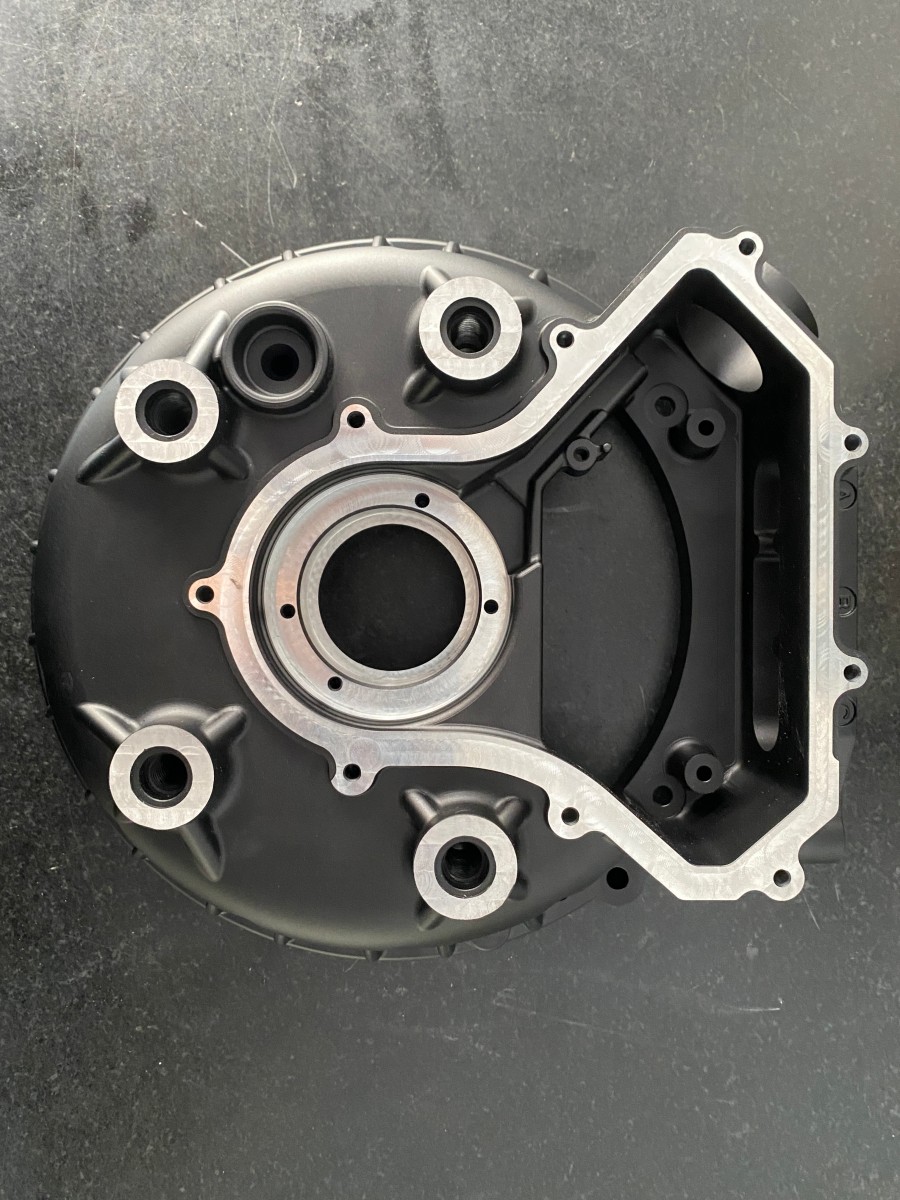
Loading Tools: Install the pre-selected tools into the designated stations on the turret. Tighten them to the manufacturer’s specified torque.
Setting Tool Offsets (On-Machine):
Geometry Offsets (Tool Length): Use the machine’s touch probe or a manual method (e.g., touching off on a known reference) to set the Z-axis and X-axis positions of each tool tip relative to the machine zero.
Wear Offsets: These are fine-tuning values used to compensate for tool wear during the production run, allowing for micro-adjustments without reprogramming.
H3: 2.4 Establishing Work Coordinate System (WCS)
This defines the program’s zero point on your physical workpiece.
Facing the End: Often, the first operation is to face the end of the stock to create a clean, perpendicular Z-zero reference surface.
Touching Off: Manually or via probe, set the Z-zero on the newly faced surface. Set the X-zero by taking a light cut on the OD and measuring the diameter, then inputting this value into the control. This process, when mastered, is what allows a factory to consistently hit tolerances within thousandths of a millimeter.
H2: Phase 3: Verification, Dry Run, and First-Article Inspection
Never assume the first part will be good. This phase is your final quality gate.
H3: 3.1 Program Dry Run
Optional Stop / Single Block: Run the program with the spindle and coolant off, using the “optional stop” and “single block” modes. Watch the distance-to-go readouts on the controller to visually verify all movements are safe and logical.
Air Cutting: Run the program with the spindle on but with the tool offset shifted radially (e.g., +10mm in X) so it cuts air, following the exact tool path without contacting the material. This is the ultimate collision check.
H3: 3.2 First Part Run and Inspection
Run the First Part: Execute the full program to produce the first part. Monitor for unusual sounds or vibrations.
Comprehensive Inspection: Measure the first part completely using calibrated instruments: micrometers, calipers, CMM (Coordinate Measuring Machine), and surface finish testers. Compare every dimension to the drawing.
Offset Adjustment: Based on the inspection results, make fine adjustments to the tool wear offsets. For example, if the OD measures 0.005mm large, input a -0.005mm wear offset for that tool.
H2: Phase 4: Optimization and Production Launch
Once the first part is approved, focus shifts to efficiency and stability.
Optimize Cutting Parameters: If cycle time is critical, and the first part ran without issue, consider optimizing feed rates and spindle speeds within safe limits for the tooling.
Implement In-Process Gauging: For long production runs, program the machine to automatically check critical dimensions and adjust offsets in real-time.
Document the Setup: Record all key parameters—tool numbers, offsets, chuck pressure, etc.—in a setup sheet. This is invaluable for future repeat orders and is a hallmark of a systematic manufacturer like GreatLight CNC Machining Factory, whose ISO 9001:2015 certified processes demand such documentation.
Conclusion
The question of How To Setup CNC Lathe Machine? reveals that it is far more than a simple mechanical task. It is a rigorous, engineering-driven discipline that integrates planning, precision measurement, procedural verification, and continuous refinement. It is the bedrock upon which reliable, high-quality machining is built. While the fundamentals remain consistent, the depth of execution separates standard shops from precision partners. Manufacturers that invest in advanced presetting equipment, stringent first-article inspection protocols (supported by certifications like IATF 16949 for automotive or ISO 13485 for medical), and a culture of meticulousness transform this setup process from a necessary chore into a competitive advantage. For clients seeking not just a supplier but a solutions partner for CNC lathe setup and the subsequent production of mission-critical components, partnering with a manufacturer that elevates this art form is the most strategic decision for ensuring project success.
Frequently Asked Questions (FAQ)
Q1: What are the most common mistakes made during CNC lathe setup?
A1: The most frequent errors include: incorrect tool offset measurement leading to size errors; failing to properly check for workpiece runout, causing concentricity issues; inadequate chucking force resulting in part movement or vibration; and skipping the dry-run/air-cutting verification, which is the primary cause of catastrophic tool/machine collisions.
Q2: How does material type affect the setup process?
A2: Material drastically influences setup choices. Soft materials like aluminum may require sharper insert geometries and higher speeds, while tough alloys like Inconel demand robust tool holding, lower speeds, and secure clamping to withstand higher cutting forces. The setup sheet must specify material-specific parameters for feeds, speeds, and clamping.
Q3: What level of precision can I expect from a properly set up CNC lathe?
A3: With a modern CNC lathe in good condition, a meticulous setup, and qualified operator, standard machining can consistently hold tolerances of ±0.01mm. For high-precision applications, using premium machine tools, temperature control, and in-process compensation, tolerances of ±0.001mm and even finer are achievable, which is the realm of specialists like GreatLight CNC Machining Factory.
Q4: Can the same setup be used for repeat orders months later?
A4: Yes, if properly documented. A detailed setup sheet with tool numbers, offset values, chuck jaw details, and program name allows for efficient job replication. However, machine condition, tool wear, and even ambient temperature should be considered, and a new first-article inspection is always recommended to validate the setup.
Q5: What advantages do full-service manufacturers offer over just providing setup instructions?
A5: A full-service partner handles the entire continuum: from DFM (Design for Manufacturability) advice to optimize the part for turning, through process planning, precision setup, production, and final inspection. They assume the technical risk and leverage their expertise across thousands of setups to avoid pitfalls, ensuring you receive ready-to-use, in-spec parts without needing deep in-house machining knowledge. This integrated approach is core to the value proposition of leading precision 5-axis CNC machining services providers.
Q6: Where can I see examples of complex turned parts and learn more about advanced manufacturing capabilities?
A6: For insights into industry applications and technological advancements, following established manufacturers on professional platforms is valuable. You can explore the profile of GreatLight Metal Tech Co., LTD. on LinkedIn to see case studies and their engagement in the precision manufacturing community.


















