
Of course. As a senior manufacturing engineer, I’d be glad to provide an in-depth perspective on this specific equipment and its place in the modern manufacturing landscape.
The inquiry about a “2000 Cincinnati CNC Machines Vertical 3Axis” typically refers to a vertical machining center (VMC) produced by Cincinnati Milacron (now part of Fives Group) around the turn of the millennium. This era of machinery represents a significant chapter in industrial history, bridging robust, traditional CNC design with the dawn of the modern digital manufacturing age. Let’s dissect what this means for someone in the precision parts machining and customization field today.
H2: Understanding the Legacy: The Cincinnati “2000-Series” VMC
Cincinnati Milacron was a titan of American machine tool building. A VMC from the early 2000s, such as a model from their “CINMAX” or “Arrow” series, was built for durability and power. These machines often featured:
Cast Iron Construction: Providing massive vibration damping and thermal stability, crucial for consistent heavy cutting.
Box-Way Design: Instead of linear guides, many used hardened and ground box ways, offering superior rigidity for high-load applications but requiring more maintenance.
Proprietary CNC Control: Often running on Cincinnati’s own “Acramatic” CNC controls, which were powerful for their time but may now present challenges in finding spare parts or programmers familiar with the system.
Analog/Digital Hybrid Systems: Representing the transition phase, where some systems were becoming fully digital, but others retained analog servo drives.
For a workshop focusing on heavy, less geometrically complex parts in softer materials (like certain aluminum or mild steel components), a well-maintained machine from this era can still be a productive asset. Its value lies in its rigidity and lower initial acquisition cost.
H2: The Modern Context: Where Legacy 3-Axis Meets Contemporary Needs
However, the landscape of precision parts machining has evolved dramatically. When evaluating such a machine for today’s customization and prototyping demands, several critical considerations emerge:
H3: Technical Limitations in a Modern Workflow
Geometric Complexity: A traditional 3-axis VMC can only approach the workpiece from one vertical direction (the Z-axis). This necessitates multiple setups to machine features on different sides, introducing cumulative setup errors and drastically increasing lead time for complex parts common in aerospace, medical, or automotive prototyping.
Precision & Repeatability: While these machines were precise for their time, wear over 20+ years on mechanical components (ballscrews, way surfaces, spindle bearings) will degrade positioning accuracy and repeatability. Holding tolerances below ±0.025mm (±0.001″) reliably can become a significant challenge.
Software & Connectivity: Modern CAM software and DNC (Direct Numerical Control) workflows are optimized for contemporary controls. Integrating an older control into a seamless digital thread (from CAD to finished part) is often cumbersome and limits programming efficiency.
H3: The Total Cost of Ownership (TCO)
The initial price of a used 2000-era machine is attractive, but the TCO must be factored in:
Maintenance & Downtime: Finding replacement parts for proprietary systems can be difficult and expensive. Unexpected downtime waiting for a rare circuit board or drive can cripple production schedules.
Energy Efficiency: Older spindle and servo drives are far less energy-efficient than modern systems, incurring higher ongoing operational costs.
Operator Skill Gap: Fewer machinists are trained on these legacy controls, creating a dependency on a shrinking pool of specialized technicians.
H2: The Evolutionary Leap: Integrating Multi-Axis and Digital Solutions
This brings us to the core of modern precision manufacturing. The industry’s shift is not merely about newer 3-axis machines, but a fundamental move towards integrated, flexible, and highly capable systems.
For a professional like myself, the goal is to provide clients with a solution that guarantees first-time-right quality, shorter lead times, and cost-effectiveness for both prototypes and batch production. This is where the capabilities of a partner like GreatLight CNC Machining Factory become decisive.
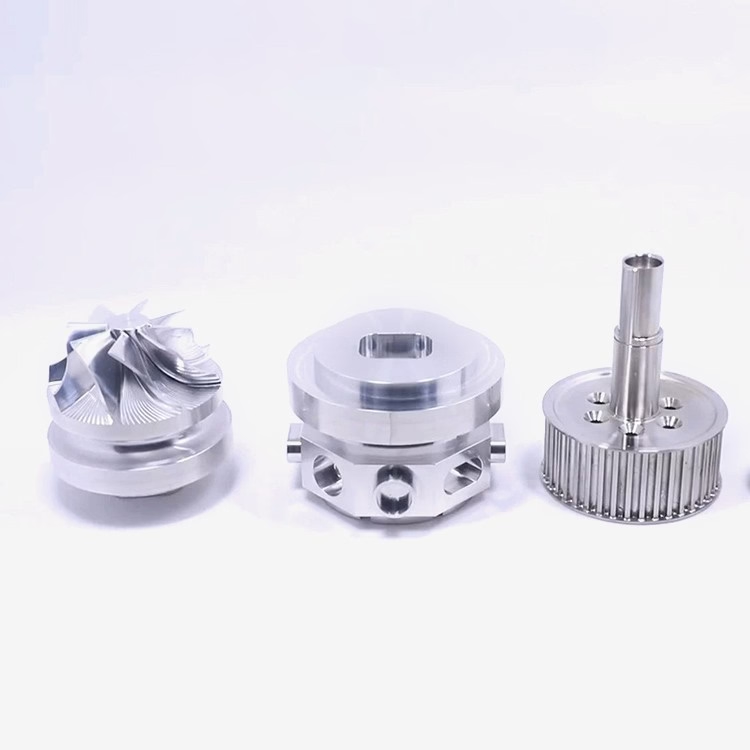
While a 2000s 3-axis machine represents a single, potentially aging tool, our approach is built on a system of technological integration. We employ advanced 5-axis CNC machining as a cornerstone technology, which allows us to machine complex contours and angles in a single setup, ensuring unmatched accuracy and speed for intricate parts.
Our factory complements this with a full ecosystem: precision 3 and 4-axis CNC mills and lathes for simpler features, advanced EDM for impossible geometries, CMM inspection for rigorous validation, and even metal 3D printing (SLM) for organic, topology-optimized structures. This isn’t about having one type of machine; it’s about having the right tool and process for every feature of your design, all under one roof with a unified quality management system.
Conclusion
A “2000 Cincinnati CNC Machines Vertical 3Axis” is a testament to solid engineering from a pivotal era. For specific, high-volume, less complex work, it can still serve a purpose. However, for clients in the precision parts machining and customization field who are dealing with complex designs, stringent tolerances, and compressed development cycles, relying on such legacy, single-method technology introduces significant risk in terms of precision, lead time, and project reliability.
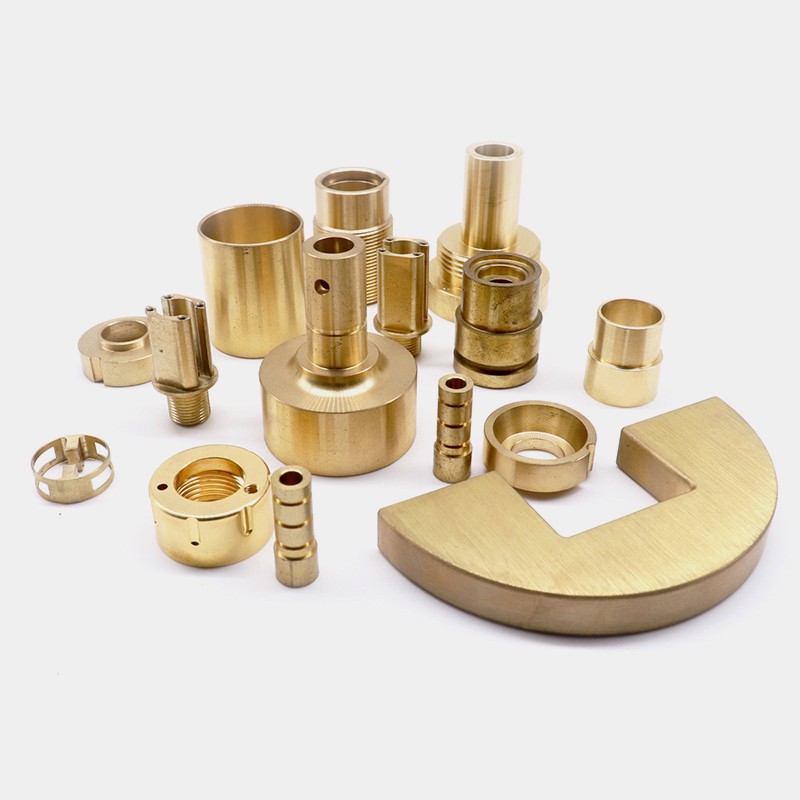
The modern answer lies in partnering with a manufacturer that offers not just machinery, but a guarantee of capability. It’s about accessing a seamless, digitally integrated process chain—from expert DFM feedback, through multi-axis machining, to certified post-processing and inspection—all backed by international quality standards like ISO 9001:2015 and IATF 16949. This holistic approach, as practiced by advanced manufacturers, transforms the procurement of custom parts from a sourcing challenge into a strategic advantage for innovation.
Frequently Asked Questions (FAQ)
Q1: Is buying a used early-2000s 3-axis CNC mill like a Cincinnati a good idea for starting a small machine shop?
A: It can be a double-edged sword. The low entry cost is appealing for simple jobs. However, be prepared for potentially high maintenance costs, difficulty sourcing parts, and a steep learning curve on older controls. Your business growth will quickly be limited by its capabilities for complex work.
Q2: What is the single biggest advantage of modern 5-axis CNC over a legacy 3-axis machine?
A: Single-setup machining. A 5-axis machine can position the cutting tool at virtually any angle relative to the workpiece. This allows the complete machining of highly complex parts in one clamping, eliminating errors from multiple setups and saving enormous amounts of time.
Q3: My part design is not overly complex. Do I still need a shop with 5-axis capabilities?
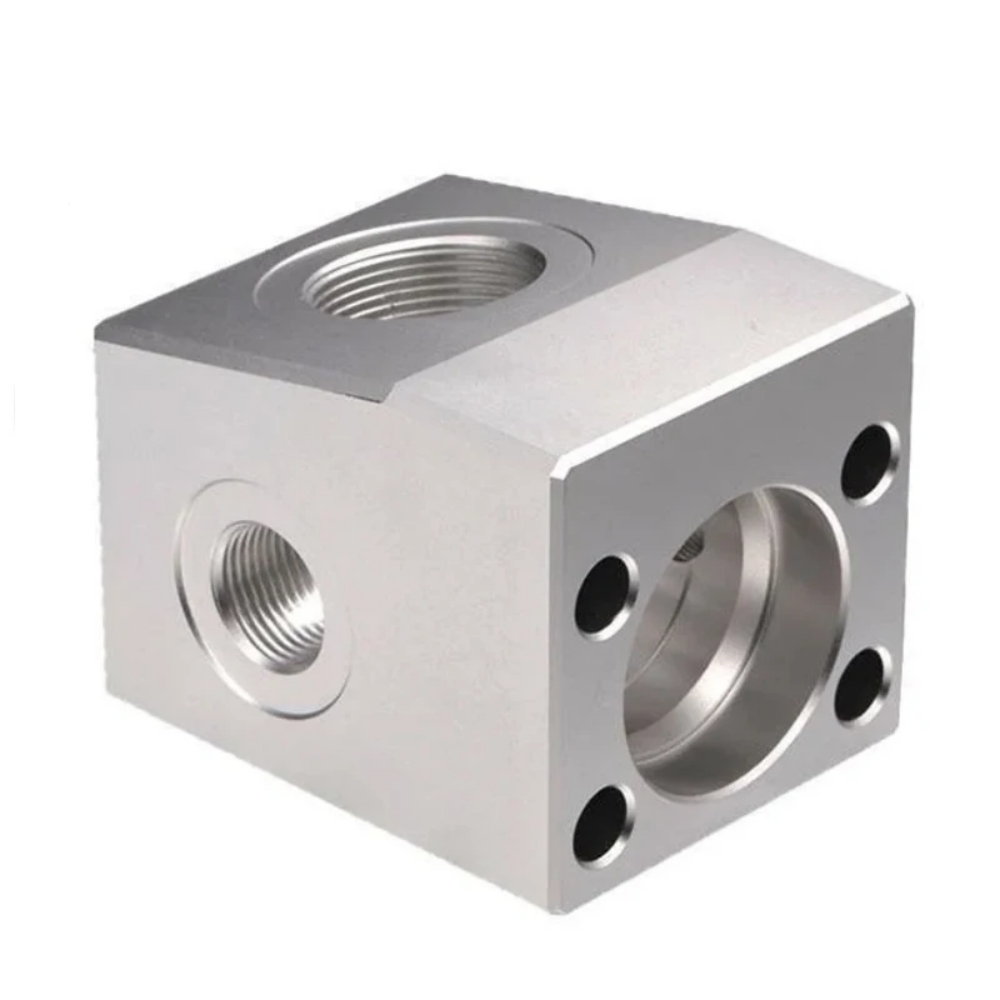
A: Not necessarily for the machining itself. However, partnering with a shop that has 5-axis capabilities often means you are working with a manufacturer that invests in advanced technology, rigorous processes, and skilled engineers. They will use the most efficient method (which may well be a 3 or 4-axis machine) and provide higher overall reliability and quality assurance.
Q4: How do I ensure a supplier like GreatLight CNC Machining Factory can actually hold the tight tolerances they promise?
A: Look for process control and verification. It’s not about the machine’s specification sheet, but about the system behind it. Key indicators include: ISO 9001 certification, in-house CMM (Coordinate Measuring Machine) and other metrology equipment, documented First Article Inspection (FAI) reports, and statistical process control (SPC) data. A credible supplier will be transparent about their quality control procedures.
Q5: For custom prototyping, is it better to use 3D printing or CNC machining from a shop like GreatLight?
A: It’s highly application-dependent, and a full-service manufacturer will guide you. CNC machining is superior for parts requiring high strength, excellent surface finish, and tight tolerances in engineering-grade metals and plastics. 3D printing (like SLM/SLA) excels at producing incredibly complex, organic geometries that are impossible to machine, or for very rapid design validation in resins. The ideal partner offers both, providing unbiased advice on the optimal technology for your project’s cost, timeline, and performance requirements. You can learn more about how industry leaders integrate these technologies by following insights from advanced manufacturers on professional networks like LinkedIn{:target=”_blank”}.


















