
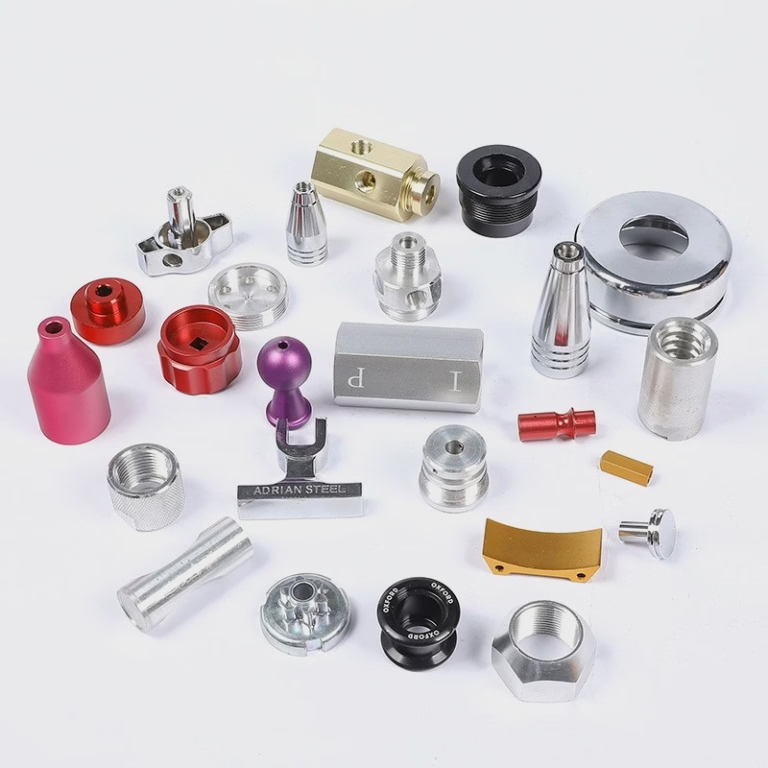
In the realm of modern manufacturing, where precision, efficiency, and repeatability are paramount, the CNC turning machine stands as a cornerstone technology. For clients seeking precision parts machining and customization, understanding this fundamental tool is crucial to making informed decisions about their projects. At its core, a CNC turning machine is a computer-controlled lathe that rotates a workpiece on a spindle while a stationary cutting tool removes material to create cylindrical, conical, or curved shapes with exceptional accuracy.
H2: Deconstructing the CNC Turning Machine: Core Components and Function
A CNC turning machine, often simply called a CNC lathe, automates the traditional turning process. The operator’s role shifts from manual control to programming and supervision. The machine’s architecture typically includes:
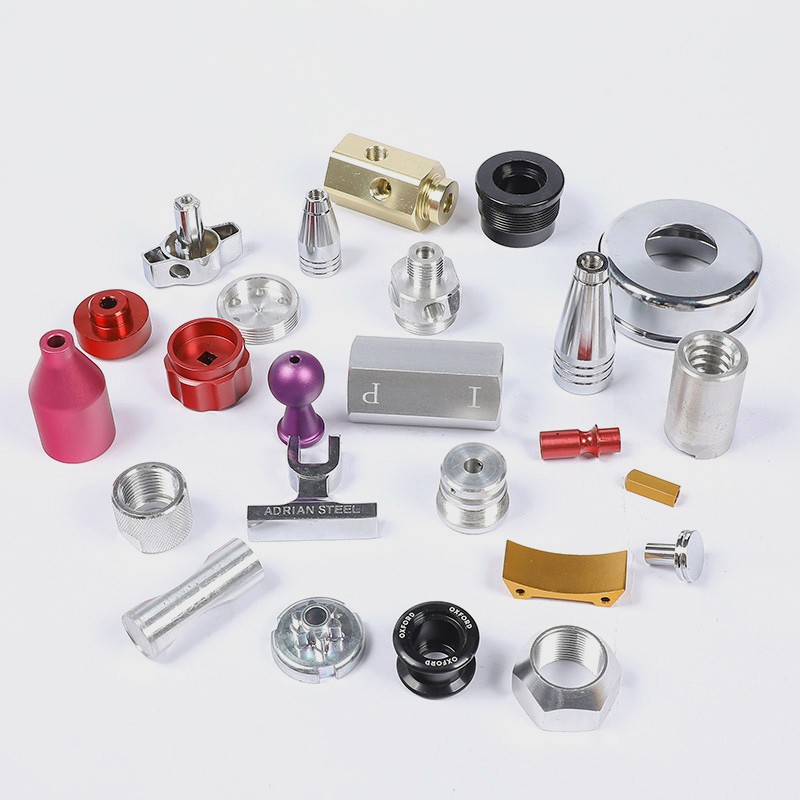
The Control Unit (CNC Controller): The “brain” of the operation. It interprets G-code and M-code programs, translating digital instructions into precise electrical signals that drive the machine’s motors.
The Main Spindle: This motor-driven component grips and rotates the workpiece (often held in a chuck or between centers) at precisely controlled speeds.
The Tool Turret: A multi-station indexable holder that carries various cutting tools (turning tools, boring bars, drills, taps). It automatically rotates to bring the required tool into the cutting position, enabling complex operations without manual changeovers.
The Tool Post or Slide: Holds the cutting tool and moves it along programmed paths (X and Z axes) to engage with the rotating workpiece.
The Bed: A heavy, rigid base that supports all other components, ensuring stability and damping vibrations during high-speed machining.
The Tailstock: Provides live or dead center support for the free end of longer workpieces, preventing deflection and ensuring concentricity.
H2: The CNC Turning Process: From Digital Blueprint to Physical Part
The workflow epitomizes the integration of digital design and physical manufacturing:
CAD Model Creation: The part is designed in 3D Computer-Aided Design (CAD) software.
CAM Programming: Using Computer-Aided Manufacturing (CAM) software, toolpaths are generated from the CAD model. This software calculates feed rates, spindle speeds, and depth of cuts, outputting the machine-readable G-code.
Machine Setup: The appropriate raw material (bar stock, forging, casting) is loaded into the chuck. Tools are installed in the turret and their positions are precisely measured and input into the machine’s control (tool offsetting).
Program Execution: The G-code program is loaded into the CNC controller. Upon initiation, the machine executes the sequence automatically: the spindle rotates, the turret indexes tools, and the slides move with micron-level precision to cut the part.
In-Process & Post-Process Inspection: Advanced machines may have probe systems for in-process measurement. Finished parts are then verified using coordinate measuring machines (CMMs) or other metrology tools to ensure they meet all dimensional and geometric tolerances.
H3: Key Advantages of CNC Turning for Precision Parts
Why has CNC turning become indispensable for customization and precision machining?
Extreme Precision and Repeatability: Capable of holding tolerances within ±0.001mm (0.00004 inches) or better, producing identical parts batch after batch.
Complex Geometry Capability: Beyond simple cylinders, it can machine intricate contours, tapers, threads (internal and external), and grooved features through sophisticated interpolated movements.
Superior Surface Finish: Optimal control of cutting parameters often yields excellent surface finishes directly from the machine, reducing or eliminating secondary finishing needs.
High Efficiency and Automation: Once programmed and set up, it can run unattended for hours, including automatic bar feeding for high-volume production of small parts.
Material Versatility: Effectively machines a vast range of materials, from plastics like PEEK and Delrin to metals including aluminum, stainless steel, titanium, and high-temperature alloys.
H3: CNC Turning vs. CNC Milling: Choosing the Right Process
While both are subtractive CNC processes, they are fundamentally different and often complementary.
| Feature | CNC Turning | CNC Milling |
|---|---|---|
| Workpiece Motion | Rotates | Stationary |
| Tool Motion | Linear (X, Z) along rotating workpiece | Multi-axis (X, Y, Z, A, B, C) moving around workpiece |
| Primary Geometry | Radially Symmetric parts (shafts, pins, bushings, fittings) | Prismatic or Complex 3D parts (housings, brackets, molds, prototypes) |
| Dominant Force | Constant cutting force direction | Intermittent cutting force direction |
A simple rule of thumb: If the part’s defining features are best described as “round” or “cylindrical,” turning is likely the primary process. For parts with complex cavities, flat features, or contours on multiple faces, milling is required. For the most complex parts, like impellers or turbine blades, a 5-axis CNC machining center that integrates turning and milling capabilities (mill-turn) is the ultimate solution.
H2: Applications Across Industries: Where CNC Turning Excels
CNC-turned components are the lifeblood of countless advanced industries:
Aerospace: Lightweight, high-strength hydraulic fittings, engine shafts, and landing gear components from titanium and Inconel.
Medical: Biocompatible bone screws, surgical instrument handles, and implantable device housings with flawless surface integrity.
Automotive & New Energy Vehicles: Precision transmission shafts, injector nozzles, battery connector pins, and sensor housings.
Industrial Automation: Robust drive shafts, linear motion guides, roller bearings, and pneumatic fittings.
Consumer Electronics: Sleek aluminum housings, connector pins, and heat sink bases for high-performance devices.
H2: Partnering with Expertise: The GreatLight CNC Machining Factory Advantage
Selecting a supplier with deep turning expertise is critical. A partner like GreatLight CNC Machining Factory brings more than just machines to the table. Established in 2011 in Dongguan’s precision manufacturing hub, GreatLight operates with a philosophy grounded in technical depth and systematic reliability.
Their approach to CNC turning services exemplifies modern best practices:
Advanced Equipment Portfolio: They employ a range of high-precision CNC lathes, including multi-axis mill-turn centers and Swiss-type lathes. This allows them to select the optimal machine for a given part’s complexity and volume, from simple prototypes to complex, one-setup production runs.
Integrated Quality Assurance: Their process is backed by an ISO 9001:2015 certified quality management system. In-house metrology labs with CMMs, surface testers, and optical comparators ensure every turned part is verified against the strictest specifications.
Full-Process Engineering Support: From design for manufacturability (DFM) feedback on draft angles and tolerance optimization to selecting the ideal material and post-processing (anodizing, plating, passivation), their engineers act as an extension of your team.
Material Mastery: They have proven experience machining not only common alloys but also challenging materials like stainless steels, titanium, and engineering plastics, understanding the specific cutting parameters and tooling required for each.
Conclusion
So, what is a CNC turning machine? It is far more than a simple automated lathe. It is a sophisticated, programmable manufacturing system that transforms raw material into precision cylindrical components with unmatched accuracy and efficiency. It is a fundamental pillar of the custom precision parts ecosystem. For any project requiring reliable, high-volume production of rotationally symmetric parts or the prototyping of complex turned geometries, partnering with a technically adept manufacturer is the key to success. By leveraging the capabilities of expert providers who combine advanced machinery with rigorous process control—such as the comprehensive solutions offered by GreatLight CNC Machining Factory—clients can ensure their most critical turned components meet the highest standards of quality and performance.
Frequently Asked Questions (FAQ)
Q1: What is the typical tolerance achievable on a CNC turning machine?
A: While capabilities vary, a standard CNC lathe can consistently hold tolerances of ±0.01mm (±0.0005 inches). High-precision machines, like those used by specialized shops such as GreatLight CNC Machining Factory, can achieve tolerances of ±0.001mm (±0.00004 inches) or better for critical dimensions, depending on material and part geometry.
Q2: Can a CNC turning machine produce parts that are not perfectly round?
A: Yes. While ideal for round parts, modern CNC lathes, especially those with live tooling (mill-turn centers), can perform milling, drilling, and slotting operations off-center. This allows for the creation of flats, keyways, cross-holes, and other non-cylindrical features in a single setup.
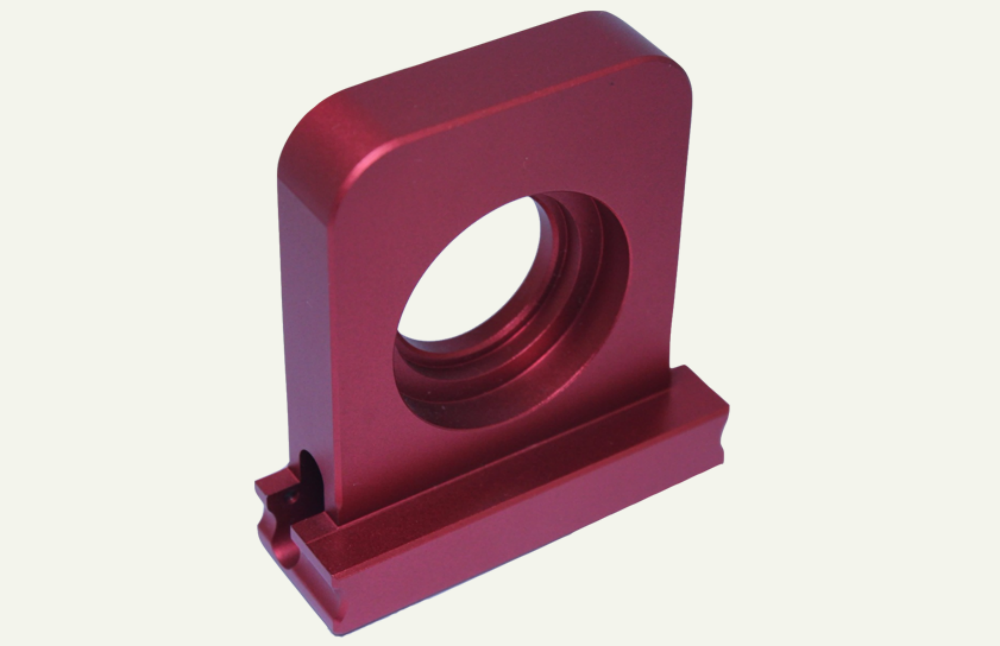
Q3: What is the difference between a CNC lathe and a Swiss-type lathe?
A: A conventional CNC lathe holds the workpiece at one or both ends. A Swiss-type lathe (or sliding headstock lathe) holds the material with a guide bushing very close to the cutting tools. The material slides and rotates through the bushing as tools cut. This provides exceptional support, making it ideal for machining long, slender, and complex small-diameter parts with extreme precision.
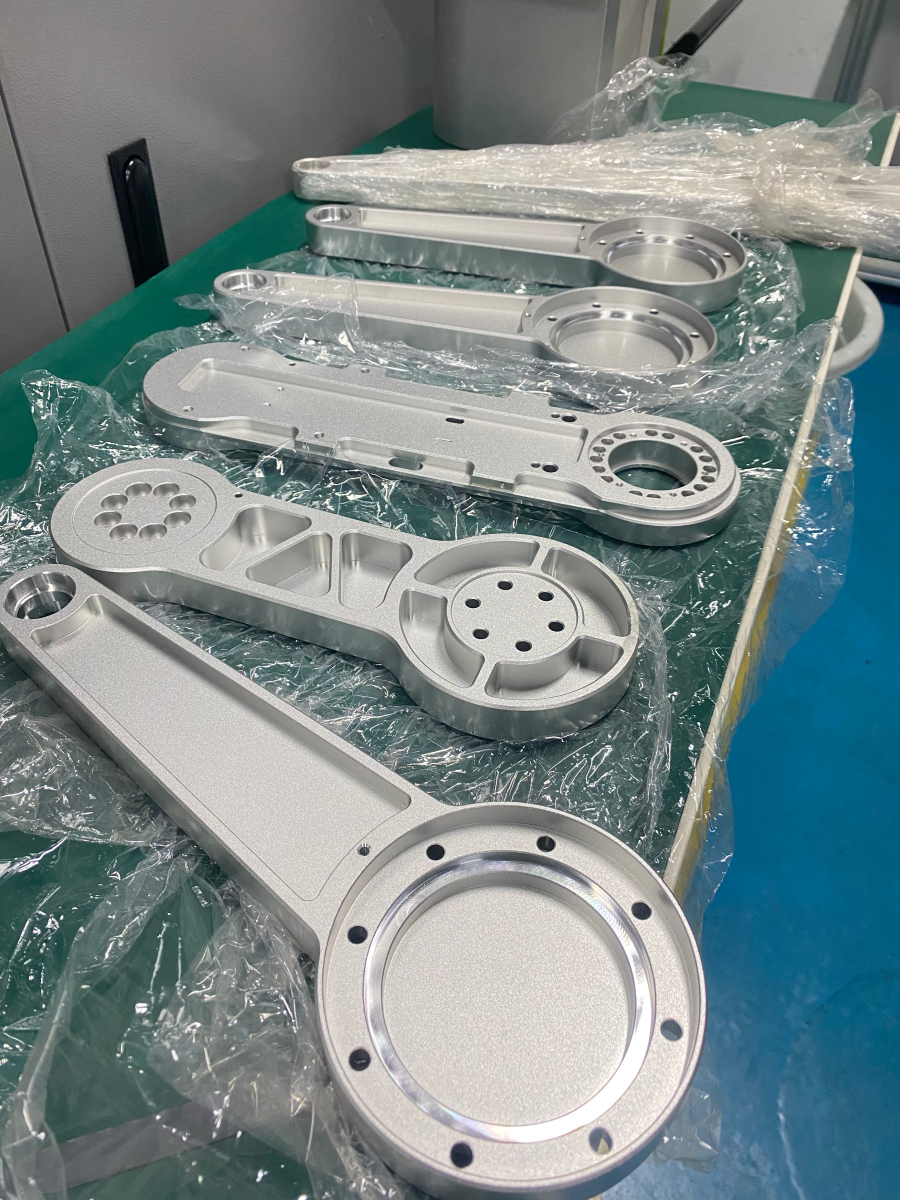
Q4: How do I choose between CNC turning and 3D printing for a metal prototype?
A: CNC turning is superior for parts that are primarily cylindrical, require high structural strength, excellent surface finish, and tight tolerances directly from the machine. Metal 3D printing (like SLM) is better for parts with internal lattices, extremely complex organic geometries impossible to machine, or for very low-volume, highly complex prototypes where tooling cost for machining would be prohibitive. For many functional prototypes, CNC turning is faster and more cost-effective.
Q5: What information should I provide to get an accurate quote for CNC turned parts?
A: To receive a precise and timely quote, provide:
Detailed 2D drawings (with GD&T) or 3D CAD models (STEP, IGES).
Material specification.
Required quantity (prototype, low-volume, high-volume).
Any specific surface finish or post-processing requirements (e.g., anodizing, plating).
Quality and certification needs (e.g., material certs, first article inspection reports).
For more insights into advanced manufacturing partnerships, follow industry leaders on professional networks like LinkedIn.


















