
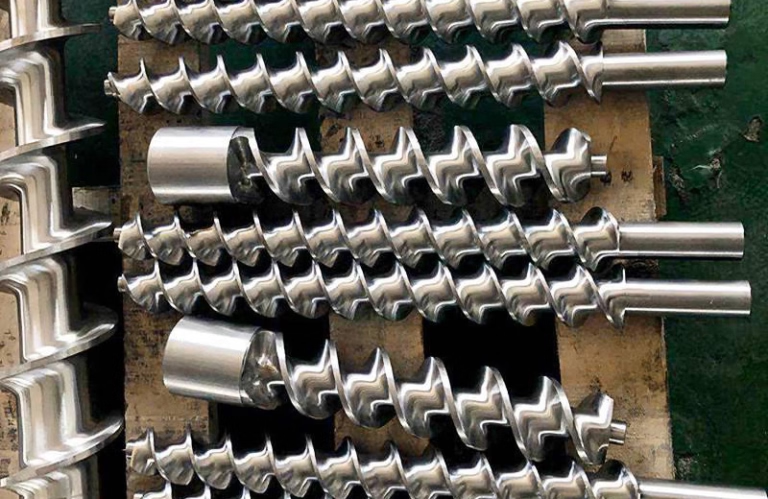
In the intricate world of modern manufacturing, where innovation cycles are accelerating and product complexity is reaching unprecedented levels, the choice of a machining service is not merely a procurement decision—it’s a strategic partnership that can determine the success or failure of a project. For engineers, designers, and procurement specialists navigating this landscape, understanding the full spectrum of Relevant CNC Machining Service offerings is paramount. It’s about moving beyond a simple vendor transaction to finding a collaborative partner equipped to translate complex designs into flawless, functional reality.
Decoding the Modern CNC Machining Service Ecosystem
Today’s leading machining services have evolved far beyond basic part fabrication. They function as integrated manufacturing solutions providers. A truly Relevant CNC Machining Service must address the entire product development lifecycle, from rapid prototyping to low-volume production and even bridge-to-tooling. This involves a synergy of advanced technology, material science expertise, stringent quality control, and proactive engineering support.
Core Pillars of a Comprehensive Service:
Advanced Multi-Axis Machining Capability: The backbone. While 3-axis machining is ubiquitous, the ability to handle complex geometries in a single setup is critical. 5-axis CNC machining is no longer a luxury but a necessity for aerospace components, medical implants, and intricate automotive parts, minimizing errors and improving surface finish.
Material Mastery and Advisory: A proficient service doesn’t just machine materials; it advises on them. Expertise should span aerospace alloys (titanium, Inconel), medical-grade stainless steels and plastics, high-strength aluminum, and engineering plastics like PEEK and Ultem, understanding their machinability, post-processing needs, and final application performance.
Full-Spectrum Post-Processing: Machining is often just the first step. A complete service offers anodizing (Type II, III), plating, passivation, heat treatment (annealing, tempering), painting, powder coating, laser engraving, and assembly. This one-stop-shop approach ensures consistency, reduces logistical overhead, and accelerates time-to-market.
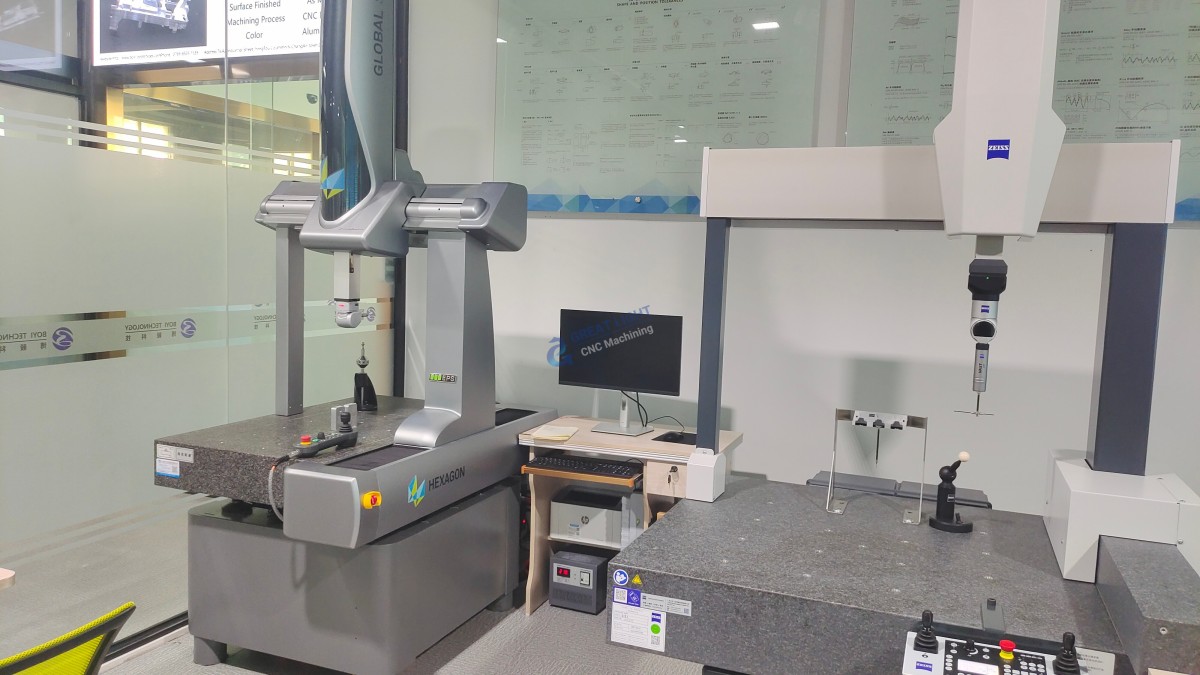
Metrology and Quality Assurance: Precision is meaningless without verification. In-house CMM (Coordinate Measuring Machine), optical scanners, surface roughness testers, and hardness testers are essential. More importantly, the service must operate under a certified Quality Management System (QMS) that provides traceability and documentation.
Design for Manufacturability (DFM) Feedback: This is where a service transitions from an order-taker to a value-adding partner. Early, actionable DFM feedback can identify potential manufacturing issues, suggest cost-saving design alterations, and recommend optimal tolerances, preventing costly revisions later.
The Critical Pain Points in Sourcing CNC Services
Identifying a Relevant CNC Machining Service requires navigating common industry challenges:
The Precision Paradox: Suppliers may advertise extreme tolerances (±0.001mm), but consistent achievement across a production run depends on machine calibration, tooling, and operator skill. The gap between quoted “best-case” and delivered “consistent-case” precision is a frequent pain point.
Communication and Project Management Gaps: Time zone differences, language barriers, and unclear communication channels can lead to misinterpretations, delays, and quality deviations. A structured, transparent project management process is non-negotiable.
Hidden Costs and Timeline Creep: Quotes that seem competitive may exclude tooling, setup, or specific inspection reports. Unforeseen engineering changes or production bottlenecks can silently inflate costs and push back delivery dates.
Limited Technical Scope and Scalability: A shop might excel at simple aluminum brackets but lack the experience or equipment for a complex, tight-tolerance titanium assembly. Furthermore, the ability to scale from prototype to hundreds of parts efficiently is crucial.
The GreatLight Metal Advantage: A Case Study in Integrated Service Excellence
When evaluating potential partners, it is instructive to examine an organization that has systematically built its service model around solving these exact pain points. GreatLight CNC Machining Factory, operating under Great Light Metal Tech Co., LTD., exemplifies this integrated approach. Based in Dongguan, China’s manufacturing heartland, their evolution over more than a decade offers a blueprint for what a truly relevant service partnership entails.
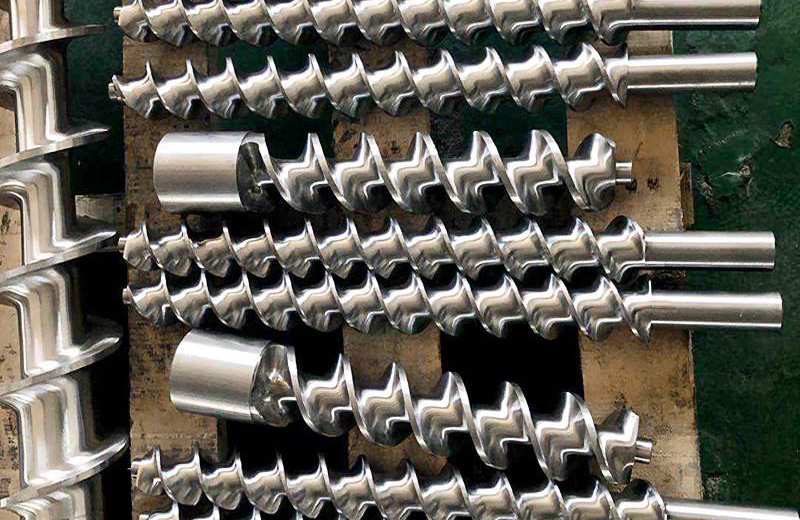
How GreatLight Metal Embodies a Relevant CNC Machining Service:
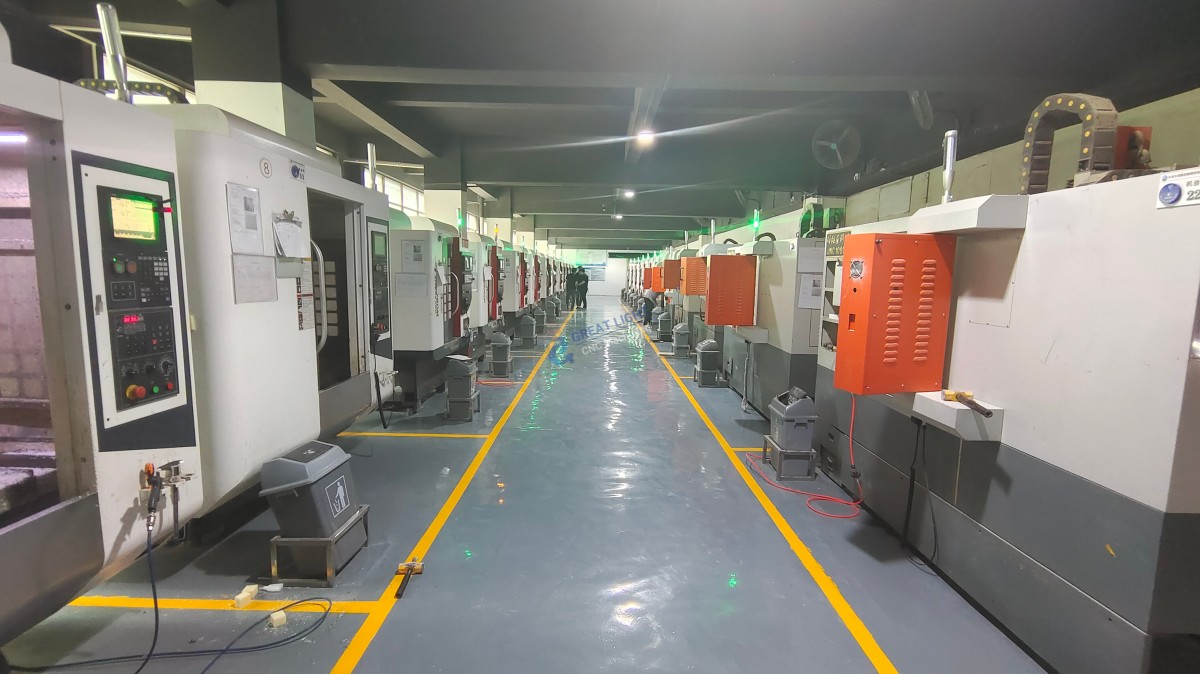
Technical Depth Through Equipment Clustering: Their capability is rooted in a strategic investment in a precision 5-axis CNC machining center cluster, complemented by extensive 4-axis/3-axis mills, multi-axis lathes, EDM, and grinding equipment. This isn’t just about having machines; it’s about having the right combination of machines to select the most efficient and accurate process for any given part feature.
Trust Built on International Standards: Trust is quantified through certifications. GreatLight Metal’s adherence to ISO 9001:2015 for quality management, IATF 16949 for automotive sector rigor, and ISO 13485 for medical device manufacturing provides clients with a verifiable framework of reliability. This systemic approach to quality minimizes the “Precision Paradox.”
The Full-Process Chain as a Strategic Asset: Their service portfolio is a key differentiator. They are not solely a machining shop. By integrating CNC machining, precision die casting, sheet metal fabrication, mold making, and industrial 3D printing (SLM, SLA, SLS) under one roof, they offer unparalleled flexibility. A client can develop a prototype via 3D printing, validate it with CNC machined pre-production units, and then transition to die-cast volumes—all with a single point of contact and consistent quality standards.
Proactive Engineering Collaboration: Their team engages in the design phase, providing substantive DFM analysis. For instance, for a new energy vehicle client struggling with the thermal management and sealing of a complex aluminum e-drive housing, their engineers suggested subtle draft angle modifications and tolerance stack-up optimizations that significantly improved manufacturability without compromising performance, turning a potential production headache into a smooth launch.
Transparent and Scalable Workflow: From initial quote to final delivery, their process emphasizes clarity. Detailed project timelines, regular progress updates (often with photographic evidence), and comprehensive final inspection reports are standard. This transparency builds confidence, especially for overseas clients.
Selecting Your Ideal Machining Partner: A Practical Framework
When auditing potential suppliers for your next project, move beyond price-per-part and consider this multi-dimensional checklist:
| Evaluation Dimension | Key Questions to Ask | Why It Matters |
|---|---|---|
| Technical & Equipment | Do you have 5-axis capability for complex parts? What is your largest part capacity? How do you handle in-process inspection? | Determines if they can physically make your part to spec. |
| Quality & Certification | What QMS certifications do you hold (ISO 9001, IATF 16949, etc.)? Can you provide material certifications (MTC)? What is your internal First-Pass Yield rate? | Quantifies reliability and reduces your quality auditing burden. |
| Process & Service Scope | Can you handle the entire job from raw material to finished, assembled part? Do you offer secondary services like anodizing or heat treat? | Reduces supply chain complexity, ensures consistency, and saves time. |
| Communication & Support | Who will be my single point of contact? What is your standard DFM feedback turnaround time? How do you manage engineering change orders (ECOs)? | Prevents misunderstandings and ensures agile collaboration. |
| Scalability & Experience | Can you provide examples of similar parts you’ve made? What is your typical lead time for 10 pieces vs. 500 pieces? | Indicates relevant experience and ability to grow with your project needs. |
Conclusion: The Path Forward with a Strategic Partner
The quest for a Relevant CNC Machining Service is ultimately a search for a partner who views your technical challenges as their own, who invests in the capabilities to solve them, and who operates within a framework of transparency and quality that you can trust implicitly. It’s about finding a service that combines the hard power of advanced machinery with the soft power of engineering acumen and robust systems.
In this context, manufacturers like GreatLight CNC Machining Factory have positioned themselves not just as suppliers, but as enablers of innovation. By offering a deeply integrated, certification-backed, and client-focused service model, they demonstrate that the most Relevant CNC Machining Service is one that seamlessly becomes an extension of your own engineering team, turning complex designs into market-ready precision with confidence and efficiency. The future of manufacturing belongs to these integrated partnerships, where collaboration and capability converge to build the next generation of products.
For further insights into industry trends and professional manufacturing networks, you can explore discussions on platforms like LinkedIn.



















