127 Sets Processing 4000mm 127 Sets High-Precision CNC Lathes
15 Years of Experience

CNC Knowledge: Why do materials need to be galvanized?

Any metal structure must be durable and retain this property for as long as possible. There is no doubt that steel has great strength, but many of its alloys are susceptible to damage under certain environmental conditions. Galvanizing seems to be the best option for protecting metals from corrosion. Let’s first look at some of […]

cnc knowledge: why do materials need to be galvanized?

Any metal structure must be durable and retain this property for as long as possible. There is no doubt that steel has great strength, but many of its alloys are susceptible to damage under certain environmental conditions. Galvanizing seems to be the best option for protecting metals from corrosion. Let’s first look at some of the benefits of galvanizing and why you should do it.

1. What is galvanized steel?

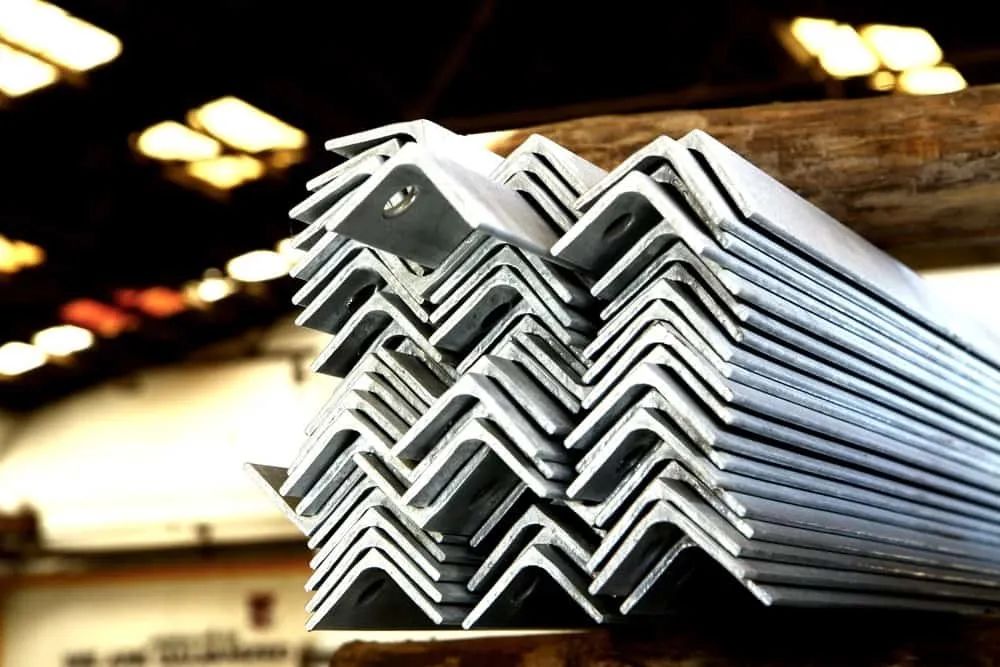
The galvanizing process involves applying a thin layer of another metal over the existing metal. In most cases, zinc is used as a coating material for metal structures. This protective layer of zinc protects the metal from the surrounding environment. Galvanized steel is able to withstand harsh environmental conditions, making it durable and ideal for outdoor use.

2. Advantages of galvanized steel

1. Reinforced protection

The main purpose of galvanizing is to prevent rust; this is why galvanized steel is coated with zinc oxide. The idea behind galvanizing is that the zinc layer must first be corroded so that the steel remains safe for longer. Without a zinc coating on the metal, the metal is more susceptible to corrosion and will corrode more quickly as the metal is exposed to the elements.

2. Longer lifespan

This is due to the protective properties of the coating. Research shows that under normal conditions, a piece of galvanized industrial steel can last up to 50 years. If located in a highly corrosive environment with frequent contact with water, the same metal part can last up to 20 years.

3. Better appearance

This benefit is somewhat subjective, but most people agree that galvanized steel looks better than most steel alloys. Generally, it is shinier and will shine even more with certain types of coatings.
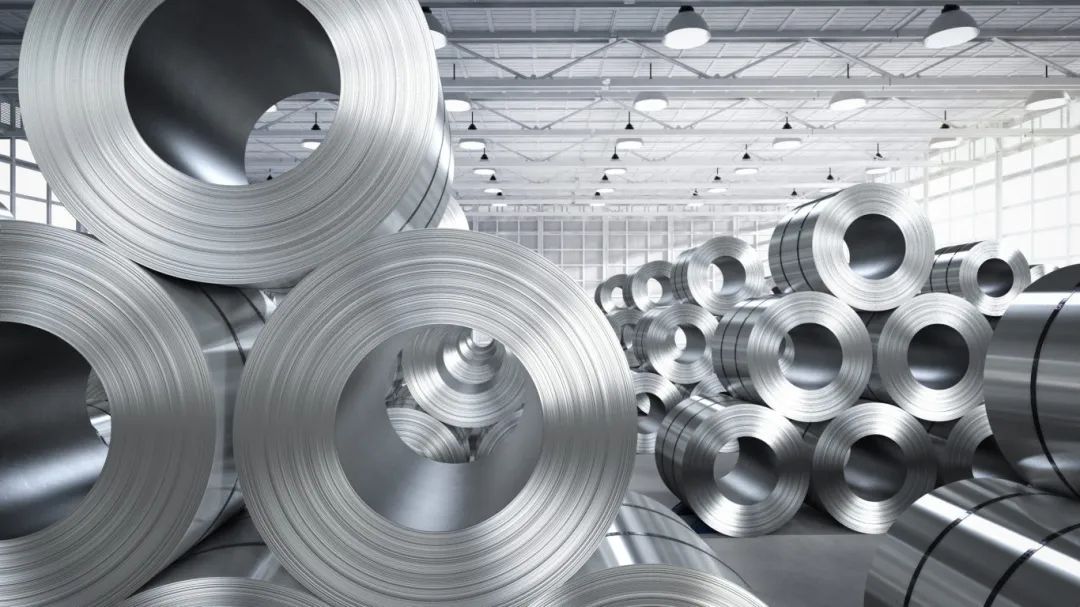
Photo WeChat_20240808104629.jpg

3. Application of galvanized steel

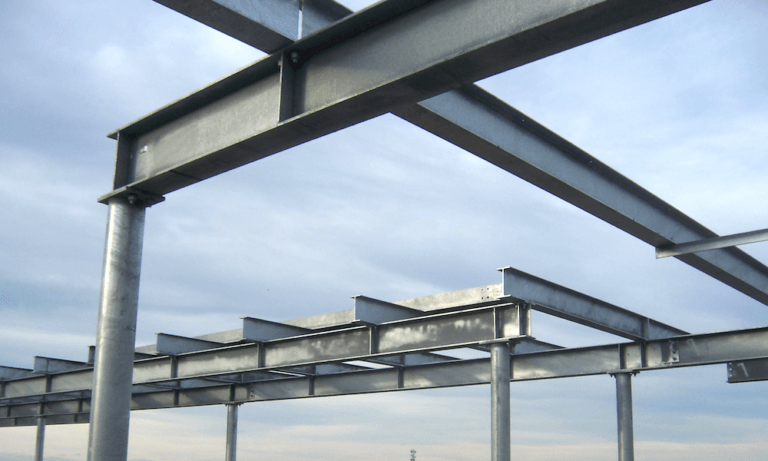
The uses of zinc steel are not limited. In fact, it is used in many industries such as construction, power plants, agriculture and the sports sector. Galvanized steel also plays a key role in the construction of roads, buildings, bridges, railways, doors, signal gantries, storage containers and sculptures. Therefore, galvanizing is necessary to fix the metal whenever corrosion needs to be avoided.

4. Method of galvanizing steel

Galvanizing can be carried out using different processes:

1. Hot-dip galvanizing

2. Electro-galvanizing

3. Zinc infiltration

4. Metal Spraying

1. Hot-dip galvanizing

During the steel galvanizing process, the steel is immersed in a bath of molten zinc. Hot-dip galvanizing (HDG) involves three basic steps: surface working, galvanizing and inspection.

surface foundation work

During surface foundation work, the prefabricated steel is sent for galvanizing and the steel goes through three stages of cleaning: degreasing, pickling and melting. Without this cleaning process, galvanizing cannot take place because the zinc will not react with the impure steel.

galvanized

Once surface preparation is complete, the steel is immersed in 98% molten zinc at 830°F. The steel is immersed in the pot at an angle that allows air to escape from the tubular shape or other pockets. This also allows the zinc to flow through and throughout the steel body. This way the zinc is in contact with all of the steel. The iron inside the steel begins to react with the zinc, forming a zinc-iron intermetallic coating. On the outside, a coating of pure zinc is deposited.

examine

The final step is to inspect the coating. Visually inspect the steel body for uncoated areas, as the coating will not remain on uncleaned steel. A magnetic thickness gauge can also be used to determine coating thickness.

2.Electro-galvanized

Electro-galvanized steel is manufactured using an electrochemical process. In this process, the steel is immersed in a bath of zinc and an electric current is allowed to pass through it. This process is also called electroplating.

Before proceeding with the electrogalvanizing process, the steel must be cleaned. Here, the zinc acts as an anode to protect the steel. To carry out electrolysis, zinc sulfate or zinc cyanide is used as the electrolyte, while the cathode protects the steel from corrosion. This electrolyte will leave the zinc as a coating on the surface of the steel. The longer you soak in the zinc bath, the thicker the coating will be.

To improve corrosion resistance, certain conversion coatings are useful. This process creates another layer of zinc chromium hydroxide, which gives the metal surface a bluish color.
Photo WeChat_20240808104631.jpg

3. Zinc infiltration

Galvanizing is the formation of an identical layer of zinc on the surface of iron or steel to prevent corrosion of the metal.

In this process, the steel is placed in a container containing zinc, which is then sealed and heated to a temperature below the melting point of zinc. The result of this reaction is that the two metals form an alloy of zinc and iron, with a strong outer layer of pure zinc adhering to the surface of the steel and providing considerable resistance to corrosion. This coating also facilitates better application of paint to the surface.

For small metal objects, zinc infiltration is the best method. This process is particularly suitable for metal parts formed from steel because the outer layer can easily follow the pattern of the base steel.

4. Metal Spraying

In the metal spray galvanizing process, charged or atomized molten zinc particles are sprayed onto the surface of the steel. The process is carried out with a spray gun or a special flame.

Before applying a zinc coating, all contaminants such as unwanted surface coating, oil and rust must be removed. Once the cleaning process is complete, atomized molten zinc particles are sprayed onto the rough surface where they solidify.

This method of metal spray coating is most suitable if peeling and peeling is to be avoided, but is less suitable for providing comparable corrosion resistance.
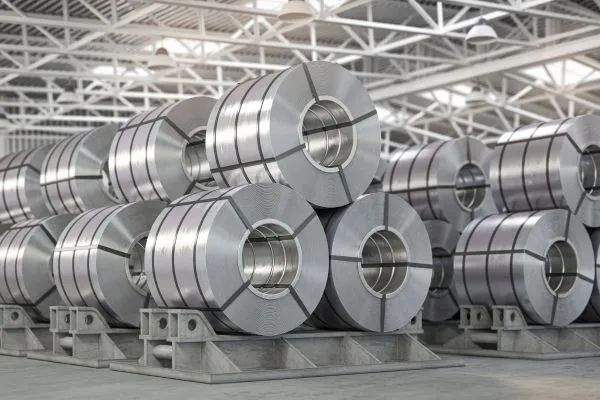
Photo WeChat_20240808104634.jpg

5. How long can zinc coating last?

Photo WeChat_20240808104637.jpg

As for durability, it usually depends on the thickness of the galvanizing or other factors such as the type of environment, the type of galvanizing used, and the quality of the paint or spray paint. The thicker the galvanized layer, the longer the service life.

In terms of durability, hot-dip galvanized coatings can last over 50 years regardless of environmental conditions. In contrast, the lifespan of cold galvanized coatings is several months or years, depending on the coating layer.

Additionally, in highly corrosive environments such as industrial environments, zinc coatings may not last as long. Choosing a quality zinc coating and protecting it over the long term is therefore essential to maximize protection against corrosion, wear and rust.


Daguang focuses on providing solutions such as precision CNC machining services (3-axis, 4-axis, 5-axis machining), CNC milling, 3D printing and rapid prototyping services.


CNC Experts

Picture of JinShui Chen

JinShui Chen

Rapid Prototyping & Rapid Manufacturing Expert

Specialize in CNC machining, 3D printing, urethane casting, rapid tooling, injection molding, metal casting, sheet metal and extrusion

CNC Recent Posts

CNC News

Welcome to GreatLight Metal,Maximum Processing Size 4,000 mm

Precision Machining CNC Quote Online

Loading file

Upload Click here to upload or drag and drop your model to the canvas.

The model is too large and has been resized to fit in the printer's build tray. [Hide]

The model is too large to fit in the printer's build tray. [Hide]

The model is too large, a fitting printer is selected. [Hide]

The model is too small and has been upscaled. [Hide]

Warning: The selected printer can not print in full color [Hide]

Warning: obj models with multiple meshes are not yet supported [Hide]

Warning: Unsupported DXF entity  [Hide]

Warning: could not arrange models [Hide]


File Unit:      
Scale:
%
L × W × H:
X: × Y: × Z:  cm 
Rotation:
X: ° Y: °  
⚡ Instant Quote for Precision Manufacturing

Submit your design files (STEP/IGES/DWG) and receive a competitive quote within 1 hour, backed by ISO 9001-certified quality assurance.

📋 How It Works

  1. Upload & SpecifyShare your 3D model and select materials (Aluminum/Stainless Steel/Titanium/PEEK), tolerances (±0.002mm), and surface treatments.

  2. AI-Powered AnalysisOur system calculates optimal machining strategy and cost based on 10+ years of automotive/aerospace data.

  3. Review & ConfirmGet a detailed breakdown including:
    - Volume pricing tiers (1-10,000+ units)
    - Lead time (3-7 days standard)
    - DFM feedback for cost optimization

Unit Price: 

Loading price
5 Axis CNC Machining Equipment
4 Axis CNC Machining Equipment
3 Axis CNC Machining Equipment
CNC Milling & Turning Equipment
Prototype and Short-Run Injection Moldings Exact plastic material as final design
Volume Metal Die Casting Services - Precision Cast Parts
Bridge the Gap From Prototype to Production – Global delivery in 10 days or less
Custom high-precision sheet metal prototypes and parts, as fast as 5 days.
Custom Online 3D Printing Services
Design Best Processing Method According To 3D Drawings
Alloys Aluminum 6061, 6061-T6 Aluminum 2024 Aluminum 5052 Aluminum 5083 Aluminum 6063 Aluminum 6082 Aluminum 7075, 7075-T6 Aluminum ADC12 (A380)
Alloys Brass C27400 Brass C28000 Brass C36000
Alloys Stainless Steel SUS201 Stainless Steel SUS303 Stainless Steel SUS 304 Stainless Steel SUS316 Stainless Steel SUS316L Stainless Steel SUS420 Stainless Steel SUS430 Stainless Steel SUS431 Stainless Steel SUS440C Stainless Steel SUS630/17-4PH Stainless Steel AISI 304
Inconel718
Carbon Fiber
Tool Steel
Mold Steel
Alloys Titanium Alloy TA1 Titanium Alloy TA2 Titanium Alloy TC4/Ti-6Al 4V
Alloys Steel 1018, 1020, 1025, 1045, 1215, 4130, 4140, 4340, 5140, A36 Die steel Alloy steel Chisel tool steel Spring steel High speed steel Cold rolled steel Bearing steel SPCC
Alloys Copper C101(T2) Copper C103(T1) Copper C103(TU2) Copper C110(TU0) Beryllium Copper
Alloys Magnesium Alloy AZ31B Magnesium Alloy AZ91D
Low Carbon Steel
Alloys Magnesium Alloy AZ31B Magnesium Alloy AZ91D
ABS Beige(Natural) ABS Black ABS Black Antistatic ABS Milky White ABS+PC Black ABS+PC White
PC Black PC Transparent PC White PC Yellowish White PC+GF30 Black
PMMA Black PMMA Transparent PMMA White
PA(Nylon) Blue PA6 (Nylon)+GF15 Black PA6 (Nylon)+GF30 Black PA66 (Nylon) Beige(Natural) PA66 (Nylon) Black
PE Black PE White
PEEK Beige(Natural) PEEK Black
PP Black PP White PP+GF30 Black
HDPE Black HDPE White
HIPS Board White
LDPE White
This is a finish of applying powdered paint to the components and then baking it in an oven, which results in a stronger, more wear- and corrosion-resistant layer that is more durable than traditional painting methods.
No coating required, product’s natural color!
This is a finish of applying powdered paint to the components and then baking it in an oven, which results in a stronger, more wear- and corrosion-resistant layer that is more durable than traditional painting methods.
This finishing option with the shortest turnaround time. Parts have visible tool marks and potentially sharp edges and burrs, which can be removed upon request.
Sand blasting uses pressurized sand or other media to clean and texture the surface, creating a uniform, matte finish.
Polishing is the process of creating a smooth and shiny surface by rubbing it or by applying a chemical treatmen
A brushed finish creates a unidirectional satin texture, reducing the visibility of marks and scratches on the surface.
Anodizing increases corrosion resistance and wear properties, while allowing for color dyeing, ideal for aluminum parts.
Black oxide is a conversion coating that is used on steels to improve corrosion resistance and minimize light reflection.
Electroplating bonds a thin metal layer onto parts, improving wear resistance, corrosion resistance, and surface conductivity.
This is a finish of applying powdered paint to the components and then baking it in an oven, which results in a stronger, more wear- and corrosion-resistant layer that is more durable than traditional painting methods.
Please provide additional text description for other surface treatment requirements!
Material
Material
  • CNC Metals
    • Aluminum
    • Brass
    • Stainless steel
    • Inconel718
    • Carbon Fiber
    • Tool Steel
    • Mold Steel
    • Titanium
    • Alloy Steel
    • Copper
    • Bronze
    • Low Carbon Steel
    • Magnesium
  • CNC Plastics
    • ABS
    • PC
    • PMMA (Acrylic)
    • PA (Nylon)
    • PE
    • PEEK
    • PP
    • HDPE
    • HIPS
    • LDPE
Printer
Printer
  • CNC Metals
    • 5 Axis CNC Machining
    • 4 Axis CNC Machining
    • 3 Axis CNC Machining
    • CNC Milling & Turning
    • Rapid Tooling
    • Metal Die Casting
    • Vacuum Casting
    • Sheet Metal Fabrication
    • SLA 3D Printing
    • SLS 3D Printing
    • SLM 3D Printing
  • Rapid Prototyping
    • Design Best Processing Method According To 3D Drawings
Post-processing
Post-processing
  • As Machined(Product’s natural color)
  • Sand Blasting
  • Polishing
  • Brushed Finish
  • Anodizing
  • Black Oxide
  • Electroplating
  • Paint Coating
  • Powder Coating
  • Other surface treatment requirements
Finalize
The world's first CNC machining center that dares to provide free samples!

Free for first product valued at less than $200. (Background check required)

precision machining cnc quote online

15 Years CNC Machining Services

When you’re ready to start your next project, simply upload your 3D CAD design files, and our engineers will get back to you with a quote as soon as possible.
Scroll to Top

ISO 9001 Certificate

ISO 9001 is defined as the internationally recognized standard for Quality Management Systems (QMS). It is by far the most mature quality framework in the world. More than 1 million certificates were issued to organizations in 178 countries. ISO 9001 sets standards not only for the quality management system, but also for the overall management system. It helps organizations achieve success by improving customer satisfaction, employee motivation, and continuous improvement. * The ISO certificate is issued in the name of FS.com LIMITED and applied to all the products sold on FS website.

greatlight metal iso 9001 certification successfully renewed
GB T 19001-2016 IS09001-2015
✅ iso 9001:2015
greatlight metal iso 9001 certification successfully renewed zh

IATF 16949 certificate

IATF 16949 is an internationally recognized Quality Management System (QMS) standard specifically for the automotive industry and engine hardware parts production quality management system certification. It is based on ISO 9001 and adds specific requirements related to the production and service of automotive and engine hardware parts. Its goal is to improve quality, streamline processes, and reduce variation and waste in the automotive and engine hardware parts supply chain.

automotive industry quality management system certification 01
Certification of Production Quality Management System for Engine Hardware Parts Engine Hardware Associated Parts
automotive industry quality management system certification 00
发动机五金零配件的生产质量管理体系认证

ISO 27001 certificate

ISO/IEC 27001 is an international standard for managing and processing information security. This standard is jointly developed by the International Organization for Standardization (ISO) and the International Electrotechnical Commission (IEC). It sets out requirements for establishing, implementing, maintaining, and continually improving an information security management system (ISMS). Ensuring the confidentiality, integrity, and availability of organizational information assets, obtaining an ISO 27001 certificate means that the enterprise has passed the audit conducted by a certification body, proving that its information security management system has met the requirements of the international standard.

greatlight metal technology co., ltd has obtained multiple certifications (1)
greatlight metal technology co., ltd has obtained multiple certifications (2)

ISO 13485 certificate

ISO 13485 is an internationally recognized standard for Quality Management Systems (QMS) specifically tailored for the medical device industry. It outlines the requirements for organizations involved in the design, development, production, installation, and servicing of medical devices, ensuring they consistently meet regulatory requirements and customer needs. Essentially, it's a framework for medical device companies to build and maintain robust QMS processes, ultimately enhancing patient safety and device quality.

greatlight metal technology co., ltd has obtained multiple certifications (3)
greatlight metal technology co., ltd has obtained multiple certifications (4)

Get The Best Price

Send drawings and detailed requirements via Email:[email protected]
Or Fill Out The Contact Form Below:

All uploads are secure and confidential.