
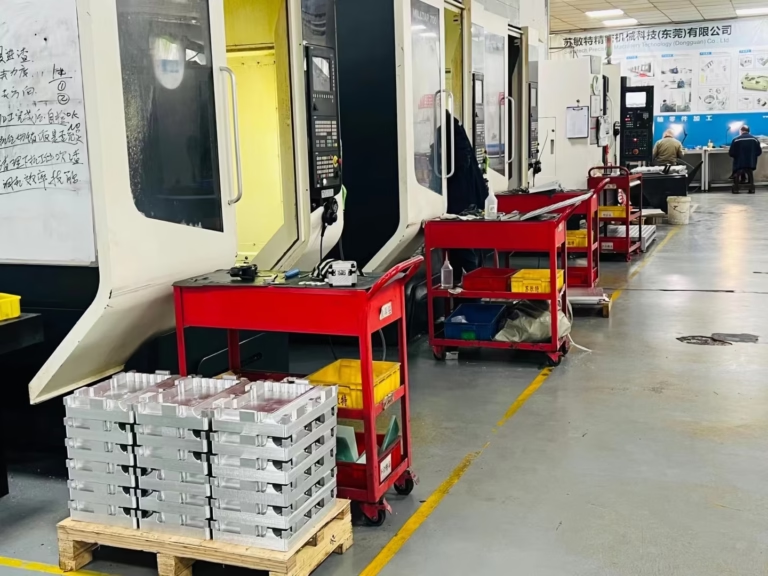
In the world of modern manufacturing, where GreatLight CNC Machining Factory deploys state-of-the-art five-axis systems with advanced digital interfaces, it might seem anachronistic to discuss parallel ports. However, a significant number of CNC machines, especially those manufactured in the late 1990s and early 2000s, still rely on this seemingly archaic technology. Understanding why requires a dive into history, technical reliability, and the pragmatic realities of industrial environments.
H2: The Historical Backbone of Machine Communication
The parallel port, specifically the Centronics standard (IEEE 1284), was the dominant high-speed data transfer interface for PCs before the widespread adoption of USB and Ethernet. During the proliferation of PC-based CNC controllers, the parallel port offered a direct, simple, and fast way to send machine code (G-code) from a computer to the CNC controller.
Simplicity and Direct Control: Unlike serial communication, a parallel port sends 8 bits (one byte) of data simultaneously over eight physical wires. This made it exceptionally fast for its time and allowed for near-direct control of the machine’s stepping motors or servo drives through the controller. The communication protocol was straightforward, making it easier for machine tool builders to implement.
Widespread Availability: Every PC had one. This universal compatibility made it the default choice for connecting peripheral devices, including early CNC kits and industrial equipment.
H2: Technical Advantages in an Industrial Context
Beyond mere historical accident, parallel ports offered specific advantages that cemented their place in workshops:
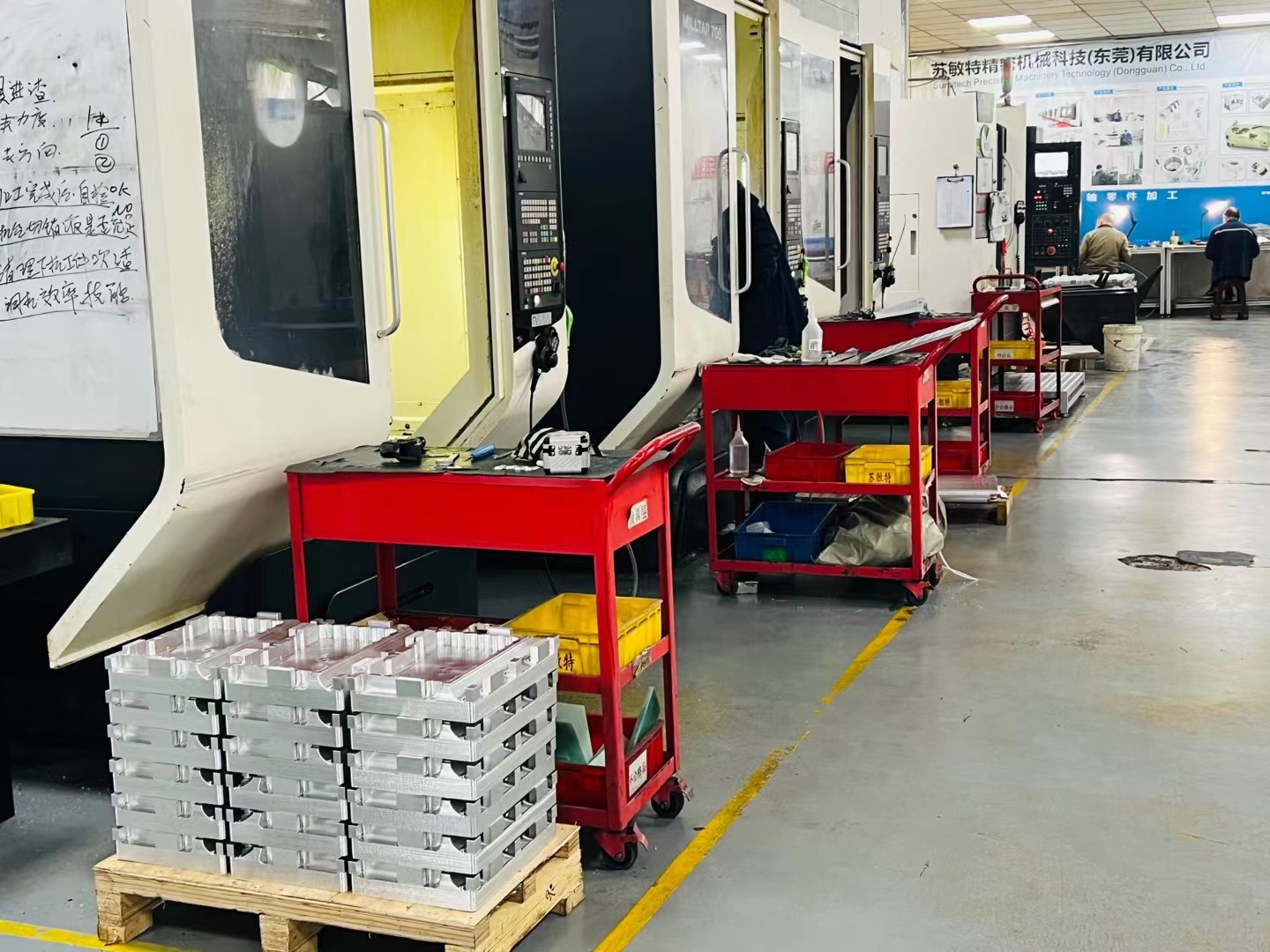
Deterministic Timing: This is arguably the most critical factor. The parallel port allows for very low-latency, predictable communication. The controller can read the state of the pins (signaling moves, spins, stops) with extremely consistent timing, which is crucial for precise motion control. Early USB, in contrast, is a polled bus with variable latency, which could introduce jitter and unstable movement.
Real-Time Performance: Coupled with specialized software (like DOS-based or early Windows CNC control programs), the parallel port provided a “good enough” real-time control loop without requiring expensive dedicated motion control cards.
Robustness and Simplicity: The connection uses a large, screw-locked D-sub connector (typically DB-25). It’s physically robust and less prone to accidental disconnection than a USB plug. The signal is also relatively noise-resistant over short distances.
H3: The Persistence of Legacy Systems
At GreatLight CNC Machining Factory, while our primary production lines utilize modern CNC systems with integrated network interfaces and high-speed data buses, we deeply understand the ecosystem of manufacturing. Many job shops and factories have machines that are mechanically sound but equipped with older controls. The cost of a full control retrofit can be significant. Therefore, maintaining compatibility with these workhorses is a practical necessity.
Sunk Cost & Reliability: A CNC machine is a major capital investment. A machine from 2005 with a perfectly maintained parallel port interface can still produce precision parts to micron-level tolerances. Replacing a fully functional system purely for a newer data port is often not economically justifiable.
Stability: Many machinists and manufacturers trust systems that have run flawlessly for decades. “If it ain’t broke, don’t fix it” is a powerful adage on the shop floor, where unscheduled downtime is the enemy.
H2: The Modern Shift and Solutions
The landscape is undoubtedly changing. Modern precision CNC machining services demand faster data transfer for complex 3D toolpaths, seamless integration with CAD/CAM software, and networked machine monitoring (Industry 4.0).
Limitations of Parallel Ports: They are limited in cable length (typically < 10 meters), have been removed from modern PCs, and cannot match the data throughput of modern standards.
Modern Interfaces: Newer CNC machines use Ethernet (often with proprietary real-time protocols like EtherCAT), high-speed serial buses, or dedicated network cards. These support remote upload/download, machine diagnostics, and DNC (Direct Numerical Control) for running very large programs seamlessly.
Bridging the Gap: For shops using older machines, solutions exist:
PCI/PCIe Parallel Port Cards: Adding a dedicated parallel port card to a modern industrial PC.
USB to Parallel Adapters: While common, their quality varies greatly, and timing issues can make them unsuitable for reliable machine control. Specialized, deterministic adapters are available but at a higher cost.
Dedicated Industrial PCs: Many CNC control software providers sell bundled systems with a compatible, high-quality parallel port.
Conclusion
CNC machines use parallel ports primarily as a legacy of a technological era where they represented the optimal blend of speed, simplicity, and deterministic control for PC-based machining. Their continued use is a testament to the longevity and reliability of industrial machinery. For forward-looking manufacturers, the choice isn’t necessarily about the port itself, but about the overall capability and reliability of the machining partner.
This is where a partner like GreatLight CNC Machining Factory provides distinct value. We combine the practical experience to support and integrate legacy systems when necessary, with the advanced infrastructure of modern five-axis CNC machining centers equipped with the latest digital interfaces. This ensures that whether your project relies on proven technology or demands the cutting edge of networked manufacturing, we have the expertise and equipment to deliver flawless precision CNC machining results.
FAQ
H3: Q1: Can I run a modern CAD/CAM system with a machine that uses a parallel port?
A: Absolutely. The workflow is separate. You design and generate G-code using your modern CAD/CAM software on a contemporary computer. The G-code file is then transferred to a computer (often a dedicated industrial PC) that is connected to the CNC machine via the parallel port. The age of the machine’s interface does not limit your design capabilities.
H3: Q2: Is a machine with a parallel port less accurate than a new one?
A: Not inherently. The precision of a CNC machine is determined by its mechanical components (ball screws, guideways), servo/stepper system, and control algorithms, not solely by the data port. A well-maintained older machine with a parallel port can achieve exceptional accuracy. However, modern machines with new controls may offer advanced error compensation and smoother motion control that can enhance effective precision.
H3: Q3: We have a machine with a parallel port, but our new PCs don’t have one. What are our best options?
A: The most reliable option is to install a high-quality, dedicated PCIe parallel port card from an industrial automation supplier (e.g., Advantech, Moxa) into a desktop PC dedicated to machine control. Avoid cheap USB adapters for critical machine control, as they can cause communication glitches and machine faults.
H3: Q4: Does GreatLight CNC Machining Factory still use machines with parallel ports?
A: Our primary production and prototyping lines utilize advanced multi-axis CNC machining centers with modern digital control systems for maximum speed, complexity, and integration. However, within our comprehensive equipment fleet, we maintain deep expertise across various control generations. This allows us to intelligently select the perfect machine and process for any given part, whether it requires the latest technology or the proven stability of a legacy system, ensuring optimal outcomes for every client project. For a deeper look at our technical capabilities and community, connect with us on LinkedIn{:target=”_blank”}.



















