
What The Difference Between Metal Mill And CNC Machine?
In the realm of precision parts machining and customization, two crucial tools often come into play: the metal mill and the CNC machine. Understanding the difference between them is essential for clients looking to make the most suitable choice for their manufacturing needs. GreatLight CNC Machining Factory, a professional five – axis CNC machining manufacturer, is well – versed in both aspects and can offer valuable insights. Let’s explore what sets these two apart.
1. Working Principle
A metal mill is a machine tool that uses rotating cutters to remove material from a workpiece. It primarily operates through manual or semi – automatic means. An operator manually controls the movement of the cutting tool and the workpiece in this process. They adjust the position, depth, and direction of the cut, relying on their skills and experience to achieve the desired shape and dimensions.
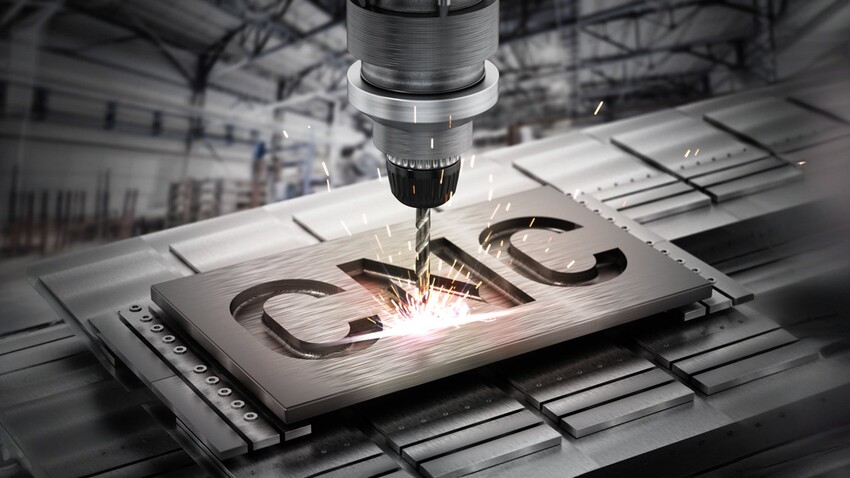
On the other hand, a CNC (Computer Numerical Control) machine operates under the control of a computer program. The design specifications are first created in a computer – aided design (CAD) software and then translated into a numerical code (G – code). The CNC machine reads this code and precisely controls the movement of the cutting tool and the workpiece. This allows for highly accurate and repeatable operations, as the machine follows the programmed instructions exactly.
2. Precision and Accuracy
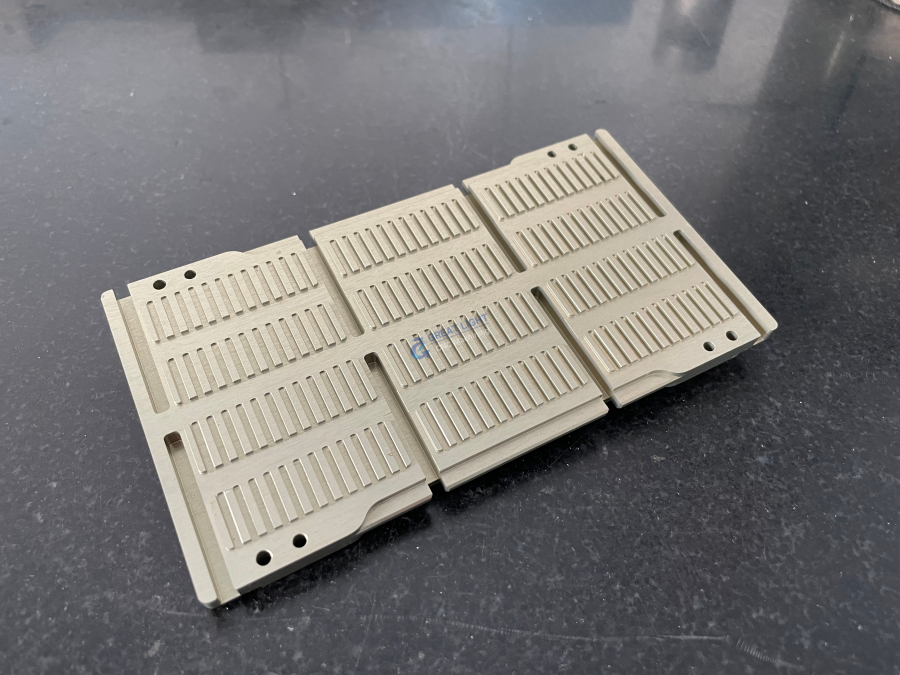
When it comes to precision, CNC machines have a clear advantage. With the ability to follow the programmed path precisely, they can achieve extremely high levels of accuracy, often up to ±0.001mm or even finer in some cases. GreatLight CNC Machining Factory, thanks to its advanced five – axis CNC machining technology, can process parts with such high precision consistently.
In contrast, a metal mill’s accuracy depends largely on the operator’s skills. Even an experienced operator may have some limitations in achieving the same level of precision as a CNC machine, especially when dealing with complex shapes and tight tolerances. Small errors in manual operation can accumulate and lead to deviations from the desired specifications.
3. Complexity of Workpieces
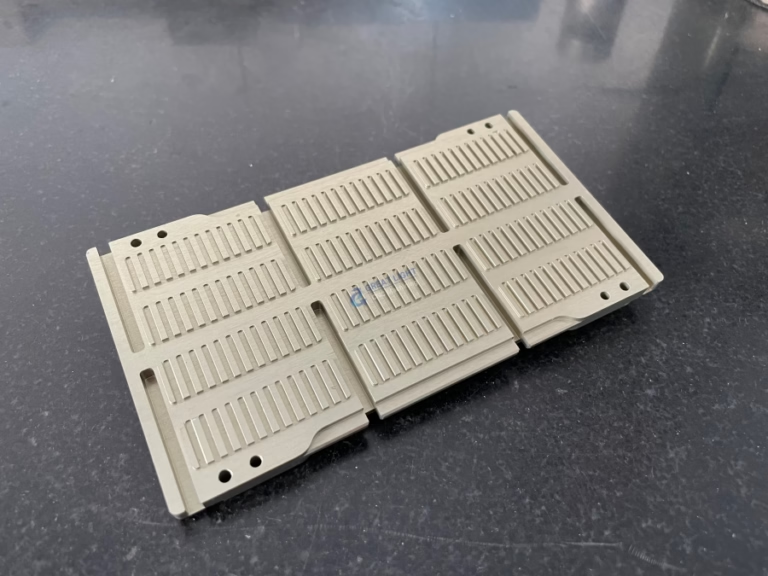
CNC machines are ideal for machining complex workpieces. Their ability to control multiple axes simultaneously allows them to create intricate shapes, contours, and features that would be extremely difficult or impossible to achieve with a metal mill. For example, in the production of parts for humanoid robots or aerospace applications, where complex geometries are common, CNC machining is the preferred choice.
A metal mill is better suited for simpler workpieces with relatively straightforward shapes. It can handle basic milling operations such as flat surfaces, slots, and holes. However, as the complexity of the workpiece increases, the time, skill, and effort required on a metal mill also increase significantly.
4. Production Volume
For low – volume production or prototypes, a metal mill can be a cost – effective option. It has a relatively low setup cost, and the operator can quickly make adjustments during the machining process. This flexibility makes it suitable for small – scale projects where changes may be needed frequently.
CNC machines, on the other hand, are more suitable for high – volume production. Once the program is set up and optimized, the machine can produce identical parts with high efficiency and consistency. The initial setup cost of a CNC machine is higher, but the cost per part decreases significantly as the production volume increases. GreatLight CNC Machining Factory can handle both small – batch prototypes and large – scale production, leveraging its advanced CNC machining capabilities.
5. Operator Skills and Training
Using a metal mill requires a high level of manual skills and experience. Operators need to be proficient in operating the machine controls, measuring tools, and understanding machining processes. Training to become a skilled metal mill operator can take years of on – the – job experience.
Operating a CNC machine requires a different set of skills. Operators need to have knowledge of CAD/CAM software, programming languages (such as G – code), and basic machine maintenance. Although the skill set is different, with proper training, new operators can learn to operate CNC machines more quickly compared to mastering the skills for a metal mill.
Conclusion
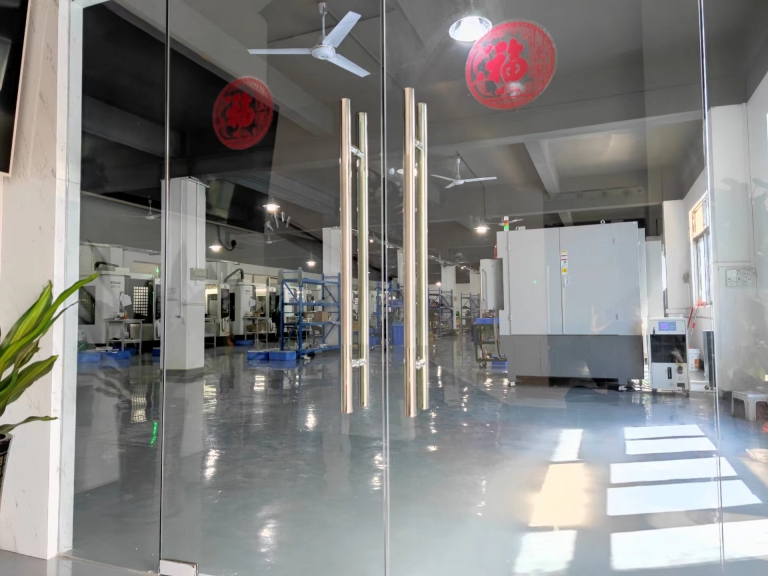
In conclusion, the choice between a metal mill and a CNC machine depends on various factors such as the complexity of the workpiece, required precision, production volume, and available operator skills. GreatLight CNC Machining Factory, with its advanced five – axis CNC machining equipment and experienced team, can provide clients in the precision parts machining and customization field with the most suitable manufacturing solutions. Whether you need a simple part machined on a metal mill or a complex, high – precision component produced by a CNC machine, GreatLight has the capabilities to meet your needs. For more information on their services, you can visit Precision 5 – Axis CNC Machining Services.
Frequently Asked Questions (FAQ)
Q1: Can a metal mill be used to produce parts as accurate as a CNC machine?
A: In general, it is difficult for a metal mill to achieve the same level of accuracy as a CNC machine, especially for complex shapes and tight tolerances. While an experienced operator can produce highly accurate parts on a metal mill, the precision and repeatability are often limited compared to a CNC machine.
Q2: Is CNC machining more expensive than using a metal mill?
A: It depends on the production volume. For low – volume production or prototypes, a metal mill may have a lower overall cost due to its lower setup cost. However, for high – volume production, the cost per part is usually lower with CNC machining because of its high efficiency and consistency.
Q3: Do I need special training to operate a CNC machine?
A: Yes, operating a CNC machine requires training in CAD/CAM software, programming languages, and basic machine maintenance. There are many training programs available, and with proper training, new operators can learn to operate CNC machines effectively.
Q4: Can GreatLight CNC Machining Factory handle both metal mill and CNC machining jobs?
A: Absolutely. GreatLight CNC Machining Factory is a comprehensive manufacturer with the capabilities to handle a wide range of machining jobs, including those that can be done on a metal mill as well as complex CNC machining tasks. They have the equipment, expertise, and experience to provide customized solutions for different client needs.
You can learn more about GreatLight’s capabilities on LinkedIn.


















