
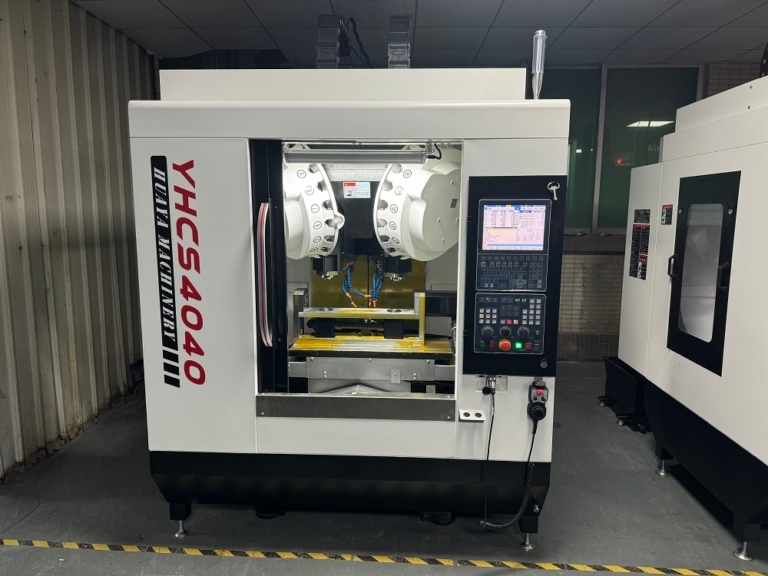
The Ultimate Guide to Buying a Double-Head Machining Center: 6 Key Factors to Consider
When it comes to choosing the right double-head machining center for your manufacturing needs, there are numerous factors to consider. With so many options on the market, it can be overwhelming to make an informed decision. In this comprehensive guide, we’ll break down the key considerations to help you find the perfect solution for your business.
Factor #1: Processing Requirements
Before selecting a double-head machining center, it’s crucial to determine the type of parts you’ll be processing. Are you dealing with small, precise parts or larger, complex components? This will help you narrow down your options and ensure you choose a machine that can handle your specific needs.
Material Considerations
Next, think about the material properties you’ll be working with. Will you be processing soft materials, hard materials, or a mix of both? This will impact your choice of cutting parameters and tools, as well as the machining center’s capabilities.
Dimensional Considerations
Finally, consider the size and running dimensions of the machining center. Make sure to select a machine that can accommodate your largest parts and provide ample working space to accommodate your production needs.
Factor #2: Machine-Tool Performance
Power and Speed
When it comes to processing power and speed, look for a machine with a high-powered spindle that can handle even the most demanding tasks. A faster spindle speed can significantly impact the efficiency and quality of your production process.
Cutting Force and Precision
Don’t underestimate the importance of cutting force and precision. These factors can greatly impact the accuracy of your machining process and the quality of the finished product. Look for a machine with precision engineering and adjustable cutting forces to ensure optimal results.
Factor #3: Operation Ease and Convenience
User-Friendly Interface
When it comes to operating the machine, a user-friendly interface can make all the difference. Look for a machine with an intuitive control panel and clear instructions to simplify the programming process.
Programming Method
Choose a machine with a user-friendly programming method that allows for easy creation and editing of programs. This will save you time and increase productivity.
Tool Library and Flexibility
A comprehensive tool library can significantly enhance the efficiency and flexibility of your machining process. Look for a machine with a vast selection of tools and the ability to customize your own.
Factor #4: Maintenance and Support
Maintenance Difficulty
When it comes to maintenance, it’s essential to consider the effort required to keep your machine running smoothly. Look for a machine with minimal maintenance requirements and easy access to replacement parts.
Manufacturer Support
Choose a reputable manufacturer that offers comprehensive after-sales support, including maintenance solutions and spare parts. This will help you minimize downtime and ensure optimal performance.
Factor #5: Budget and ROI
purchase Price
Don’t forget to factor in the upfront cost of the machine, as well as ongoing maintenance and upkeep expenses. Make sure to choose a machine that aligns with your budget and provides a positive return on investment (ROI).
Return on Investment (ROI)
Finally, consider the ROI on your machining center. Will it increase productivity, reduce costs, or improve product quality? Choose a machine that can demonstrate a tangible impact on your bottom line.
Factor #6: Additional Considerations
Stability and Reliability
When selecting a double-head machining center, stability and reliability are critical factors. Choose a machine with a reputation for reliability and minimal downtime.
Safety Considerations
Lastly, safety should be a top priority. Look for a machine with comprehensive safety features, such as interlocks, guarding, and emergency stops, to ensure a safe working environment.
Conclusion:
In conclusion, choosing the right double-head machining center requires careful consideration of these six key factors. By evaluating your processing requirements, machine tool performance, operation ease, maintenance needs, budget, and additional considerations, you can find the perfect solution for your business. Don’t compromise on quality, and remember to prioritize your specific needs to ensure optimal results.



















