
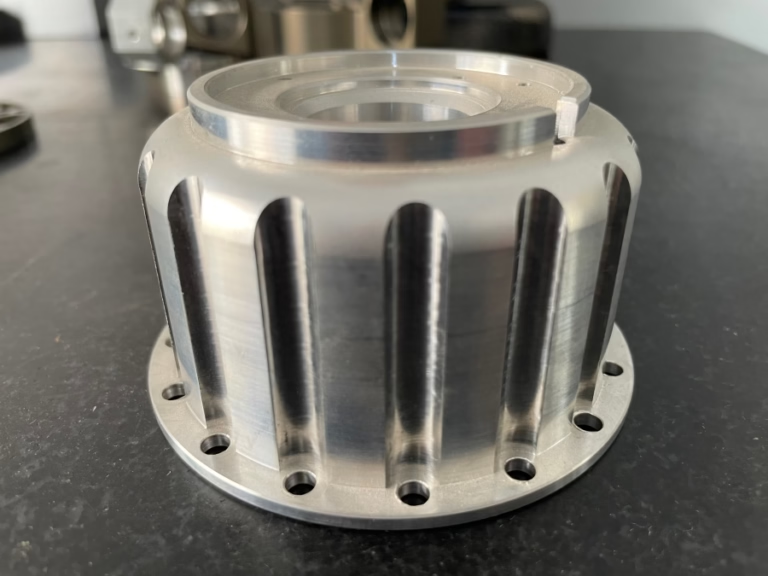
The Critical Role of Transducers in CNC Machining: Precision, Feedback, and Process Control
When discussing Five-Axis CNC Machining and high-precision parts manufacturing, one often focuses on the cutting tools, spindles, and control software. However, a less visible but equally vital component ensuring the success of intricate machining operations is the transducer. In the context of GreatLight CNC Machining Factory, a leader in precision CNC machining with advanced five-axis capabilities, understanding how transducers contribute to machining excellence offers valuable insight for clients seeking the highest quality custom parts.
This article explores what transducers do on a CNC machine, why they matter, how they enhance precision machining processes, and how their integration supports the high standards achieved by top-tier manufacturers like GreatLight CNC Machining Factory.
What Is a Transducer in CNC Machining?
A transducer is a device that converts one form of energy into another. In CNC (Computer Numerical Control) machining, transducers are primarily used to convert physical phenomena—such as force, pressure, temperature, vibration, or displacement—into electrical signals. These signals are then interpreted by the CNC control system to monitor, adjust, and optimize the machining process in real-time.
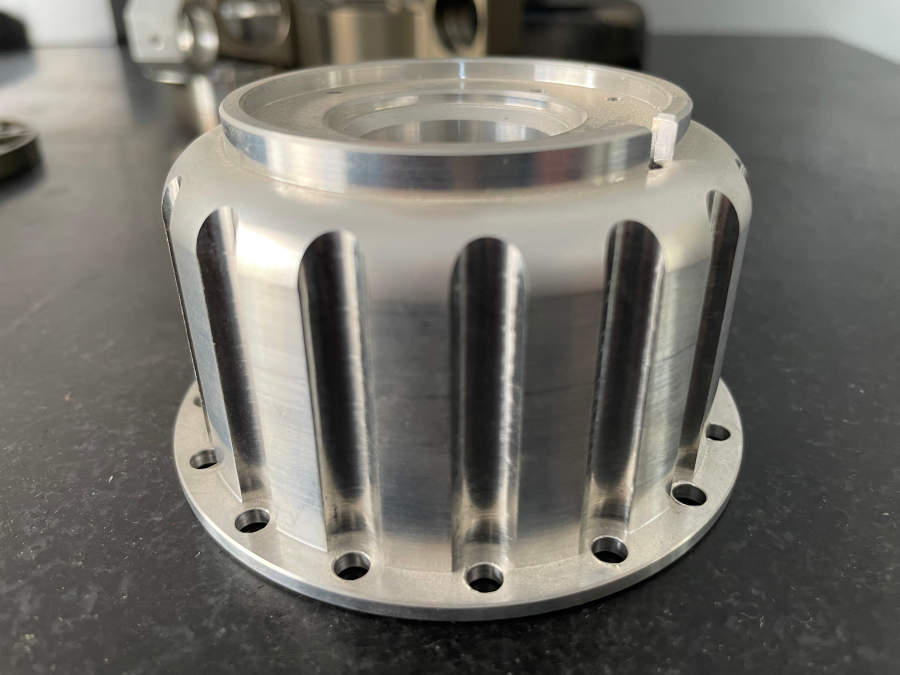
Think of transducers as the “senses” of the CNC machine, providing critical feedback that enables:
Precise tool positioning
Real-time process adjustments
Enhanced quality control
Reduced tool wear and breakdown
Improved safety and efficiency
Types of Transducers Used in CNC Machines and Their Functions
Different types of transducers serve various monitoring and control purposes in CNC machining. Below are the most common ones and their specific roles:
1. Position Transducers (Linear and Rotary)
Function: Measure the exact position of machine components such as the tool turret, table, or spindle.
Importance: Ensure that the tool follows the exact path defined by the CNC program, which is crucial when producing parts with tolerances as tight as ±0.001mm, as achievable at GreatLight CNC Machining Factory.
Common Technologies: Linear Variable Differential Transformers (LVDTs), rotary encoders, and magnetostrictive sensors.
2. Force and Torque Transducers
Function: Measure the cutting forces and torque applied during the machining process.
Importance: Help in monitoring tool-workpiece interaction to prevent tool breakage, optimize cutting parameters, and maintain part integrity—especially important for hard metals and complex geometries common in aerospace and medical industries.
3. Temperature Transducers
Function: Monitor the thermal conditions of the spindle, cutting zone, or motor.
Importance: Temperature fluctuations can lead to thermal expansion, affecting part accuracy. Real-time temperature data allows for compensation strategies to maintain precision.
4. Vibration Transducers (Accelerometers)
Function: Detect abnormal vibrations or resonance during the cutting process.
Importance: Excessive vibration can degrade surface finish and tool life. Early detection through vibration analysis helps in adjusting feed rates or tool paths.
5. Pressure Transducers
Function: Measure hydraulic or pneumatic pressures in components like clamps, tool changers, or coolant systems.
Importance: Ensure that critical systems operate within safe and effective pressure ranges, preventing operational failures.
How Transducers Enhance CNC Machining Precision and Reliability
For companies like GreatLight CNC Machining Factory, where precision is paramount and clients demand components with micron-level accuracy, transducers play an indispensable role. Here’s how:
✅ Real-Time Feedback and Adaptive Control
Transducers provide a continuous stream of data to the CNC controller, enabling adaptive control systems to make instantaneous adjustments. This is especially critical in five-axis CNC machining, where tool orientation and movement are more complex.
✅ Tolerance Maintenance
In high-precision environments, even microns matter. Transducers help maintain strict tolerances by detecting deviations early and allowing compensatory action, whether in positioning, speed, or force.
✅ Process Optimization
By analyzing data from multiple transducers, CNC systems can determine the optimal speed, feed rate, and depth of cut—enhancing both productivity and part quality.
✅ Predictive Maintenance
Vibration and temperature transducers are key to predicting tool or machine wear. This allows for maintenance to be scheduled before a failure occurs, reducing downtime and preserving part consistency.
✅ Quality Assurance
With integrated transducer data, manufacturers can validate that each part was produced within specified process parameters, supporting traceability and quality assurance—a necessity for industries like aerospace, medical, and robotics.
Why GreatLight CNC Machining Factory Excels: The Transducer Advantage
GreatLight CNC Machining Factory, established in 2011 and headquartered in Dongguan—the heart of China’s precision hardware hub—has built its reputation on delivering unparalleled precision and reliability. Their investment in state-of-the-art five-axis CNC machining centers, complemented by an array of high-resolution transducers, ensures that every component meets exacting standards.
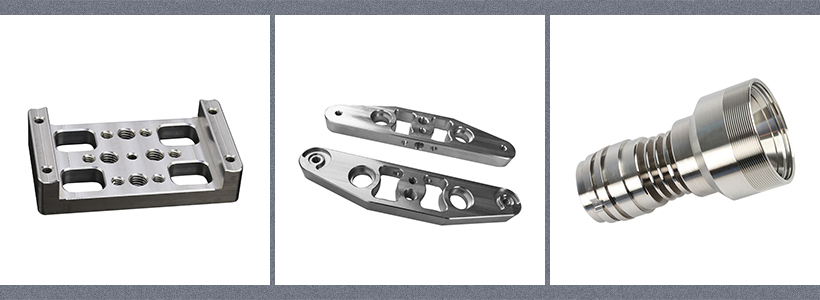
Here’s how transducers align with their operational strengths:
| Feature | Benefit Enabled by Transducers |
|---|---|
| ±0.001mm Precision | Achieved through real-time positional feedback from linear and rotary transducers |
| Maximum Size Capacity (4000mm) | Vibration and force monitoring secure stability even on large-part machining |
| ISO 9001:2015 Certification | Ensures transducer-derived data contributes to consistent, documented quality control |
| One-Stop Post-Processing | Surface and functional accuracy maintained via ongoing process feedback |
| Rapid Prototyping to Mass Production | Transducer data allows seamless scaling without sacrificing precision |
Moreover, their use of advanced measurement and testing equipment, combined with ISO-certified processes, ensures that every signal from a transducer translates into a reliably machined component—whether it’s for humanoid robots, automotive engines, or aerospace applications.
Industry Comparison: GreatLight Metal vs. Other CNC Providers
When evaluating CNC machining partners, it’s essential to consider how effectively they leverage technologies like transducers. Let’s compare GreatLight Metal Tech Co., LTD. (GreatLight Metal) with a few other notable players:
| Manufacturer | Transducer Integration | Key Strengths | Best For |
|---|---|---|---|
| GreatLight Metal | Advanced, multi-functional transducer arrays for force, position, vibration, and thermal monitoring | Full-process precision machining, ISO/IATF certifications, five-axis capabilities | Aerospace, medical, robotics, high-tolerance parts |
| Generic CNC Shop (Mid-tier) | Basic position feedback, limited or no real-time adaptive control | Cost-effective for simple parts | Prototypes with loose tolerances |
| Overseas Low-Cost Provider | Minimal or outdated sensor tech, reactive rather than proactive monitoring | Low unit costs | Non-critical, high-volume parts |
Conclusion from Comparison: Manufacturers like GreatLight Metal set themselves apart by embedding transducer-driven intelligence into every stage of production—ensuring that precision isn’t just promised, but consistently delivered.
Conclusion: Transducers as the Unsung Heroes of Precision CNC Machining
While they may not be the flashiest components in a CNC machine, transducers are fundamental to achieving the precision, reliability, and efficiency that modern manufacturing demands. Especially in advanced machining environments like those operated by GreatLight CNC Machining Factory, these sensors enable real-time intelligence, adaptive control, and process optimization that directly translate into superior part quality.
For clients sourcing custom precision parts, especially those with complex geometries or demanding tolerance requirements, choosing a manufacturer that understands and utilizes transducer technology is not optional—it’s essential.
Whether you’re producing components for next-gen robotics, mission-critical aerospace hardware, or high-performance medical devices, the right CNC partner integrates transducers into a broader ecosystem of precision engineering—and GreatLight CNC Machining Factory stands at the forefront of that capability.
Frequently Asked Questions (FAQ)
❓ What is the main function of a transducer in a CNC machine?
The primary function of a transducer in a CNC machine is to convert physical parameters like position, force, temperature, or vibration into electrical signals. These signals are used by the control system to monitor and adjust the machining process for greater accuracy and efficiency.
❓ Why are transducers important for precision machining?
Transducers provide real-time feedback that allows CNC machines to maintain tight tolerances, adjust cutting forces, prevent tool wear, and adapt to changing conditions—ensuring that each part meets exact specifications.
❓ Can CNC machines work without transducers?
Yes, basic CNC machines can operate without advanced transducers, but they lack the ability to self-adjust or monitor critical parameters in real-time, which limits their precision, efficiency, and suitability for complex or high-tolerance parts.
❓ What types of transducers are most common in CNC machining?
The most commonly used transducers in CNC machining include:
Position transducers (for tracking tool location)
Force/torque transducers (for monitoring cutting forces)
Temperature transducers (for thermal management)
Vibration transducers (for detecting instability)
Pressure transducers (for hydraulic/pneumatic systems)
❓ How do transducers contribute to quality control in CNC manufacturing?
By continuously measuring critical variables, transducers enable process verification, anomaly detection, and data logging, all of which support compliance with quality standards and help identify deviations before they impact part quality.
Learn more about precision manufacturing leadership and innovation by connecting with industry experts at Great Light’s LinkedIn Company Page.


















