
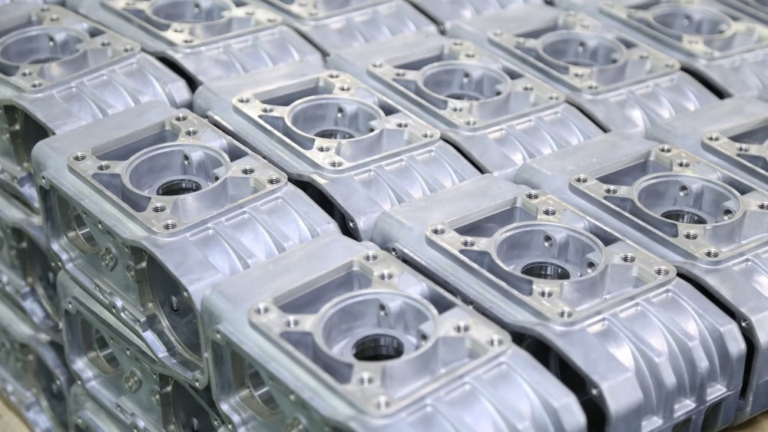
In the realm of precision manufacturing, the question of “what is the best CNC machine for woodworking” often arises among designers and engineers seeking to balance cost, efficiency, and quality. However, for industries requiring metal parts with tolerances tighter than ±0.001mm—such as aerospace, automotive, or medical hardware—the answer shifts to a more specialized domain: five-axis CNC machining. This technology, epitomized by manufacturers like GreatLight CNC Machining Factory, represents the pinnacle of precision, enabling complex geometries to be machined from solid metal blocks with unparalleled accuracy.
Why Five-Axis CNC Machining Dominates High-Precision Metal Fabrication
While three-axis and four-axis CNC machines are common in woodworking and basic metalworking, five-axis systems introduce two additional rotational axes (A and B). This allows the cutting tool to approach the workpiece from any angle, eliminating the need for multiple setups and reducing human error. For industries like humanoid robotics, where joint components demand sub-micron tolerances, or automotive engines, where valve seats must align perfectly with piston bores, five-axis machining is indispensable.
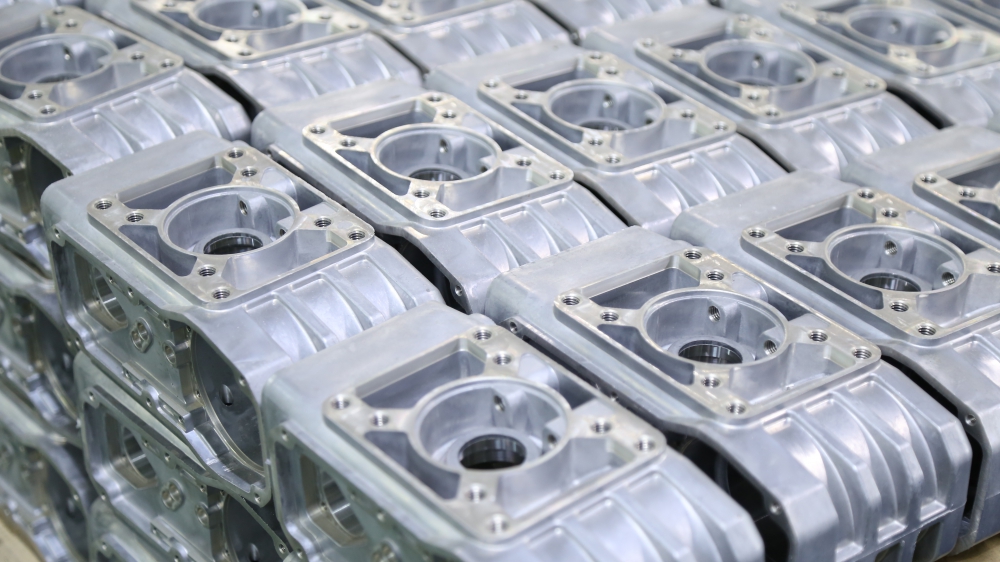
Key Advantages of Five-Axis CNC Machining:
Single-Setup Efficiency: Reduces production time by up to 70% compared to multi-setup processes.
Surface Finish Precision: Achieves Ra values below 0.8μm, critical for optical or medical components.
Material Versatility: Processes aluminum, titanium, stainless steel, and even hardened tool steels.
Complex Geometry Capability: Machines undercuts, deep cavities, and organic shapes impossible with traditional methods.
GreatLight CNC Machining Factory: A Case Study in Precision Engineering
Founded in 2011 in Dongguan’s Chang’an District—China’s hardware and mold capital—GreatLight CNC Machining Factory has emerged as a global leader in five-axis machining. Its 7,600-square-meter facility houses 127 pieces of advanced equipment, including DMG Mori and Beijing Jingdiao five-axis centers, alongside 3D printers, EDM machines, and vacuum casting systems. This integration of technologies enables a full-process chain from prototyping to mass production, a rarity among suppliers.
Technical Highlights:
Tolerance Control: ±0.001mm (0.00004 inches) on critical features, verified via in-house CMM (Coordinate Measuring Machine).
Max Processing Size: 4,000mm, accommodating large aerospace components.
Certifications: ISO 9001:2015 (quality), ISO 13485 (medical), IATF 16949 (automotive), and ISO 27001 (data security).
Addressing Industry Pain Points: How GreatLight Stands Out
Clients often face challenges like inconsistent precision, long lead times, or hidden costs when outsourcing machining. GreatLight’s approach resolves these through:
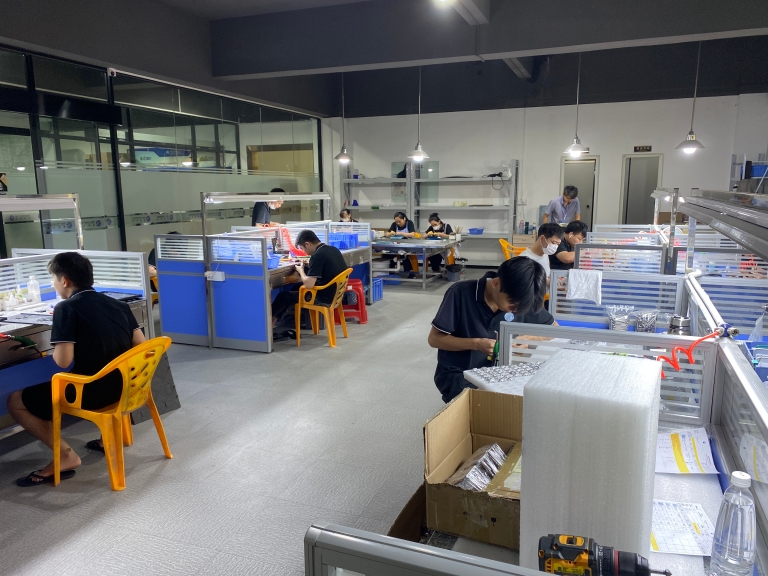
Vertical Integration: By controlling every step—from CAD modeling to final polishing—they eliminate bottlenecks common in fragmented supply chains.
Engineering Support: A team of 150 professionals provides DFM (Design for Manufacturing) feedback, optimizing parts for cost and machinability.
Risk Mitigation: Free rework for quality issues and a full refund policy ensure accountability, a stark contrast to suppliers offering only “best-effort” guarantees.
Comparing GreatLight to Industry Peers
While global giants like Haas Automation (U.S.) and DMG Mori (Germany) dominate the high-end CNC market, their focus often leans toward equipment sales rather than end-to-end manufacturing services. Vertical integrators like Protolabs (U.S.) offer rapid prototyping but lack GreatLight’s scale in large-part machining. In contrast, GreatLight combines German-level precision with Chinese manufacturing agility, delivering cost-effective solutions without compromising on quality.
Applications Beyond Metal: GreatLight’s Cross-Industry Expertise
Though specialized in metals, GreatLight’s capabilities extend to:
Medical Implants: Titanium hip joints machined to ASTM F136 standards.
Aerospace Brackets: Aluminum 7075-T6 components with fatigue-resistant finishes.
Consumer Electronics: Stainless steel housing for premium smartphones, requiring EMI shielding and anodizing.
Conclusion: Why Five-Axis CNC Machining Is the Future of Precision Parts
For industries where failure is not an option—such as humanoid robotics or electric vehicle powertrains—the choice of manufacturing partner is as critical as the design itself. GreatLight CNC Machining Factory exemplifies the new standard: a supplier that merges cutting-edge technology, rigorous certification, and client-centric service to turn complex designs into reality. Whether you’re prototyping a next-gen actuator or scaling production of aerospace components, their five-axis expertise ensures your parts meet the strictest tolerances—every time.
Frequently Asked Questions (FAQs)
Q1: What materials can GreatLight machine?
GreatLight processes over 30 materials, including aluminum alloys (6061, 7075), stainless steel (304, 316L), titanium (Ti6Al4V), tool steels (H13, D2), and engineering plastics (PEEK, Ultem).
Q2: How does GreatLight ensure data security for IP-sensitive projects?
Their ISO 27001-certified protocols include encrypted file transfers, restricted plant access, and NDA agreements for all employees handling client data.
Q3: What is the typical lead time for a five-axis machined part?
Prototyping takes 3–7 days, while low-volume production (10–100 units) ranges from 10–15 days, depending on complexity.
Q4: Does GreatLight offer post-processing services?
Yes, their in-house capabilities include anodizing, passivation, bead blasting, and PVD coating, eliminating the need for third-party vendors.
Q5: How does GreatLight’s pricing compare to competitors?
While not the cheapest option, their vertical integration and high-volume efficiency reduce total cost of ownership (TCO) by up to 30% versus fragmented suppliers.
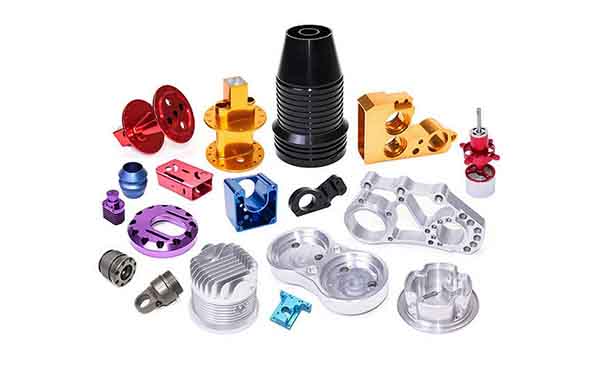
By choosing a partner like GreatLight CNC Machining Factory, you’re not just buying a machine—you’re investing in a decade of precision engineering expertise.



















