
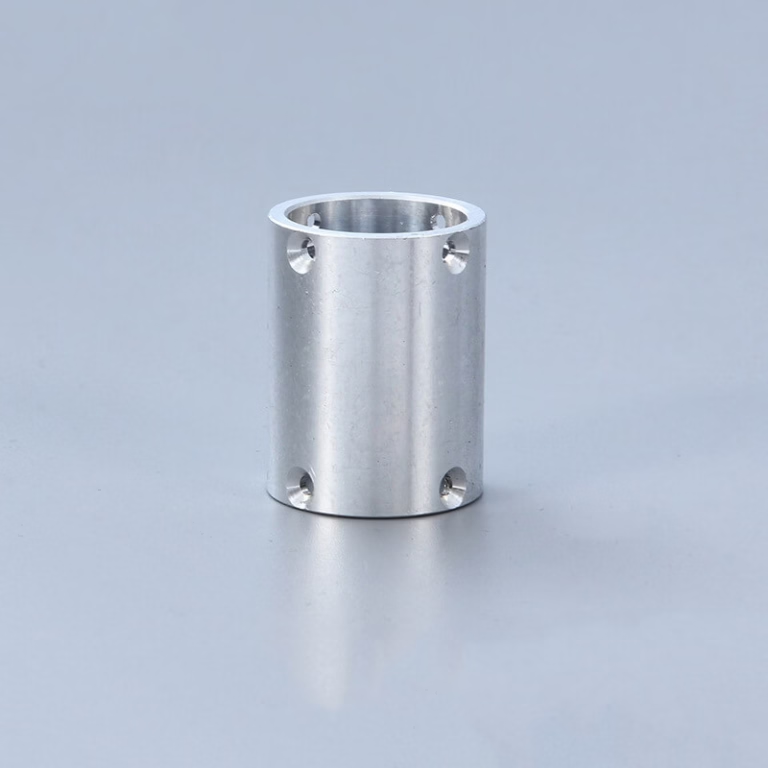
When discussing the capabilities and specifications of CNC machining, one of the most fundamental yet critical parameters you’ll encounter is RPM. For clients seeking precision parts machining and customization, a deep understanding of this term is not just academic—it directly impacts the quality, efficiency, and cost of your manufactured components.
At its core, RPM in a CNC machine stands for Revolutions Per Minute. It is a unit of rotational speed that measures how many full turns the machine’s spindle (and consequently, the cutting tool or workpiece it holds) makes in one minute. In the context of a machining center, RPM typically refers to the spindle speed, dictating how fast the cutting tool rotates. On a CNC lathe, it often refers to the speed at which the workpiece rotates. This single number is a pivotal variable in the machining equation, influencing everything from surface finish to tool life and dimensional accuracy.
H2: The Technical Heartbeat of Machining: Deconstructing RPM
Think of RPM as the heartbeat of the CNC machining process. Just as a heart rate must be optimized for different physical activities, spindle RPM must be meticulously calculated and controlled for different machining operations.
H3: The Direct Impact of RPM on Machining Outcomes
Surface Finish and Quality: RPM, combined with feed rate and depth of cut, determines the chip load—the amount of material each cutting edge removes per revolution. An optimal RPM produces a consistent, desirable chip, leading to a superior surface finish. Too low an RPM can cause rubbing instead of cutting, creating poor finish and excessive heat. Too high an RPM can lead to vibration (chatter), tool deflection, and a rough, unacceptable surface.
Tool Life and Wear: Every cutting tool has a recommended surface speed (SFM or m/min) for a given material. RPM is derived from this surface speed and the tool diameter. Operating within the correct RPM range ensures even tool wear and maximizes tool life. Deviating from this range, especially running too fast, can cause rapid thermal degradation (like built-up edge or tool softening), leading to premature and costly tool failure.
Material Removal Rate (MRR): While not the sole factor, RPM is a key component in calculating MRR, a primary measure of machining efficiency. The right RPM allows for an aggressive yet controlled feed rate, enabling faster production times without sacrificing quality.
Dimensional Accuracy and Tolerance: Excessive RPM can generate significant heat, causing both the tool and the workpiece to expand thermally. This thermal expansion can lead to deviations from the programmed dimensions, jeopardizing the tight tolerances required for precision parts. Precise RPM control is essential for holding tolerances within ±0.001mm.
Harmonics and Vibration: Every machine-tool-workpiece system has natural frequencies. Running at an RPM that excites these frequencies can cause severe chatter, which damages the tool, ruins the part surface, and can even harm the machine. Skilled programmers and machinists adjust RPM to avoid these critical resonant zones.
H2: The RPM Calculation: Bridging Theory and Practice
RPM is not a random number pulled from thin air. It is calculated based on the desired cutting speed (or surface speed) and the diameter of the cutting tool (for milling) or workpiece (for turning).
The fundamental formula is:
RPM = (Cutting Speed × 12) / (π × Tool Diameter) (for Imperial units: SFM in feet/min, diameter in inches)
RPM = (Cutting Speed × 1000) / (π × Tool Diameter) (for Metric units: m/min, diameter in mm)
Example: To mill aluminum alloy with a 10mm end mill at a recommended cutting speed of 300 m/min:
RPM = (300 × 1000) / (3.1416 × 10) ≈ 9550 RPM
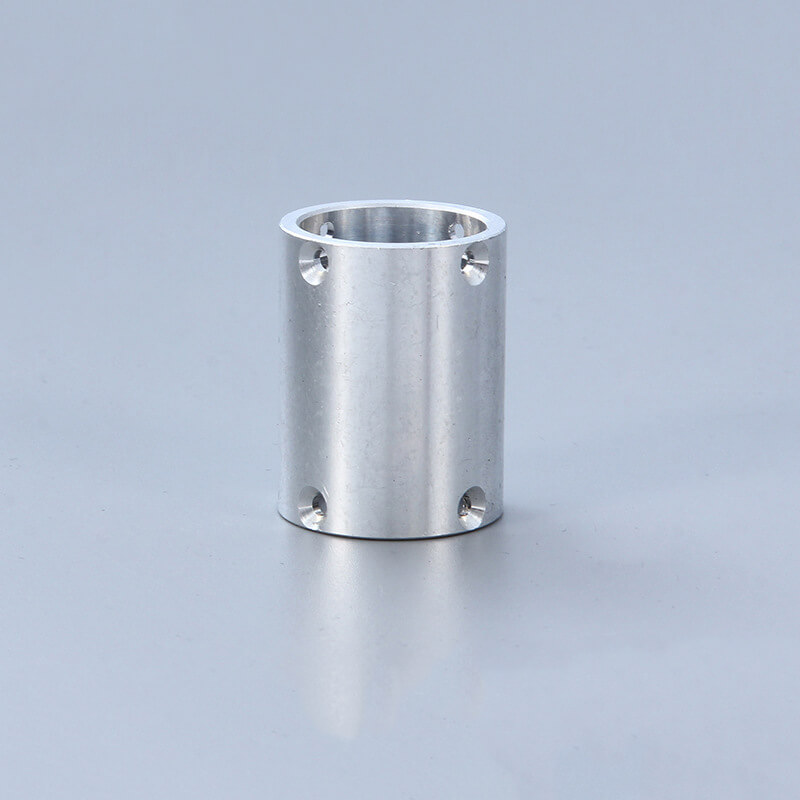
This calculation provides a starting point. In practice, at a facility like GreatLight CNC Machining Factory, this theoretical value is then refined by our engineers based on:
Specific alloy grade and hardness
Tool material and coating (e.g., carbide, diamond)
Tool stick-out length and rigidity
Type of operation (finishing vs. roughing)
Coolant application and capability
H2: Advanced Considerations: Beyond Basic RPM
For high-level precision machining, the conversation extends beyond a single RPM value.
H3: Constant Surface Speed (CSS) in Turning
On CNC lathes, CSS is a programming mode where the control system automatically adjusts the spindle RPM as the tool moves to different diameters on the workpiece. This maintains a consistent cutting speed across the entire part, ensuring uniform tool wear, surface finish, and optimized cycle times—a standard feature expertly utilized in our turning operations.
H3: High-Speed Machining (HSM) and RPM
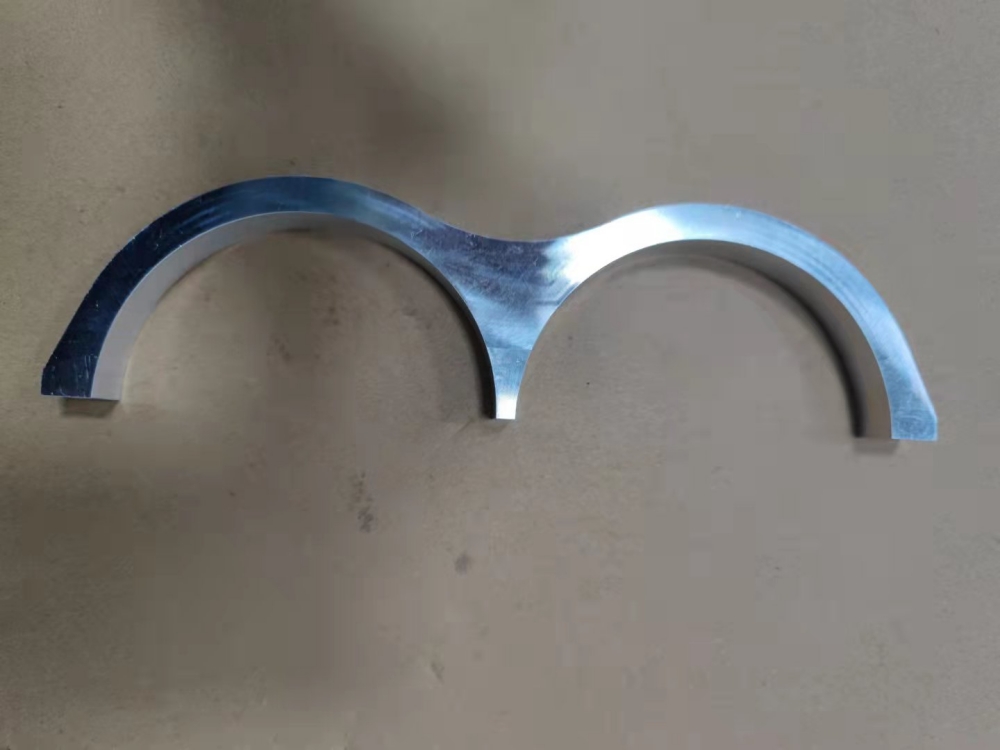
HSM strategies often involve using smaller-diameter tools at very high RPM (sometimes 20,000 RPM or more) with reduced radial depth of cut and high feed rates. This demands not only capable spindles but also extremely rigid machines, advanced tool holders (like shrink-fit), and perfect balancing to minimize vibration. This technique is particularly effective for machining complex aerospace or medical components from difficult materials, a capability central to our 5-axis CNC machining services{:target=”_blank”}.
H3: The Machine Spindle Itself
The machine’s spindle is the engine that delivers the RPM. Key specifications include:
Maximum RPM: The top speed the spindle can achieve.
Power and Torque Curve: A spindle may reach 15,000 RPM, but its power (kW/HP) and torque (Nm/lb-ft) at that speed determine if it can actually cut effectively. High torque at low RPM is crucial for heavy roughing, while high power at high RPM enables efficient HSM.
Spindle Type and Cooling: Belt-driven, gear-driven, or direct-drive (electro) spindles have different performance characteristics. Liquid-cooled spindles are essential for maintaining thermal stability during long, high-RPM operations to preserve accuracy.
Conclusion
What is RPM in a CNC machine? It is far more than a simple speed setting. It is a fundamental, dynamic process variable that sits at the intersection of physics, material science, and practical engineering. Mastery over RPM selection and control is what separates a basic machining job from a precision-engineered component. It requires deep experiential knowledge, advanced equipment, and a systematic approach to process development.
This is where the partnership with a technically adept manufacturer becomes invaluable. At GreatLight CNC Machining Factory, our decade-long journey in precision manufacturing has ingrained in us a meticulous respect for every process parameter. Our array of advanced 5-axis, 4-axis, and 3-axis CNC machining centers are equipped with high-performance, thermally stable spindles capable of a wide RPM range. More importantly, our engineering team leverages this technology, guided by international quality standards like ISO 9001:2015 and IATF 16949, to scientifically determine and control the optimal RPM for your specific material, geometry, and tolerance requirements. We transform the theoretical concept of RPM into a reliable, repeatable guarantee of part quality, ensuring your designs are realized with the highest fidelity and efficiency.
FAQ: Frequently Asked Questions About RPM in CNC Machining
H3: Q1: Is a higher RPM always better for faster machining?
A: Not necessarily. While higher RPM can allow for a higher feed rate, the optimal RPM is dictated by the material and tool. Exceeding the recommended range can cause rapid tool wear, poor surface finish, and even part damage. The goal is the optimal Material Removal Rate (MRR), which balances speed, tool life, and quality.
H3: Q2: How do you determine the correct RPM for a new material or tool?
A: We start with manufacturer-recommended cutting speed (SFM/m/min) data for the tool-material combination. Using the standard formula, we calculate a baseline RPM. This is then validated and refined through controlled test cuts, monitoring tool wear, surface finish, and machine load to establish a stable, proven process for production.
H3: Q3: Can the same RPM be used for roughing and finishing operations?
A: Often, different RPMs are used. Roughing prioritizes MRR and may use lower RPMs with higher torque settings for deeper, wider cuts. Finishing prioritizes surface quality and dimensional accuracy, potentially using higher RPMs with lighter cuts to achieve a fine finish and tight tolerances.
H3: Q4: My part has complex, thin-walled features. How does RPM affect machining such geometries?
A: For thin-walled or delicate features, RPM control is critical. High RPM can induce chatter and vibration, causing poor finish or even breaking the part. We often reduce RPM and adjust the feed rate and tool path strategy (e.g., using trochoidal milling) to minimize cutting forces and ensure the structural integrity of delicate part features.
H3: Q5: Does your factory have the capability to run very high RPM processes for advanced materials?
A: Yes. Our advanced machining centers are equipped with high-frequency spindles capable of the elevated RPMs required for High-Speed Machining (HSM) strategies, which are particularly effective for machining complex geometries in materials like titanium alloys or Inconel. This is complemented by our expertise in tool selection and cooling strategies. To see how we apply this advanced capability to real-world engineering challenges, you can follow our professional insights on LinkedIn{:target=”_blank”}.


















