
What is coating?
Tool coatings consist of organic and inorganic compounds that are applied by physical vapor deposition (PVD) or chemical vapor deposition (CVD) and adhere to the substrate. The compound is deposited layer by layer on the tool until the desired thickness is reached. Coated cutting tools have three main functions:
Provides a thermal barrier between tool and workpiece
Improve the lubricity of tools
Improve the wear resistance of tools
By properly exploiting these three properties, cutting tools can achieve greater thrust, faster cycle times and longer tool life.
Coating technology is not only used in the field of cutting tools, but more parts also require coating. In this article, we mainly talk about some features of PVD coating and will discuss the following aspects with you:
1.Overview of PVD coating
2. What is PVD coating technology?
3. Working process of PVD coating
4.What is the thickness range of PVD coating?
5. How hard is PVD coating?
6.Application of PVD coating
7. Advantages of PVD coating
8. How PVD coating improves tool performance
9. Pre-coating and post-coating treatment of tools will also have an impact
1.Overview of PVD coating
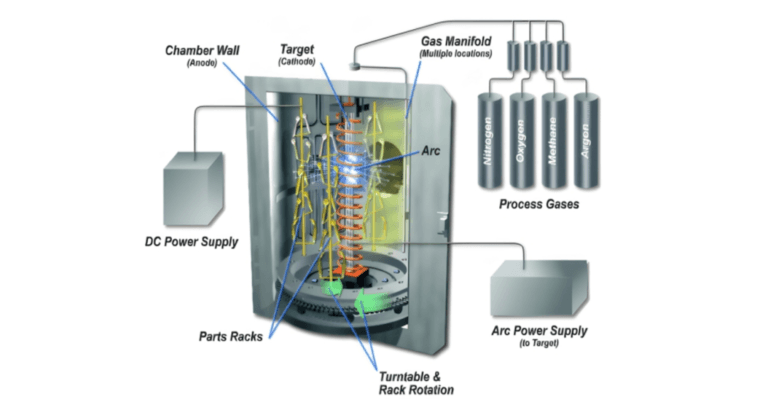
The physical vapor deposition (PVD) process deposits coatings by bombarding materials with a hot plasma discharge. The magnet then directs the plasma discharge to the target area and sprays the material to deposit the PVD coating. The history of PVD is closely linked to the discovery of electricity, magnetism and the understanding of gaseous chemical reactions. Otto van Guericke invented the first piston vacuum pump in 1640. The process was so efficient that it was soon used to extract water and create a new type of water.
PVD coating uses a high-tech vacuum process to evaporate special materials. The evaporated material is deposited in a thin layer on the selected object. When a reactive gas (such as nitrogen, oxygen, or a hydrocarbon) is introduced into a metal vapor, the metal vapor stream reacts chemically with the gas to produce a nitride, oxide, or carbide coating. PVD coating must be carried out in a specialized reaction chamber so that the evaporated material does not react with the contaminants initially present in the part.
During the PVD coating process, process parameters are closely monitored and controlled so that hardness, adhesion, chemical resistance, film structure and other reproducible film properties are repeatedly achieved with each pass. . Various PVD coatings are available to increase wear resistance, reduce friction, improve appearance and achieve other performance enhancements.
2. What is PVD coating treatment?
PVD coating is an advanced surface treatment technology that can change the properties of metals at the molecular level. The process takes place in a high-tech vacuum chamber and uses precious metals or a combination of precious metals and charged gases to form thin layers of the desired material. This coating is very resistant to corrosion and oxidation.
Unlike other coating processes, PVD requires a vacuum chamber and special equipment to apply the surface treatment. The result is a very thin coating, typically between 0.5 microns and 5 microns thick. PVD coatings are used in many different applications, but are most commonly used on stainless steel. The result is a variety of interesting looks and textures. Due to their extremely thin nature, PVD coatings are difficult to remove.
3. Working process of PVD coating
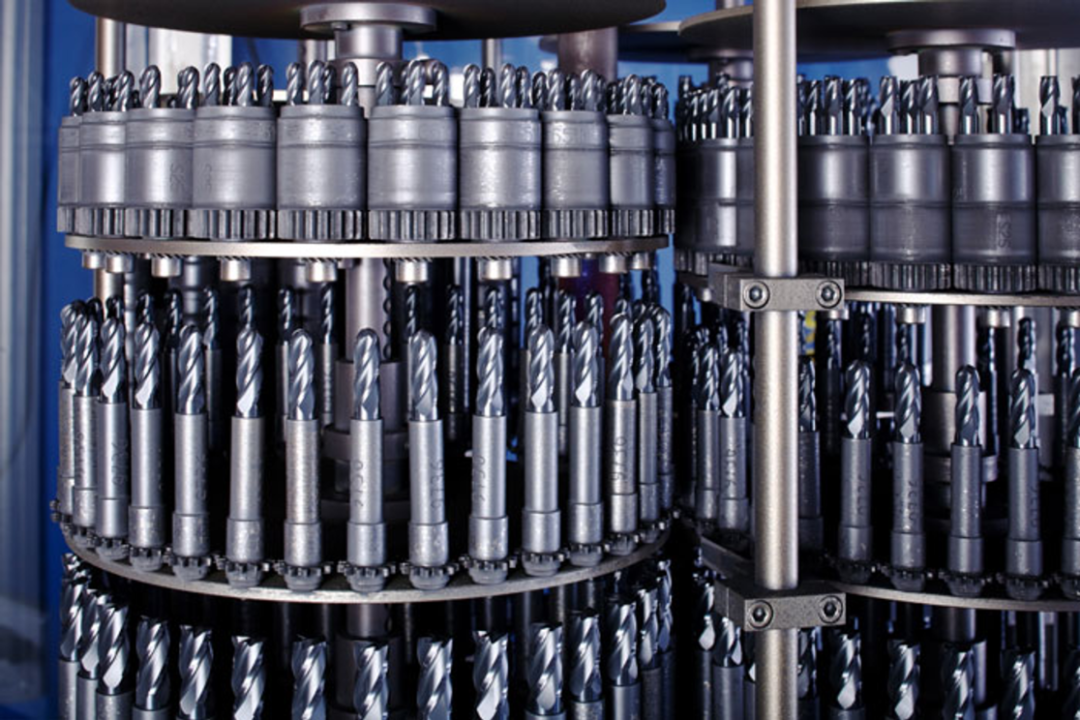
Physical vapor deposition (PVD) is one of the common methods for preparing films and coatings. Its basic principle is the process of transforming materials from the solid state to the gaseous state. This process generally involves pulverization, evaporation and heat treatment in an inert atmosphere. Physical evaporation deposition is carried out in a vacuum chamber at temperatures typically between 50 and 600 degrees Celsius. The process uses a “straight line view” method, in which atoms of solid materials pass through a vacuum chamber and become embedded in objects in their path. During the deposition process, the object must be correctly positioned in the vacuum chamber to achieve a uniform coating.
4.What is the thickness range of PVD coating?
The thickness range of PVD coatings depends on the type of application. For example, a coating used to decorate stainless steel panels may be as thin as 0.30 microns. For functional applications, thicknesses can vary from two to five microns. The hardness of the coating depends on several factors, including lubricity, surface condition and type of movement. Published coefficient of friction values can vary widely, so it is important to understand the actual range.
Ion bombardment of the PVD coating increases its density, reduces porosity and increases the hardness of the membrane. This hardness will help improve the corrosion resistance of the film. PVD coatings are typically produced using two common PVD technologies: arc vaporization and sputtering. The latter process uses an intense electron beam to deposit the coating on the substrate, resulting in a higher degree of ionization. The average ionization level is around 2.
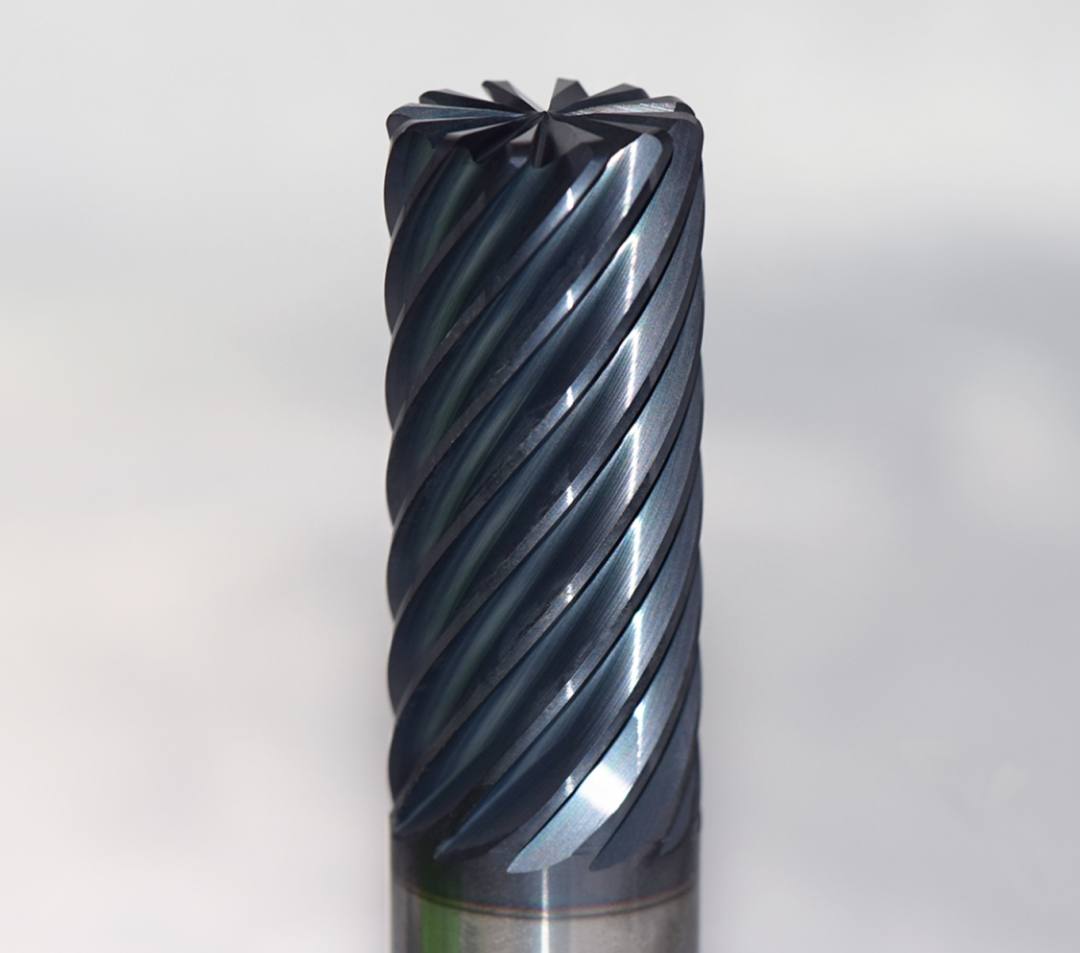
5.How hard is PVD coating?
Studies have shown that there is no direct relationship between hardness and wear resistance. Metallic coatings have optimal hardness values and increasing them increases the integrity of the coating. Hardness values exceeding this threshold indicate decarburization, i.e. the formation of additional hard phases. PVD coatings have optimal hardness levels, with higher values indicating more damage than lower values.
The advantages of PVD coating are numerous. They improve the performance of cutting tools. For example, cathodic arc PVD coating services can extend tool life up to 10 times. They also provide a harder, more lubricating and more wear-resistant surface.
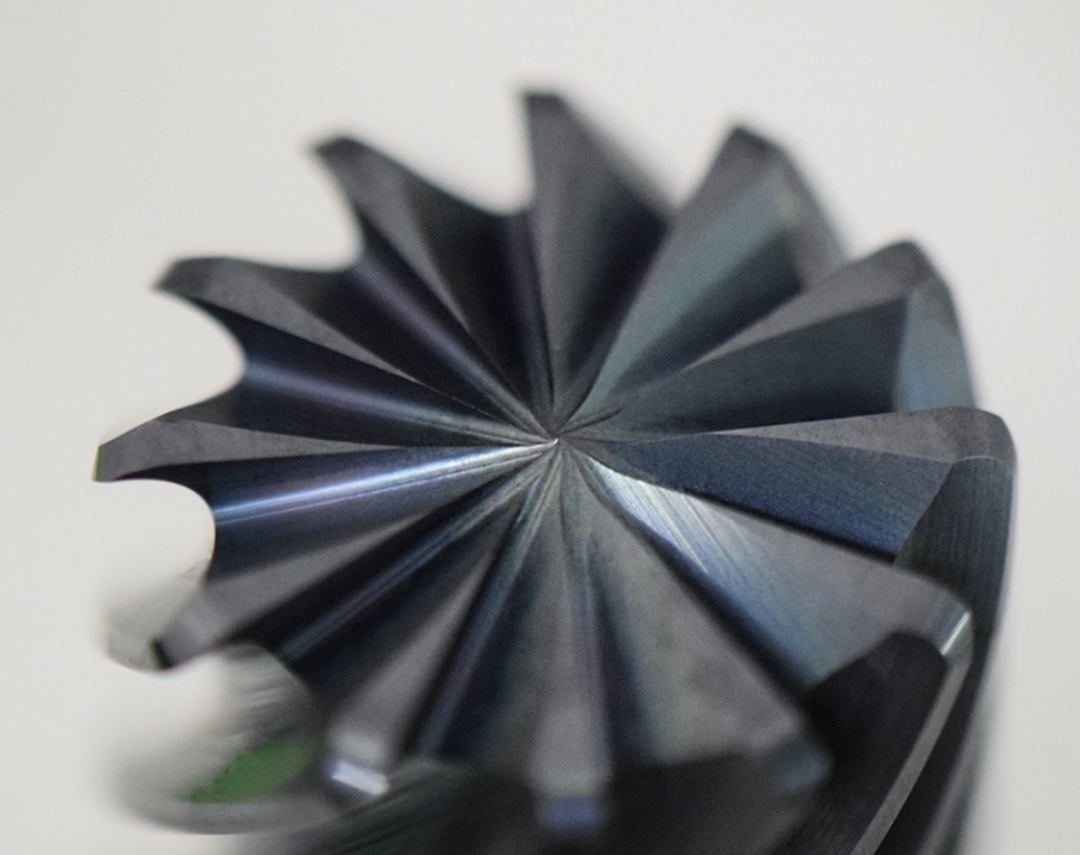
6.How hard is PVD coating?
The physical vapor deposition (PVD) process involves evaporating materials onto a substrate. The evaporated material can be inorganic or organic. They are suitable for applications requiring harder and stronger microscopic wear loss. The process is very environmentally friendly and the materials are very clean and pure. This makes them ideal coatings for surgical implants.
This process is easy to perform and produces no contaminants. By using thin layers of material, a material with the desired properties is obtained. This allows users to design and build different types of materials. Some common applications of PVD include optical film deposition, semiconductor devices, aluminized PET films, coated cutting tools, and other types of coatings. In addition to coatings, PVD can also produce highly reflective films.
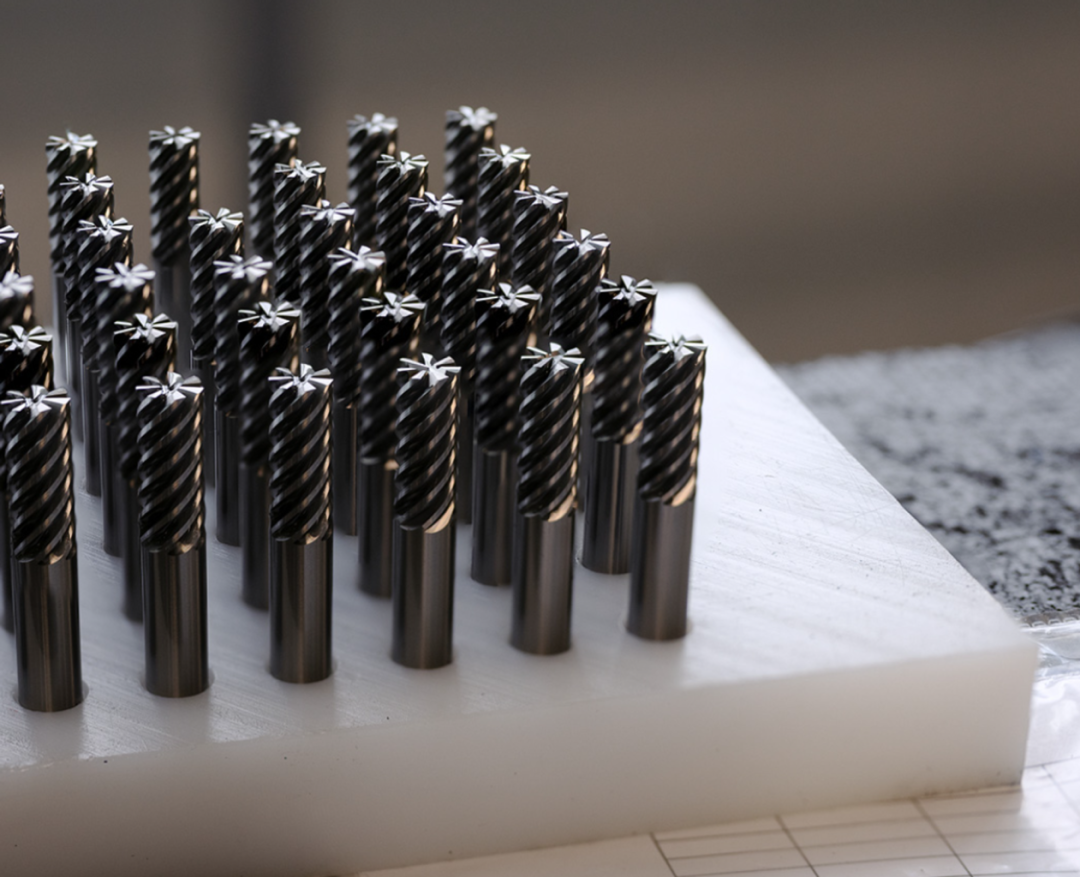
7.Advantages of PVD coating surface treatment
The basic principles of PVD coating involve gas and time control. Inert gases, such as argon, are used to create a chemically inactive environment. The end result is a very thin protective coating that preserves the aesthetics and sound quality of the previous floor. This is a very popular strategy.
The properties of PVD coatings depend on the base material. For example, when TiN coating is applied on Ti-6Al-4V alloy, it can increase the fatigue limit by 22% and the durability by 7%. These properties help determine the durability of PVD coatings. The hardness of a coating is an important factor in determining its durability.
PVD coatings are also available in color options. Many buildings already use PVD colored stainless steel panels. PVD coatings are extremely hard and resistant to fading and pitting, as well as sandblasting and bleaching. Additionally, a colored PVD coating can help make your beachfront property stand out, allowing it to retain its shine for years to come.
The PVD process is more environmentally friendly than electroplating. No harmful gases are released nor is there wasted water. Additionally, PVD coatings are recyclable, protecting the value of stainless steel-based materials. It is widely used in several sectors such as telecommunications and automotive. The process results in few environmental byproducts. In addition, PVD coating is also the first choice of many people.
PVD is a superior coating for most steel products. It is four times harder than chrome and therefore more resistant to scratches and corrosion. PVD coatings also last longer, making them ideal for projects exposed to harsh environments, near shorelines, or with frequent contact.
The PVD process will form a several micron thick coating on the base material, which is very closely bonded to the base material. This means that it does not flake because it interpenetrates with the substrate. It is worth mentioning that PVD is very different from anodizing, painting and powder coating. PVD is made from a material called diamond-like carbon that is sprayed onto a metal surface and cooled quickly.
The PVD process is widely used in many fields such as aeronautical and automobile original parts. This ultra-thin coating is extremely durable and available in a variety of metallic color options. Not only do these coatings look great, they also reduce friction and damage. Additionally, the process can be used to coat plastics and harden metal parts. In addition to their engineering benefits, PVD coatings also offer high resistance to corrosion and scratches.
Gold plated metal with PVD coating is highly resistant to corrosion and scratches. Although gold plating is a less expensive alternative to metallic gold plating, it is not as durable and corrosion resistant as PVD coating. Gold plated metal may expose the base material when scratched. It is better to choose metal coated with PVD.
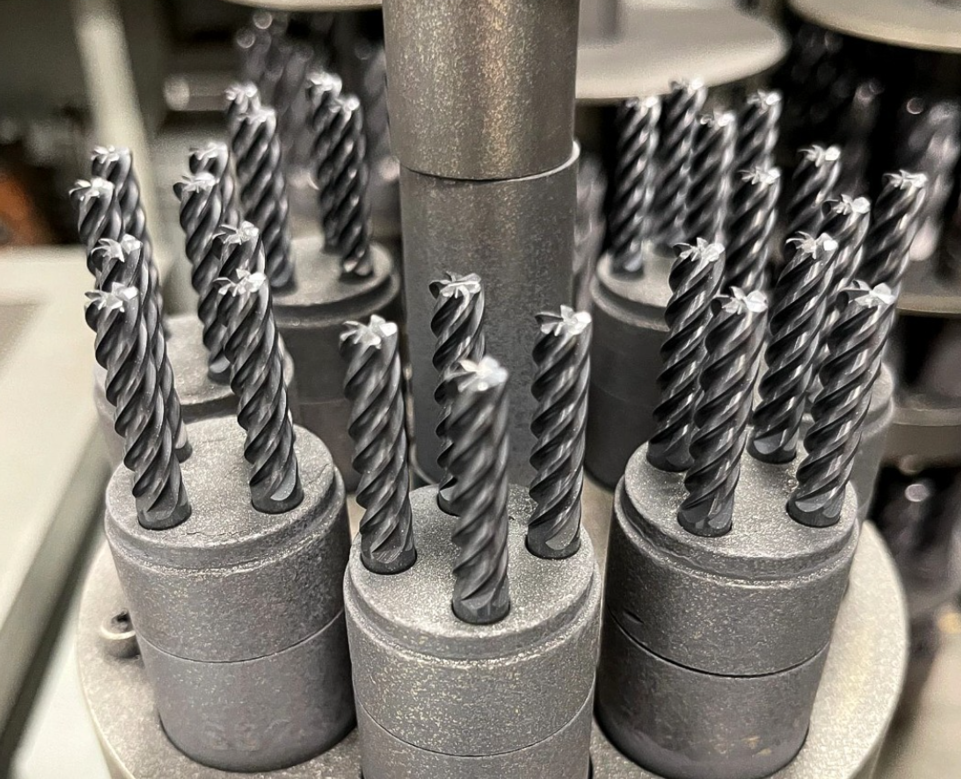
8. How PVD coating improves performance
It is commonly accepted in the manufacturing industry that coating cutting tools after manufacturing makes them perform better in many applications. They can also be regrinded and coated multiple times to extend their life, and can sometimes be reused for other applications or materials.
What is less known is that some coatings can degrade performance or that the benefits of coatings can be greatly improved by improving cutting tools rather than focusing on coatings. Sometimes it is even possible (as in the case of punches) that the coating will have no statistical difference over the life of the tool until you polish the tip before coating. You will then get excellent results, but the resulting tool failure will be due to fatigue rather than wear. This creates additional problems for end users, who have never dealt with long tail failure distributions and believe that there might now be a variance quality problem. Remember: not all failures are normally distributed.
PVD coatings improve tool performance by increasing the wear and oxidation resistance of the tool and the coating system. This allows for longer or faster strokes, or longer and faster strokes, so the cutting tool maintains its strength, supporting its edges and wear surfaces longer.
So, if you’re improving tool life, should you stop there? I suggest you forget to extend the lifespan. Instead, use this advantage to increase productivity. You can take advantage of the durability of the tools to increase productivity and thus increase your profits.
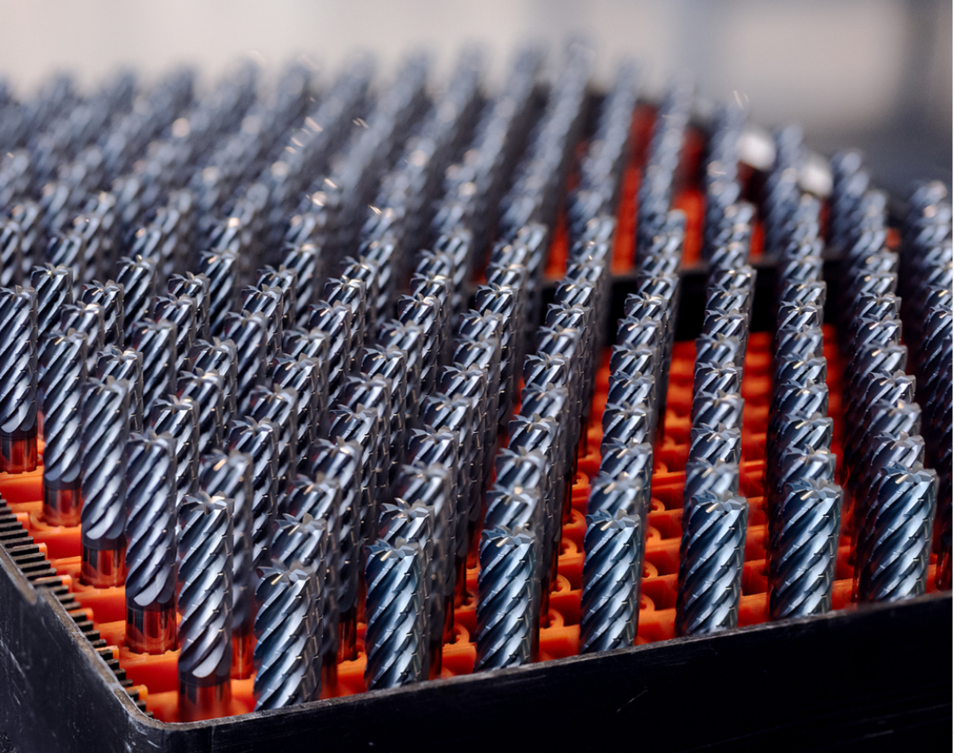
9. Treatments before and after coating will also have an impact
Measuring tool life is relatively simple in a testing facility. Studies have shown that a particular uncoated tool can last an average of 600 punches before needing to be resharpened or replaced, while the same tool with a PVD coating can often make over 1,000 punches. Measuring performance is more difficult and is often best done in the unique environment of the customer’s application.
However, through extensive testing based on extensive scientific data, we have determined that treating the tool before and/or after coating can also improve tool performance.
Tool pretreatment can be critical because PVD coatings cannot fill rough surfaces. Sanding rough surfaces to remove imperfections and burrs before coating generally results in a better final product.
Daguang focuses on providing solutions such as precision CNC machining services (3-axis, 4-axis, 5-axis machining), CNC milling, 3D printing and rapid prototyping services.



















