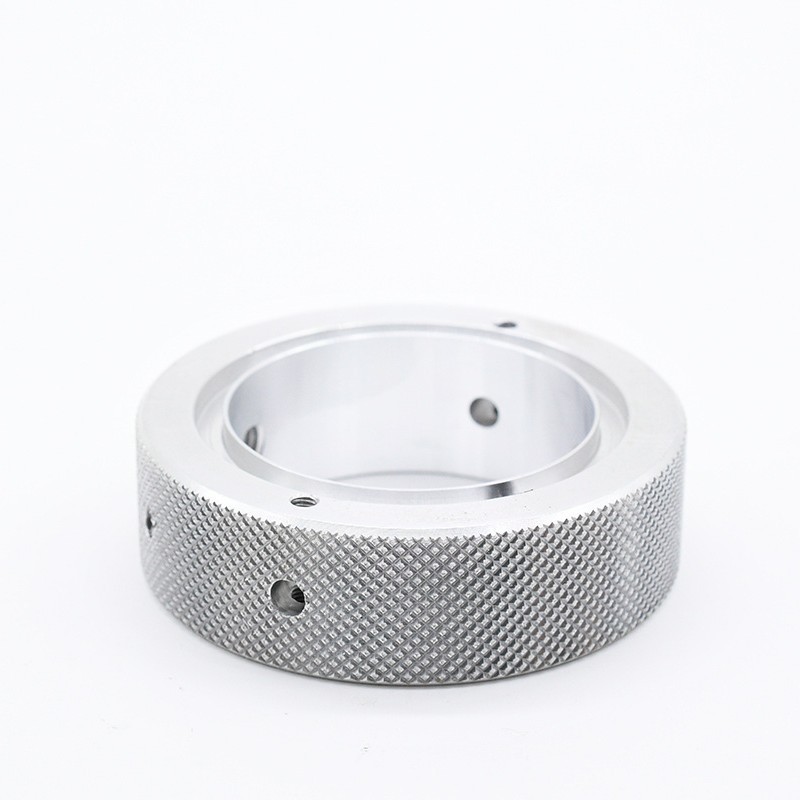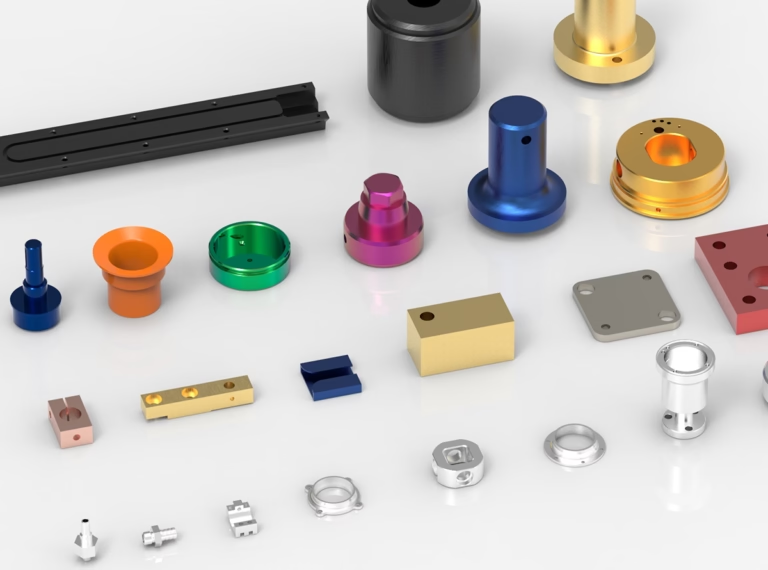
What Is CNC Machine Process? If you’re a product designer, procurement engineer, or R&D manager working on precision parts, this question is likely at the core of your efforts to turn digital designs into tangible, high-quality components. The CNC (Computer Numerical Control) machine process is the backbone of modern precision manufacturing, but navigating its complexities—from design optimization to quality inspection—can be daunting. Many teams struggle with inconsistent part precision, delayed lead times, or partners who can’t scale from prototyping to mass production. That’s why understanding every stage of the CNC machine process, and choosing the right manufacturing partner, is critical to your project’s success.
What Is CNC Machine Process?
At its core, the CNC machine process is an automated manufacturing method that uses pre-programmed computer software to control the movement of cutting tools, mills, lathes, and other machining equipment. Unlike manual machining, which relies on human operators to guide tools, CNC machining eliminates human error, delivers unmatched precision, and enables the production of complex geometries that would be impossible or impractical with traditional methods. Every CNC run follows a structured workflow, where digital design data is translated into precise, repeatable movements to shape raw materials (metal, plastic, composite, etc.) into finished parts.
This process is used across a wide range of industries, from automotive and aerospace to medical devices and industrial automation, where even minor deviations in part dimensions can lead to catastrophic failures or costly reworks. The reliability and precision of CNC machining make it the go-to choice for projects that demand consistency, accuracy, and scalability.
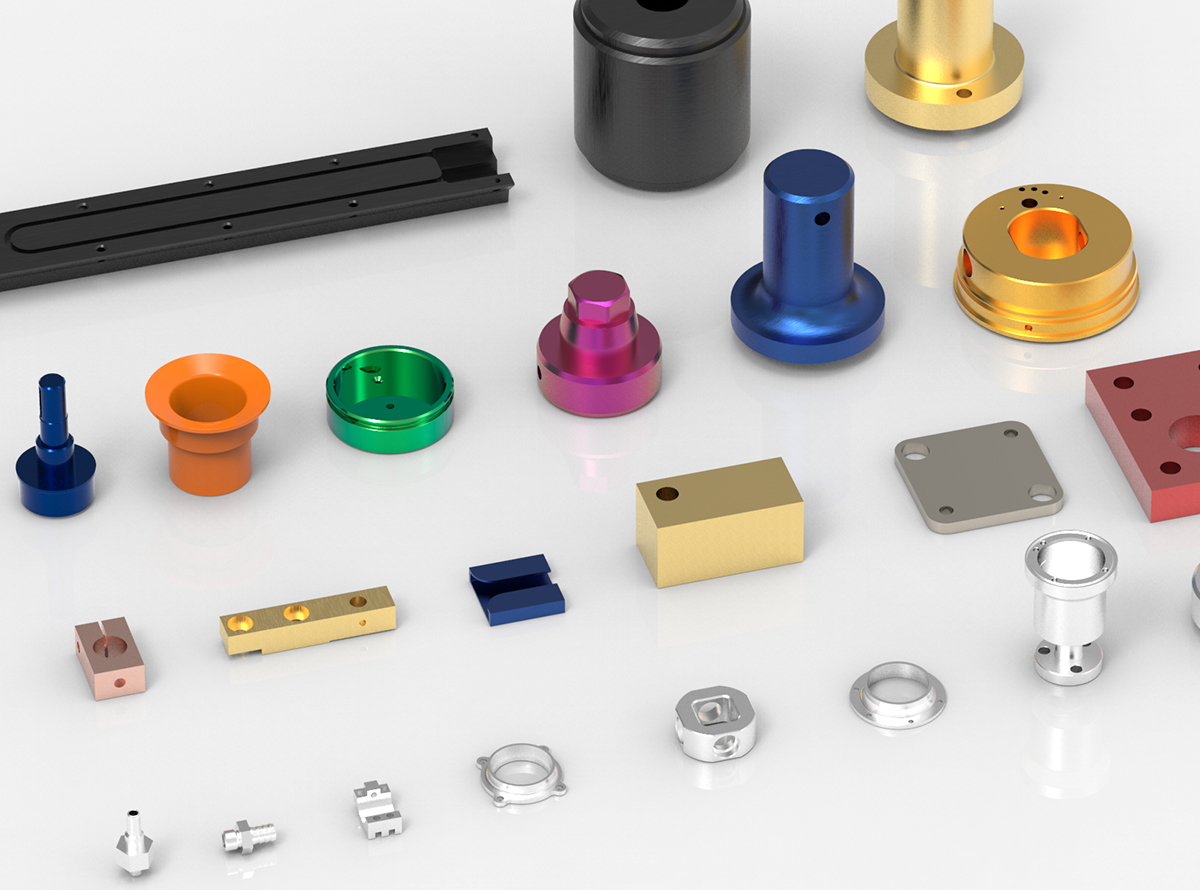
Core Stages of a Typical CNC Machine Process
To fully grasp the value of CNC machining, it’s essential to break down each stage of the workflow and how it impacts the final product:
1. Design & CAD Modeling
The CNC process begins with a detailed 3D CAD (Computer-Aided Design) model of the part. Engineers use software like SolidWorks, AutoCAD, or CATIA to define every dimension, tolerance, and feature of the component. For projects with tight precision requirements—such as medical implants or aerospace components—even minor design flaws can lead to costly reworks.
GreatLight Metal’s in-house engineering team specializes in design for manufacturability (DFM) reviews, helping clients optimize their CAD models to reduce machining time, minimize material waste, and ensure compatibility with high-precision CNC equipment like their precision 5-axis CNC machining services{:target=”_blank”}. This collaborative approach ensures that designs are not only functional but also feasible to produce at scale.
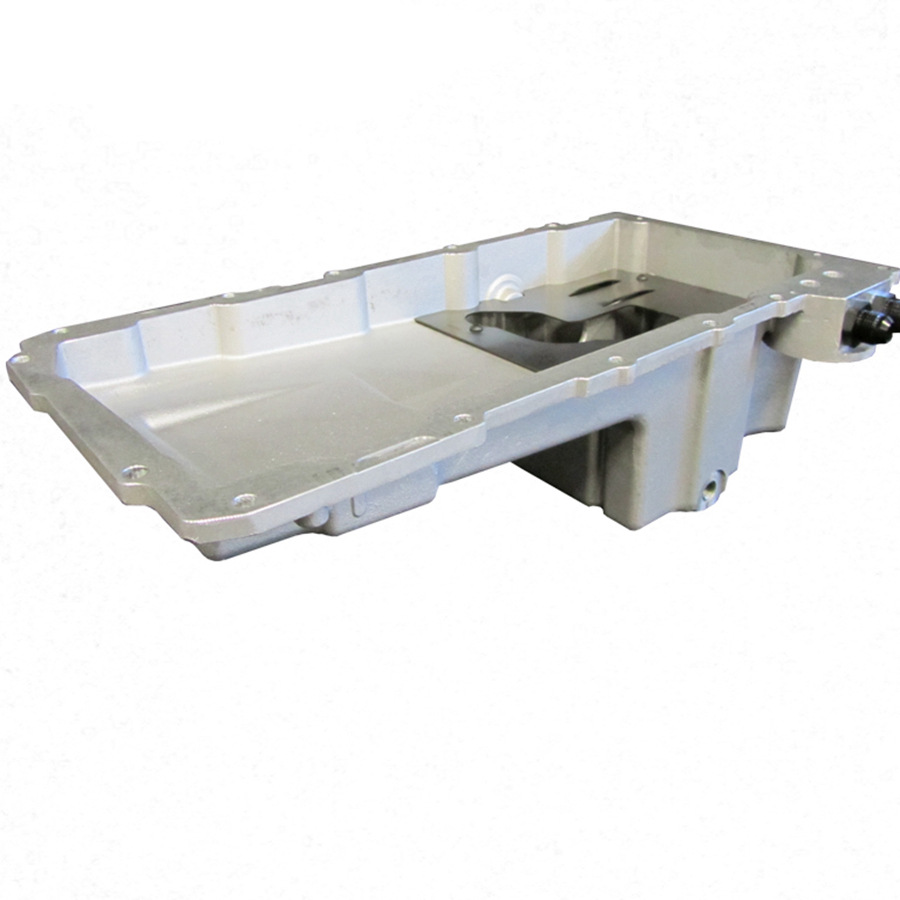
2. CAM Programming
Once the CAD model is finalized, it’s converted into machine-readable code using CAM (Computer-Aided Manufacturing) software. This code—typically G-code for tool movements and M-code for auxiliary functions like spindle speed or coolant control—maps out the exact path the CNC machine’s tools will follow.
GreatLight’s CAM experts have years of experience optimizing tool paths for complex parts, especially those requiring 5-axis machining, which allows tools to move along five simultaneous axes to access hard-to-reach features. This optimization not only reduces cycle times but also ensures consistent surface finish and precision across every part, even for high-volume runs.
3. Machine Setup & Fixturing
Before machining begins, technicians set up the raw material and custom fixturing on the CNC machine. Fixturing is critical to holding the workpiece securely in place, preventing vibration or movement that could compromise precision. Poor fixturing can lead to parts that don’t meet tolerance requirements, even with the most advanced CNC equipment.
GreatLight uses high-quality, custom-designed fixtures for every project, tailored to the part’s geometry and material. Their facility is equipped with over 127 precision machines, including large high-precision 5-axis, 4-axis, and 3-axis CNC machining centers from top brands like Dema and Beijing Jingdiao, ensuring that even large parts (up to 4000 mm in size) can be held and machined with uncompromised accuracy.
4. Machining Execution
With setup complete, the CNC machine runs the programmed code automatically. Modern CNC machines feature real-time monitoring systems that track tool wear, spindle temperature, and cutting forces, adjusting parameters as needed to maintain precision. This automation reduces the risk of human error and ensures consistent results across every part in a batch.
GreatLight’s diverse machine fleet allows them to handle a wide range of projects: 3-axis machining for simple, high-volume parts; 4-axis machining for rotational components; and 5-axis machining for the most complex, multi-faceted parts used in humanoid robots, automotive engines, and aerospace applications. Their ability to process materials from aluminum and stainless steel to titanium and mold steel means clients don’t have to switch suppliers for different material requirements.
5. Quality Inspection
After machining, every part undergoes rigorous quality inspection to ensure it meets the client’s specifications. GreatLight uses advanced measurement tools like coordinate measuring machines (CMMs), optical comparators, and laser scanners to verify dimensions, tolerances, and surface finish.
As an ISO 9001:2015 certified manufacturer, they adhere to strict quality control protocols at every stage, with the ability to achieve precision levels of ±0.001 mm or higher. For clients concerned about quality risks, GreatLight offers a robust after-sales guarantee: free rework for any quality issues, and a full refund if rework still doesn’t meet your expectations.
6. Post-Processing & Finishing
Many CNC-machined parts require additional post-processing to meet aesthetic or functional requirements. GreatLight offers a one-stop suite of finishing services, including polishing, anodizing, powder coating, plating, heat treatment, and laser marking. This eliminates the need for clients to coordinate with multiple vendors, reducing lead times and ensuring consistency between machining and finishing.
For example, a medical device part might pass through CNC machining, then undergo passivation to enhance corrosion resistance, followed by laser marking for traceability—all handled in-house at GreatLight’s three wholly-owned manufacturing plants.
Why Choosing the Right CNC Machining Partner Matters
While the CNC machine process itself is standardized, the quality of the output depends heavily on the partner you choose. Many manufacturers claim to offer high-precision CNC services, but fail to deliver due to outdated equipment, unskilled technicians, or lack of quality control. Common pain points include parts that don’t meet tolerance requirements, delayed deliveries, or hidden costs for post-processing. When evaluating partners, it’s important to look beyond surface-level claims and focus on tangible capabilities.
For example, platforms like Xometry offer access to a network of manufacturers, but this can lead to inconsistent quality and limited control over production. Protolabs is known for fast prototyping, but may struggle with ultra-high precision complex parts or large-scale mass production. GreatLight Metal, by contrast, is a direct manufacturer with over a decade of experience, in-house facilities, and a full process chain that covers everything from design to post-processing. This vertical integration allows them to maintain strict quality control, adapt quickly to project changes, and scale seamlessly from prototyping to mass production.
GreatLight’s commitment to quality is further validated by its suite of international certifications, including ISO 9001:2015, ISO 13485 for medical hardware, IATF 16949 for automotive components, and ISO 27001 for data security. These certifications aren’t just badges—they represent a systematic approach to manufacturing that ensures every part meets global standards.
One notable example is their work with a new energy vehicle client, where they needed to manufacture complex e-housing components with tight tolerances to accommodate battery systems. GreatLight’s engineering team optimized the client’s CAD design for 5-axis machining, used custom fixturing to hold large aluminum workpieces, and implemented in-line quality inspection to ensure every part was perfect. The result? A 20% reduction in production time and zero reworks, helping the client launch their new vehicle model ahead of schedule.
How GreatLight Optimizes the CNC Machine Process for Your Success
GreatLight doesn’t just offer CNC machining services—they provide comprehensive solutions tailored to your industry’s unique needs:
Tailored Industry Solutions
For clients in the medical sector, GreatLight adheres to ISO 13485 standards, ensuring parts are produced in a controlled environment and meet biocompatibility requirements. For aerospace clients, they specialize in lightweight, high-strength materials like titanium, with precision levels that meet aerospace industry benchmarks. For automotive clients, their IATF 16949 certification ensures strict process controls to reduce variation and waste in the supply chain.
Seamless Scaling from Prototyping to Mass Production
Whether you need a single prototype for a high-end conference presentation or 10,000+ parts for mass production, GreatLight can scale with you. Their 3D printing capabilities (SLM, SLA, SLS) allow for quick prototyping, while their CNC machining centers can handle large-volume runs with consistent quality. This seamless transition saves clients time and money, as they don’t have to revalidate designs or switch suppliers.
Transparent Communication
GreatLight’s dedicated project managers keep clients informed at every stage of the CNC machine process, providing real-time updates on production status, quality inspection results, and lead times. This transparency helps clients plan their projects more effectively and address any issues before they become costly problems.
Unwavering After-Sales Support
Finally, GreatLight’s after-sales guarantee sets them apart from other manufacturers. If a part doesn’t meet your specifications, they offer free rework. If rework still isn’t satisfactory, they provide a full refund—no questions asked. This commitment to client satisfaction is why many of their clients have been with them for years, relying on GreatLight as their go-to partner for all precision machining needs.
Conclusion
What Is CNC Machine Process? It’s a structured, automated workflow that turns digital designs into high-precision parts—but its success depends on the expertise and capabilities of your manufacturing partner. GreatLight Metal’s deep technical knowledge, advanced equipment, full process chain, and unwavering commitment to quality make them the ideal choice for any precision parts project. Whether you’re working on a complex aerospace component, a medical device, or a humanoid robot part, GreatLight has the experience and resources to deliver parts that meet your exact requirements, on time and within budget. For more information about their services, you can connect with them on their official LinkedIn page{:target=”_blank”}.
Frequently Asked Questions (FAQ)
Q1: What materials can GreatLight process via CNC machining?
A: GreatLight can machine almost any metal or plastic material, including aluminum alloys, stainless steel, titanium alloy, mold steel, brass, copper, PEEK, ABS, PC, and more. They also offer specialized services for high-strength, high-temperature materials commonly used in aerospace and medical applications.
Q2: How tight is the precision GreatLight can achieve with CNC machining?
A: GreatLight’s CNC machining capabilities allow for precision levels of ±0.001 mm (±0.001 inches) and higher. This level of precision is critical for parts that require tight tolerances, such as medical implants, aerospace components, and high-precision industrial automation parts.
Q3: What’s the lead time for CNC machined parts?
A: Lead times vary depending on the complexity of the part, volume, and post-processing requirements. For simple prototypes, GreatLight can deliver parts in as little as 2-3 days. For medium to large volume runs, lead times typically range from 7-15 days. Their project managers will provide a detailed lead time quote based on your specific project requirements.
Q4: Does GreatLight support small batch production and mass production?
A: Yes. GreatLight is equipped to handle everything from single prototypes (for R&D or testing) to large-scale mass production runs of 10,000+ parts. Their full process chain allows for a seamless transition from prototyping to mass production, ensuring consistent quality across all volumes.
Q5: What post-processing services are available at GreatLight?
A: GreatLight offers a comprehensive range of in-house post-processing services, including polishing, anodizing, powder coating, plating (nickel, chrome, gold), passivation, heat treatment, laser marking, sandblasting, and more. These services can be customized to meet your aesthetic, functional, or regulatory requirements.
Q6: How does GreatLight ensure data security for my design files?
A: GreatLight is ISO 27001 certified, which means they follow strict data security protocols to protect your intellectual property. All design files are stored on secure servers, and access is limited to authorized personnel only. They also offer non-disclosure agreements (NDAs) for sensitive projects to provide additional peace of mind.
Q7: Does GreatLight offer design services for clients who don’t have a CAD model?
A: Yes. GreatLight’s in-house engineering team can work with you to create a detailed 3D CAD model based on your sketches, specifications, or physical prototypes. They also provide design for manufacturability (DFM) reviews to optimize your design for CNC machining.