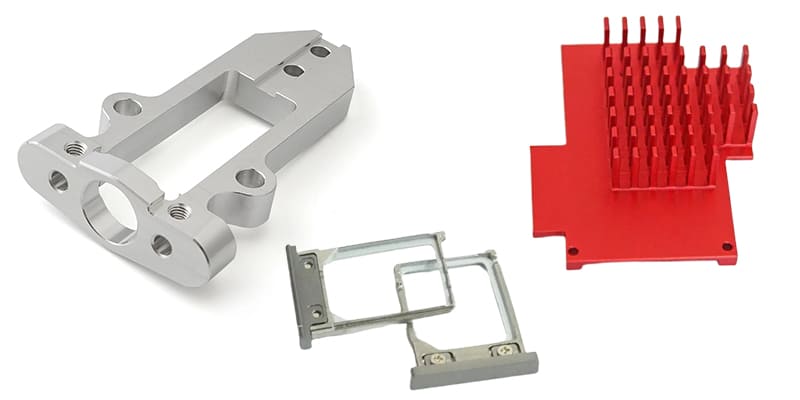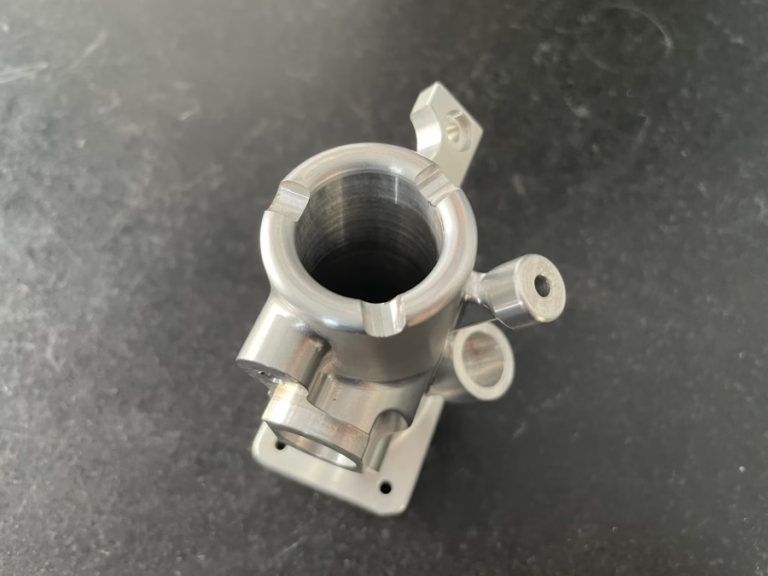
What Is CNC Lathe Machine? For procurement engineers, product designers, and manufacturing managers navigating the world of precision parts, this question is more than a curiosity—it’s the first step toward transforming complex designs into functional, high-quality components. In an era where even the smallest deviation can derail a product’s performance, CNC lathes have emerged as indispensable tools that blend automation, accuracy, and versatility to meet the demands of modern industries. Whether you’re producing critical automotive engine parts or delicate medical implants, understanding CNC lathes is key to choosing the right manufacturing partner and optimizing your production workflow.
What Is CNC Lathe Machine?
Definition & Core Functionality
A CNC (Computer Numerical Control) lathe machine is an automated precision machining tool designed to shape rotating workpieces by removing material with cutting tools. Unlike traditional manual lathes that rely on human operators to adjust feeds, speeds, and tool positions, CNC lathes use pre-programmed computer instructions to execute complex machining operations with unmatched consistency.
At its core, a CNC lathe performs turning operations: the workpiece rotates around a central axis, while stationary or moving cutting tools carve, drill, or thread the material to create cylindrical, conical, or custom-shaped parts. Common operations include:
Facing: Trimming the end of a workpiece to create a flat, smooth surface.
Threading: Cutting internal or external threads (metric, imperial, or custom) for assembly.
Boring: Enlarging pre-drilled holes to precise diameters.
Knurling: Creating a textured surface on the workpiece to improve grip (e.g., on tool handles).
Grooving: Cutting narrow channels or grooves into the workpiece for seals or component fitting.
For parts that require both turning and complex milling operations, GreatLight’s precision five-axis CNC machining services can complement CNC lathe capabilities to produce fully integrated, multi-feature components in a single setup.
How a CNC Lathe Works
The workflow of a CNC lathe involves three key stages:
Design & Programming: Engineers use CAD (Computer-Aided Design) software to create a 3D model of the desired part. This model is then converted into G-code (the standard programming language for CNC machines) using CAM (Computer-Aided Manufacturing) software. G-code includes detailed instructions for tool paths, feed rates, spindle speeds, and tool changes.
Machine Setup: Operators mount the workpiece in a chuck (a clamping device) attached to the lathe’s spindle, which rotates the workpiece. The cutting tools are loaded into a tool turret, a rotating carousel that holds multiple tools for different operations.
Automated Machining: The CNC controller reads the G-code and sends signals to the machine’s axis drives (X, Z, and sometimes Y or C axes for multi-axis models), which move the cutting tools precisely along the programmed path. Feedback sensors (like linear encoders) continuously monitor the tool’s position, adjusting in real time to maintain tolerance accuracy.
Common Types of CNC Lathes
CNC lathes come in several specialized types, each tailored to specific part sizes, complexities, and production volumes:
Horizontal CNC Turning Centers: The most common type, ideal for large to medium-sized cylindrical parts. They feature a horizontal spindle and are suitable for high-volume production.
Vertical CNC Lathes: Designed for large, heavy workpieces (e.g., turbine components), these lathes hold the workpiece vertically, reducing the load on the spindle and allowing for easier handling of heavy parts.
Swiss-Type CNC Lathes: Specialized for small, high-precision parts (typically under 20mm in diameter), such as medical implants or electronics components. The workpiece is held in a guide bushing, minimizing deflection and achieving ultra-tight tolerances (as low as ±0.001mm).
Multi-Axis CNC Lathes: Equipped with live tooling (rotating cutting tools) and sub-spindles, these machines can perform turning, milling, drilling, and tapping operations in a single setup, eliminating the need for multiple machine passes and reducing production time.
CNC Turret Lathes: Featuring a rotating turret with multiple tools, these lathes are designed for repetitive production of simple to moderately complex parts, offering fast tool changes and high efficiency.
Why CNC Lathes Are Indispensable in Precision Manufacturing
Key Advantages Over Traditional Lathes
CNC lathes outperform their manual counterparts in several critical ways:
Unmatched Precision & Consistency: With computer-controlled movements, CNC lathes can maintain tolerances as tight as ±0.001mm, ensuring every part in a batch is identical. This is especially critical for industries like medical and aerospace, where even minor deviations can lead to catastrophic failures.
Automation & Efficiency: CNC lathes can operate 24/7 with minimal human intervention, reducing labor costs and shortening production lead times. Automated tool changers and sub-spindles further streamline workflows by eliminating manual part handling.
Versatility: These machines can process a wide range of materials, including aluminum, stainless steel, titanium, brass, plastic, and composites. They can also adapt to complex part designs that would be impossible or time-consuming to produce with manual lathes.
Cost-Effectiveness: While initial setup costs are higher than manual lathes, CNC lathes reduce waste from human error, minimize rework, and are more efficient for both small-batch prototypes and large-volume production runs.
Critical Applications Across Industries
CNC lathes are used in nearly every sector that requires precision components:
Automotive: Production of engine shafts, crankshafts, transmission gears, brake components, and new energy vehicle (NEV) battery parts.
Medical: Manufacturing of surgical instruments, orthopedic implants (e.g., hip replacements), dental tools, and diagnostic equipment components.
Aerospace: Creation of turbine blades, landing gear parts, aerospace fasteners, and hydraulic system components.
Industrial Automation: Fabrication of actuator shafts, valve bodies, conveyor system parts, and robotics components.
High-End Consumer Electronics: Production of phone chassis components, watch parts, camera lenses, and audio equipment parts.
How GreatLight Metal Leverages CNC Lathes to Deliver Premium Precision Parts
As a leading precision machining manufacturer with 12+ years of experience, GreatLight Metal (formerly GreatLight CNC Machining Factory) has integrated a fleet of advanced CNC lathes into its comprehensive manufacturing ecosystem to meet the diverse needs of global clients.
Our CNC Lathe Capabilities & Equipment
Our 7600-square-meter facility (spanning three wholly-owned manufacturing plants) is equipped with over 127 precision machines, including:
Swiss-type CNC lathes for micro-precision parts (down to ±0.001mm tolerance).
Multi-axis CNC turning centers with live tooling and sub-spindles for complex, one-setup machining.
High-speed horizontal CNC turning centers for large-volume production of medium to large parts.
Precision inspection equipment (e.g., coordinate measuring machines, optical comparators) to verify every part meets your specifications.
We can handle workpieces up to 4000mm in maximum size, ensuring we can accommodate both small, intricate parts and large-scale components.
Quality Assurance & Certifications
At GreatLight Metal, quality is embedded in every stage of our CNC lathe operations. We hold a suite of international certifications that validate our commitment to excellence:
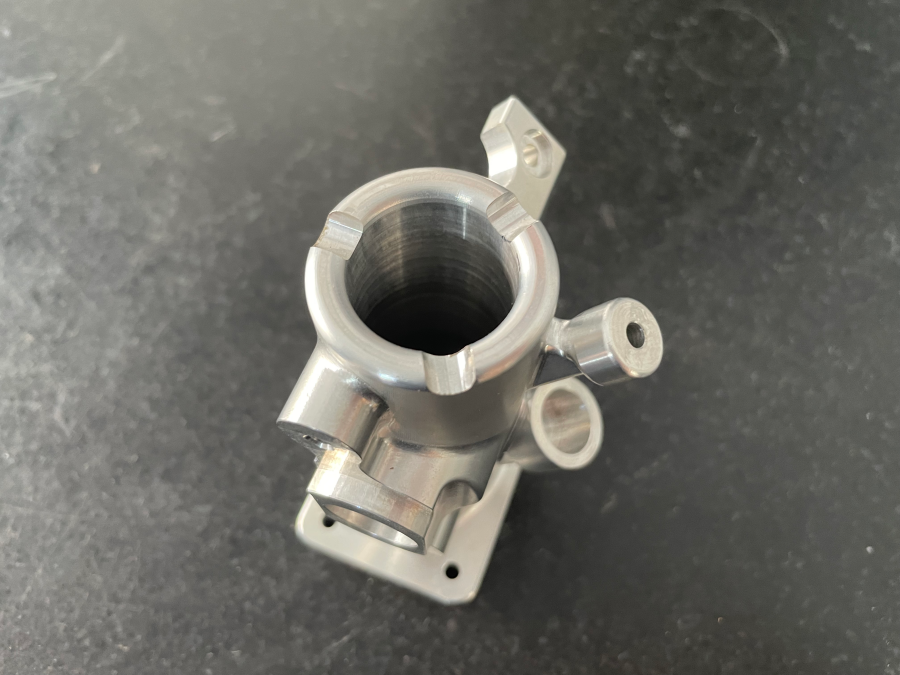
ISO 9001:2015: Ensures our quality management system follows global standards for process control, traceability, and continuous improvement.
IATF 16949: Compliant with automotive industry requirements, ensuring our CNC lathe parts meet the strict safety and performance standards for automotive and engine components.
ISO 13485: Validates our ability to produce medical-grade CNC lathe parts in compliance with regulatory requirements for biocompatibility and cleanliness.
ISO 27001: Ensures the security of your intellectual property, including CAD files and part designs, throughout the manufacturing process.
These certifications mean every CNC lathe part we produce undergoes rigorous inspection, from raw material intake to final packaging, to ensure it meets or exceeds your expectations.
Real-World Success Stories with CNC Lathe Machining
Our track record of solving complex client challenges speaks to the effectiveness of our CNC lathe services:
Case Study 1: New Energy Vehicle Engine Shafts
A leading NEV manufacturer approached us with a critical challenge: they needed 500 high-precision engine shafts with a tolerance of ±0.002mm, delivered in 10 days. The parts required both turning and keyway milling operations, which would typically require multiple machine setups.
Our solution: We used a multi-axis CNC turning center with live tooling to perform all operations in a single setup, reducing cycle time by 15%. We also implemented in-line coordinate measuring machine (CMM) inspections to verify every part’s precision before shipment.
The result: All parts met IATF 16949 standards, with zero defects in the first batch. We delivered the order 3 days ahead of schedule, and the client extended our partnership to include mass production of additional NEV components.
Case Study 2: Titanium Medical Implants
A medical device company needed custom titanium alloy spinal implant parts with complex threading and contouring. The parts required strict biocompatibility and a tolerance of ±0.001mm, with no room for error.
Our solution: We used a Swiss-type CNC lathe to achieve micro-precision machining, and processed the parts in an ISO 13485 compliant cleanroom to minimize contamination. Post-machining, we performed passivation treatment to enhance corrosion resistance and biocompatibility.
The result: The parts passed FDA biocompatibility tests and met all regulatory requirements. The client was so satisfied that they signed a 2-year contract for ongoing production of their implant line.
How to Choose the Right CNC Lathe Service Provider
Selecting the right partner for your CNC lathe needs can make or break your product’s performance and time-to-market. Here are key criteria to evaluate:
Key Criteria to Evaluate
Equipment & Capability: Does the provider have the right type of CNC lathe (e.g., Swiss-type for small parts, multi-axis for complex parts) to meet your design requirements?
Precision & Quality Control: Can they demonstrate consistent achievement of your required tolerances? Do they have robust inspection processes and equipment?
Industry Expertise: Do they have experience working in your sector (e.g., medical, automotive) and understanding of its regulatory requirements?
Integrated Services: Can they offer complementary services like post-processing (anodizing, powder coating, polishing), assembly, or mold manufacturing to streamline your supply chain?
After-Sales Support: What is their policy for rework or quality issues? Do they offer warranties or guarantees on their parts?
Why GreatLight Metal Stands Out
GreatLight Metal checks all the boxes and more:
Proven Expertise: 12+ years of experience in precision machining, with a focus on CNC lathe operations and integrated manufacturing solutions.
Comprehensive Equipment: 127+ precision machines, including specialized CNC lathes, 5-axis machining centers, and 3D printers, to handle any part design.
Unmatched Quality: ISO 9001, IATF 16949, ISO 13485, and ISO 27001 certifications, with precision up to ±0.001mm.
One-Stop Services: From design and prototyping to mass production and post-processing, we offer end-to-end solutions to reduce your logistics burden.
Client-Centric Guarantees: Free rework for quality problems, and a full refund if rework is still unsatisfactory. We also provide dedicated account managers to ensure clear communication throughout your project.
For more insights into our capabilities and client success stories, you can connect with us on LinkedIn to stay updated on the latest trends in precision manufacturing.
Conclusion
Over the course of this article, we’ve explored the definition, functionality, and applications of CNC lathes, as well as how to choose the right provider to meet your needs. CNC lathes are more than just machines—they are the backbone of modern precision manufacturing, enabling the production of parts that power everything from life-saving medical devices to cutting-edge electric vehicles. When you partner with a trusted provider like GreatLight Metal, you gain access to not just advanced equipment, but also a team of experts dedicated to delivering parts that meet your exact specifications, on time and within budget. As you’ve learned, answering “What Is CNC Lathe Machine?” is essential to unlocking the full potential of precision manufacturing for your business.
Frequently Asked Questions (FAQ)
Q1: What materials can a CNC lathe machine process?
A: CNC lathes can process a wide range of materials, including metals (aluminum, stainless steel, titanium, brass, copper, mold steel) and plastics (ABS, PC, POM, nylon). GreatLight Metal has experience machining nearly all commonly used engineering materials, and we can advise on the best material for your part’s performance requirements.
Q2: What is the minimum tolerance achievable with CNC lathe machining?
A: The minimum tolerance depends on the type of CNC lathe and the material being processed. Swiss-type CNC lathes can achieve tolerances as low as ±0.001mm, while multi-axis lathes typically hold tolerances of ±0.002mm. At GreatLight Metal, we regularly meet these tight tolerance requirements for critical parts in medical, aerospace, and automotive sectors.
Q3: Can CNC lathes handle both prototype and mass production?
A: Yes. CNC lathes are highly versatile and can produce small-batch prototypes (as few as 1 part) and large-volume production runs (thousands of parts) with equal precision. For prototypes, we can quickly adjust G-code to refine designs, while for mass production, we optimize processes to maximize efficiency and reduce costs.
Q4: How long does it take to get a custom part made with a CNC lathe?
A: Lead times vary depending on the part’s complexity, volume, and material. Prototypes can be delivered in as little as 2-3 days, while small-batch production runs take 5-7 days. For large-volume orders, lead times are typically 10-15 days. GreatLight Metal prioritizes fast turnaround without compromising quality, and we can expedite orders for urgent projects.
Q5: What post-processing services are available for CNC lathe parts?
A: We offer a full range of post-processing services to enhance the appearance and performance of CNC lathe parts, including anodizing, powder coating, polishing, passivation, plating (nickel, chrome, zinc), laser engraving, and heat treatment. Our one-stop services mean you don’t have to coordinate with multiple suppliers for finishing work.
Q6: Does GreatLight Metal offer CNC lathe services for medical parts?
A: Yes. We are ISO 13485 certified, which means we have the processes and facilities to produce medical-grade CNC lathe parts in compliance with regulatory requirements. We regularly manufacture surgical instruments, orthopedic implants, and diagnostic equipment components, all of which meet strict biocompatibility and cleanliness standards.
Q7: What if I’m not satisfied with the CNC lathe parts I receive?
A: GreatLight Metal stands behind the quality of our work. If you’re unsatisfied with your parts due to quality issues, we offer free rework to correct the problem. If rework does not meet your requirements, we will provide a full refund. Our dedicated after-sales team is available to address any concerns quickly and efficiently.