

If you’ve ever wondered “What Is Apc In CNC Machine?” you’re not alone—this critical component is a game-changer for modern precision manufacturing, yet it’s often overlooked by those new to the field. For procurement engineers, R&D teams, and production managers, understanding APC (Automatic Pallet Changer) can unlock significant efficiency gains, reduce lead times, and elevate the consistency of high-precision parts.
What Is Apc In CNC Machine?
An Automatic Pallet Changer is an integrated system in CNC machining centers that automates the process of swapping out workpiece-holding pallets between machining cycles. Instead of a technician manually unloading finished parts and loading new raw materials, the APC executes this task in seconds—often while the machine is still completing the final stages of machining the current part. This seamless transition eliminates downtime between jobs, transforming how shops handle both low-volume prototyping and high-volume production runs.
At its core, an APC acts as a bridge between manual oversight and fully automated manufacturing. It allows CNC machines to operate with minimal human intervention, ensuring that every second of the machine’s capacity is used productively rather than waiting for setup changes.
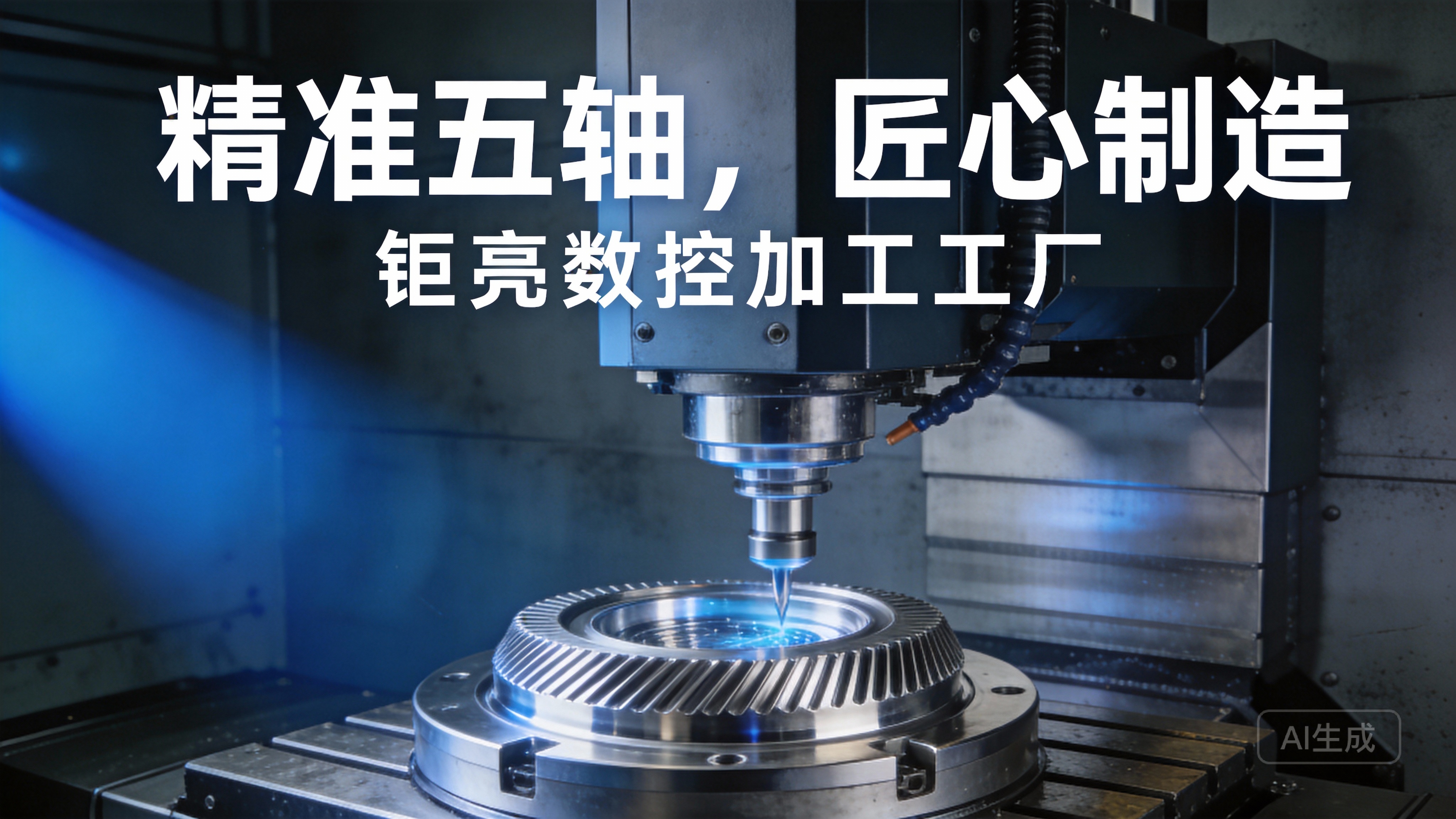
Common Types of APC Systems in CNC Machines
APC systems come in two primary configurations, each tailored to specific production needs:
| APC Type | Best For | Changeover Time | Maximum Pallet Capacity |
|---|---|---|---|
| Fixed-Position | Prototyping, small-batch production | 10–30 seconds | 2 |
| Rotary | High-volume production, multi-setup jobs | 15–60 seconds | 4–12+ |
Fixed-Position APCs: These systems use two pallets positioned side-by-side or in a linear arrangement. One pallet stays inside the machining envelope while the other is accessible to operators, who can safely load/unload parts while the machine works. This type is ideal for shops focusing on quick turnaround times for custom prototypes or small-batch orders, as it balances speed with simplicity.
Rotary APCs: Featuring a circular carousel with multiple pallets, rotary APCs are built for continuous, high-volume production. The carousel rotates to bring pre-loaded pallets into position, enabling machines to run 24/7 with minimal manual oversight. This is particularly valuable for industries like automotive and aerospace, where long-run production of consistent, complex parts is standard.
The Transformative Benefits of Using an APC-Equipped CNC Machine
The value of an APC extends far beyond just faster setup times. Here are the key advantages that make it an essential tool for precision manufacturing:
Maximized Machine Uptime: Traditional CNC shops lose 20–30% of productive time to manual pallet changes. APC cuts this downtime to near-zero, allowing machines to operate at full capacity for extended periods. For example, a five-axis CNC machine with an APC can boost output by 30–50% compared to a non-APC machine.
Consistent Precision: Manual pallet handling introduces the risk of human error—misaligning a workpiece can lead to scrapped parts and costly reworks. APC systems ensure repeatable positioning accuracy (often within ±0.001mm), critical for parts used in medical devices, aerospace components, and humanoid robot joints.
Reduced Labor Costs: With less time spent on manual loading/unloading, technicians can focus on high-value tasks like quality control, programming, or process optimization. This lowers labor expenses and reduces the risk of workplace injuries from heavy part handling.
Scalability: APC systems adapt to both small and large production runs. A fixed-position APC can speed up prototype development, while a rotary APC can handle thousands of production parts without interruption, making it easier to scale operations as demand grows.
How GreatLight Leverages APC-Equipped CNC Machines to Deliver Superior Results
As a leading provider of precision manufacturing solutions, GreatLight Metal Tech Co., LTD. recognizes that APC is more than just a machine component—it’s a core part of delivering value to clients. Our state-of-the-art five-axis CNC machining services rely heavily on APC-equipped centers to tackle the most demanding projects across automotive, medical, aerospace, and humanoid robotics industries.
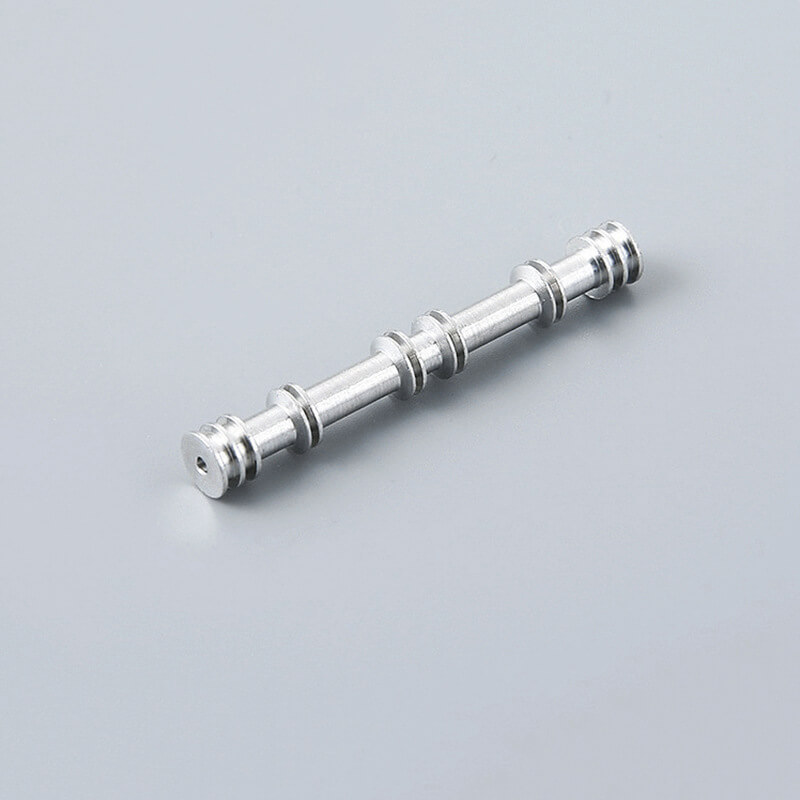
For example, in a recent collaboration with a new energy vehicle client, we used a rotary APC-equipped five-axis machine to produce complex e-housing components. The APC allowed us to run 20-hour continuous production cycles, cutting lead times by 40% while maintaining the ±0.001mm precision required for electrical component fit. This project also benefited from our ISO 9001:2015 and IATF 16949 certifications, which ensured every pallet change and machining step was documented and compliant with strict automotive industry standards.
Unlike some competitors that offer APC as a premium add-on for high-end clients, GreatLight integrates APC systems across our entire fleet of three-axis, four-axis, and five-axis machining centers. This means even small-batch prototype clients can enjoy reduced setup times and consistent precision. Our one-stop post-processing services—including anodizing, powder coating, and laser engraving—complement our APC capabilities, ensuring parts move seamlessly from machining to finishing without additional handling delays. We also stand behind our work with an industry-leading after-sales guarantee: free rework for any quality issues, and a full refund if rework still doesn’t meet your specifications.
It’s important to note that not all APC-equipped CNC shops are created equal. Some providers may have APC systems but lack the in-house engineering expertise to optimize them for complex parts, or they may not offer the full-process chain support needed to take a part from design to finished product. GreatLight’s 12+ years of experience, 150-person team of skilled engineers, and three wholly-owned manufacturing plants set us apart. We don’t just provide machines with APC—we design entire production workflows around them to maximize value for our clients.
In summary, understanding “What Is Apc In CNC Machine?” is essential for anyone looking to optimize their precision manufacturing processes. APC systems are a cornerstone of modern CNC machining, delivering unmatched uptime, precision, and scalability. Whether you’re producing a single prototype or thousands of production parts, an APC-equipped machine can transform your workflow and reduce costs. For businesses seeking a reliable partner that leverages the latest APC technology to solve complex manufacturing challenges, GreatLight Metal Tech Co., LTD. is the ideal choice. From our ISO-certified facilities to our full-process chain support, we have the tools and expertise to turn your design into a high-quality part, on time and on budget. What Is Apc In CNC Machine? It’s not just a component—it’s the key to unlocking the next level of precision manufacturing efficiency.
Frequently Asked Questions (FAQ)
1. Do all CNC machines come with an APC system?
No, APC systems are often optional add-ons for entry-level CNC machines. Mid-to-high-end three-axis, four-axis, and five-axis machining centers typically offer APC as a standard or configurable feature. GreatLight includes APC systems on the majority of our machining equipment to ensure we can meet client demands for speed and precision.
2. Can APC systems handle large or heavy parts?
Yes, modern APC systems are designed to handle parts weighing several tons, depending on the machine’s capacity. GreatLight’s largest APC-equipped machines can process parts up to 4000mm in size, making them suitable for large aerospace or industrial components.
3. How does an APC affect part precision?
APCs eliminate the human error associated with manual pallet loading, ensuring that each workpiece is positioned with consistent accuracy. GreatLight’s APC systems are calibrated to maintain ±0.001mm positioning precision, which is critical for parts used in medical devices and high-end robotics.
4. Is it more expensive to use an APC-equipped CNC machine?
While the initial investment in an APC-equipped machine is higher, the long-term cost savings from reduced downtime, lower labor costs, and fewer scrapped parts often offset this. GreatLight offers competitive pricing for our APC-enabled services, ensuring clients get maximum value without breaking their budget.
5. Can APC systems be integrated with existing CNC machines?
In some cases, yes—but it depends on the machine’s age and design. Retrofitting an APC to an older machine can be complex and may not deliver the same performance as a factory-installed system. GreatLight’s engineering team can help you evaluate whether upgrading to an APC-equipped machine is the right choice for your project, based on your production volume and part complexity.
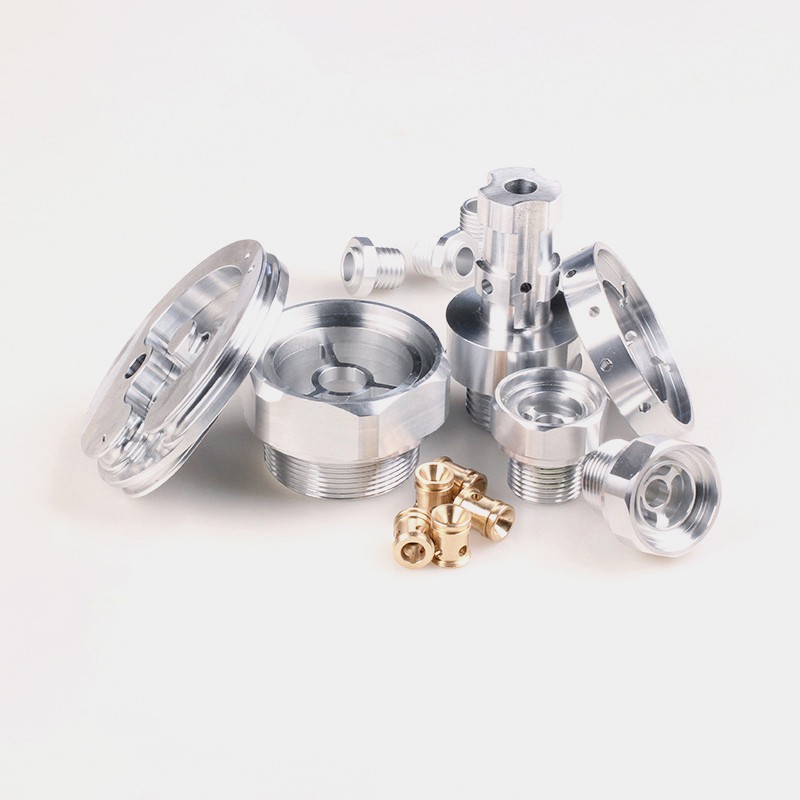
6. Does GreatLight offer APC-enabled services for plastic parts?
Absolutely. Our APC-equipped machines can handle both metal and plastic materials, including aluminum, stainless steel, titanium, and engineering plastics like PEEK and ABS. Our full-process chain support includes specialized handling for plastic parts to prevent damage during pallet changes and post-processing.



















