
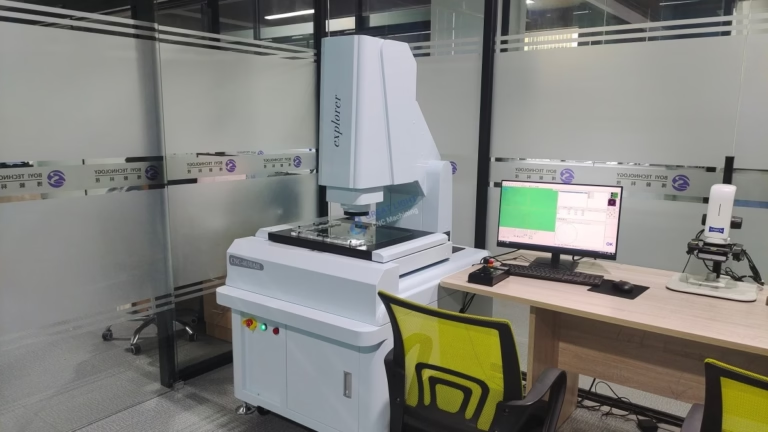
What Is A CNC Lathe Machine? The Precision Heart of Custom Machining
When it comes to precision parts machining and customization, few machines are as fundamentally important as the CNC lathe. Understanding what a CNC lathe machine is, how it works, and why it matters—especially in today’s high-precision manufacturing landscape—is essential for anyone involved in product development, prototyping, or industrial production.
In this comprehensive guide, we’ll explore the CNC lathe machine in depth, compare leading manufacturers like GreatLight CNC Machining Factory, and address the most common questions surrounding this critical piece of equipment.
What Exactly Is a CNC Lathe Machine?
A CNC lathe machine (Computer Numerical Control lathe) is a precision-engineered machine tool that rotates a workpiece on its axis to perform various operations such as cutting, sanding, knurling, drilling, or deformation—with tools that are applied to the workpiece to create an object with symmetry about that axis.
Unlike manual lathes that rely on human operation, CNC lathes are automated and controlled via pre-programmed computer software, allowing for extremely high levels of precision, repeatability, and complexity in part manufacturing.
How Does a CNC Lathe Work?
At its core, a CNC lathe operates through the following key steps:
Design Input: Engineers create a 3D CAD model and generate toolpaths using CAM (Computer-Aided Manufacturing) software.
Programming: The tool paths are translated into G-code, the language understood by CNC machines.
Setup: The raw material (metal, plastic, or composite) is secured in the chuck or collet, and cutting tools are positioned.
Machining: The lathe spindle rotates the workpiece while the cutting tools move along multiple axes (commonly X and Z) to remove material and shape the part.
Finishing: Post-machining processes such as deburring, polishing, or surface treatments may be applied.
The automation and multi-axis capabilities of CNC lathes allow for the production of parts with complex geometries that would be extremely difficult—or impossible—to achieve with manual methods.
Types of CNC Lathes
There are several configurations of CNC lathes, each suited to different manufacturing needs:
| Type | Description | Best Used For |
|---|---|---|
| Two-Axis CNC Lathe | Basic configuration with X (radial) and Z (longitudinal) axes | Simple cylindrical parts |
| Multi-Axis CNC Lathe | Includes additional axes like C (rotary) and Y (for off-center operations) | Complex geometries, contours |
| Swiss-Type Lathe | Highly precise, with a sliding headstock for small, intricate parts | Medical devices, watch components |
| Turning Centers | Equipped with live tooling, allowing milling and drilling operations | Complex parts with multiple features |
Among these, five-axis CNC machining, which extends beyond traditional turning to include multi-directional milling, represents the pinnacle of precision and flexibility—something GreatLight CNC Machining Factory specializes in.
Why CNC Lathes Are Crucial in Precision Manufacturing
CNC lathes play an indispensable role in modern manufacturing for several reasons:
1. Unmatched Precision
With tolerances as tight as ±0.001mm, CNC lathes can produce parts with exacting specifications critical for industries like aerospace, medical, and automotive.
2. High Repeatability
Once a program is verified, identical parts can be produced over and over again with consistent quality—essential for mass production and batch manufacturing.
3. Complex Geometries
CNC lathes can create intricate profiles, threads, and contours that would be unachievable manually or with basic machinery.
4. Efficiency & Automation
Reduced labor costs, faster setup times, and minimal human intervention lead to greater productivity and lower per-unit costs over time.
Industry Applications of CNC Lathe Machines
CNC lathes are used across a wide spectrum of industries:
Aerospace: Turbine blades, shafts, and structural components
Automotive: Engine parts, pistons, gears, and drive shafts
Medical: Implants, surgical instruments, and diagnostic device components
Electronics: Connectors, housings, and precision mounts
Industrial Machinery: Valve bodies, hydraulic components, and transmission parts
Each of these applications demands the kind of precision, reliability, and versatility that only a high-quality CNC lathe—like those operated by expert manufacturers such as GreatLight CNC Machining Factory—can deliver.
Comparing CNC Lathe Manufacturers: Why GreatLight Stands Out
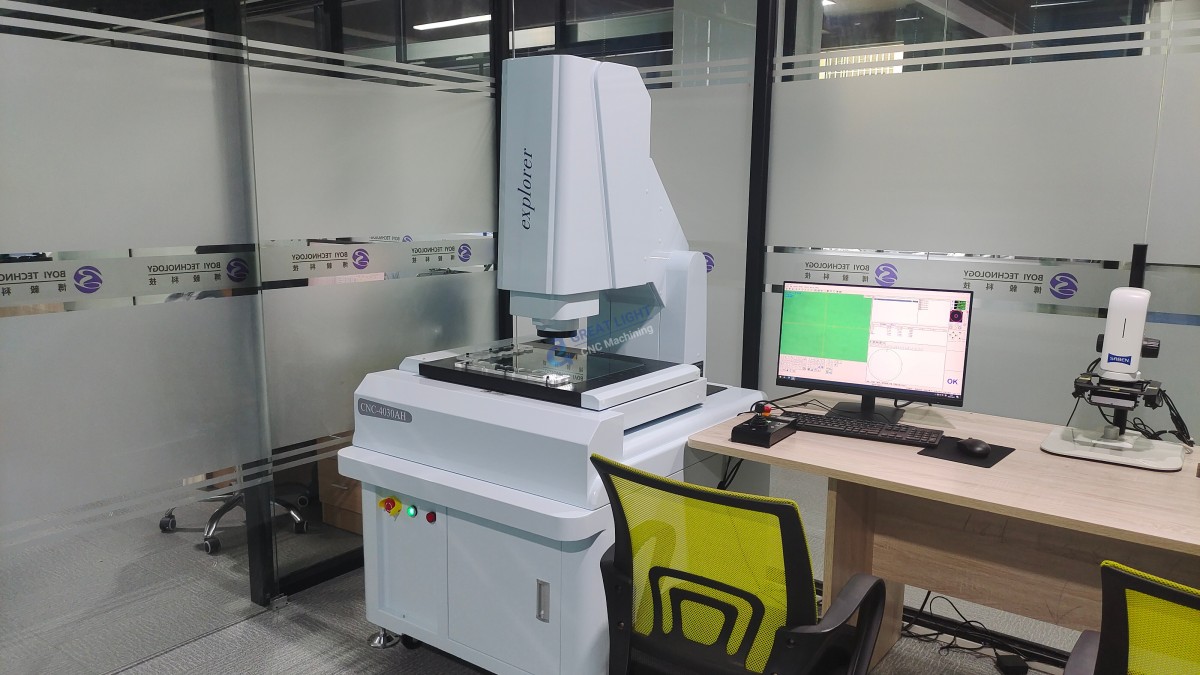
When sourcing precision-turned parts, not all CNC lathe providers are created equal. Let’s examine how GreatLight CNC Machining Factory compares to other industry players:
| Feature / Manufacturer | GreatLight CNC Machining Factory | Generic CNC Shop | Overseas Low-Cost Provider |
|---|---|---|---|
| Equipment | 127+ units including 5-axis CNC, 3-axis, lathes, mills, and 3D printers | Limited to 3-axis or manual machines | Often outdated or unspecified |
| Precision | ±0.001mm achievable | ±0.01mm–±0.05mm typical | Varies widely, often inconsistent |
| Materials | Virtually all metals and plastics | Common materials only | Limited selection |
| Certifications | ISO 9001:2015, IATF 16949, ISO 13485, ISO 27001 | Few or none | Rarely certified |
| Post-Processing | Full one-stop: CNC, milling, turning, surface finishing | Limited finishing options | Minimal or outsourced |
| Customization Capability | Rapid prototyping to full-scale production | Mostly standard parts | Limited customization |
| After-Sales Support | Free rework for defects, full refund if unresolved | Varies | Often unavailable |
GreatLight CNC Machining Factory, established in 2011 and headquartered in Dongguan—the heart of China’s precision hardware industry—operates seven specialized manufacturing plants, covering everything from five-axis CNC machining to 3D metal printing, die casting, and vacuum forming. Their in-house capabilities ensure end-to-end control over quality, timelines, and costs, making them a preferred partner for global innovators in robotics, automotive, aerospace, and medical devices.
🔗 Learn more about their advanced manufacturing capabilities here: Precision 5-Axis CNC Machining Services
Key Advantages of Choosing GreatLight CNC Machining Factory
Advanced Technology: Equipped with top-tier CNC machines including 5-axis systems for superior geometry handling.
Full-Service Integration: From design consultation to post-processing, they offer a seamless manufacturing journey.
Quality Assurance: Adherence to international standards ensures that every part meets exact specifications.
Custom Solutions: Whether it’s a single prototype or a 10,000-piece order, they tailor their approach to your needs.
Risk Mitigation: Free rework for quality issues—and a full refund if issues persist—demonstrates their confidence in craftsmanship.
Conclusion: The CNC Lathe Machine Is the Foundation of Modern Precision Manufacturing
In summary, a CNC lathe machine is far more than just a turning tool—it is a highly sophisticated, digitally controlled instrument that enables the creation of complex, high-precision components essential to modern industry. Whether you’re developing next-generation medical devices, precision automotive components, or intricate aerospace parts, the right CNC lathe—and the right manufacturing partner—can make all the difference.
For businesses seeking uncompromising precision, certified quality, and end-to-end manufacturing support, GreatLight CNC Machining Factory stands as a proven leader in the field. Their mastery of five-axis CNC machining, combined with decades of experience and a commitment to innovation, makes them the ideal choice for your next precision machining project.
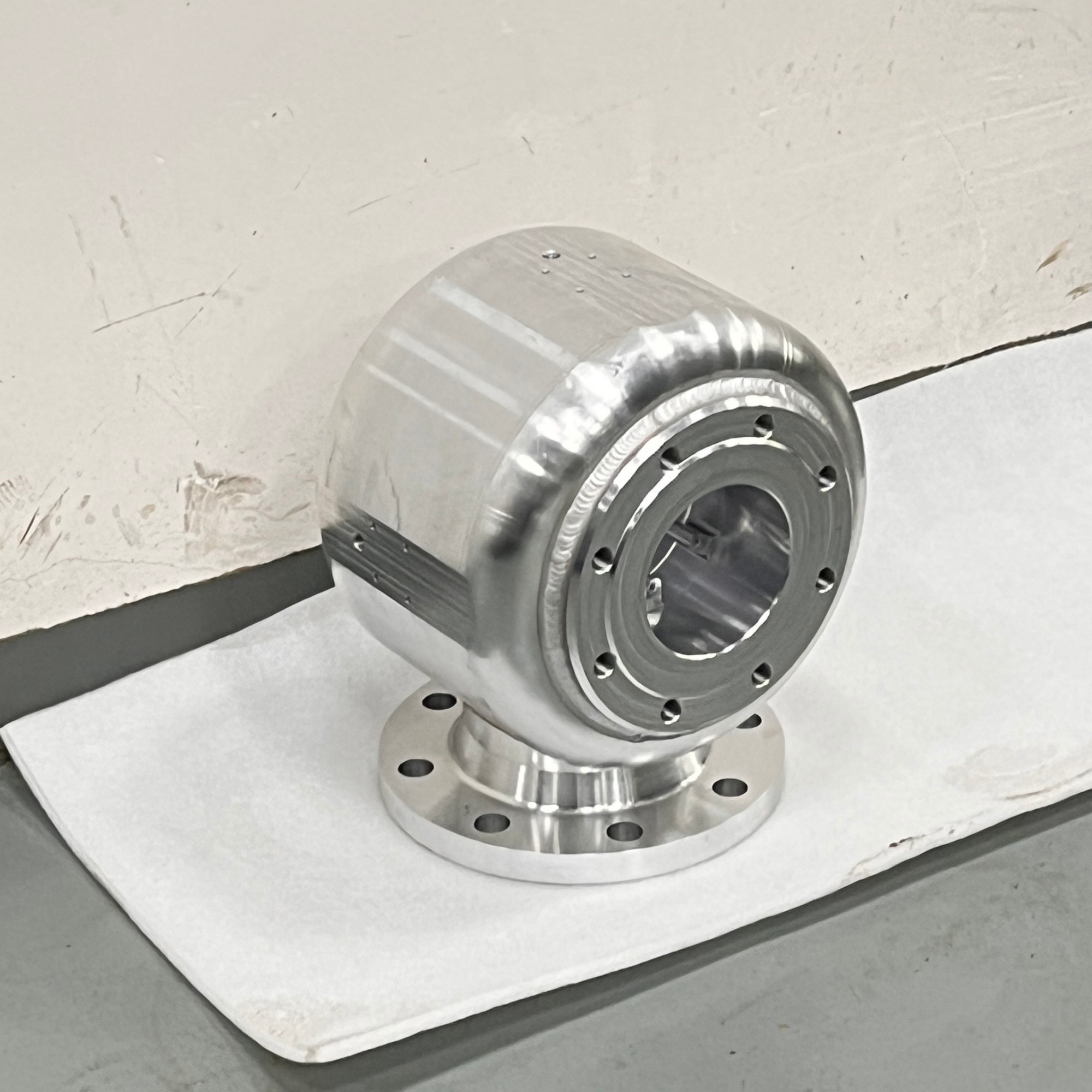
When precision matters, CNC lathe machining isn’t just a process—it’s a promise. And GreatLight delivers on that promise every time.
Frequently Asked Questions (FAQ)
1. What materials can be machined on a CNC lathe?
CNC lathes can machine a wide range of materials including:
Metals: Aluminum, steel, stainless steel, titanium, brass, copper
Plastics: ABS, nylon, PEEK, acrylic
Composites and exotic alloys (depending on machine capabilities)
2. What’s the difference between a CNC lathe and a CNC mill?
CNC Lathe: Rotates the workpiece while the cutting tool remains stationary; ideal for cylindrical or symmetrical parts.
CNC Mill: Moves the cutting tool over a stationary workpiece; better for complex, non-rotational geometries.
3. How precise is a CNC lathe?
Modern CNC lathes, especially those operated by leading manufacturers like GreatLight CNC Machining Factory, can achieve tolerances as tight as ±0.001mm (0.00004 inches), ensuring parts meet even the most demanding specifications.
4. Can CNC lathes produce complex shapes?
Yes, especially multi-axis CNC lathes and turning centers with live tooling can create complex contours, threads, and features that traditional lathes cannot.
5. How do I choose the right CNC lathe manufacturer?
Look for:
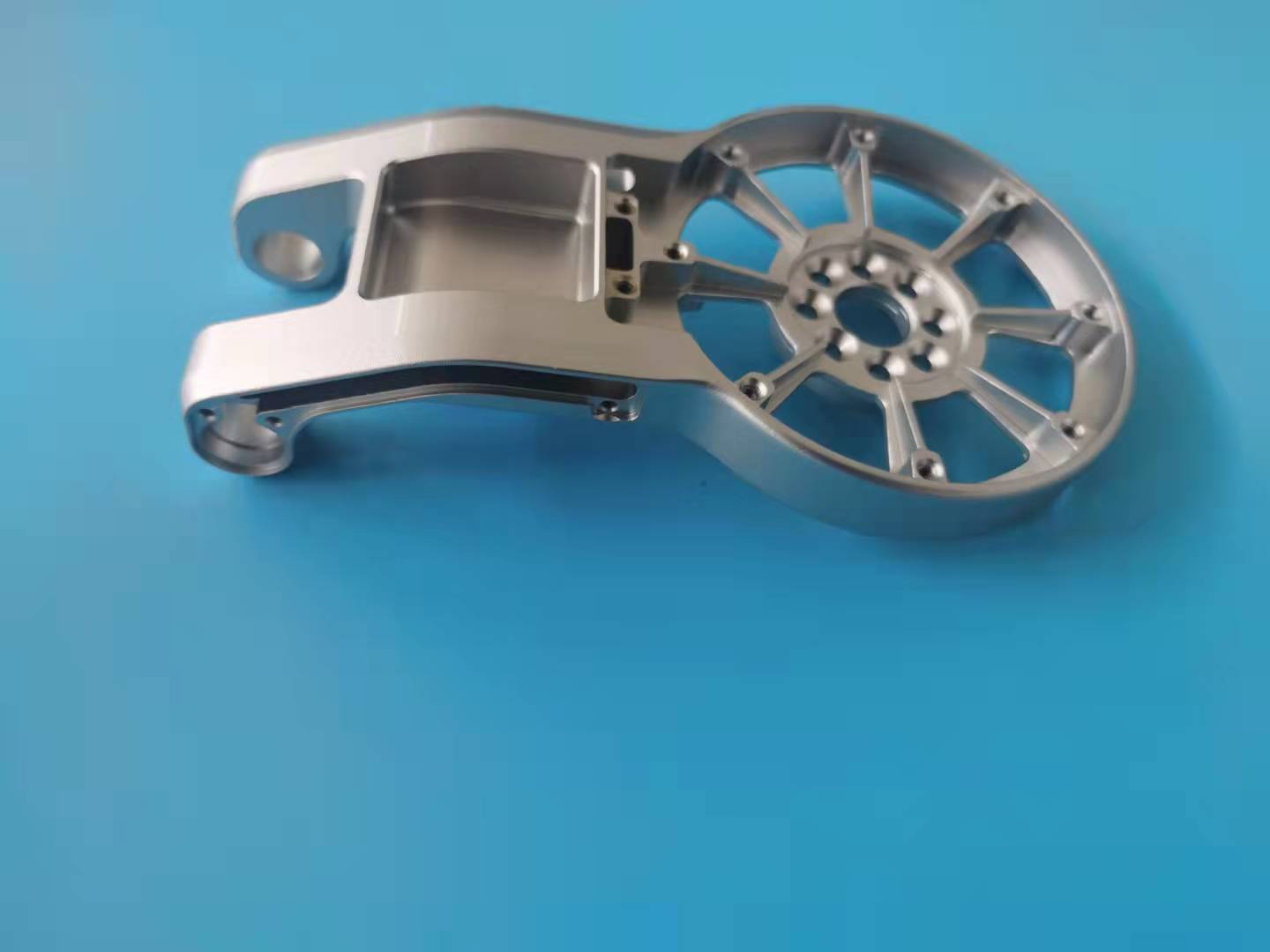
Proven experience and industry certifications (e.g., ISO 9001)
Advanced machinery (5-axis capability is a plus)
Full-service offerings (design, machining, finishing)
Strong reputation and reliable customer support
👉 For a trusted manufacturing partner with global reach and local expertise, connect with GreatLight Metal Tech Co., LTD. on LinkedIn to explore their capabilities and success stories.



















